Clinical autoclave guide for safe instrument reprocessing
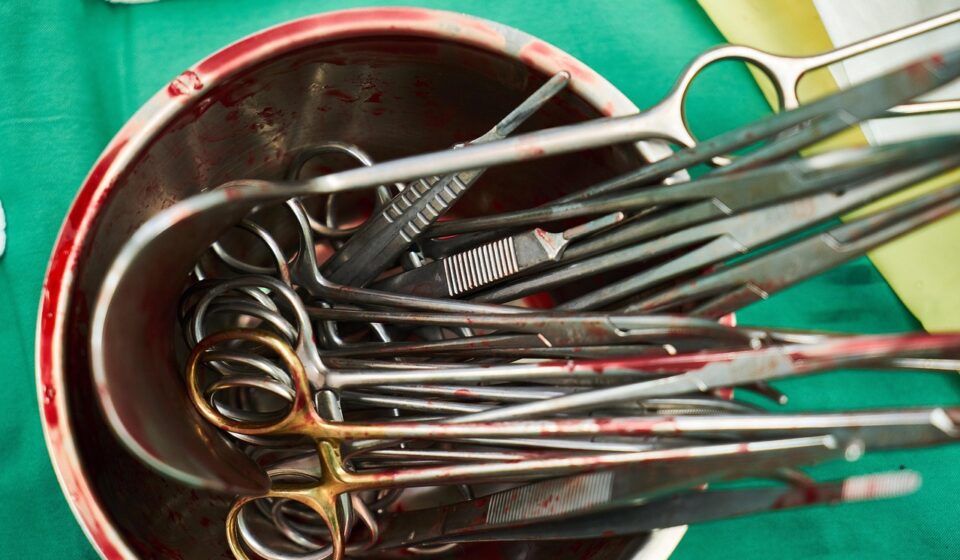
What a clinical autoclave does in a care setting
A clinical autoclave uses saturated steam under pressure to sterilize heat-stable instruments, trays, textiles, and selected materials used in patient care. For medical and dental practices, the key question is not simply whether a sterilizer can reach a high temperature. The sterilizer, load type, packaging, water quality, cycle parameters, monitoring program, and staff workflow all need to match the device manufacturer’s instructions for use. Public guidance from the CDC emphasizes that steam sterilization depends on direct steam contact at the required temperature, pressure, and exposure time. In day-to-day operations, a clinical autoclave should be evaluated as part of a documented reprocessing system, not as a stand-alone appliance.
This guide is for readers comparing equipment and workflow requirements in clinical equipment, including small practices, outpatient centers, dental clinics, and sterile processing teams preparing to purchase, replace, or audit an autoclave.
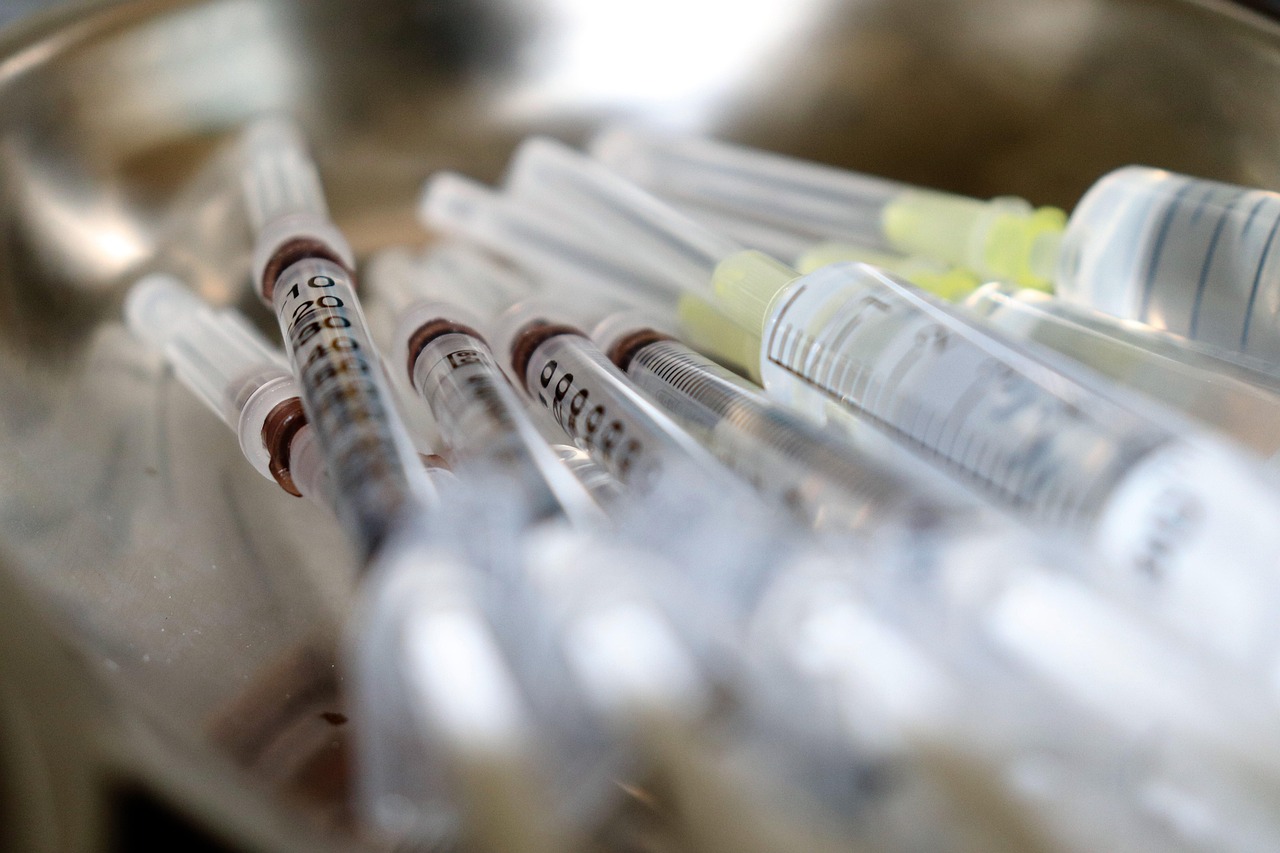
Clinical autoclave types and where they fit
The two steam sterilizer categories most often discussed in healthcare guidance are gravity displacement and dynamic air-removal, often called prevacuum or vacuum-assisted sterilizers. Both can be appropriate when used with compatible loads and validated cycles, but they address different processing needs.
| Autoclave type | How it works | Typical fit | Key limitation |
|---|---|---|---|
| Gravity displacement | Steam enters the chamber and displaces air through gravity and pressure differences. | Simple, unwrapped or wrapped heat-stable instruments when compatible with the cycle and packaging instructions. | Air removal can be less efficient for porous, complex, or densely packed loads. |
| Dynamic air-removal or prevacuum | A vacuum system removes air before steam exposure, improving steam penetration. | Wrapped packs, porous materials, and higher-throughput settings that need more consistent air removal. | Requires air-removal testing and careful maintenance of vacuum performance. |
| Tabletop clinical autoclave | A compact unit designed for smaller load volumes. | Dental offices, small clinics, podiatry, dermatology, and outpatient procedure rooms. | Limited chamber size can create bottlenecks if instrument turnover is underestimated. |
| Floor-standing hospital sterilizer | A larger steam sterilizer connected to facility utilities or dedicated steam generation. | Hospitals, surgery centers, and centralized sterile processing areas. | Installation, utilities, maintenance access, and documentation systems require more planning. |
The right choice depends on the items being processed. A clinic that mainly reprocesses simple stainless-steel instruments has different requirements from an ambulatory surgery center handling wrapped procedural trays. Selection should start with a review of instruments, packaging systems, load density, turnaround requirements, and available sterilizer cycle options.
Selection factors that affect safety and throughput
Load profile before chamber size
Chamber volume matters, but load profile matters more. A larger chamber is not automatically safer or faster if staff routinely overload it or mix incompatible items. Start by listing what is reprocessed each day: instrument cassettes, wrapped packs, handpieces, textile items, glassware, laboratory materials, or regulated medical waste. Then estimate peak demand, not just the daily average. The busiest two hours of the day often determine whether one tabletop sterilizer is enough or whether the clinic needs a second unit or a larger system.
Cycle compatibility and device instructions
Reusable medical devices should be processed according to their instructions for use. That includes cleaning steps before sterilization, packaging requirements, cycle type, exposure parameters, drying time, and storage conditions. A sterilizer may offer several cycles, but a cycle is useful only if it matches the device and packaging instructions. FDA guidance on reprocessing reusable medical devices also places strong emphasis on validated cleaning and sterilization instructions, because sterilization is not a substitute for adequate cleaning.
Utilities, footprint, and room workflow
A tabletop autoclave may need treated water, suitable electrical capacity, a counter that can support the load, ventilation clearance, and space for cooling and drying packs. A larger sterilizer may require plumbing, drain temperature controls, steam supply, service access, and facility engineering review. Workflow is just as important. Dirty instruments should move from receiving and cleaning to preparation, sterilization, cooling, storage, and use without crossing back into contaminated areas. Poor room layout can undermine the benefit of high-quality equipment.
Data capture and traceability
Modern autoclave selection should include recordkeeping. The CDC recommends recording details such as the sterilizer and cycle used, load identification, load contents, exposure parameters, operator identification, and monitoring results. A printer, USB export, network connection, or electronic tracking system can reduce missing records, but only when the clinic has a clear policy for reviewing and retaining them.
Monitoring is not optional quality control
Sterilization monitoring is usually described in three layers: mechanical, chemical, and biological. Mechanical monitoring checks the cycle record, including time, temperature, and pressure. Chemical indicators show that a package or load was exposed to certain sterilization conditions. Biological indicators use resistant spores to directly challenge the process. CDC guidance recommends mechanical, chemical, and biological monitors as part of a quality control program, rather than using one method as a substitute for all others.
- Mechanical monitoring: Review the printout, display, or digital record for every load. If the cycle did not meet the required parameters, the load should not be released.
- Chemical monitoring: Use indicators as specified for the package and load. Internal indicators help confirm that sterilant reached the inside of a package.
- Biological monitoring: Use the appropriate biological indicator for steam sterilization on a regular schedule. CDC dental guidance recommends at least weekly biological monitoring and also recommends it for every load containing an implantable device, with implant release ideally delayed until a negative result is available.
- Air-removal testing: For prevacuum sterilizers, air-removal performance tests are important because trapped air can prevent steam contact.
A positive biological indicator or failed chemical indicator should trigger a defined response, not an improvised discussion. That response may include taking the sterilizer out of service, reviewing operator steps, checking load configuration, contacting service support, recalling affected items when indicated, and documenting corrective action. Facilities should align this process with their infection prevention policy and applicable local requirements.
Water, steam quality, maintenance, and staff safety
Water quality is often underestimated. Minerals, contaminants, and poor steam quality can affect equipment life, instruments, packaging, and sterilization performance. AAMI has published guidance on water for the processing of medical devices, and manufacturers specify the water type required for their sterilizers. Clinics should not assume that tap water, distilled water, reverse osmosis water, or deionized water is interchangeable. The sterilizer manual and facility water policy should control that decision.
Preventive maintenance is also part of sterility assurance. The CDC includes sterilizer service records and maintenance documentation in a quality control program. Daily and weekly user tasks may include chamber cleaning, gasket inspection, reservoir care, drain checks, printer paper replacement, and review of error codes. Service-level tasks may include calibration, safety valve inspection, vacuum pump maintenance, door seal replacement, and verification after repair. Requirements vary by model, so the manufacturer’s instructions should be the primary reference.
Staff safety needs the same level of attention. A clinical autoclave involves hot surfaces, pressurized steam, wet packs, heavy trays, and possible exposure to contaminated sharps before cleaning. Safe practice includes heat-resistant gloves, face and eye protection when needed, cautious door opening, adequate cooling time, and training on what must not be placed in the chamber. Sealed containers, incompatible plastics, volatile chemicals, and materials that trap pressure can create hazards. When the autoclave is used for laboratory or waste materials, facility biosafety and waste policies should be reviewed before operation. See also: Buying Guides.
Where standards and regulations fit
Autoclave decisions are influenced by several layers of guidance. The CDC provides infection prevention recommendations for disinfection and sterilization in healthcare facilities. FDA resources address sterilization of medical devices and recognized consensus standards. In May 2024, the FDA recognized ISO 17665:2024 for moist heat sterilization of healthcare products, a standard focused on development, validation, and routine control of moist heat processes for medical devices. AAMI’s ST79 is widely used for steam sterilization and sterility assurance practices in healthcare facilities, while AAMI ST108 addresses water for processing medical devices. In July 2026, AAMI announced ANSI/AAMI ST8:2026 for hospital steam sterilizers, which is more focused on safety and performance requirements for the sterilizer equipment itself.
These documents do not all answer the same question. Some are written for device manufacturers, some for healthcare facilities, and some for water or sterilizer performance. A clinic replacing an autoclave should avoid relying on a single document or sales sheet. The practical review should combine the sterilizer’s cleared indications, the reusable devices’ instructions, facility infection prevention policy, applicable state rules, and the records that surveyors or auditors expect to see.
When autoclaving is not the right answer
Steam sterilization is widely used because it is effective, relatively fast, and does not leave the same type of chemical residual concerns associated with some low-temperature methods. It is not suitable for every item. Heat-sensitive electronics, moisture-sensitive materials, certain plastics, complex devices with restrictive instructions, and items that cannot be adequately cleaned may require another validated method or single-use alternatives.
Clinical autoclaves should also not be confused with medical waste autoclaves. The EPA describes autoclaving as one possible treatment technology for medical waste, but medical waste treatment is often governed by state and local rules. A sterilizer used for patient-care instruments should not automatically be used for regulated waste unless the equipment, workflow, permits, and policies support that purpose. Mixing instrument reprocessing and waste treatment can create avoidable contamination and documentation problems.
Immediate-use steam sterilization should be treated as an exception-driven process, not a substitute for adequate inventory or scheduling. If a clinic relies on immediate-use cycles every day, the issue may be instrument shortages, poor case planning, inadequate cleaning capacity, or the wrong autoclave size. Equipment selection should address the underlying workflow problem rather than normalize rushed processing.
Practical checklist before choosing a clinical autoclave
- List every reusable item and confirm its cleaning, packaging, and sterilization instructions.
- Estimate peak load volume, not only daily average volume.
- Match cycle options to instrument and packaging requirements.
- Confirm whether gravity or dynamic air-removal cycles are needed.
- Review water quality requirements and the cost of maintaining them.
- Plan space for dirty receiving, cleaning, inspection, packaging, sterilization, cooling, storage, and record review.
- Verify monitoring supplies, including chemical indicators, biological indicators, and test packs where applicable.
- Confirm service availability, preventive maintenance intervals, and post-repair qualification expectations.
- Decide how cycle records will be stored, reviewed, and retrieved during audits.
- Train staff before go-live and repeat competency checks after policy or equipment changes.
Frequently asked questions
Is a clinical autoclave the same as a sterilizer?
In everyday use, the terms are often used interchangeably when referring to steam sterilizers. More precisely, an autoclave is a pressure chamber used to apply steam under pressure, while sterilizer is the broader term and can include steam, dry heat, ethylene oxide, vaporized hydrogen peroxide, and other methods.
How often should a clinical autoclave be biologically monitored?
CDC guidance for dental settings recommends biological monitoring at least weekly, using a matching control from the same lot. It also recommends biological monitoring for every load containing an implantable device, with implantable items ideally not used until the result is negative. Facilities may set stricter policies based on risk, volume, accreditation expectations, or local regulation.
Can a failed chemical indicator be ignored if the autoclave printout looks normal?
No. A failed or unchanged chemical indicator should be investigated because it may point to packaging, loading, air removal, exposure, or operator problems. Mechanical records, chemical indicators, and biological indicators provide different information and should be interpreted together.
What is the biggest mistake when buying a clinical autoclave?
The most common strategic mistake is choosing by chamber size or price before mapping the reprocessing workflow. A suitable autoclave must fit the instruments, packaging, cycle requirements, water supply, documentation needs, room layout, maintenance plan, and staff capacity.
Can one autoclave be used for both instruments and medical waste?
Only if the equipment, facility workflow, policies, and applicable regulations support that use. Medical waste treatment is a separate process area with different handling risks and regulatory expectations. Many clinics should keep patient-care instrument sterilization and waste treatment separate.