Orthopedic equipment in clinical settings and how to evaluate it

What orthopedic equipment includes in a clinical environment
Orthopedic equipment is not a single product group. In clinical settings, the term usually refers to devices used to diagnose, repair, stabilize, replace or rehabilitate bones, joints, ligaments, tendons and the spine. It can include fracture fixation plates, screws, external fixation systems, joint reconstruction implants, arthroscopy tools, orthopedic drills, casting materials, braces, traction systems, operating tables, instrument trays and rehabilitation devices.
For hospitals, ambulatory surgery centers and distributors, the key question is not only whether a device belongs to the orthopedic category. The more useful question is whether the equipment fits the intended procedure, is properly cleared or approved for the target market, can be traced by lot or device identifier, works with the facility’s workflow, and is supported by validated cleaning, sterilization and maintenance instructions.

This article focuses on selection and evaluation issues that can create clinical, operational and procurement risk. It is written for industry readers comparing orthopedic device categories, not as clinical advice for patient treatment.
Why orthopedic equipment is difficult to standardize
Orthopedic care uses both simple and highly specialized equipment. A walking boot and a powered bone saw may both support musculoskeletal treatment, but they carry very different risks, documentation requirements and training needs. For that reason, orthopedic procurement should start with intended use rather than a broad product label.
Regulatory agencies typically classify medical devices by risk. In the United States, FDA materials describe a risk-based device framework in which Class I devices are generally lower risk, Class II devices usually require special controls, and Class III devices are the highest-risk category and often require premarket approval. Orthopedic products may fall into different classes depending on whether they are reusable instruments, non-invasive supports, active powered tools or implanted devices. FDA product classification resources also organize many orthopedic devices under orthopedic device regulations, including 21 CFR Part 888.
The same basic logic applies outside the United States, although terminology and conformity routes differ. A hospital buying orthopedic equipment for international use should confirm the market authorization pathway, labeling language, intended user, indications, contraindications and post-market obligations for each target region. A device that is acceptable in one country may require different registration, labeling or importer responsibilities in another.
Main categories of orthopedic equipment and what to check
The table below separates orthopedic equipment by use case. It is not a regulatory classification table. Instead, it highlights the checks that often determine whether equipment can be safely integrated into a clinical environment.
| Category | Common examples | Key evaluation points |
|---|---|---|
| Implants and fixation systems | Plates, screws, rods, nails, spinal cages, joint replacement components | Market clearance or approval, indication, implant material, size range, lot traceability, sterile barrier integrity, compatibility with instruments |
| Reusable surgical instruments | Forceps, retractors, osteotomes, trial components, instrument trays | Validated cleaning instructions, sterilization method, tray weight, inspection steps, repair program, instrument count accuracy |
| Powered orthopedic tools | Drills, saws, reamers, handpieces, batteries and chargers | Electrical safety, battery management, torque and speed control, service interval, sterilization limits, ergonomic burden |
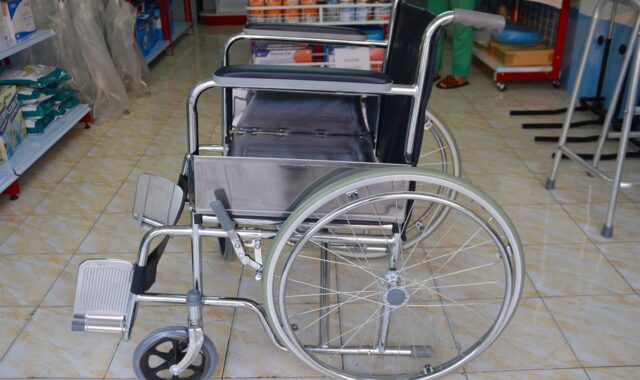
| External support and immobilization | Casts, splints, braces, walkers, traction and positioning systems | Fit range, skin-contact materials, load limits, patient instructions, adjustability, infection control procedures |
| Rehabilitation and recovery equipment | Continuous passive motion devices, gait aids, therapy tables and resistance systems | Clinical setting, patient weight rating, cleaning compatibility, maintenance, staff training and documentation |
| Digital and navigation-assisted systems | Orthopedic navigation, robotic-assisted systems, planning software and imaging adjuncts | Software version control, cybersecurity process, OR footprint, data handling, staff credentialing and vendor support |
A practical evaluation should cover the whole system, not only the visible device. An implant may depend on a matched instrument set. A powered handpiece may require specific batteries, chargers, sterilization containers and preventive maintenance. A navigation platform may depend on imaging inputs, software updates, disposable trackers and operating room layout. If one part of the system is missing or poorly supported, a compliant device can still become a workflow problem.
Regulatory and traceability checks before purchase
Regulatory review should take place before price comparison. For U.S.-marketed equipment, buyers can verify whether the product is listed in FDA device databases, whether a 510(k), de novo authorization or premarket approval pathway is relevant, and whether the product code matches the proposed clinical use. The product code matters because two devices that look similar may be regulated under different intended uses.
Traceability is especially important for orthopedic implants and sterile kits. The FDA Unique Device Identification system was created to help identify medical devices from manufacturing through distribution to patient use. In practice, procurement teams should check whether labels include the required device identifier and production identifiers when applicable, whether the UDI can be captured in inventory systems, and whether implant records can connect a device to a patient, procedure, lot and expiration date.
Recall monitoring should also be included in the purchase file. FDA recall materials explain that recalls may involve correction or removal of a device when it violates applicable law, is defective or may create a health risk. For orthopedic equipment, the impact can vary widely. A labeling correction for a low-risk support device is very different from a corrective action affecting implanted components or cranial drilling tools. The procurement file should identify who monitors recalls, who receives manufacturer notices, how affected inventory is quarantined and how clinicians are informed.
Cleaning, sterilization and workflow considerations
Many orthopedic instruments are difficult to reprocess because they may include lumens, hinges, textured surfaces, modular parts, powered components or heavy trays. AORN sterilization guidance emphasizes a sequence that starts immediately after use, including removal of gross soil, point-of-use treatment, decontamination, inspection, packaging and sterilization. That sequence matters because delayed or incomplete cleaning can make later sterilization less reliable.
Before accepting a reusable orthopedic instrument set, sterile processing and operating room teams should review the manufacturer instructions for use. The IFU should specify disassembly steps, cleaning agents, brush sizes when needed, ultrasonic cleaning compatibility, sterilization cycle parameters, drying time, inspection criteria and limits on reuse if applicable. If the facility cannot perform the validated process, the device is not a good operational fit even when it is legally marketed.
Tray weight is another practical issue. Orthopedic loaner sets can be heavy and time-sensitive. Excessive tray weight can affect staff ergonomics, drying performance and instrument organization. Facilities should define receiving deadlines for loaner trays, inspection responsibilities, missing-instrument escalation steps and storage conditions before the first case is scheduled.
For powered tools, reprocessing has additional limits. Batteries, cables and handpieces may tolerate different cleaning and sterilization methods. Staff should not assume that a sterilization cycle suitable for a steel hand instrument is suitable for a powered component. Maintenance records, calibration checks and battery replacement history should be kept with the equipment file.
Procurement checklist for hospitals and distributors
A structured checklist reduces the chance that orthopedic equipment is selected on price alone. The following items are useful in tenders, distributor evaluations and internal capital requests. See also: Buying Guides.
- Define the intended use. Identify the procedure, user, patient population, anatomical location and care setting before comparing models.
- Verify market status. Confirm clearance, approval, registration or conformity route for the target market, not only for the manufacturer country.
- Check the exact product code or model. Avoid relying on a family brochure when the purchase order names a specific size, model, software version or kit configuration.
- Review the IFU early. Cleaning, sterilization, maintenance and contraindication details can change the true cost of ownership.
- Confirm compatibility. Implants, instruments, chargers, sterile containers, imaging inputs and software modules may not be interchangeable across systems.
- Assess traceability. Make sure UDI, lot, serial, expiration and implant information can be captured by the facility inventory and clinical record systems.
- Evaluate training needs. New instrumentation, powered tools and navigation systems may require documented user training before clinical use.
- Plan service and repair. Ask about preventive maintenance intervals, turnaround time, loaner availability, replacement parts and end-of-support policies.
- Monitor safety communications. Assign responsibility for recalls, field safety notices and manufacturer corrections.
For more industry coverage related to hospital devices and workflow, visit the clinical equipment section.
Risks and trade-offs that deserve extra attention
Implant systems require stronger documentation than general instruments
Implants create long-term traceability responsibilities. A facility should know not only which implant was used, but also which lot or serial number, expiration date, packaging condition and accompanying instruments were involved. This information becomes critical if a manufacturer issues a field correction or if a surgeon later needs revision details.
Reusable instruments can create hidden capacity constraints
An instrument set may appear economical until reprocessing time, missing components, tray weight and case turnover are considered. Orthopedic services often run multiple cases using overlapping instrument sets. If the sterile processing department cannot clean, inspect, assemble and sterilize trays quickly enough, the constraint becomes operational rather than clinical.
Digital orthopedic systems shift risk into integration
Navigation and robotic-assisted orthopedic systems can support procedural planning and intraoperative alignment, but they also add integration questions. Facilities should review software version control, data storage, cybersecurity expectations, downtime procedures, staff training and support coverage. The value of a digital system depends partly on whether it fits the operating room schedule, imaging workflow and clinical governance structure.
Lower purchase price may not mean lower total cost
Orthopedic equipment costs can include consumables, trays, sterilization packaging, repair, calibration, batteries, software, service contracts, staff training and inventory carrying cost. A transparent comparison should separate acquisition cost from total cost of ownership over the expected service life.
How to compare suppliers without overclaiming performance
Supplier comparison should be evidence-based. Claims about better outcomes, faster recovery, reduced infection risk or superior alignment should be supported by appropriate clinical evidence for the specific device and intended use. Marketing statements should not replace instructions for use, regulatory records, peer-reviewed evidence or facility-level risk assessment.
When evidence is limited, the more responsible approach is to describe the uncertainty. For example, a new instrument design may have a sound ergonomic rationale, but a facility should still verify handling during evaluation, check cleaning complexity and document user feedback before standardization. Similarly, a new implant material may have a reasonable technical rationale, but long-term clinical performance may depend on indication, surgical technique, patient factors and post-market data.
Frequently asked questions
Is orthopedic equipment the same as orthopedic implants?
No. Implants are one part of orthopedic equipment. The wider category can also include surgical instruments, powered tools, braces, casts, traction systems, rehabilitation devices and digital planning or navigation systems.
What documents should be reviewed before buying orthopedic equipment?
At minimum, review the manufacturer instructions for use, market authorization or registration evidence, labeling, technical specifications, sterilization and maintenance instructions, warranty terms, training materials and traceability information. For implants and sterile devices, lot control and expiration data are especially important.
Why is UDI important for orthopedic devices?
UDI supports device identification across distribution, inventory and patient use. For orthopedic implants, it helps connect the exact device to the clinical record and can support recall response, inventory control and post-market surveillance.
Can a hospital use a reusable orthopedic instrument if sterilization instructions are unclear?
Unclear instructions should be resolved before use. The facility needs validated cleaning and sterilization steps that match its equipment and workflow. If the instructions cannot be followed, the device may create avoidable reprocessing risk.
What is the most practical first step in evaluating orthopedic equipment?
Start with intended use and workflow. Define the procedure, user, patient population, regulatory market, reprocessing route, traceability requirement and service plan before comparing price or brand features.