Koi pond maintenance tips for clear water and healthy fish
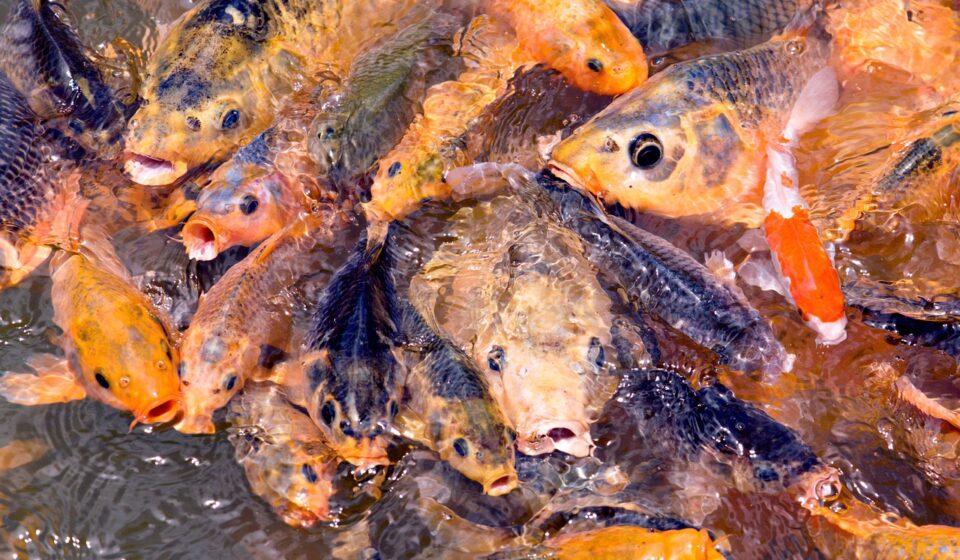
What good koi pond maintenance should achieve
Good koi pond maintenance is not about making the water look perfect for a day. It is about keeping water quality stable enough for koi to eat, breathe, grow, and resist disease. The most useful koi pond maintenance tips focus on four basics: steady filtration, controlled feeding, regular debris removal, and seasonal adjustments. Clear water is helpful, but it is not a complete measure of pond health; water can look clear while still containing harmful ammonia or nitrite. A simple routine that checks equipment, removes organic waste, tests key water parameters, and responds to weather changes will usually do more for fish health than occasional heavy cleaning.
This guide is written for backyard koi pond owners who want a practical schedule rather than a technical manual. It summarizes common pond-care principles reflected in university extension and aquatic management guidance, while keeping the routine realistic for home use. For more upkeep articles, visit the Maintenance Tips section.
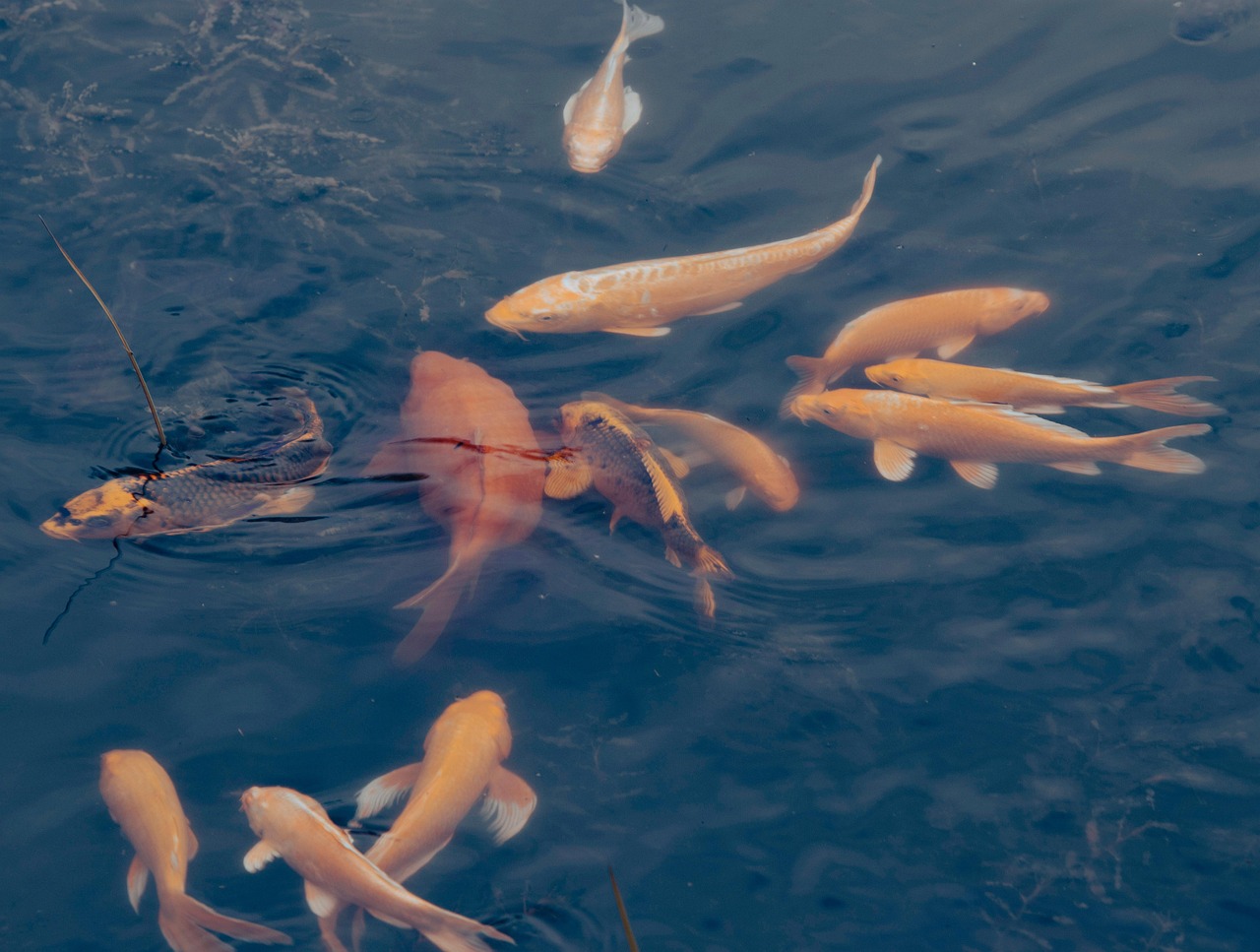
Build the routine around water quality, not just appearance
Many pond problems start when maintenance is based only on how the surface looks. Algae, cloudy water, fish gasping, foul smells, and sudden fish stress are usually symptoms of a deeper imbalance. The pond may have too much organic material, too little oxygen, insufficient biological filtration, unstable pH, or an excessive fish load.
The most important water quality indicators for koi pond owners are ammonia, nitrite, nitrate, pH, dissolved oxygen, and temperature. Ammonia and nitrite need the closest attention because they can harm fish even when the water looks acceptable. Nitrate is usually less immediately dangerous, but it can encourage algae and may indicate that waste is accumulating. pH matters because sudden swings can stress fish and affect how toxic ammonia becomes.
A useful habit is to test water before making major changes. If fish are inactive, gasping near the surface, flashing against surfaces, refusing food, or gathering near waterfalls, test the water first rather than adding treatments blindly. Water testing gives you a reasoned starting point: whether to improve aeration, pause feeding, clean filters, increase water changes, or investigate a pump or circulation problem.
- Test more often after adding fish, after heavy rain, during heat waves, after medication, or when filters have been cleaned aggressively.
- Record results in a notebook or spreadsheet so you can spot gradual changes before they become emergencies.
- Respond gradually when possible, because sudden large corrections can be as stressful as the original problem.
Weekly koi pond maintenance tasks
A weekly routine should be simple enough that it actually gets done. The goal is to remove waste before it decays, confirm that equipment is working, and catch small changes early.
Check fish behavior before touching the pond
Begin by watching the koi for several minutes. Healthy koi usually swim steadily, respond to feeding, and do not isolate themselves for long periods. Warning signs include clamped fins, rapid gill movement, gasping at the surface, rubbing against pond walls, unusual floating, or one fish being repeatedly pushed away from the group. Behavior is not a diagnosis, but it often provides the first clue that water quality, parasites, oxygen, or injury may be involved.
Remove leaves and visible debris
Leaves, uneaten food, dead plant material, and sludge add nutrients as they break down. Those nutrients can fuel algae and increase the workload on the biological filter. Use a skimmer net for surface debris and clean the skimmer basket if your system has one. In autumn, or near trees, this may need to be done more than once a week.
Inspect pumps, waterfalls, and aeration
Circulation and oxygen are central to pond stability. Confirm that the pump is running normally, water flow is not restricted, and waterfalls or air stones are operating. A weaker-than-usual flow may indicate a clogged intake, dirty pre-filter, blocked pipe, or pump wear. During warm weather, oxygen levels can fall because warm water holds less oxygen, while fish and filter bacteria need more of it. That is why aeration becomes especially important in summer.
Clean mechanical filtration without harming biology
Mechanical filter pads, brushes, settlement chambers, and skimmer baskets trap solids. Clean these parts before trapped waste decomposes into dissolved nutrients. Biological filter media should not be sterilized or washed with chlorinated tap water, because beneficial bacteria live on those surfaces. When rinsing bio-media is necessary, use pond water removed during a water change. Avoid cleaning every filter component at the same time unless there is a genuine emergency.
Water changes, feeding, and filter care
Regular partial water changes are one of the most reliable tools in koi pond maintenance. They dilute dissolved waste, help manage nitrate, and replace minerals that support stable water chemistry. The right amount depends on fish load, pond size, filtration, feeding rate, weather, and test results. Many home koi keepers use modest partial water changes as a routine practice rather than waiting until the pond looks bad.
When adding tap water, use an appropriate dechlorinator if the water supply contains chlorine or chloramine. Chlorine can damage fish gills and can also harm the microorganisms that make biological filtration work. Match temperature as closely as practical, add water slowly, and avoid sudden large shifts unless water quality is already dangerous and immediate dilution is needed.
Feed according to temperature and fish activity
Feeding is maintenance because every pellet eventually becomes waste. Koi should be fed only what they can consume quickly, and uneaten food should be removed. In warm, stable conditions, koi may feed actively. In cooler water, their digestion slows. In very cold periods, feeding may need to be reduced sharply or stopped, depending on water temperature and local climate. Overfeeding is one of the most common causes of poor water quality because it adds both uneaten food and increased fish waste.
Do not over-clean the biological filter
Biological filtration depends on communities of nitrifying bacteria that convert ammonia into nitrite and then nitrate. If bio-media is replaced all at once, scrubbed aggressively, allowed to dry out, or rinsed with untreated tap water, the pond may lose part of its biological capacity. That can lead to ammonia or nitrite spikes. If media must be replaced, do it in stages so mature media remains in the system.
| Task | Suggested frequency | Why it matters |
|---|---|---|
| Observe fish behavior | Daily or whenever feeding | Early warning for stress, oxygen issues, or disease |
| Remove floating debris | Weekly, more often in leaf season | Reduces decay, nutrients, and filter load |
| Check pump and aeration | Weekly | Maintains oxygen and circulation |
| Test ammonia, nitrite, nitrate, and pH | Weekly to monthly, and after changes | Confirms whether the pond is stable |
| Partial water change | As guided by pond load and test results | Dilutes dissolved waste and supports stable chemistry |
| Clean mechanical filters | As needed, often weekly | Prevents trapped solids from decomposing |
Seasonal koi pond maintenance tips
Koi pond care changes with the season. A routine that works in mild spring weather may not be enough during summer heat or autumn leaf fall. Seasonal planning helps prevent predictable problems before fish show stress.
Spring startup
Spring is the time to restart slowly. As water warms, fish activity increases and the biological filter wakes up. This can create a temporary mismatch: koi begin producing more waste before the filter bacteria are fully active. Test water more often during this period, feed lightly at first, and inspect winter damage to pumps, plumbing, liners, and edging. Remove accumulated debris carefully, but avoid a complete sterile cleanout unless the pond is severely contaminated.
Summer heat
Summer maintenance focuses on oxygen, algae management, and feeding discipline. Warm water, heavy feeding, and high fish activity increase oxygen demand. Add aeration if fish gather near waterfalls or gasp at the surface, and check that pumps run reliably during the hottest part of the day. Shade from aquatic plants or pond design can help moderate temperature and light exposure, but plants should not be allowed to decay in the pond. See also: clinical equipment.
Autumn leaf control
Autumn is often the season when organic load rises quickly. Leaves can sink, decompose, and create sludge that affects water quality through winter. A pond net can reduce the amount of leaf litter entering the water. Skimmer baskets may need frequent cleaning. This is also a good time to review equipment before cold weather arrives.
Winter protection
In cold climates, winter care is about gas exchange and avoiding unnecessary disturbance. If the surface freezes completely, harmful gases from decomposing organic matter can become trapped. Many pond owners use a pond de-icer or aeration strategy to maintain an opening in the ice. Koi should not be forced into activity during cold periods, and feeding should reflect water temperature and fish metabolism.
Common mistakes that make pond maintenance harder
Several common mistakes can undo an otherwise sensible routine. The first is adding too many fish. Koi grow large, and a pond that handled young fish may become overloaded as they mature. More fish means more waste, higher oxygen demand, and greater pressure on filtration.
The second mistake is treating algae only as a cosmetic problem. Algae can be unsightly, but it is usually connected to light, nutrients, circulation, and plant balance. Killing algae quickly without addressing the cause can leave decaying algae in the water, which may reduce oxygen and add more nutrients back into the system.
The third mistake is deep-cleaning everything at once. A pond is a living system. Removing all sludge, replacing all filter media, washing surfaces aggressively, and changing a large amount of water at the same time can destabilize it. When major cleaning is needed, work in stages and keep fish stress in mind.
- Avoid impulse chemical use. Identify the problem before adding treatments.
- Do not ignore small leaks. Falling water levels can expose liner edges, reduce volume, and strain pumps.
- Do not rely only on clear water. Test results are more reliable than appearance alone.
- Do not add new koi without caution. Quarantine is often recommended by experienced keepers to reduce disease risk.
A practical maintenance schedule for busy pond owners
The easiest schedule separates quick checks from deeper tasks. Daily care can be observational. Weekly care can focus on debris, equipment, and basic water quality. Monthly care can review trends, filter condition, plant growth, and pond structure.
- Daily or during feeding: watch fish behavior, confirm normal water movement, and remove uneaten food.
- Weekly: empty skimmer baskets, net debris, inspect pumps and aeration, and test water if the pond is heavily stocked or recently changed.
- Monthly: review water test records, inspect liner edges and plumbing, trim plants, and check whether filter cleaning frequency is increasing.
- Seasonally: adjust feeding, aeration, plant management, and debris control for spring startup, summer heat, autumn leaves, and winter dormancy.
This schedule is not a substitute for responding to actual pond conditions. A lightly stocked, mature pond with excellent filtration may need less intervention than a small, heavily stocked pond in full sun. The main value of a schedule is consistency. Small, regular tasks usually prevent the need for stressful emergency cleanouts.
Frequently asked questions
How often should a koi pond be cleaned?
Light cleaning, such as removing debris and checking filters, is often weekly. Deep cleaning should be less frequent and done carefully because aggressive cleaning can disrupt beneficial bacteria. Use water test results, debris levels, and fish behavior to decide how much cleaning is actually needed.
Why is my koi pond still green after cleaning?
Green water is usually linked to algae suspended in the water. Cleaning visible debris helps, but algae may continue if excess nutrients, strong sunlight, weak filtration, or poor plant balance remain. Check nitrate, feeding levels, filter performance, and shade before relying on quick treatments.
Can koi live in a pond without a filter?
Koi produce significant waste and generally need effective filtration in a managed backyard pond. A natural pond with large volume, low stocking, plants, and balanced ecology may behave differently, but most ornamental koi ponds depend on mechanical and biological filtration to keep water safe.
What is the biggest maintenance mistake for beginners?
Overfeeding is one of the biggest beginner mistakes because it quickly increases waste and can overwhelm filtration. Adding too many fish and over-cleaning the biological filter are also common problems. A better approach is to feed modestly, test water, and make gradual corrections.
Should I drain the whole pond to clean it?
Usually, no. Draining the entire pond can stress fish, disturb the biological balance, and create temperature or chemistry shocks when refilled. Partial cleaning and partial water changes are safer for routine maintenance. Full draining should be reserved for special situations such as major repairs or severe contamination.
Key takeaway
The best koi pond maintenance tips are consistent, measured, and based on pond conditions. Watch the fish, test the water, remove waste before it decays, protect biological filtration, and adjust care with the seasons. A stable pond does not come from one dramatic cleaning session; it comes from small actions repeated at the right time.