Oxygen healthcare technology and the shift from supply equipment to safety systems
Why oxygen technology is becoming a system-level priority
Oxygen healthcare technology now reaches well beyond cylinders, wall outlets and bedside flowmeters. For hospitals, clinics and home-care programs, the practical question is not only whether oxygen is available. It is whether the full oxygen pathway is reliable, monitored, maintained and safe. That pathway includes oxygen sources, storage, distribution, pressure regulation, patient delivery devices, pulse oximetry, alarms, backup supply, user training and fire-risk controls. The World Health Organization describes medical oxygen as an essential medicine, while also emphasizing that oxygen depends on devices, infrastructure, power and maintenance to reach patients safely. (who.int)
For readers following healthcare technology, the important shift is that oxygen is becoming a managed technology ecosystem. The most useful improvements are not always the most visible devices. Many come from better planning, sensor feedback, interoperability, standards compliance and practical safeguards for patients who use oxygen outside the hospital.
What counts as oxygen healthcare technology
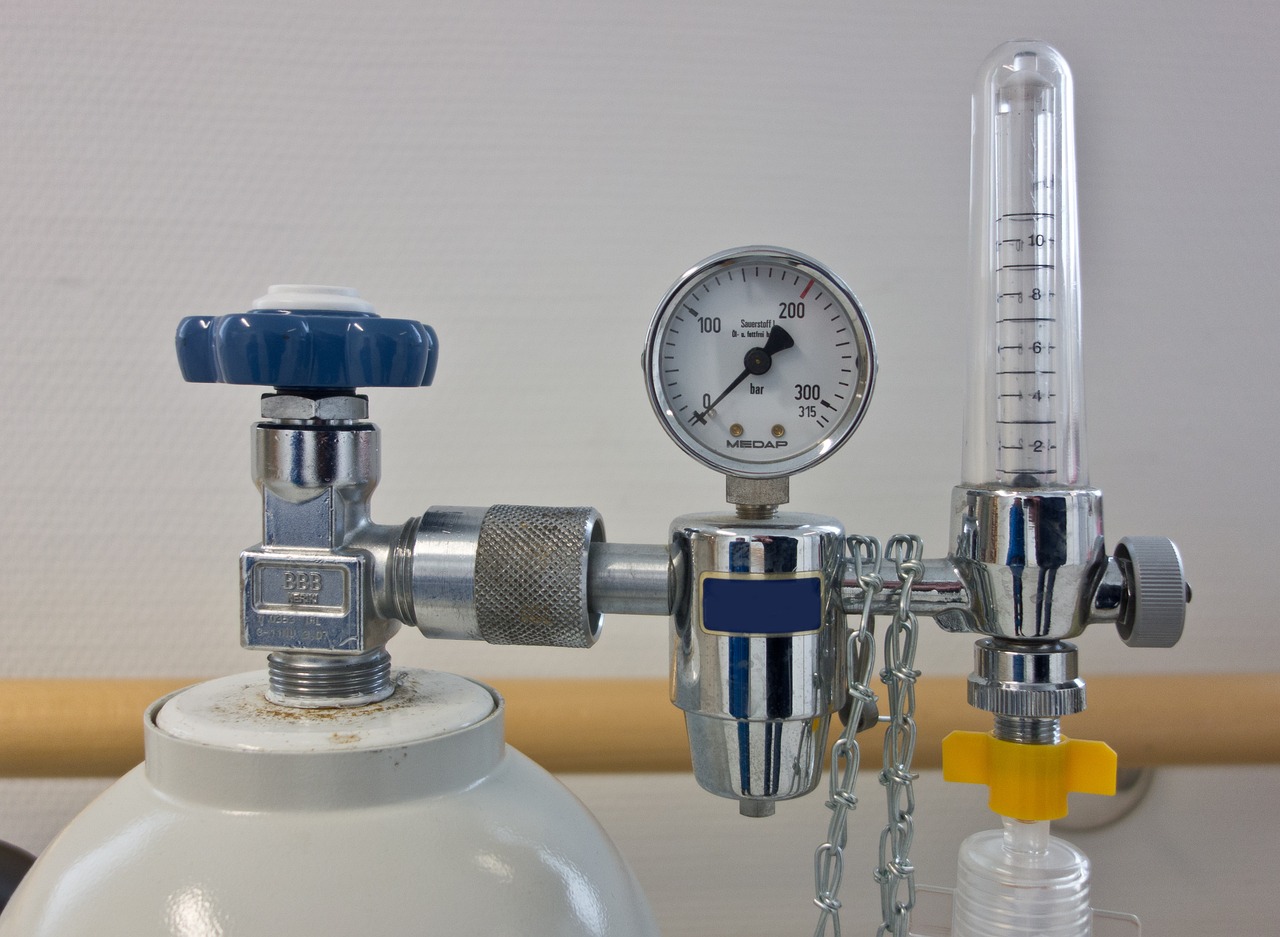
In clinical operations, oxygen technology has several layers. Each layer has its own failure modes and evidence requirements before a health system can treat it as reliable. A concentrator may be regulated as a medical device. A pipeline may be part of building infrastructure. A pulse oximeter may be used as a monitoring tool. A home oxygen supplier may be responsible for education, setup and service response. The technology works as intended only when these parts fit together.
| Technology layer | Examples | Why it matters |
|---|---|---|
| Oxygen source | Liquid oxygen systems, cylinders, pressure swing adsorption plants, oxygen concentrators | Determines capacity, purity range, resilience and dependence on logistics or power |
| Distribution | Medical gas pipelines, manifolds, hoses, outlets and regulators | Moves oxygen from source to point of care while controlling pressure and preventing misconnections |
| Delivery | Nasal cannulas, masks, ventilators, high-flow systems and humidification accessories | Turns supply into a prescribed therapy for a specific patient need |
| Monitoring | Pulse oximeters, alarms, bedside monitors and remote monitoring platforms | Helps clinicians detect hypoxemia, device problems or therapy changes, but must be interpreted in context |
| Safety controls | Fire-risk policies, preventive maintenance, staff training and home-care education | Reduces preventable harm in oxygen-rich environments and during unsupervised use |
The WHO-UNICEF technical framing separates oxygen systems into sources, distribution, regulation and conditioning, delivery, and patient monitoring. That structure is useful because it prevents a common procurement mistake: buying one device and assuming it solves the oxygen problem. (who.int)
From access problem to reliability problem
The COVID-19 pandemic made oxygen shortages visible, but the underlying issue is broader than surge capacity. In its 22 June 2023 statement, WHO said fewer than half of health facilities in low- and middle-income countries were estimated to have uninterrupted access to medical oxygen. The same statement linked oxygen gaps to production, distribution, power reliability, storage conditions, financing, maintenance and technical expertise. (who.int)
That matters for technology planning because the bottleneck may not be the oxygen device itself. A facility can own concentrators but lack stable electricity. A hospital can install a pipeline but have weak commissioning documentation. A home patient can receive a portable device but misunderstand pulse-dose limits, battery management or warning alarms. Oxygen healthcare technology therefore needs a life-cycle view: assessment, prescription, installation, user training, maintenance, monitoring, incident reporting and replacement.
In higher-resource markets, the reliability problem looks different but remains material. Concerns may include aging pipeline infrastructure, alarm settings, cybersecurity exposure in connected monitoring, supply-chain quality, or insufficient home-care support for complex patients. In both settings, oxygen should be managed as a clinical safety system, not treated as a commodity.
Standards and regulation are shaping the technology stack
Oxygen technologies sit at the intersection of medical device regulation, facility engineering and clinical practice. For pipeline systems, ISO 7396-1 has long described requirements for design, installation, performance, testing, commissioning and documentation of medical gas pipeline systems. The ISO page for ISO/FDIS 7396-1 indicates a 2026 final draft international standard for pipeline systems for compressed medical gases and vacuum, including oxygen and oxygen 93 systems. (iso.org)
For concentrators, FDA-recognized consensus standards identify ISO 80601-2-69 as covering basic safety and essential performance of oxygen concentrator equipment. The FDA standards entry describes concentrators intended to increase the oxygen concentration of gas delivered to a single patient, including use in home healthcare and transport environments. (accessdata.fda.gov)
In the United States, home oxygen also intersects with durable medical equipment rules. CMS DMEPOS Quality Standards, effective August 12, 2024, list oxygen concentrators, reservoirs, high-pressure cylinders, accessories, conserving devices and related respiratory services. The same appendix states that respiratory services must be provided 24 hours a day, seven days a week as needed by the beneficiary or caregiver. (edit.cms.gov)
Taken together, these sources show that oxygen technology is judged not only by device specifications. Setup, documentation, response capability and safe use are part of the technology stack. For buyers, technical evaluation should include the service model, maintenance evidence, training materials and compatibility with clinical workflows.
Monitoring is improving, but pulse oximetry still has limits
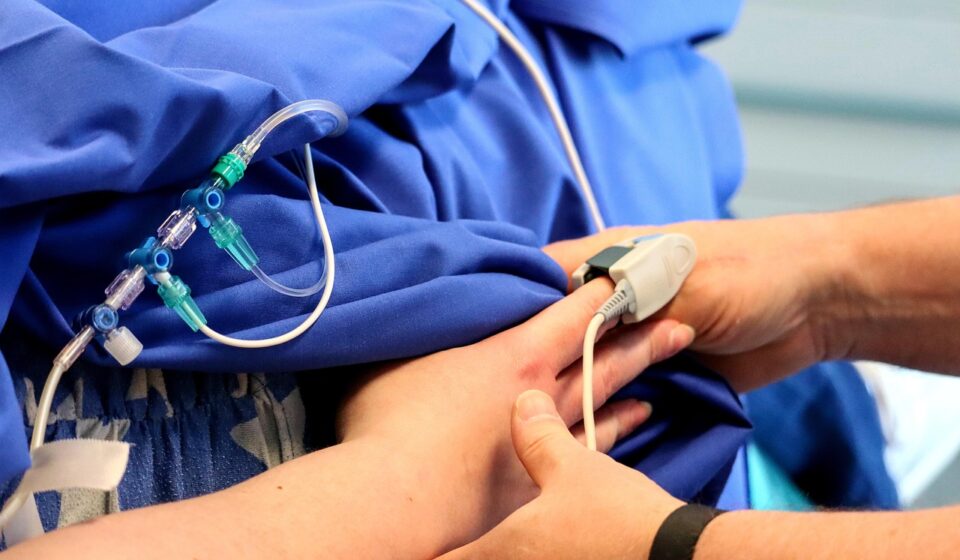
Pulse oximetry is central to modern oxygen care because it gives clinicians a fast estimate of oxygen saturation. It also shows why a useful technology can become clinically risky when its limits are ignored. The FDA states that pulse oximeters estimate blood oxygen saturation and pulse rate, and that readings should be considered alongside symptoms and clinical context. The agency also lists factors that can affect accuracy, including poor circulation, skin pigmentation, skin thickness, skin temperature, tobacco use and fingernail polish. (fda.gov)
In January 2025, the FDA issued draft guidance intended to improve the accuracy and performance testing of pulse oximeters for medical purposes across a range of skin pigmentations. That action followed years of concern that some pulse oximeters can overestimate oxygen saturation in patients with darker skin pigmentation. (fda.gov)
The practical implication is not that pulse oximetry should be dismissed. Oxygen monitoring should instead be designed with safeguards. Clinicians and home-care teams need to understand when a number may be unreliable, how to confirm deterioration, when arterial blood gas testing or other assessment is needed, and how remote monitoring alerts are triaged. Connected oxygen care should not turn uncertain sensor data into automatic confidence.
Home oxygen is where technology and human factors collide
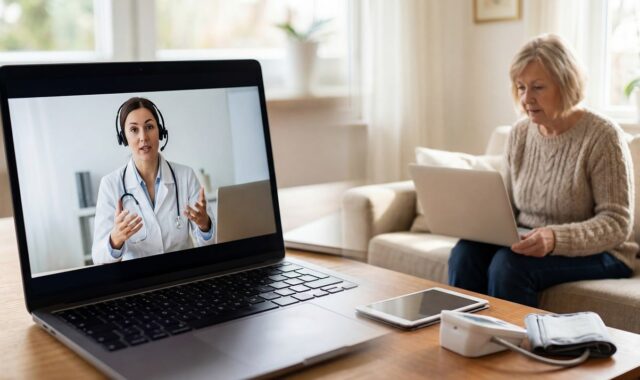
More oxygen care is taking place outside hospitals, where patients and caregivers manage equipment in bedrooms, vehicles and public spaces. Portable oxygen concentrators, stationary concentrators, cylinders and conserving devices can improve mobility and support chronic respiratory care. But the home environment introduces risks that hospital engineering teams do not fully control: electrical access, cluttered tubing, smoking exposure, battery charging habits, pets, travel, caregiver availability and misunderstanding of device alarms.
ECRI placed unmet technology support needs for home-care patients at number two in its 2025 health technology hazards list. In the same list, it identified fire risk in areas where supplemental oxygen is in use as a major hazard. (home.ecri.org)
That pairing is important. Fire risk is not only a patient behavior issue, and home support is not only a customer-service issue. Both are technology governance issues. A safer home oxygen program should document whether the patient understands prescribed flow, backup supply, alarm response, cleaning, tubing placement, travel restrictions and fire precautions. It should also give caregivers a clear route for urgent support when equipment fails or symptoms worsen. See also: clinical equipment.
- Use oxygen only under medical direction and according to the prescribed settings.
- Confirm whether the device is intended for continuous flow, pulse dose, transport or stationary use.
- Keep oxygen equipment away from flames, smoking materials and heat sources.
- Track symptoms as well as pulse oximeter readings, especially when readings do not match how the patient feels.
- Maintain a backup plan for power outages, device failure and travel.
What decision-makers should compare before investing
Hospitals and care programs often compare oxygen devices by capacity, price and vendor availability. Those factors matter, but they are not enough. A better comparison includes resilience, maintenance burden, service response, training needs, data quality and integration with clinical escalation pathways.
| Decision question | Why it should be asked |
|---|---|
| What happens during a power failure? | Concentrators and digital monitoring depend on electricity, so backup supply and battery planning are central to safety. |
| How is performance verified after installation? | Pipeline and source systems require testing, commissioning and documentation, not only delivery of components. |
| Who responds when the device alarms at home? | Home oxygen safety depends on reachable support, patient education and clear escalation rules. |
| How are pulse oximeter limitations handled? | Skin pigmentation, perfusion and other factors can affect readings, so staff need protocols for uncertain data. |
| Does the supplier provide maintenance evidence? | Oxygen equipment can fail quietly if filters, sensors, batteries, regulators or accessories are neglected. |
The value of this comparison is operational. It turns oxygen planning from a purchase decision into a risk-control decision. For example, a hospital choosing between bulk supply upgrades and on-site production should model peak demand, maintenance downtime, staff capability and emergency logistics. A home-care program choosing connected concentrators should evaluate not only wireless features, but also who receives alerts, how false alarms are managed, and whether the data improves care decisions.
A short timeline of recent oxygen technology signals
February 2023: WHO published materials on foundations of medical oxygen systems, organizing oxygen access around sources, distribution, regulation, delivery and monitoring. (who.int)
June 22, 2023: WHO issued a statement on access to quality and safe medical oxygen, emphasizing that reliable oxygen requires policy, regulation, training, financing, energy and maintenance, not only equipment procurement. (who.int)
August 12, 2024: CMS DMEPOS Quality Standards took effect with respiratory service requirements that include home oxygen equipment and 24/7 service availability when needed by beneficiaries or caregivers. (edit.cms.gov)
January 7, 2025: FDA issued draft guidance on pulse oximeters for medical purposes, proposing updated performance testing, labeling and premarket recommendations related to accuracy across skin pigmentations. (fda.gov)
2025: ECRI listed fire risk where supplemental oxygen is in use and unmet home-care technology support needs among its top health technology hazards, highlighting the safety burden created when oxygen care moves beyond controlled clinical environments. (home.ecri.org)
2026: ISO’s page for ISO/FDIS 7396-1 describes a final draft international standard for medical gas pipeline systems, reinforcing the continued importance of design, installation, testing, commissioning and documentation for oxygen infrastructure. (iso.org)
Frequently asked questions
Is medical oxygen a medicine or a medical technology?
In practical terms, it is both. WHO identifies oxygen as an essential medicine, but safe delivery depends on medical devices, power, storage, distribution, monitoring and trained users. That is why oxygen access and oxygen safety are technology-management issues as well as clinical issues.
Are oxygen concentrators the same as oxygen cylinders?
No. A concentrator produces oxygen-enriched gas from ambient air, while a cylinder stores compressed oxygen. Concentrators reduce dependence on cylinder logistics but depend on power and maintenance. Cylinders can serve as a primary or backup supply but require storage, handling and refill logistics.
Can pulse oximeters be trusted for oxygen decisions?
Pulse oximeters are useful, but they estimate oxygen saturation and can be affected by several patient and environmental factors. The FDA advises considering readings with symptoms and clinical context. In high-risk situations, clinicians may need confirmatory assessment rather than relying on a single number.
Why is fire safety repeatedly discussed with oxygen equipment?
Oxygen supports combustion, so oxygen-rich environments make fires more dangerous even though oxygen itself is not a fuel. Smoking, open flames, heat sources and poor equipment placement can create serious risk in hospitals and homes.
What is the biggest mistake in oxygen technology planning?
The biggest mistake is treating oxygen as a single device purchase. A safe oxygen program needs source capacity, distribution integrity, patient monitoring, maintenance, training, backup planning and incident review. The system is only as strong as its weakest operational link.
The bottom line for healthcare technology teams
Oxygen healthcare technology is becoming more connected, more regulated and more dependent on human factors. The strongest programs will not simply buy newer concentrators, sensors or pipeline components. They will map the full oxygen pathway, verify performance, train users, plan for failures and interpret monitoring data carefully. In that sense, oxygen is a useful test of healthcare technology maturity: it shows whether an organization can connect infrastructure, devices, clinical practice and patient safety into one working system.