Clinical supply planning for medical equipment teams
Clinical supply is part of equipment readiness
Clinical supply planning is the disciplined management of the consumables, accessories, infection-control items, and device-specific materials needed to use medical equipment safely. For equipment teams, it is not just a purchasing task. It connects device selection, storage, use, cleaning, replenishment, traceability, and shortage response.
A monitor without electrodes, an infusion pump without compatible tubing, or a respiratory device without the correct filter can become unavailable at the point of care even if the device itself is working. Public FDA shortage information in 2026 continued to show that supply disruption can affect items such as gowns, respirators, gloves, filters, infusion products, and diagnostic components, not only large capital devices. For readers following broader clinical equipment topics, the practical question is direct: how should teams manage clinical supply so equipment remains usable, compliant, and ready for patients?
What counts as clinical supply in an equipment-heavy setting
The phrase clinical supply is broad, and its meaning depends on the care setting. In medical equipment operations, it usually refers to the supplies required to deliver care, operate devices, protect staff and patients, or maintain required levels of cleanliness and traceability. It may include single-use disposables, sterile packs, device accessories, test materials, cleaning and disinfection products, and protective equipment.
A useful way to define the scope is to ask whether the item directly affects clinical care or the safe use of equipment. If it does, it belongs in the clinical supply control system, even if it is inexpensive, small, or frequently replaced. Examples include electrodes for ECG monitoring, ultrasound probe covers, ventilator tubing, anesthesia breathing circuits, suction canisters, infusion sets, syringes, specimen collection items, high-level disinfectants, sterile drapes, gloves, gowns, masks, filters, batteries for clinical devices, printer paper used for diagnostic output, and labels required for traceability.
This definition also helps prevent a common error: treating clinical supplies as generic stock. Some items can be substituted with minimal risk, but others are tied to equipment compatibility, infection-control instructions, regulatory labeling, software workflows, or a validated clinical process. A replacement filter, cable, sensor, reagent, or tubing set may look similar to another product but perform differently when connected to a specific device or used in a specific care environment.
Why supply planning cannot be separated from equipment readiness
Equipment readiness is often measured by whether a device has been purchased, installed, inspected, and confirmed to function. That view is incomplete. A device is clinically ready only when the full use pathway is available: trained staff, correct accessories, required consumables, validated cleaning steps, maintenance materials, and documentation. Clinical supply planning makes those dependencies visible before a shortage disrupts care.
Consider an infusion pump fleet. The pumps may pass preventive maintenance and remain in excellent condition, but a shortage of compatible administration sets can reduce usable capacity. The same principle applies to respiratory care, where circuits, bacterial or viral filters, humidification items, and masks may determine how many devices can actually support patients. Diagnostic platforms can face similar constraints if reagents, specimen materials, printer media, or calibration materials are limited.
Infection control adds another layer. CDC guidance for healthcare facilities emphasizes standard disinfection and sterilization procedures for patient-care equipment and gives specific recommendations for semicritical devices, including high-level disinfection of certain probes even when protective covers are used. In practical terms, supply planning must account for the consumable products that make those procedures possible. If wipes, disinfectants, sterile containers, probe covers, test strips, or reprocessing accessories run short, equipment may be present in the facility but restricted in use.
A practical control map for clinical supply risk
Not every supply item needs the same level of oversight. Strong programs classify items by care criticality, device dependency, substitution risk, and shortage exposure. This helps teams avoid overmanaging low-risk items while giving high-risk supplies the attention they require.
| Supply area | Operational risk | Recommended control |
|---|---|---|
| Device-specific disposables | Equipment may be unusable without compatible items | Maintain approved item lists by device model and review substitutions before purchase |
| Sterile and invasive-use supplies | Patient safety risk if sterility, expiration, or packaging integrity is compromised | Use first-expire-first-out rotation, lot tracking, and restricted storage access |
| Infection-control supplies | Cleaning, disinfection, or isolation processes may be delayed | Set minimum par levels based on actual usage and reprocessing cycle needs |
| Diagnostic and testing materials | Testing capacity may fall even when equipment is functional | Track reagent, specimen, calibration, and quality-control dependencies together |
| PPE and protective barriers | Staff safety and procedure availability may be affected | Plan by care area, exposure risk, size range, and burn rate rather than by total units only |
| Maintenance-related consumables | Preventive maintenance or service return may be delayed | Coordinate biomedical engineering stock with clinical inventory and service schedules |
The table should be treated as a living control map, not a one-time list. New equipment, new care pathways, product discontinuations, recalls, and changes in patient volume can all move a supply item from low concern to operationally critical.
Traceability, labeling, and data quality matter
Traceability is one of the main differences between general purchasing and clinical supply management. Many device-related supplies carry lot numbers, serial numbers, expiration dates, catalog numbers, unique device identifiers, or other labeling that may be needed for recall response, adverse-event review, maintenance history, or clinical documentation.
In the United States, the FDA unique device identification system was designed to identify medical devices through distribution and use. FDA materials describe a unique device identifier as including a fixed device identifier and, when present, variable production information such as lot or batch number, serial number, expiration date, or manufacturing date. FDA also describes label presentation in readable text and machine-readable form for many devices and device packages. For clinical supply teams, the operational lesson is straightforward: labels are not administrative clutter. They are part of the safety record.
Good data practices reduce risk during recalls and shortages. At a minimum, teams should maintain accurate item descriptions, manufacturer and catalog details, approved substitutes, expiration dates, storage requirements, and device compatibility notes. Where barcode scanning is available, it should be used consistently at receiving, storage, point of use, and return or disposal. If scanning is not available, a controlled manual process is still better than relying on informal names or staff memory.
Data quality also affects financial decisions. A low-cost disposable may be the limiting factor for a high-value device line. Without item-level usage data, purchasing teams may miss the true cost of equipment ownership or underestimate the impact of a supply disruption.
Shortage planning should begin before the shortage
Shortage planning works best before a product becomes difficult to source. FDA medical device shortage information has shown that disruption can involve products that look routine on a shelf but are essential in care delivery. Entries dated March 13, 2026, included examples such as surgical gowns, masks, N95 respirators, specialty medical gloves, breathing-circuit filters, hemostatic products, infusion-related products, thermometers, and diagnostic assay materials. The listed reasons included discontinuance, allocation, portfolio simplification, low sales volume, and component-related issues. The lesson is that shortage risk is not limited to highly complex equipment. See also: Buying Guides.
A practical shortage workflow should include five steps. First, identify critical items by care area and device dependency. Second, document approved alternatives before they are needed. Third, define who can authorize substitutions, because clinical, infection-control, biomedical engineering, and purchasing input may all be necessary. Fourth, monitor burn rate during unusual demand rather than relying only on reorder points set during normal operations. Fifth, communicate early with frontline teams so conservation measures are not improvised at the bedside.
Substitution is where many supply programs become unsafe. A substitute should be reviewed for device compatibility, intended use, sterility, size, material, connector type, cleaning compatibility, regulatory status, packaging, labeling, and staff training implications. In some cases, a substitute can be used immediately. In others, it may require validation, procedure updates, additional education, or restriction to specific care areas.
Emergency management expectations also support this approach. The Joint Commission materials effective January 1, 2025, referenced medical and surgical supplies and coordination with local supply chains or vendors as part of emergency preparedness expectations for certain care settings. Even outside accredited organizations, the management principle is useful: supply continuity should be planned as an operational resilience issue, not handled only after shelves are already empty.
Storage and infection-control practices protect supply value
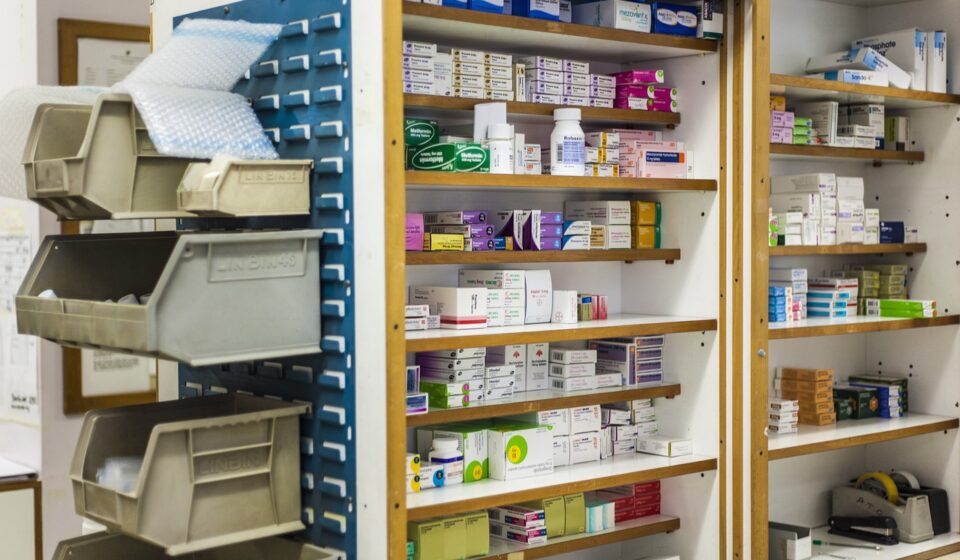
Buying the correct supply is only the beginning. Storage and handling determine whether it remains usable. Clinical supplies may be affected by temperature, humidity, dust, water exposure, crushing, sunlight, package damage, expiration, or unauthorized opening. Sterile packaging is especially vulnerable because the item may look acceptable while the barrier has been compromised.
Basic controls can prevent waste and safety problems. Separate sterile, clean, and soiled flows. Keep supplies off floors and away from sinks or splash zones. Use clear bin labels that match the item master, not informal nicknames. Rotate stock by expiration date. Remove expired or damaged items promptly. Restrict access to high-risk items. Match storage locations to actual use patterns so staff do not create hidden workarounds in procedure rooms, carts, or cabinets.
Cleaning products deserve particular attention. CDC recommendations caution against routine disinfectant fogging in patient-care areas and emphasize appropriate cleaning, disinfection, and sterilization procedures for patient-care equipment. Supply teams should avoid stocking products simply because they sound powerful or convenient. The product must match the device manufacturer instructions, facility policy, exposure time, surface compatibility, and staff safety requirements.
Supply integrity is also a training issue. Frontline staff should know how to identify damaged packaging, expired stock, incorrect substitutions, and missing device accessories. Biomedical engineering and infection-prevention teams should have a clear path to flag supply problems that affect device performance or reprocessing.
Frequently asked questions
Is clinical supply the same as medical equipment procurement?
No. Medical equipment procurement focuses on selecting and acquiring devices. Clinical supply planning manages the consumables, accessories, protective items, and documentation controls that keep those devices usable in care delivery. The two functions should be coordinated because equipment choices often create long-term supply dependencies.
Which clinical supplies should receive the highest priority?
Highest priority should go to items that directly affect patient safety, infection control, emergency care, device operation, or procedure availability. Device-specific disposables, sterile supplies, respiratory items, invasive-use materials, critical PPE, diagnostic reagents, and products with limited substitutes usually need stronger controls than general-use supplies.
How often should a clinical supply list be reviewed?
A routine review should occur at least annually, but high-risk areas may need quarterly or monthly review. A review should also be triggered by new equipment, new procedures, recalls, product discontinuations, infection-control updates, unusual demand, or a shortage notice.
What is the most common weakness in clinical supply planning?
The most common weakness is treating supplies as interchangeable commodities. Many items are tied to device compatibility, sterility, reprocessing instructions, labeling, or staff workflow. A safe program documents approved products and substitutes before an urgent need arises.
How can small clinics improve clinical supply control without complex software?
Small clinics can start with a controlled item list, minimum and maximum stock levels, expiration checks, clear storage labels, approved substitute notes, and a monthly review of high-risk items. Even a simple spreadsheet can improve readiness if responsibilities and review dates are clear.