AeroCare home medical equipment explained for patients and providers

What AeroCare means in home medical equipment
AeroCare home medical equipment is commonly encountered as a home medical equipment and respiratory-care supplier name within AdaptHealth’s network. Patients may see AeroCare, AdaptHealth, a local supplier name, or a different billing entity on referrals, delivery forms, or insurance documents. The practical question is not only whether a device is available. Patients, caregivers, and providers also need to confirm that the equipment is medically ordered, covered, delivered safely, maintained, and supported after setup. Public Medicare guidance treats many items in this category as durable medical equipment, meaning they are used at home, ordered for a medical reason, can withstand repeated use, and are expected to last at least three years. This article explains what the name may mean on a referral, which equipment categories are commonly involved, how Medicare and insurance affect ordering, and what safety checks should happen before equipment enters the home.
The name can appear in several forms. AdaptHealth announced on February 1, 2021 that it had completed the acquisition of AeroCare Holdings Inc., and later company materials have continued to list AeroCare-related entities among the AdaptHealth family of companies. In daily use, a patient may see AeroCare, AdaptHealth, or another local company name depending on the branch, billing system, delivery paperwork, or payer arrangement. That naming issue matters because patients should verify the exact supplier, insurance network status, and billing entity before accepting equipment.
This guide is an educational overview for patients, caregivers, discharge planners, and equipment buyers. It is not a recommendation of a specific supplier and does not replace medical advice, payer instructions, or a written order from a licensed clinician. For broader coverage of home-use and facility-to-home devices, visit our clinical equipment section.
Equipment categories and clinical fit
Home medical equipment, often shortened to HME, is broader than the Medicare term durable medical equipment, or DME. HME is industry language for equipment and related services used outside a hospital or clinic. DME is a benefit category with specific coverage rules. A single supplier may handle both the device and the service process, including order intake, insurance verification, delivery, setup, instruction, maintenance, resupply, and retrieval when rental equipment is no longer needed.
Public company materials and acquisition disclosures describe AeroCare’s historical focus as respiratory and HME distribution, including CPAP and BiPAP machines, oxygen concentrators, home ventilators, and other durable medical equipment. AdaptHealth’s current public materials organize its business around areas such as sleep health, respiratory health, and wellness at home. This does not mean every branch offers every item, or that every item is covered for every patient. It does explain the usual search intent behind AeroCare: people want to know which supplier name is involved, what equipment they are receiving, and what obligations come with it.
| Equipment area | Common examples | Practical questions before setup |
|---|---|---|
| Sleep therapy | CPAP, BiPAP, masks, tubing, humidifier chambers, filters | Is there a valid sleep study or prescription, and what is the resupply schedule? |
| Respiratory care | Oxygen concentrators, portable oxygen equipment, nebulizers, ventilatory support | What are the liter-flow settings, backup plans, fire precautions, and emergency contacts? |
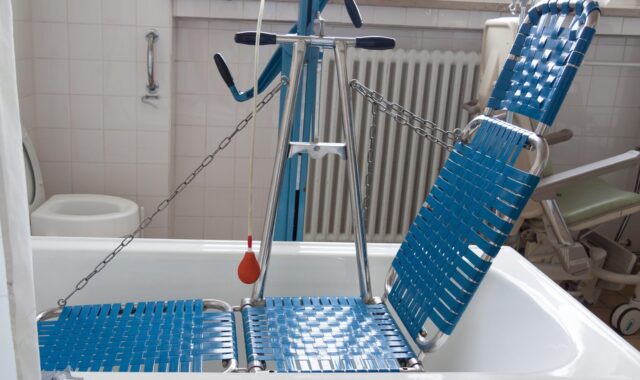
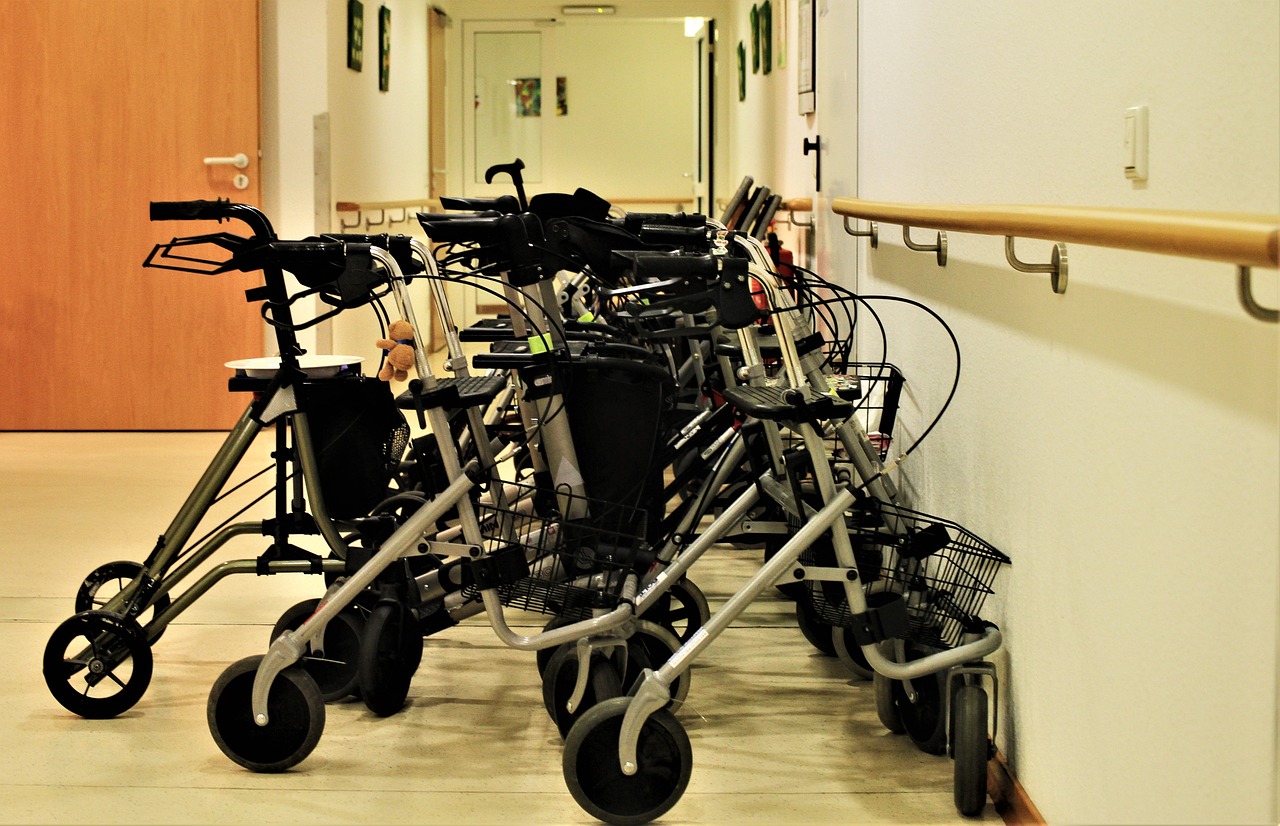
| Mobility and home support | Walkers, wheelchairs, hospital beds, commodes, bathroom safety items | Will the device fit the home layout, doorways, flooring, and caregiver workflow? |
| Supplies linked to equipment | Replacement masks, cushions, filters, cannulas, batteries, accessories | Which items are disposable, which are rented, and which require prior authorization? |
The clinical fit should drive the equipment choice. A compact oxygen concentrator may be convenient, but it must match the prescribed oxygen requirement. A CPAP device may include advanced features, but therapy success often depends on mask fit, humidity, cleaning routines, adherence monitoring, and follow-up. A hospital bed may reduce transfer risk, but only if the mattress, side rails, lift access, and caregiver training are appropriate for the home.
Coverage, documentation, and payer checks
For Medicare beneficiaries, Medicare Part B covers medically necessary DME when a doctor or other eligible health care provider orders it for home use. Medicare’s public guidance also emphasizes supplier requirements: the supplier should be enrolled in Medicare, and patients should ask whether the supplier participates in Medicare or accepts assignment. If the supplier accepts assignment, the usual Medicare structure is that the patient pays the Part B deductible and then 20% of the Medicare-approved amount for covered DME.
Private insurance, Medicare Advantage, Medicaid, and workers’ compensation plans may apply different network rules, prior authorization requirements, rental periods, deductibles, copays, and replacement schedules. A referral to an HME supplier should not be treated as automatic financial approval. Patients should ask for a written estimate, confirm whether the item is rented or purchased, and clarify whether accessories are billed separately.
- Confirm the order. The prescription or written order should identify the device type, settings when applicable, duration of need, and supporting diagnosis.
- Check network status. A supplier may be clinically appropriate but out of network for a particular plan.
- Ask about assignment or allowed amounts. For Medicare, this affects how much the patient can be charged for covered items.
- Separate device cost from supply cost. PAP masks, filters, oxygen tubing, and other accessories may follow different replacement schedules.
- Clarify rental conversion. Some DME is rented first and may become patient-owned only after a defined number of payments.
- Keep delivery and return records. Serial numbers, delivery dates, pickup receipts, and signed forms can help prevent later billing disputes.
Many complaints about home medical equipment are not about the device itself. They arise from unclear billing, recurring shipments, network misunderstandings, or missing documentation. A strong intake process should make the patient’s obligation understandable before equipment is delivered, not weeks later when an invoice arrives.
Home safety and setup questions
The FDA describes home-use medical devices as devices intended for use outside a professional health care facility by a patient, caregiver, or family member. That shift from clinic to home changes the risk profile. Hospitals control power, space, cleaning, trained staff, alarms, and emergency procedures. Homes vary widely in wiring, ventilation, pets, clutter, temperature, humidity, lighting, caregiver availability, and emergency readiness.
Before accepting delivery, patients and caregivers should prepare the home around the device rather than simply find an empty corner. This is especially important for respiratory devices, oxygen equipment, ventilatory support, and powered mobility devices.
- Power and backup planning: Identify grounded outlets, avoid unsafe extension cords, and ask what happens during a power outage.
- Oxygen fire safety: Keep oxygen away from smoking, open flames, sparks, petroleum-based products, and heat sources. Ask the supplier for written fire-safety instructions.
- Space and access: Measure doorways, halls, bedside space, and bathroom entry points before delivery of beds, wheelchairs, or lifts.
- Cleaning and infection control: Confirm which parts are washable, which are disposable, and how often filters, tubing, masks, or humidifier chambers should be replaced.
- Alarm awareness: Caregivers should know what device alarms sound like, what each alarm means, and when to call the supplier or emergency services.
- Trip prevention: Tubing, cords, loose rugs, and poorly lit rooms can turn a helpful device into a fall hazard.
- Children and pets: Tubing, cords, buttons, and accessories should be protected from chewing, pulling, or accidental setting changes.
A safe setup also includes teach-back. After instruction, the patient or caregiver should be able to explain how to turn the device on and off, clean it, identify common problems, contact support, and respond to an urgent situation. If they cannot, the setup is not complete.
Policy and market context as of October 2026
AeroCare sits inside a larger home-based care market shaped by consolidation, payer rules, discharge pressure, and Medicare policy. The 2021 AeroCare acquisition placed the brand within AdaptHealth, a national HME organization. AdaptHealth’s 2026 public materials describe its focus on sleep health, respiratory health, and wellness-at-home services, with diabetes-related operations subject to an announced divestiture agreement in July 2026. For searchers, the key takeaway is that supplier names may change faster than patient habits; older referral language can remain in circulation even after corporate transactions. See also: Buying Guides.
Medicare policy is another moving part. CMS states that the DMEPOS Competitive Bidding Program has been in a temporary gap period since January 1, 2024 after prior Round 2021 contracts for certain off-the-shelf braces expired on December 31, 2023. CMS and the Competitive Bidding Implementation Contractor have also published Round 2028 materials. On October 7, 2026, CMS announced that bidder registration for Round 2028 is scheduled to open on December 1, 2026, with the bid window scheduled for January 5, 2027. Round 2028 contract performance is described in CMS materials as running from January 1, 2028 through December 31, 2030.
| Date | Event | Why it matters for HME users |
|---|---|---|
| February 1, 2021 | AdaptHealth announced the completed acquisition of AeroCare Holdings Inc. | Patients may see AeroCare and AdaptHealth names connected to the same supplier network. |
| January 1, 2024 | CMS described a temporary gap period in the DMEPOS Competitive Bidding Program. | Payment and supplier rules can change by item category and program period. |
| October 7, 2026 | CMS announced Round 2028 registration and bid-window timing. | Suppliers preparing to bid need updated compliance and operational planning. |
| January 1, 2028 | CMS materials identify the expected start of Round 2028 contract performance. | Affected product categories may see new contract-supplier rules and transition planning. |
Round 2028 materials list product categories such as Class II continuous glucose monitors and insulin pumps, hydrophilic urinary catheters, ostomy supplies, off-the-shelf braces, and urological supplies. Oxygen and PAP devices are not listed in those Round 2028 product categories in the CMS materials reviewed for this article, so patients should avoid assuming that one policy update applies to every type of HME. The better approach is item-specific verification.
Supplier evaluation checklist
Whether the supplier name is AeroCare, AdaptHealth, or another HME company, the evaluation should be structured around patient risk and documentation. A supplier can be large, local, convenient, or insurance-approved and still require careful verification. Discharge teams should not treat equipment delivery as the final step; it is the beginning of home-based device use.
- Identify the exact supplier. Match the branch name, billing name, phone number, and payer network listing.
- Confirm the prescribed equipment. Device type, accessories, settings, and clinical purpose should match the order.
- Request a cost explanation. Ask what is covered, what is estimated, what is rented, and what may be billed later.
- Document delivery condition. Record the serial number, accessories received, setup date, and missing items.
- Ask about service response. For respiratory equipment, know the after-hours number and replacement process for malfunctioning equipment.
- Review resupply consent. Recurring supplies should match clinical need and payer rules, not an automatic shipment pattern the patient does not understand.
- Plan for transitions. If the patient changes insurance, moves, enters hospice, or no longer needs equipment, ask how returns and billing termination work.
- Escalate unresolved issues. Keep records of calls, names, dates, claim numbers, and written communications.
The most useful supplier is not simply the one that delivers fastest. It is the one that can connect the clinical order, payer authorization, device training, home safety, maintenance, and billing transparency into one understandable process.
Frequently asked questions
Is AeroCare the same as AdaptHealth?
AeroCare Holdings Inc. became part of AdaptHealth after the acquisition closed on February 1, 2021. Patients may still see AeroCare-related names on local paperwork, delivery forms, or bills. The safest step is to verify the exact supplier and billing entity on your documents.
Does Medicare cover all AeroCare home medical equipment?
No. Medicare coverage depends on the item, medical necessity, written order, supplier enrollment, and coverage rules. Some items may be rented, some may be purchased, and some accessories may follow separate replacement limits.
Can a patient choose a different HME supplier?
Often yes, but the choice depends on the insurance network, item availability, prescription transfer rules, Medicare participation, and local service coverage. Patients should ask their clinician or discharge planner for alternatives if cost, timing, or support is unclear.
What should I check before accepting oxygen or PAP equipment at home?
Confirm the prescription, settings, accessories, cleaning instructions, replacement schedule, power needs, emergency contact, and billing terms. For oxygen, ask for written fire-safety guidance. For PAP therapy, ask how mask fit, adherence data, humidification, and resupply will be handled.
Why do HME supplier names change on paperwork?
Home medical equipment companies often operate through acquired local brands, legal entities, branch names, and payer-specific billing systems. A name change does not automatically mean the order is wrong, but it does make verification important before signing forms or paying invoices.