Hospital bed buying guide for hospitals, nursing facilities, and home care
Start with the care setting, not the product label
A hospital bed should be specified as a complete bed system, not just as a frame. The right choice depends on where the bed will be used, who will use it, how often the patient will be repositioned, whether side rails are clinically justified, and which mattress or support surface will be installed. For U.S. buyers, an AC-powered adjustable hospital bed is treated as a medical device under 21 CFR 880.5100 and is classified as Class II with special controls. Safety documentation, compatible accessories, and maintenance support therefore belong in the buying decision from the start.
Before discussing price, a practical purchase specification should answer five questions: What patient population is this bed for? What weight and width range must it safely support? What fall, entrapment, skin injury, and caregiver-handling risks must be reduced? What cleaning process will the facility use? What evidence does the supplier provide for standards, testing, and accessory compatibility? For more equipment selection articles, visit the Buying Guides section.
Compare common hospital bed types
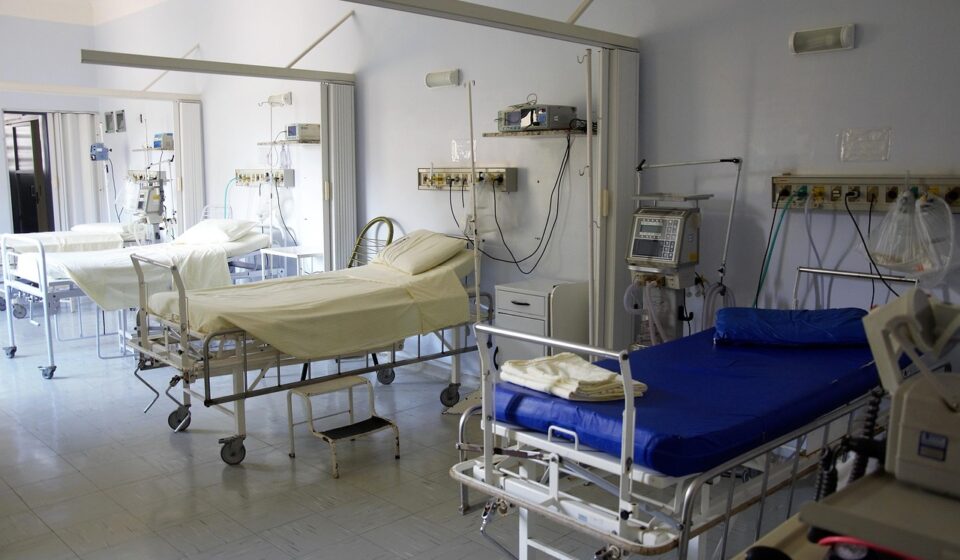
Hospital bed categories often overlap, and manufacturers may use different names for similar configurations. A low bed can also be fully electric. A bariatric bed may be used in acute care or long-term care. A home-care bed may offer hospital-style adjustments but use different accessories and service arrangements. Buyers should compare the intended use statement and technical file, not just the product name.
| Bed type | Typical use | Key buying considerations |
|---|---|---|
| Manual adjustable bed | Basic care where staff can adjust height or sections manually | Lower complexity, but more caregiver effort and less convenient repositioning |
| Semi-electric bed | Home care or lower-acuity settings | Confirm which functions are powered and which require manual operation |
| Fully electric medical bed | Hospitals, nursing facilities, rehabilitation, and home care | Review height range, deck articulation, hand controls, emergency lowering, battery backup, and service support |
| Low hospital bed | Patients at fall risk when a lower deck height is clinically useful | Check minimum deck height, brake design, staff ergonomics, and transfer height |
| Critical care or ICU bed | High-acuity care, frequent monitoring, complex positioning | May include scale, bed-exit functions, advanced positioning, radiolucent access, and integration features |
| Bariatric bed | Patients requiring higher safe working load or wider sleep surface | Match the rated load, width, transfer space, lifts, commodes, chairs, and door clearance |
| Long-term care or home-care bed | Extended use outside acute hospital rooms | Balance comfort, cleanability, side rail assessment, caregiver access, and residential power constraints |
The safest procurement approach is to write the request for proposal around use cases. A rehabilitation unit, for example, may value easy transfer height, mobilization support, and durable casters more than advanced ICU functions. A long-term care facility may need stronger documentation around bed rail assessment, mattress fit, and cleaning responsibility. A home-care buyer may place more weight on quiet motors, simple controls, and reliable local servicing.
Safety and compliance checkpoints buyers should verify
Marketing brochures usually highlight comfort and adjustability, but medical bed purchasing should begin with documented safety. Ask for the exact model number, intended use, user manual, accessory list, test reports or declarations of conformity, warranty terms, preventive maintenance schedule, and cleaning instructions. If the bed will be used in the United States, confirm the applicable FDA product classification and whether the model is listed or cleared as required for its intended use.
Entrapment and side rail compatibility
The FDA’s hospital bed entrapment guidance treats the bed as a system that includes the frame, mattress, side rails, head and foot boards, and accessories. This is important because a safe frame can become unsafe if it is paired with an incompatible mattress or add-on rail. The FDA guidance identifies potential entrapment zones and recommends dimensional assessment methods to reduce risks involving the head, neck, and chest.
Do not purchase side rails as generic accessories unless the supplier documents compatibility with the specific bed and mattress combination. The Joint Commission has also emphasized that side rails can be considered a restraint depending on how they are used and whether they restrict a patient’s freedom to exit the bed. In long-term care, CMS guidance for nursing facilities requires assessment of alternatives, risks, benefits, correct installation, use, and maintenance before bed rails are installed or used.
Electrical and mechanical safety
For powered beds, ask which medical electrical safety standards apply. IEC 60601-1 covers general basic safety and essential performance for medical electrical equipment, while IEC 60601-2-52 is the bed-specific standard for medical beds intended for adults. FDA’s recognized consensus standards database includes IEC 60601-2-52 Edition 1.1:2015 for medical beds. Buyers should not simply ask whether a bed is “CE” or “FDA compliant”; they should ask for the exact standards, edition, laboratory, and scope of testing.
Operational safety features to verify include central or individual wheel brakes, lockout controls for staff, emergency stop or quick-release functions where applicable, battery backup for critical adjustments, cable routing, safe working load, side rail latch integrity, caster performance, and clear alarm behavior. If the bed has connectivity, scale, exit alert, or nurse-call integration, involve biomedical engineering and IT security teams early.
Cleaning and infection-control fit
Hospital beds are high-touch equipment. CDC environmental cleaning guidance treats items such as bed rails and bed frames as surfaces that require routine cleaning and disinfection according to the risk level and manufacturer instructions. Before purchase, infection prevention and environmental services teams should review whether the bed has seams, textured areas, exposed fasteners, difficult underside geometry, fabric components, or electronic parts that complicate cleaning.
A useful check is to ask the vendor to demonstrate cleaning between patients using the facility’s approved disinfectants and expected contact times. If the mattress cover, control pendant, side rail panel, or brake pedal cannot tolerate the facility’s disinfectant, the procurement team has identified a likely service-life problem.
Match the mattress, width, and safe working load to real patients
The mattress is not only a comfort accessory. It affects skin protection, side rail gaps, transfer stability, and bed articulation. NICE pressure ulcer guidance recommends pressure-redistributing mattresses for people at high risk of pressure ulcers and high-specification foam mattresses for adults admitted to secondary care. For buyers, the key lesson is that the support surface should be selected from the patient risk profile, not bundled automatically with the lowest-priced frame.
Pressure injury risk, moisture, shear, mobility, weight, cognition, and length of stay should influence support surface selection. Some patients may require a high-specification foam mattress; others may need a dynamic surface such as alternating pressure or low-air-loss technology. Every mattress change, however, must preserve side rail and frame compatibility. A thicker or softer surface can alter rail gaps and increase entrapment risk if it was not validated as part of the bed system. See also: clinical equipment.
Safe working load also needs careful review. It is not the same as patient weight in every specification because it may include the patient, mattress, accessories, linens, and equipment mounted to the bed. Bariatric procurement should also account for the surrounding environment: room layout, door width, lift compatibility, commode and chair capacity, toilet access, staff workflow, and transport routes. OSHA and NIOSH safe patient handling materials both emphasize that equipment selection and mechanical assistance are central to reducing caregiver injuries during lifting, repositioning, and transfers.
Features worth specifying and features to question
A hospital bed specification should separate essential functions from attractive but underused options. In most settings, the most valuable features are those that reduce known clinical and operational risks: falls, entrapment, pressure injury, caregiver strain, cleaning failure, maintenance downtime, and user error.
- Height adjustment: Low position may help reduce injury risk from bed exits for some patients, while adjustable working height supports safer staff care and transfers.
- Backrest and knee-break positioning: These functions support comfort, respiratory positioning, feeding, hygiene, and clinical care, but they should be easy to lock out when needed.
- Trendelenburg or cardiac chair positions: Specify these only when the care setting and staff training require them.
- Bed-exit alerts: Useful in some fall prevention programs, but they do not replace assessment, rounding, toileting plans, lighting, footwear, and call-bell access.
- Integrated scale: Valuable in critical care or fluid management, but it requires calibration procedures and staff training.
- Under-bed clearance: Important for mobile lifts, cleaning tools, and robotics where used.
- Accessory mounting: IV poles, traction frames, oxygen holders, over-bed tables, and pumps must be compatible and should not create new tipping, cable, or entrapment risks.
- Control design: Hand controls should be understandable for patients and caregivers, with staff lockouts for unsafe positions.
Question features that sound impressive but are not tied to a workflow. Connectivity may be valuable if it integrates reliably with nurse-call, electronic records, asset tracking, or maintenance systems. If it creates another dashboard that staff will not monitor, its clinical value is limited. Advanced positioning is useful only when staff know when to use it and when not to.
A practical hospital bed procurement checklist
The following checklist can help procurement, nursing, biomedical engineering, infection prevention, facilities, and finance teams evaluate hospital bed options consistently.
| Decision area | Questions to ask before purchase |
|---|---|
| Patient population | What acuity level, mobility range, cognitive status, fall risk, pressure injury risk, and body-size range must the bed support? |
| Regulatory status | What is the device classification, product code, intended use, and applicable market authorization or exemption status? |
| Standards | Which editions of IEC 60601-1, IEC 60601-1-2, IEC 60601-2-52, or other standards are claimed, and can the vendor provide documentation? |
| Bed system compatibility | Which mattresses, rails, boards, pendants, and accessories are validated with this exact bed model? |
| Entrapment risk | Has the bed system been assessed using recognized entrapment guidance, and what changes occur with different mattress thicknesses? |
| Cleaning | Are manufacturer cleaning instructions compatible with facility disinfectants, contact times, and terminal cleaning workflow? |
| Maintenance | What preventive maintenance is required, what parts commonly fail, and how quickly are motors, controls, rails, casters, and batteries available? |
| Training | Will staff receive training on controls, lockouts, side rail use, transfers, alarms, cleaning, and troubleshooting? |
| Total cost | Does the budget include mattress, rails, accessories, service tools, spare parts, training, delivery, removal of old beds, and lifecycle maintenance? |
For multi-site purchasing, consider piloting beds in representative units before a full rollout. Include nursing aides, environmental services, biomedical technicians, therapists, and patient safety staff in the evaluation. They often identify issues that are not obvious in a conference-room demonstration, such as brake access, pendant storage, mattress sliding, noise, awkward cleaning surfaces, or poor lift clearance.
Frequently asked questions
What is the most important factor when choosing a hospital bed?
The most important factor is fit for the patient population and care environment. A bed that is appropriate for a short-stay medical-surgical room may not be appropriate for bariatric care, long-term care, rehabilitation, ICU use, or home care. Start with risk assessment and workflow, then compare specifications.
Are side rails always required on a hospital bed?
No. Side rails should be used based on individualized assessment, clinical purpose, and compatibility with the mattress and bed frame. They may help prevent inadvertent rolling in some situations, but they can also create entrapment, climbing, or restraint concerns if used incorrectly.
Is a fully electric hospital bed better than a manual bed?
Not always, but fully electric beds usually provide easier adjustment and may reduce caregiver effort. The decision should consider patient mobility, staff workload, power reliability, maintenance capacity, cost, and whether powered functions are clinically needed.
Can any medical mattress be used with any hospital bed frame?
No. Mattress dimensions, thickness, firmness, edge design, and cover material can affect articulation, patient transfer, pressure redistribution, and side rail gaps. Use only mattress and accessory combinations that the manufacturer identifies as compatible or that have been properly assessed by qualified staff.
What should buyers avoid when comparing hospital beds?
Avoid choosing on frame price alone, relying on vague compliance claims, buying rails separately without compatibility evidence, ignoring cleaning instructions, and assuming that alarms or low height replace a complete fall prevention program. The better purchase is the bed system that can be safely used, cleaned, maintained, and documented over its full service life.