How to choose a medical supply shop near me for safe home care purchases
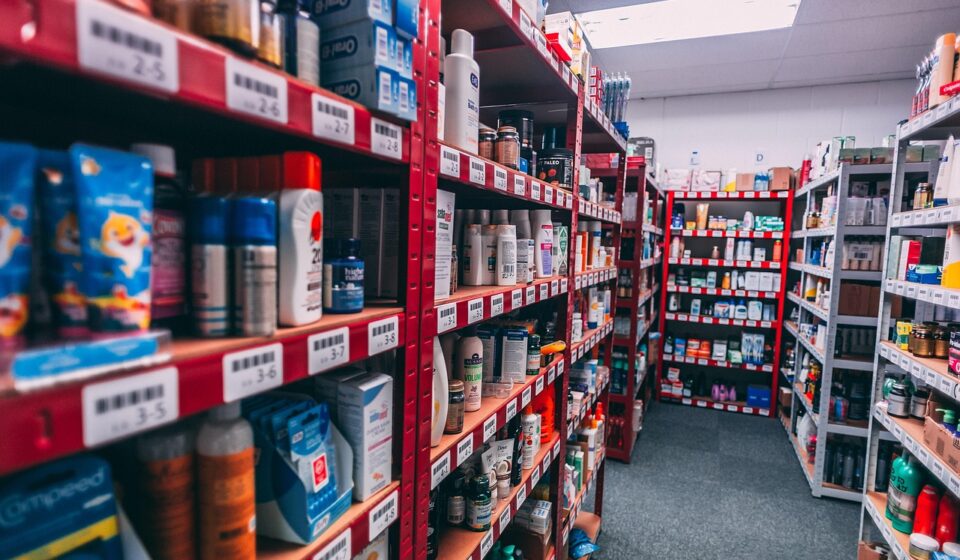
Start with the item, not just the nearest address
When you search for “medical supply shop near me,” the safest choice is not always the closest store on the map. Start with the patient’s clinical need and the exact product category. Then check whether the shop can supply the right item, provide documentation, help with fitting, explain safe use, and support the product after the sale.
A dependable local supplier should be able to tell you whether an item is over the counter, prescription based, rented, reimbursable through insurance, or subject to specific cleaning and maintenance requirements. Proximity still matters, especially for wheelchairs, beds, oxygen-related accessories, wound care supplies, compression garments, and urgent replacements. The better decision is to combine local availability with product traceability, clear policies, and appropriate professional guidance.

This guide is for patients, caregivers, and small care teams comparing nearby suppliers for home care purchases. It is not a substitute for medical advice. Confirm product selection, sizing, and clinical use with a licensed healthcare professional when the item affects treatment, mobility, wound healing, breathing, or monitoring.
Understand what kind of medical supply you are buying
“Medical supplies” is a broad search term. A neighborhood shop may carry disposable gloves, wound dressings, incontinence products, mobility aids, bathroom safety equipment, braces, compression stockings, home diagnostic devices, hospital beds, and replacement parts. These products do not have the same risk level, documentation needs, or return rules.
The U.S. Food and Drug Administration describes medical devices as risk based, with Class I devices generally subject to the least regulatory control and Class III devices subject to the most stringent control. For a buyer, the practical point is simple: a cane, gauze pad, or pill organizer should not be evaluated the same way as a powered mobility product, therapeutic support surface, oxygen accessory, or device used for clinical monitoring.
It helps to separate the shopping list into three groups:
- Routine consumables such as gloves, underpads, tapes, gauze, masks, and skin-prep items.
- Fit-sensitive or instruction-sensitive supplies such as braces, compression garments, wound dressings, ostomy items, and mobility aids.
- Durable medical equipment, often called DME, such as wheelchairs, walkers, hospital beds, patient lifts, and some home respiratory or support equipment.
Medicare.gov describes durable medical equipment as medically necessary equipment for use in the home when coverage conditions are met. That distinction matters. A store that sells general health products is not necessarily a Medicare-enrolled DME supplier that can handle billing, assignment questions, required documentation, and service obligations.
Bring the right information before you visit or call
A few minutes of preparation can prevent many purchasing errors. Before contacting a local shop, collect the details that help the supplier identify the correct product instead of offering a similar-looking substitute.
- The prescription, written order, or clinician recommendation, if one exists.
- The diagnosis or care goal in plain language, such as pressure injury prevention, post-surgery mobility, fall prevention, wound drainage control, or continence support.
- Exact measurements for fit-sensitive items, including height, weight, limb circumference, bed size, door width, and bathroom layout when relevant.
- Brand, model, size, lot number, or reorder number from any item being replaced.
- Insurance card, Medicare information, prior authorization notice, or discharge paperwork if reimbursement may apply.
- Urgency, delivery needs, caregiver availability, and whether training is needed at home.
If the item is for someone leaving a hospital, rehab facility, or skilled nursing setting, ask the discharge planner or clinician to write down the product type and key specifications. A note that only says “walker” may not be enough. The appropriate product may be a front-wheeled walker, rollator, bariatric walker, platform attachment, or a walker within a specific height range.
Check safety, labeling, and product traceability
A reliable medical supply shop should be able to identify what it is selling. For packaged supplies, check the manufacturer name, item number, size, expiration date when applicable, storage condition, and whether the package is sealed. For devices and equipment, ask for the model number, serial number if relevant, warranty terms, user manual, maintenance expectations, and availability of replacement parts.
Be careful with sterile and single-use items
Do not buy opened sterile dressings, products in damaged packaging, expired wound care products, or items with missing lot information. For supplies that touch wounds, mucous membranes, ostomy sites, feeding access points, or respiratory pathways, the consequences of a poor substitute can be more serious than the price difference. If a shop recommends a replacement, ask whether it has the same size, absorbency, adhesive type, material, and intended use.
Ask how used or rental equipment is handled
Some local suppliers rent hospital beds, wheelchairs, knee scooters, patient lifts, and other equipment. Rental can be practical, but the shop should explain its cleaning, inspection, and maintenance process. CDC infection-control guidance emphasizes that caregivers should receive information about hand hygiene, cleaning and disinfection of equipment, and safe storage in the home. For buyers, that means cleaning instructions should not be treated as an afterthought.
Know how to check recalls and alerts
The FDA maintains medical device recall and early alert information, and its recall database can be searched by product name, manufacturer, model, or other identifiers. You do not need to become a regulatory expert before buying routine supplies, but you should keep receipts and product identifiers for equipment, electronic devices, implant-related accessories, respiratory products, and recurring supply orders. If a recall occurs later, those details help you determine whether your product is affected.
Compare insurance, cash price, and service obligations
Price comparison is important, but medical supply pricing can be misleading if you look only at the shelf tag. A cash sale, insurance-billed item, rental contract, and special-order item may come with different obligations and different rights to exchange or return.
CMS materials for DMEPOS suppliers state that suppliers generally must meet DMEPOS Quality Standards and become accredited to obtain and maintain Medicare billing privileges unless an exemption applies. If you plan to use Medicare or another insurer, ask whether the shop is enrolled or in network, whether it accepts assignment where applicable, and what documentation is required before delivery.
| Item type | Questions to ask the shop | Why it matters |
|---|---|---|
| Wheelchairs, walkers, beds, lifts | Is this a purchase or rental? Who handles setup, repair, and pickup? | Large equipment may need fitting, maintenance, and home delivery support. |
| Wound care and ostomy supplies | Is the size, adhesive, barrier, and absorbency equivalent to the clinician’s order? | Small product differences can affect skin protection, leakage, or healing. |
| Compression garments and braces | Who measures the patient, and what happens if the fit is wrong? | Fit affects comfort, adherence, and sometimes safety. |
| Consumables | Are there expiration dates, lot numbers, and case discounts? | Recurring supplies should be traceable and cost-effective. |
| Electronic home devices | Is there a manual, warranty, calibration guidance, and return policy? | Monitoring and powered items need clear operating instructions. |
Do not assume the cheapest option has the lowest total cost. A low online or cash price may become expensive if the product cannot be returned, does not match the prescription, lacks local support, or is not eligible for reimbursement. On the other hand, paying out of pocket for simple consumables may be reasonable if insurance paperwork would delay urgent care. The right choice depends on risk, urgency, documentation, and replacement frequency.
Local shop or online seller: choose based on risk and support
Nearby medical supply stores are often most useful when the item must be fitted, demonstrated, delivered, adjusted, or repaired. A local shop may also be helpful when a caregiver needs same-day supplies after discharge or when equipment has to work inside a real home with narrow halls, stairs, carpets, pets, or limited caregiver strength. See also: clinical equipment.
Online sellers can be convenient for repeat purchases of familiar consumables, but the FDA advises buyers of home use devices to use reliable sources when buying online. In practical terms, avoid listings with unclear sellers, vague product descriptions, missing manufacturer information, copied images, unrealistic claims, or prices that appear disconnected from the normal market.
Reviews can help, but they should not replace verification. The Federal Trade Commission’s rule on consumer reviews and testimonials took effect on October 21, 2024, and addresses deceptive review practices such as fake reviews, review suppression, and certain misleading testimonial uses. For local medical supply shopping, look beyond the star rating. More useful reviews mention specific products, delivery experience, billing clarity, fitting support, repair response, and how the store handled problems.
Questions to ask before you buy
Use these questions when calling or visiting a supplier. The goal is not to challenge the staff; it is to confirm that the product, documentation, and support match the care need.
- Do you carry the exact item, size, model, or equivalent specified by the clinician?
- If it is a substitute, what is different from the original product?
- Is the item new, refurbished, used, rented, or special order?
- What is the return or exchange policy, especially for hygiene-related items?
- Can you provide manufacturer information, model numbers, lot numbers, and a receipt?
- Does this item require a prescription, prior authorization, measurement, or setup appointment?
- Do you bill Medicare, Medicaid, or private insurance, and are you in network?
- Who trains the patient or caregiver on safe use, cleaning, storage, and maintenance?
- What happens if the equipment fails after hours or during a weekend?
- Are replacement parts, cushions, filters, batteries, tubing, or accessories available locally?
For additional purchasing frameworks across healthcare equipment categories, browse the Buying Guides section on 51jobdoc.com.
Red flags that should slow down the purchase
Some warning signs are obvious, such as damaged packaging or a shop that refuses to issue a receipt. Others are more subtle. Be cautious if a supplier cannot identify the manufacturer, pushes a substitute without explaining the differences, dismisses prescription details, or claims a product will cure or prevent a condition beyond its intended use.
Also slow down if the shop will not explain return limits before payment. Many medical supplies cannot be returned after opening for hygiene reasons, which may be reasonable, but the policy should be clear before purchase. For higher-cost equipment, ask whether delivery, assembly, adjustment, repairs, and pickup are included or billed separately.
Be especially careful with secondhand powered equipment, respiratory accessories, electronic monitors, and products that require precise fit. A used wheelchair or bed frame may be acceptable when inspected and serviced by a responsible supplier. A used sterile supply, expired dressing, unverified electrical component, or unlabeled accessory is a different risk category.
Frequently asked questions
Should I choose the closest medical supply shop?
Choose the closest shop only if it can provide the correct product, documentation, and support. Distance matters for urgent needs, fitting, delivery, and repairs, but it should not outweigh safety, product traceability, and insurance compatibility.
Can a medical supply shop replace what my clinician prescribed?
Sometimes, but the replacement should be clinically appropriate and clearly explained. Ask what is different in size, material, absorbency, support level, pressure rating, connection type, or intended use. When in doubt, confirm the substitute with the clinician.
Are online medical supplies safe to buy?
Many routine supplies can be bought online safely when the seller is reliable and the product is clearly identified. Be more cautious with devices, sterile products, fit-sensitive items, and anything connected to breathing, wounds, mobility, or monitoring.
What should I keep after buying medical supplies?
Keep the receipt, packaging label, item number, lot number, model number, serial number if available, warranty information, and user instructions. These records help with reorders, insurance questions, returns, and recall checks.
When should I involve a healthcare professional?
Involve a clinician when the item affects treatment, wound care, compression, breathing, mobility, fall risk, medication delivery, or clinical monitoring. A local shop can help with product access, but clinical selection should come from qualified healthcare guidance.
Bottom line
A strong “medical supply shop near me” choice combines local convenience with correct product selection, transparent documentation, safe handling, and dependable support. Before buying, define the item, confirm whether it is a routine supply or DME, check packaging and identifiers, ask about insurance and returns, and make sure the patient or caregiver understands safe use. The best local supplier is the one that helps you avoid the wrong product, not simply the one that appears first on a map.