DME medical equipment explained for home care and clinical teams
What DME medical equipment means
DME medical equipment refers to durable medical equipment used for a medical reason, most often in a patient’s home, and built to withstand repeated use. In U.S. Medicare language, the test is not simply whether an item is helpful. It must be durable, medically necessary, generally useful to someone who is sick or injured, appropriate for home use, and expected to last at least three years. Common examples include walkers, wheelchairs, hospital beds, canes, commode chairs, CPAP equipment, oxygen equipment, and certain glucose monitoring supplies.
The term matters because it affects care delivery, insurance coverage, supplier obligations, and device safety. A product can be a home-use medical device without automatically being covered as DME. Likewise, an item may be useful after discharge but still fail a payer’s definition if it is mainly for convenience, comfort, or general wellness.
How DME differs from medical devices, HME and DMEPOS
Several industry terms overlap, which is why DME can be confusing. Patients may say medical equipment, suppliers may say home medical equipment, Medicare uses DME and DMEPOS, and the FDA regulates many products as medical devices based on intended use and risk. These terms are related, but they are not interchangeable.
| Term | Primary meaning | Why it matters |
|---|---|---|
| DME | Durable medical equipment used for a medical reason, commonly in the home | Important for Medicare Part B coverage, documentation, rental or purchase rules, and supplier selection |
| DMEPOS | Durable medical equipment, prosthetics, orthotics and supplies | A broader Medicare payment and supplier category that includes items beyond DME alone |
| Home medical equipment | A general industry phrase for medical equipment used outside a facility | Useful in sales and care coordination, but less precise for coverage decisions |
| Medical device | A regulatory category based on intended medical use and how the product works | Relevant to FDA classification, labeling, clearances, quality systems, recalls and safety reporting |
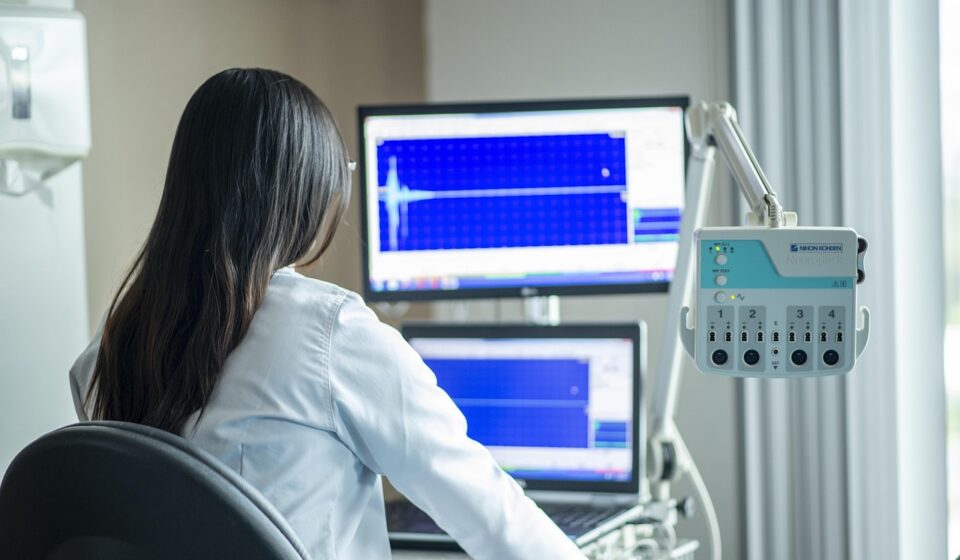
| Clinical equipment | Equipment used in clinical care settings or linked to clinical workflows | Often broader than DME and may include diagnostic, therapeutic, monitoring and facility-based systems |
For readers comparing DME with broader device categories, the clinical equipment section can help place home-use products within the wider medical equipment landscape.
Common DME categories and what to check
DME is not one product family. It includes simple mechanical aids as well as more complex powered systems. The risks, service needs, and documentation burden vary by category.
Mobility and transfer equipment
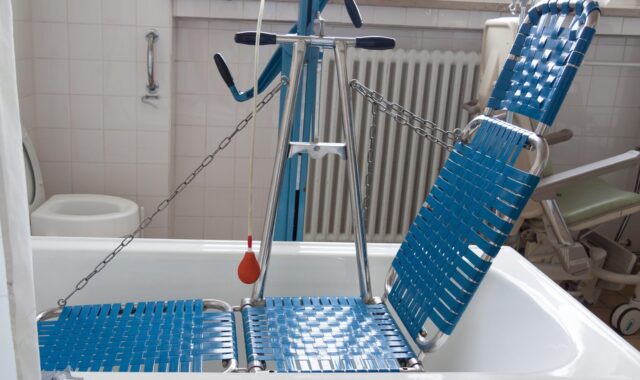
Canes, crutches, walkers, wheelchairs, scooters, and patient lifts are used to support movement, positioning, or transfers. Key checks include fit, weight capacity, braking performance, adjustability, turning radius, door clearance, fall risk, and caregiver training. A wheelchair that works in clinic corridors may not work well in a small apartment with narrow doorways or thick thresholds.
Respiratory and sleep therapy equipment
CPAP systems, oxygen concentrators, and related accessories require close attention to prescription details, cleaning, filter changes, tubing replacement, power supply, and alarms. For oxygen equipment, storage and fire-safety practices are also important. These products often need more service support than basic mobility aids because therapy effectiveness depends on setup, adherence, and ongoing maintenance.
Bedroom, bathroom and support surfaces
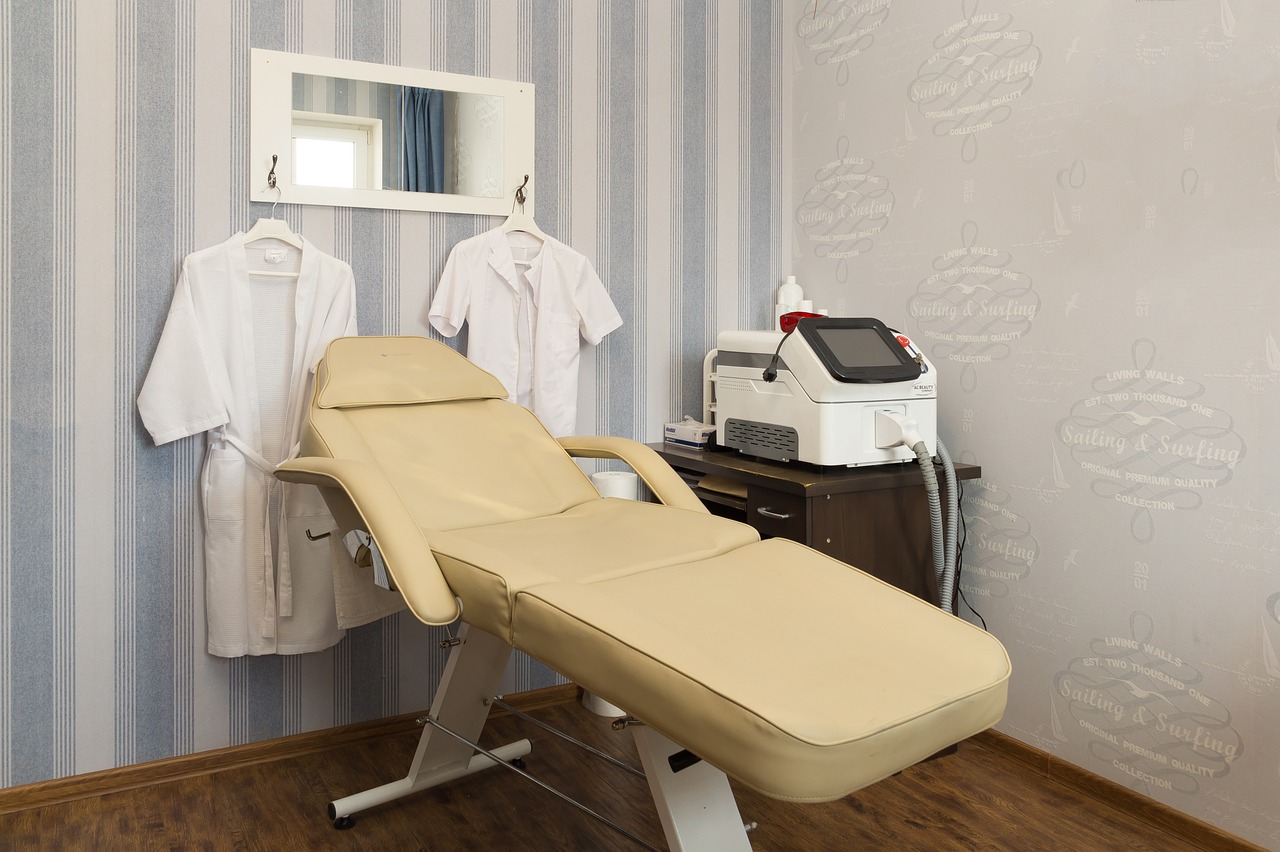
Hospital beds, commode chairs, support surfaces, and bathroom safety aids may reduce caregiver burden and help a patient remain at home. They also introduce space, installation, and infection-control issues. For powered beds, caregivers should confirm outlet access, emergency lowering procedures, side-rail risks, and safe cleaning instructions.
Monitoring and therapy-related supplies
Some equipment categories include supplies that are replaced regularly, such as glucose monitor supplies or CPAP components. These may fall under DMEPOS rules even when the main device is durable. The durable device and its consumable supplies may have separate documentation, quantity limits, refill rules, or plan requirements.
Coverage and payment points for 2026
For Original Medicare, DME is generally a Part B benefit when it is medically necessary, ordered by an eligible clinician, and furnished by a Medicare-enrolled supplier. Medicare.gov states that after the Part B deductible is met, beneficiaries usually pay 20% of the Medicare-approved amount when the supplier accepts assignment. CMS announced the 2026 Part B deductible as $283, so that figure is relevant for DME costs during calendar year 2026.
Coverage still depends on the item, diagnosis, medical need, documentation, supplier status, and whether the equipment is rented or purchased. A clinician’s order is necessary for many items, but it does not by itself guarantee payment. Beneficiaries in Medicare Advantage plans may face different networks, prior authorization rules, preferred suppliers, or cost-sharing structures, so plan-specific verification matters before the item is delivered.
Supplier assignment is another practical issue. When a supplier accepts assignment, it agrees to accept the Medicare-approved amount as full payment for the covered item, aside from deductible and coinsurance. When a supplier does not accept assignment, out-of-pocket exposure can be less predictable. For patients and discharge planners, supplier verification is more than a billing detail; it can determine whether an equipment plan is financially realistic.
CMS payment methods also change over time. Most DMEPOS items are paid through fee schedule rules, and selected categories may be affected by competitive bidding. CMS has stated that previous Round 2021 competitive bidding contracts for off-the-shelf back and knee braces expired on December 31, 2023, and that a future Round 2028 bidding cycle is planned. Suppliers should track current CMS and CBIC notices rather than rely on outdated contract assumptions.
Supplier, documentation and safety responsibilities
DME selection is not only a product decision. It is also a supplier and documentation decision. CMS DMEPOS quality standards require suppliers to maintain appropriate procedures for equipment setup, verification, service, and records. In practical terms, patients and care teams should expect more than a box at the door. They should look for clear instructions, correct configuration, service contact information, and a defined process for repair, replacement, or return.
Documentation should connect the equipment to the patient’s medical condition and functional need. A general note saying that a device would be helpful may be insufficient for coverage or audit purposes. Stronger documentation explains what limitation exists, why the item is medically necessary, how it will be used in the home, and whether less intensive options are unsuitable. See also: Buying Guides.
Safety responsibilities continue after delivery. Users and caregivers should understand the manufacturer’s instructions for use, cleaning schedules, battery handling, replacement parts, warning lights, alarms, and environmental limits. Connected devices add another layer: data transmission, software updates, cybersecurity settings, and privacy practices may matter when equipment communicates with mobile apps, cloud platforms, or provider dashboards.
The FDA angle is separate but related. Many DME products are medical devices regulated according to intended use and risk class. FDA materials describe home-use medical devices as devices intended for environments outside professional healthcare facilities. That setting creates design and training challenges because users may be patients, relatives, or caregivers rather than clinicians. Clear labeling, simple setup, robust alarms, and realistic cleaning instructions are especially important in the home.
A practical selection checklist
Before ordering, purchasing, or accepting delivery of DME, patients, caregivers, clinicians, and suppliers can reduce avoidable problems by checking the following points:
- Medical need: Confirm the diagnosis, functional limitation, and intended clinical purpose.
- Coverage pathway: Verify whether the item is covered, whether prior authorization is needed, and whether rental or purchase rules apply.
- Supplier status: Confirm Medicare enrollment, plan network status, assignment acceptance, and service availability.
- Home fit: Measure doors, hallways, stairs, bed height, bathroom layout, floor surfaces, and electrical access.
- User capability: Consider vision, grip strength, cognition, balance, caregiver support, and language needs.
- Training: Ask for setup instructions, demonstration, written materials, and a support contact.
- Maintenance: Clarify cleaning, calibration, filters, batteries, replacement parts, and repair turnaround.
- Return or replacement terms: Understand what happens if the device is unsuitable, no longer needed, or damaged.
This checklist is especially useful during hospital discharge, where equipment decisions are often made quickly. The most common failures are not always caused by the device itself. They can come from poor fit, missing documentation, unclear payment responsibility, weak training, or lack of service support.
Common mistakes when evaluating DME
The first mistake is assuming that every useful home-care product is covered DME. Grab bars, air conditioners, general exercise equipment, and comfort items may improve daily life, but payer rules often treat them differently from medically necessary equipment. The second mistake is buying the item first and asking about coverage later. Depending on the payer and item, using the wrong supplier or skipping authorization can shift the cost to the patient.
The third mistake is focusing only on the purchase price. DME can involve delivery fees, accessories, replacement supplies, repair, rental periods, cleaning requirements, and caregiver time. A lower upfront price may not be cheaper if parts are hard to obtain or if the equipment cannot be serviced locally.
The fourth mistake is ignoring the difference between clearance, quality, and coverage. An FDA-cleared or legally marketed device may still need a valid prescription, may not be covered for a particular diagnosis, or may require specific documentation. Conversely, a covered item still needs safe setup and appropriate training. Regulatory status, reimbursement status, and clinical suitability each answer a different question.
Frequently asked questions
Is DME the same as all medical equipment?
No. DME is a specific subset of medical equipment, usually durable, medically necessary, and suitable for home use. Medical equipment is broader and can include hospital systems, diagnostic devices, surgical equipment, disposable supplies, and consumer-facing medical devices.
Do I need a prescription for DME?
Many covered DME items require an order from a physician or other eligible provider. The order should match the patient’s condition and the payer’s documentation requirements. A prescription may be necessary, but coverage can still depend on medical necessity, supplier status, and plan rules.
Does Medicare buy or rent DME?
It depends on the item and Medicare rules. Some equipment may be purchased, while other equipment is rented for a defined period or handled under capped rental arrangements. Patients should ask the supplier whether they are receiving a rental or purchase item and what happens if the item must be repaired, replaced, or returned.
Can an FDA-regulated device be denied as DME?
Yes. FDA regulation addresses whether a device may be legally marketed and what controls apply based on risk and intended use. Coverage decisions ask a different question: whether the item is medically necessary, meets payer criteria, and is supplied through the correct channel.
What should care teams document before discharge?
They should document the medical reason for the equipment, the functional limitation it addresses, why it is needed in the home, the expected duration of need, and any special setup or caregiver training requirements. Clear documentation helps suppliers deliver the correct item and helps patients avoid coverage surprises.