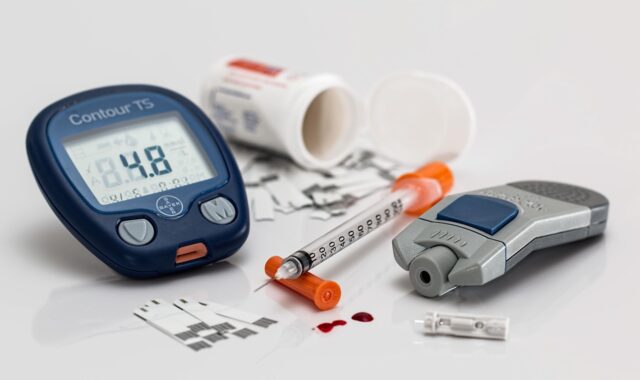
How to choose a medical supply store for safe home and clinic purchases

What a good medical supply store should help you verify
Before you buy, a medical supply store should help you verify three basics: the product is appropriate for the intended use, the supplier can document where it came from, and support is available if the item fails, expires, arrives damaged, or is recalled. For home users, that means clear instructions, return limits, warranty terms, and help matching supplies to a clinician recommendation. For clinics, it also means lot tracking, substitute planning, and records that support internal audits. This guide does not rank stores. It gives buyers a practical way to compare local shops, online retailers, durable medical equipment suppliers, and specialty distributors before committing spend. For more procurement-focused articles, visit our Buying Guides.
Match the store type to the product risk
Not every supplier that sells healthcare products is suitable for every purchase. A box of exam gloves, a wound dressing, a walker, an oxygen accessory, and a diagnostic device each carry different safety, documentation, and after-sale support requirements. Start by separating low-risk consumables from equipment that affects mobility, breathing, monitoring, infection control, or treatment decisions.

| Supplier type | Common fit | What to check before buying |
|---|---|---|
| Local medical supply store | Home care items, mobility aids, compression products, basic wound care, bathroom safety products | Product fitting support, return policy, replacement parts, staff knowledge, and whether special orders are available |
| DMEPOS supplier | Durable medical equipment, prosthetics, orthotics, and supplies that may involve insurance or Medicare billing | If Medicare billing is involved, CMS requires applicable supplier standards, quality standards, and accreditation unless an exemption applies |
| Clinical distributor | Bulk purchasing for clinics, labs, outpatient centers, and care facilities | Lot tracking, certificates where relevant, recall communication, backorder visibility, and approved substitute process |
| Manufacturer or authorized dealer | Branded devices, replacement components, accessories, and warranty-supported products | Authorization status, warranty handling, compatible parts, service options, and documentation |
| General online marketplace | Low-risk accessories only when identity and seller reliability are clear | Seller identity, packaging integrity, expiration dates, instructions for use, and unusually low prices |
The more a product depends on correct sizing, installation, calibration, sterility, or prescription guidance, the less it should be treated as a simple commodity purchase. A lower-priced seller may still be the right option, but only after the product identity and support model are clear.
Check product identity before comparing prices
Medical products can look similar while carrying different regulatory status, intended uses, sizes, materials, and expiration rules. The U.S. Food and Drug Administration classifies medical devices by risk into Class I, Class II, and Class III. Classification does not determine whether a specific product is right for a patient, but it does remind buyers that devices are not regulated or supported in the same way.
Be careful with marketing language. FDA registration of a company or device listing is not the same as FDA approval, clearance, or authorization. The FDA has specifically warned consumers to understand the difference between terms such as registered, cleared, and approved. A trustworthy supplier should not use vague regulatory claims in place of product-specific documentation.
For many devices sold in the United States, unique device identification is also part of traceability. The FDA established the UDI system to identify devices from manufacturing through distribution and patient use. In practical purchasing terms, buyers should keep records of item numbers, lot or serial numbers, expiration dates, and packaging labels when available. For clinics, these details support recall response and inventory control. For home users, they make it easier to report a product problem or confirm whether a recall affects an item already purchased.
- Confirm the exact product name, size, model, and intended use.
- Check whether the item is single-use, reusable, sterile, non-sterile, prescription-only, or over-the-counter.
- Keep packaging and instructions until the product is fully used, installed, or replaced.
- For devices, record UDI, lot, serial number, and expiration date when shown.
- Ask how the store communicates recalls, corrections, or manufacturer safety notices.
Evaluate documentation, storage, and handling
A reliable medical supply store should be able to explain how products are received, stored, and shipped. This is especially important for sterile supplies, wound care products, diagnostic consumables, items with expiration dates, and products that can be damaged by heat, moisture, crushing, or poor packaging.
Home buyers should look for clear instructions for use, readable labels, unopened packaging, and customer support that can answer basic compatibility questions. Clinics and care organizations should go further by requesting item master data, safety data sheets when relevant, certificates of conformance for applicable products, and written terms for substitutions. Substitution needs close attention because two products can belong to the same general category while differing in size, material, connector type, absorbency, barrier performance, or device compatibility.
| Buying question | Why it matters |
|---|---|
| Will the product arrive in original packaging? | Original packaging helps preserve instructions, traceability, and expiration information. |
| Can the store provide lot or serial information? | Lot and serial records support recalls, warranty claims, and quality investigations. |
| Are storage requirements visible? | Some products can be affected by temperature, humidity, or light exposure. |
| Are substitutions opt-in or automatic? | Automatic substitutions can create fit, compatibility, or clinical workflow problems. |
| Who handles problems after delivery? | Clear support reduces delays when items arrive damaged, incomplete, expired, or incorrect. |
Plan for shortages, backorders, and recalls
Availability is not only a convenience issue. Shortages can affect care schedules, substitutions, staff training, and patient safety. Public guidance from ECRI, FDA, ASHP, and other healthcare organizations has repeatedly emphasized that supply disruptions can create operational risk, especially when organizations substitute unfamiliar products under time pressure.
A clear example occurred after Hurricane Helene damaged a North Carolina manufacturing site in late September 2024 and affected the U.S. supply of sterile IV fluids. ECRI issued guidance on October 15, 2024 for healthcare leaders managing related shortages. That event involved a specific product category and time period, but the wider lesson is relevant to many purchases: buyers should understand whether a supplier depends on a single manufacturer, how backorders are communicated, and whether substitutes have already been reviewed.
For a household, shortage planning may be as simple as reordering recurring supplies before the last usable item is opened. For a clinic, it may require minimum stock levels, approved alternate SKUs, manufacturer diversification, and a process for documenting product changes. In both cases, the supplier should be transparent when a product is unavailable instead of quietly shipping a different item.
- Ask whether high-use items have reliable reorder history.
- Document acceptable substitutes before a shortage occurs.
- Check whether the store separates backordered items from shipped items on invoices.
- Review recalls through FDA medical device recall resources or manufacturer notices when product identity is uncertain.
- Avoid bulk buying beyond realistic use if products expire or require controlled storage.
Look beyond the headline price
Price matters, but the lowest unit price may not deliver the lowest total cost. Medical supplies often carry hidden costs in shipping, minimum order quantities, restocking fees, replacement components, staff time, delayed delivery, warranty exclusions, and product waste from poor fit. For equipment, total cost may also include batteries, filters, tubing, masks, calibration, preventive maintenance, software updates, or accessories that are not included in the base price.
For home users, the return policy is especially important. Many medical products cannot be returned once opened because of hygiene, sterility, or resale restrictions. A reputable store should make those limits clear before checkout. For clinics, the bigger risk is often product inconsistency. Switching glove types, wound dressings, electrodes, syringes, or connectors may require staff communication and updates to preference lists or procedure kits. See also: clinical equipment.
Use a total-cost view before choosing a supplier:
- Product cost: unit price, case price, and volume tiers.
- Logistics cost: freight, delivery speed, split shipments, and damaged-goods process.
- Clinical fit: correct size, material, connector, intended use, and compatibility.
- Administrative cost: invoices, tax documents, insurance paperwork, and purchasing controls.
- Lifecycle cost: consumables, maintenance, warranty, service, and replacement timing.
Use red flags to narrow the field quickly
Some warning signs do not prove a seller is unsafe, but they should pause the purchase until more information is available. Medical products are not the right category for impulse buying from sellers that cannot clearly explain what they are selling.
- The product page uses broad claims but does not show manufacturer, model, size, or instructions.
- The seller claims a product is FDA certified without explaining whether it is cleared, approved, authorized, listed, or registered.
- Expiration dates, lot numbers, or packaging details are missing for products where they should be visible.
- The price is far below normal market levels without a clear explanation such as closeout inventory with disclosed expiration dates.
- The store automatically substitutes products without buyer approval.
- Customer service cannot answer whether accessories or replacement parts are compatible.
- The seller refuses to provide basic business information, invoices, or return terms.
- Packaging arrives damaged, relabeled, incomplete, or inconsistent with the product listing.
When a product affects breathing, mobility, wound care, infection control, medication delivery, or diagnostic decisions, treat these red flags as reasons to seek clinician input or buy from a more specialized source.
A practical scorecard for choosing a supplier
A simple scorecard helps buyers compare suppliers without relying on memory or marketing claims. Adjust the weighting by product category. For low-risk household supplies, convenience and delivery may count more. For devices, sterile products, or recurring clinical orders, documentation and support should carry more weight.
| Factor | Suggested weight | What good looks like |
|---|---|---|
| Product fit and identity | 25% | Exact model, size, intended use, manufacturer, and clear compatibility information |
| Supplier credibility | 20% | Visible business details, relevant licensing or accreditation where applicable, and responsive support |
| Traceability and documentation | 20% | Invoices, lot or serial data, expiration details, instructions, and recall communication |
| Availability and substitution control | 15% | Accurate stock status, backorder communication, and buyer-approved substitutes |
| Total cost | 10% | Transparent pricing, shipping, return limits, warranty terms, and lifecycle costs |
| Delivery and after-sale support | 10% | Reliable fulfillment, damage resolution, replacement parts, and service escalation |
The best choice is usually not the seller with the longest catalog. It is the supplier that can provide the right product, at the right time, with enough documentation to support safe use and follow-up.
Frequently asked questions
Is a medical supply store the same as a DME supplier?
Not always. A medical supply store may sell a broad mix of home care products, disposables, mobility aids, and accessories. A DME supplier focuses on durable medical equipment and may handle insurance or Medicare-related requirements. If Medicare billing is involved, CMS supplier standards and accreditation rules may apply unless an exemption is relevant.
Can I buy medical devices online safely?
Yes, but online buying requires more verification. The FDA advises consumers buying home-use medical devices online to use reliable sources and check recall information when needed. In practice, that means confirming the seller, manufacturer, model, instructions, warranty, packaging condition, and return limits before purchase.
What documents should a clinic request from a new supplier?
Clinics should request clear invoices, product identifiers, lot or serial information where applicable, expiration data, instructions for use, safety data sheets when relevant, and written substitution terms. For recurring supplies, clinics should also ask how recalls, backorders, and discontinued items are communicated.
Should I choose a local store or an online supplier?
Choose a local store when fitting, demonstration, immediate pickup, or hands-on support matters. Choose an online supplier when the product is familiar, identity is clear, documentation is strong, and delivery reliability is proven. For complex equipment, an authorized dealer or specialized DME supplier may be safer than either a general local shop or a marketplace seller.
How often should buyers check recalls and expiration dates?
Home users should check expiration dates before use and keep records for devices or recurring supplies. Clinics should review expiration dates as part of inventory rotation and check recall notices whenever a product problem appears, a manufacturer notice arrives, or a substitute product is introduced.