How to choose a blood glucose meter for home use
Quick answer for choosing a blood glucose meter
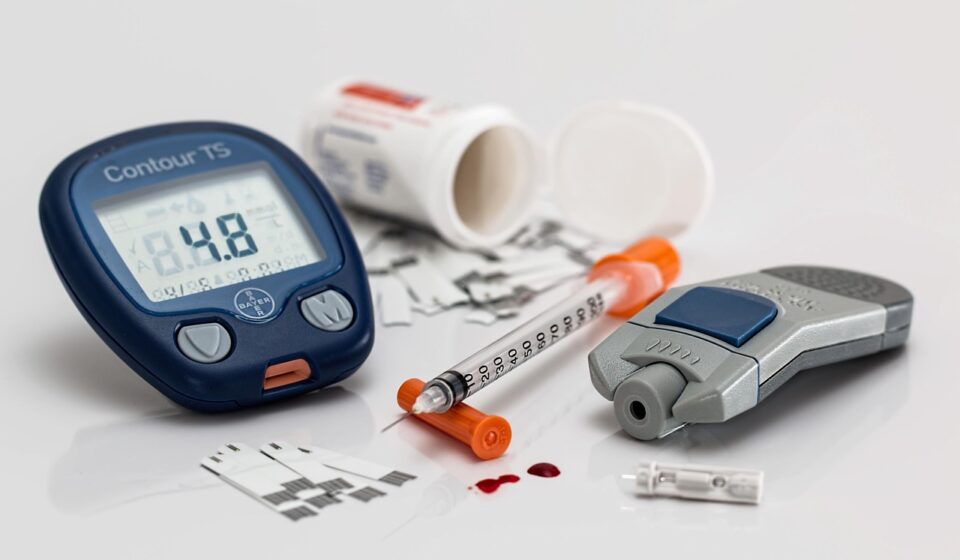
Choose a blood glucose meter as a complete testing system, not just as a handheld device. For most home users, the key checks are regulatory clearance, test strip availability, ongoing strip cost, ease of use, data storage, accessibility features, and whether the meter fits the testing plan recommended by a health care professional. In the United States, buyers should look for a legally marketed meter and use only compatible, unexpired test strips from a reliable source. The American Diabetes Association’s 2026 Standards of Care also state that people using continuous glucose monitors should still have access to blood glucose monitoring when a fingerstick reading is needed. A sound buying decision balances clinical reliability with everyday practicality.
This guide is for home-use purchasing decisions. It does not rank individual brands or replace medical advice. Testing frequency, glucose targets, and device needs can vary by diabetes type, medication, pregnancy status, hypoglycemia risk, vision, dexterity, and insurance coverage.
What a blood glucose meter does and what it cannot do
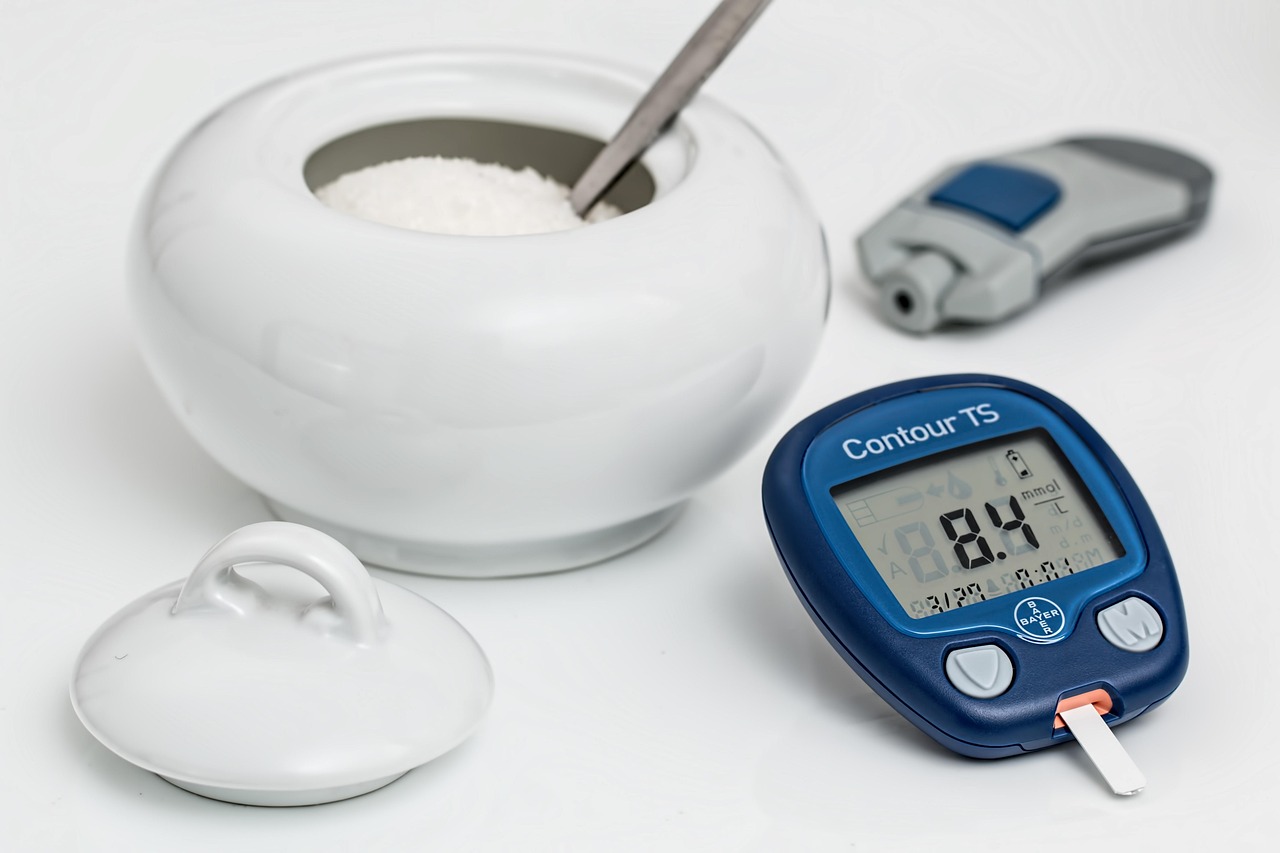
A blood glucose meter measures glucose in a small blood sample, usually from a fingertip, using a disposable test strip made for that meter. The result appears in seconds and is commonly reported in mg/dL in the United States. For many people with diabetes, these readings help guide food choices, exercise planning, medication timing, hypoglycemia treatment, and discussions with clinicians.
A meter is not the same as a laboratory plasma glucose test, and it is not the same as a continuous glucose monitor. A traditional meter provides a point-in-time capillary blood result. A CGM estimates glucose trends from interstitial fluid and may show trend arrows, alerts, and multi-hour patterns. CGM can reduce the burden of frequent fingersticks for many users, but a fingerstick meter remains important when CGM readings do not match symptoms, during device warm-up or signal interruption, when supplies are delayed, or when a clinician asks for confirmation.
For buyers, the practical question is whether the meter will support a real testing routine over time. A device with an attractive screen but costly strips may not be a good long-term match. A low-cost meter with hard-to-find strips can become inconvenient within weeks. A connected meter that syncs to an app can be useful, but only if the user is comfortable with the phone, account setup, privacy terms, and data-sharing workflow.
Accuracy should be assessed as a system
Accuracy depends on the meter, test strips, sample handling, storage conditions, user technique, and biological factors. ISO 15197:2013, a widely cited standard for self-testing blood glucose systems, requires at least 95% of results to fall within defined limits compared with a reference method: within ±15 mg/dL when glucose is below 100 mg/dL and within ±15% when glucose is 100 mg/dL or higher. This helps explain why two valid readings may not be identical, especially near treatment thresholds.
The FDA also notes that glucose meters are generally reliable but not perfect. Readings can be affected by using the wrong strip, using expired or damaged strips, applying too little blood, testing with contaminated fingers, failing to follow storage instructions, dehydration, shock, extreme hematocrit values, and substances listed in the meter’s instructions. The practical takeaway is straightforward: buy a reputable system, read the manual, and build a routine that reduces preventable error.
When a surprising result should be checked
Recheck a reading when the number does not match how the person feels, when a very high or very low value appears unexpectedly, when a strip error code appears, or when the test was done after handling food, lotion, or medication residue. Wash and dry hands, use a new strip from the correct vial, and follow the meter instructions. If severe symptoms are present, users should follow their care plan and seek medical help rather than relying on repeated testing alone.
The test strip system often determines the real cost
The meter itself is often the least expensive part of the purchase. Test strips, lancets, control solution, batteries, and replacement lancing supplies create the recurring cost. Before choosing a blood glucose meter, buyers should check which strips are covered by insurance, available at local pharmacies, and consistently stocked online or through approved suppliers. The American Diabetes Association’s consumer guidance also advises checking medical insurance coverage for both the meter and strips.
Strip compatibility is not optional. A strip that physically fits is not necessarily intended for that meter. FDA safety materials have warned that using the wrong strip can cause incorrect results. Buyers should also avoid pre-owned strips, opened vials, relabeled products, and strips not authorized for sale in the user’s country. Previously opened or unauthorized strips may be degraded, improperly stored, expired, contaminated, or incompatible with the system.
Control solution is another practical consideration. It is not used for every test, but it can help confirm that the meter and strips are working within the expected range when opening a new vial, after a meter is dropped, when results seem unusual, or when the instructions recommend it. Some starter kits include control solution; others require a separate purchase.
Features that matter for different users
Many meters look similar in product photos, but small design differences can affect daily use. The most useful feature is the one that solves a specific user problem, such as low vision, finger pain, limited hand strength, travel, caregiver review, or frequent testing.
| Selection factor | Why it matters | What to check before buying |
|---|---|---|
| Strip availability | Testing stops if strips are expensive or hard to find. | Local pharmacy stock, insurance formulary, pack sizes, expiration dates. |
| Sample size and strip fill | Small blood drops and clear fill confirmation can reduce failed tests. | Required blood volume, whether the strip allows reapplication after an insufficient sample. |
| Display and audio | Large numbers, backlighting, contrast, and speech can help users with low vision. | Screen size, spoken result option, button size, language settings. |
| Memory and data transfer | Stored results help clinicians review patterns instead of isolated numbers. | On-device memory, averages, Bluetooth, app compatibility, export options. |
| Lancing comfort | Less painful testing can improve consistency. | Depth settings, lancet gauge, replacement lancet availability, ease of loading. |
| Travel practicality | Frequent travelers need a compact, durable setup. | Carrying case, battery type, operating temperature range, strip storage requirements. |
People who test several times per day may prioritize strip price, lancing comfort, and fast logging. Older adults may benefit from a large display, simple menus, and caregiver-friendly records. Users with vision impairment may need a meter with integrated speech. People who share data with clinicians may prefer a connected meter, provided the app is supported on their phone and does not add unnecessary complexity. See also: clinical equipment.
Safety and regulatory checks before purchase
In the United States, a home-use buyer should choose a meter that is legally marketed for self-monitoring and should follow the product’s intended use. A watch, ring, or wellness gadget that claims to measure blood glucose without piercing the skin should not be treated as a substitute for a cleared blood glucose meter or prescribed CGM. On February 21, 2024, the FDA warned that it had not authorized, cleared, or approved any smartwatch or smart ring intended to measure or estimate blood glucose values on its own.
Recent safety communications also show why buyers should check recall information and product notices, not just customer reviews. On April 28, 2026, the FDA issued a safety communication about TRUE METRIX blood glucose monitoring systems by Trividia Health, noting risks related to E-5 error code interpretation and advising high-risk users, such as those on intensive insulin therapy or sulfonylureas, to transition to an alternative glucose monitoring system if possible. This example does not mean every meter in the market has the same issue; it shows why error-code instructions, manufacturer updates, and recall status matter for any device.
Infection control is also part of device selection. Lancing devices should not be shared unless they are specifically designed and labeled for multiple users with proper infection-control procedures. At home, each person should have their own lancing device and lancets, and used sharps should be disposed of according to local rules.
A practical buying checklist
Before buying a blood glucose meter, use a checklist that separates essential requirements from convenience features. For more medical equipment purchasing context, see the 51jobdoc Buying Guides category.
- Confirm the testing plan with a clinician, including when to test and what ranges require action.
- Check that the meter is legally marketed for home blood glucose self-monitoring in the user’s country.
- Verify the exact test strip name, pack size, shelf life, and pharmacy availability.
- Compare ongoing strip cost, not just the starter kit price.
- Make sure strips are compatible with the meter model and are new, unopened, and unexpired.
- Review accessibility needs such as display size, audio output, grip, buttons, and sample size.
- Check whether the system includes or supports control solution.
- Review memory, Bluetooth, app support, and export functions if data sharing is important.
- Read the manual for temperature, humidity, cleaning, error codes, alternate-site testing, and storage limits.
- Check manufacturer notices and recall information before purchase and periodically afterward.
Frequently asked questions
Is a more expensive blood glucose meter always more accurate?
No. Price alone does not prove accuracy. Accuracy depends on the tested meter-and-strip system, regulatory review, strip quality, proper storage, and user technique. A moderately priced system with reliable strips and clear instructions may be more practical than a premium meter with strips the user cannot afford or find.
Can I use any test strip if it fits the meter?
No. Use only the test strips specified for that exact meter system. Incorrect strips can produce misleading results even if they appear to fit. Buyers should match the strip name and model information in the manual, and they should avoid opened, expired, or pre-owned strips.
Do people using a CGM still need a fingerstick meter?
Yes, in many situations. The ADA’s 2026 Standards of Care state that people using CGM devices should have access to blood glucose monitoring. A meter may be needed when symptoms do not match CGM data, during warm-up, during signal problems, when supplies are delayed, or when the system asks for confirmation.
Are noninvasive glucose smartwatches or rings a replacement for a meter?
No. FDA safety communication from February 21, 2024 stated that the agency had not authorized, cleared, or approved any smartwatch or smart ring intended to measure or estimate blood glucose on its own. A wellness wearable should not be used to make diabetes treatment decisions unless it has the appropriate regulatory status and intended use.
What is the most overlooked buying factor?
Ongoing strip access is often overlooked. A meter that seems inexpensive at checkout can become costly if strips are not covered, are sold only in small packs, or are difficult to obtain. For long-term home use, the strip system usually matters as much as the meter itself.