Nebulizer mask and tubing safety guide for cleaning, replacement, and compliance

Why this small accessory set deserves a safety check
A nebulizer mask and tubing set looks simple, but it sits at the point where medication delivery, respiratory hygiene, connector safety, and device labeling meet. The mask or mouthpiece directs aerosol to the patient. The tubing carries driving air from the compressor or gas source to the nebulizer cup. If these parts are dirty, cracked, poorly fitted, reused beyond their instructions, or connected to the wrong equipment, both performance and patient safety can suffer.
For clinics, distributors, and home-care teams, the safer approach is not to treat these accessories as generic plastic consumables. They should be selected, used, cleaned, stored, and replaced according to manufacturer labeling, prescriber instructions, and applicable medical device controls. For more respiratory safety topics, see our safety and compliance section.
What a nebulizer mask and tubing set actually does
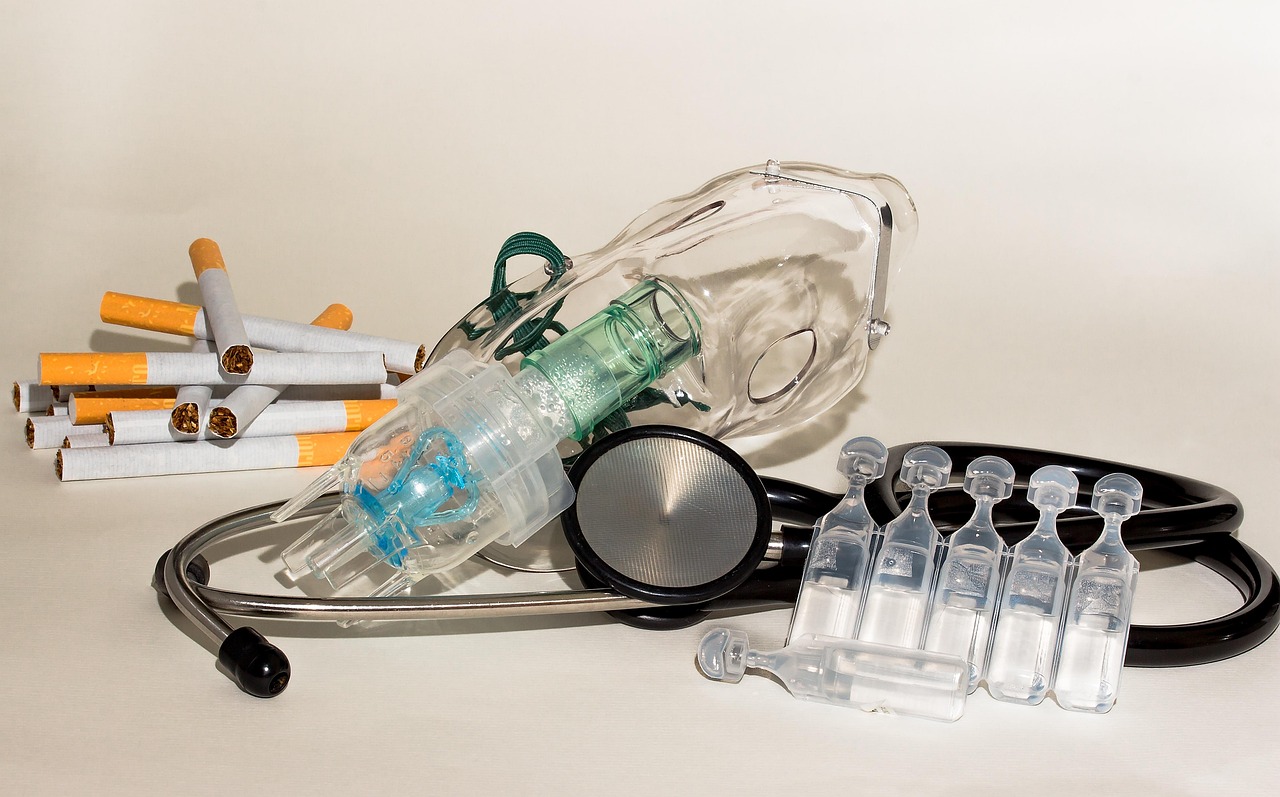
In a typical jet nebulizer system, compressed air flows through tubing into the nebulizer cup, where liquid medication is converted into an inhalable aerosol. The patient then inhales the aerosol through a mouthpiece or a mask. A mask is often used when a patient cannot maintain a tight mouthpiece seal, such as some children, older adults, or patients with limited coordination.
Tubing is not the medication chamber; its job is to deliver airflow. That distinction matters because cleaning instructions for the cup, mask, mouthpiece, and tubing are usually not identical.
The American Lung Association describes a nebulizer as a device that turns liquid medicine into a mist inhaled through a mouthpiece or mask. Its patient instructions also distinguish the air compressor and tubing from washable patient-contact components. This is a practical safety point: putting compressor tubing in water can leave moisture in a line that is difficult to dry and may interfere with airflow or hygiene.
In clinical and procurement language, accessories may be sold as a nebulizer kit, aerosol mask, pediatric mask, adult mask, mouthpiece kit, compressor tubing, or respiratory therapy tubing. Product names vary, so the label and intended use should carry more weight than the title on a catalog page.
Main safety risks and the controls that reduce them
The main risks are not limited to whether aerosol comes out of the mask. A safety review should also cover contamination, wrong-patient reuse, poor fit, blocked airflow, material degradation, and connection errors. The following crosswalk summarizes practical controls for buyers and care teams.
| Risk area | Why it matters | Practical control | Source basis |
|---|---|---|---|
| Contamination | Moist respiratory parts can transfer microorganisms if they are not cleaned, disinfected, dried, and stored correctly. | Follow the device label after each treatment; clean patient-contact parts and allow full air drying before storage. | CDC infection-control guidance and patient education from the American Lung Association. |
| Tubing moisture | Water inside tubing is hard to remove and can affect hygiene and airflow. | Do not immerse tubing unless the specific manufacturer instructions allow it. Replace tubing that remains wet, cloudy, stiff, cracked, or contaminated. | American Lung Association nebulizer care instructions and common compressor-nebulizer labeling practice. |
| Wrong-patient reuse | Reusable does not always mean multi-patient reusable. Many kits are intended for one patient only. | Check whether the kit is single-use, single-patient use, reusable, or reprocessable for clinical settings. | Medical device labeling principles and infection-control practice. |
| Misconnection | Small-bore tubing and respiratory connectors can be confused with other systems if design and workflow controls are weak. | Use components intended for respiratory applications and avoid makeshift adapters unless allowed by the manufacturer. | FDA connector-safety materials and ISO 80369 respiratory connector standards. |
| Regulatory misunderstanding | 510(k) exempt does not mean unregulated, and not all nebulizer-related devices fall into the same category. | Confirm product code, class, intended use, labeling, quality system obligations, and supplier documentation. | FDA product classification database and FDA QMSR information. |
Cleaning and disinfection are compliance activities, not optional chores
For home use, cleaning is usually explained as a patient-care step. For healthcare facilities, durable medical equipment suppliers, and distributors, it is also a compliance issue because instructions for use, labeling, and training affect whether the product can be used safely. A clean nebulizer cup attached to wet or degraded tubing is not a complete control.
After each treatment
Patients should follow the exact instructions supplied with the device and medication. In general, the nebulizer cup and mask or mouthpiece are separated from the tubing, washed as instructed, rinsed with appropriate water if the label permits, and placed on a clean surface to air dry. Hand hygiene before handling the equipment remains a basic but important step.
The compliance point is consistency. If a clinic gives verbal cleaning instructions that differ from the product label, staff should resolve the discrepancy rather than improvise. If a manufacturer says not to wash tubing, do not reinterpret the tubing as another washable plastic part.
Disinfection schedules
Many reusable nebulizer components require periodic disinfection in addition to cleaning. The frequency and method can differ by manufacturer and care setting. Some instructions allow boiling for certain parts; others specify chemical disinfection or prohibit high heat. CDC guidance for healthcare equipment and home-care situations emphasizes cleaning, disinfection where appropriate, safe storage, and clear information for the person responsible for care.
For clinical environments, CDC pneumonia-prevention guidance has also emphasized the use of sterile fluid for nebulization and aseptic handling. That recommendation should not be treated as a home-care shortcut or as a substitute for the device’s own instructions. It is a reminder that aerosol therapy involves respiratory exposure, so fluid handling and accessory hygiene matter.
Drying and storage
Drying is often where otherwise sound cleaning routines fail. Parts that are put away damp may remain contaminated even if they were washed. Cleaned pieces should be allowed to air dry completely on a clean, dry surface and then stored in a clean container or bag according to the instructions. Storage near sinks, bathrooms, open trash, pets, or dusty shelves can undermine the cleaning process.
What to do with the tubing
Tubing should generally be kept dry and should not be soaked, boiled, or chemically disinfected unless the manufacturer specifically allows it. If condensation is visible, follow the manufacturer’s instructions for clearing it. If no reliable instruction exists, replacement is safer than guessing. Tubing is low-cost compared with the risk of delivering therapy through a questionable line.
Replacement signs and lifecycle decisions
There is no single universal replacement interval for every nebulizer mask and tubing set. Replacement depends on the device label, care setting, patient condition, cleaning method, frequency of use, and whether the kit is disposable, single-patient reusable, or designed for a validated reprocessing workflow. A supplier may state a schedule, but visible condition still matters.
Replace the mask, tubing, or kit when any of the following signs appear:
- Cracks, holes, loose connectors, stretched ends, or loss of seal.
- Discoloration, cloudiness, sticky residue, or persistent odor.
- Moisture inside tubing that cannot be cleared according to the instructions.
- Reduced aerosol output after other causes, such as compressor function and medication cup assembly, have been checked.
- Use by a different patient when the product is labeled for single-patient use.
- Missing instructions, uncertain cleaning history, or packaging damage before first use.
For facilities, replacement decisions should be documented in a simple protocol. The protocol does not need to be complicated, but it should identify who inspects the parts, when replacement occurs, how single-patient items are labeled, and how staff handle accessories that arrive without complete labeling.
Procurement checks for masks, tubing, and complete kits
Buying the lowest-cost kit that appears compatible can create hidden risk. A procurement review should start with intended use: home compressor nebulizer, clinic treatment room, emergency respiratory therapy, pediatric use, adult use, oxygen-driven nebulization, or ventilator-compatible therapy. These are not interchangeable contexts. See also: clinical equipment.
Before purchasing, confirm these points:
- The mask size and shape match the intended patient population, such as adult, pediatric, or infant use.
- The tubing length, internal diameter, and connectors are compatible with the compressor, gas source, or nebulizer cup identified in the instructions.
- The package states whether the product is sterile, non-sterile, single-use, single-patient use, or reusable.
- Cleaning and disinfection instructions are included and are realistic for the care setting.
- The supplier can provide product identification, labeling, lot or batch traceability where applicable, and complaint-handling support.
- Materials are appropriate for respiratory contact and do not have strong odors, visible contamination, or defects.
- Adapters are not required unless they are supplied or allowed by the device manufacturer.
For private-label or imported accessories, documentation becomes even more important. The same-looking mask can have different labeling, materials, connector tolerances, and instructions. A purchasing team should not assume equivalence based on appearance alone.
U.S. regulatory context for nebulizer accessories
In the United States, FDA device classification depends on intended use and product code. FDA’s product classification database lists medicinal non-ventilatory nebulizers under 21 CFR 868.5640 as Class I and 510(k) exempt, while also indicating that this does not remove all regulatory obligations. FDA also lists direct patient interface nebulizers and ventilator-compatible nebulizers under different Class II categories. Oxygen masks and breathing mouthpieces appear under their own anesthesiology-panel classifications.
The practical takeaway is that a nebulizer mask and tubing set cannot be evaluated only by a broad word such as nebulizer. A kit sold for a simple home compressor system may raise different questions from an accessory intended to be inserted into a ventilator breathing circuit. Intended use, patient interface, claims, and compatibility statements drive the regulatory analysis.
Another current compliance point is FDA’s Quality Management System Regulation. The QMSR became effective on February 2, 2026, and incorporates ISO 13485:2016 into the U.S. medical device quality system framework. For manufacturers and specification developers, that makes risk management, supplier controls, complaint handling, labeling control, and production documentation especially relevant. For buyers, it reinforces the value of selecting suppliers that can answer quality questions instead of merely providing a catalog photo.
Connector safety also deserves attention. FDA has published materials on medical device misconnections, and ISO 80369-2:2024 addresses small-bore connectors for respiratory applications. These standards do not mean every older accessory instantly becomes unsafe, but they do show why respiratory connections should be treated as designed safety features rather than flexible convenience points.
A practical safety checklist before use
Before giving a nebulizer treatment, a caregiver or clinician can reduce risk with a short check:
- Confirm the medication, dose, and patient instructions from the prescriber or medication label.
- Inspect the mask, cup, tubing, and connectors for cracks, residue, discoloration, blocked ports, or loose fit.
- Verify that the tubing is connected only to the intended compressor or approved gas source.
- Make sure the mask fits without excessive gaps and without pressing painfully into the face.
- Use only the accessory parts specified or permitted by the manufacturer.
- Clean, disinfect, dry, and store reusable parts exactly as instructed after treatment.
- Replace questionable parts instead of trying to repair, tape, stretch, or adapt them.
This checklist is intentionally simple. It is meant to catch the problems that occur in routine use: missing instructions, mixed-up accessories, wet tubing, worn masks, and assumptions that all respiratory tubing is the same.
Frequently asked questions
Can nebulizer tubing be washed?
Usually, compressor tubing should not be immersed or washed unless the manufacturer’s instructions specifically allow it. Many instructions separate the tubing from the cup and mask before cleaning. If tubing is visibly contaminated, wet inside, cracked, or cloudy, replacement is usually the safer option.
How often should a nebulizer mask and tubing be replaced?
Follow the replacement schedule in the product labeling or care plan. Replace sooner if the mask or tubing is cracked, stiff, discolored, loose, contaminated, or no longer performs properly. Facilities should use a written replacement protocol, especially for single-patient items.
Is a nebulizer mask better than a mouthpiece?
Neither is automatically better for every patient. A mouthpiece may reduce facial leakage when the patient can use it correctly. A mask may be more practical for children or patients who cannot maintain a mouthpiece seal. The prescriber’s direction, patient ability, and device instructions should guide the choice.
Can the same nebulizer mask be shared?
A mask labeled for single-patient use should not be shared. Multi-patient use requires validated cleaning, disinfection, or sterilization instructions and a workflow capable of following them. If the labeling is unclear, treat the accessory conservatively and do not share it.
Does 510(k) exempt mean a nebulizer accessory is not regulated?
No. FDA 510(k) exemption only relates to premarket notification for certain device categories and limitations. Other obligations may still apply, including registration and listing, labeling, complaint handling, medical device reporting where applicable, and quality system requirements.
Bottom line for safety and compliance teams
Nebulizer mask and tubing safety is built from small, repeatable controls: correct accessory selection, clean patient-contact parts, dry tubing, clear labeling, timely replacement, and verified compatibility. The highest-value compliance habit is to stop treating masks and tubing as interchangeable supplies. Match them to the intended device and care setting, keep the instructions visible, document replacement rules, and use supplier documentation to support purchasing decisions. That approach protects patients while also making audits, complaint investigations, and staff training easier to manage.