How a remote monitoring system in healthcare works and where it adds value
What a remote monitoring system in healthcare does
A remote monitoring system in healthcare collects patient health data outside a traditional care setting and sends it to a care team for review, follow-up or documentation. The system may use connected blood pressure cuffs, scales, pulse oximeters, glucose meters, wearable sensors, implantable devices, mobile apps or patient-reported information. The device is only one part of the model. Value comes when home or ambulatory data are turned into timely clinical decisions, safer follow-up and more efficient chronic disease management.
For hospitals, clinics and medical device stakeholders, remote monitoring is no longer mainly a question of whether data can be transmitted. The harder question is whether the program can be operated responsibly. Which patients benefit most? Which data should trigger action? Who reviews alerts? How are privacy, cybersecurity, reimbursement and equity handled? These decisions determine whether remote monitoring becomes useful care infrastructure or another stream of data that staff cannot manage.
More articles on digital care delivery and connected medical devices can be found in the Healthcare Technology section.
Core components of a remote monitoring system
A healthcare remote monitoring program usually combines medical devices, connectivity, software, clinical workflow and governance. Treating it as a simple device purchase is one of the most common implementation mistakes.
Connected medical devices and sensors
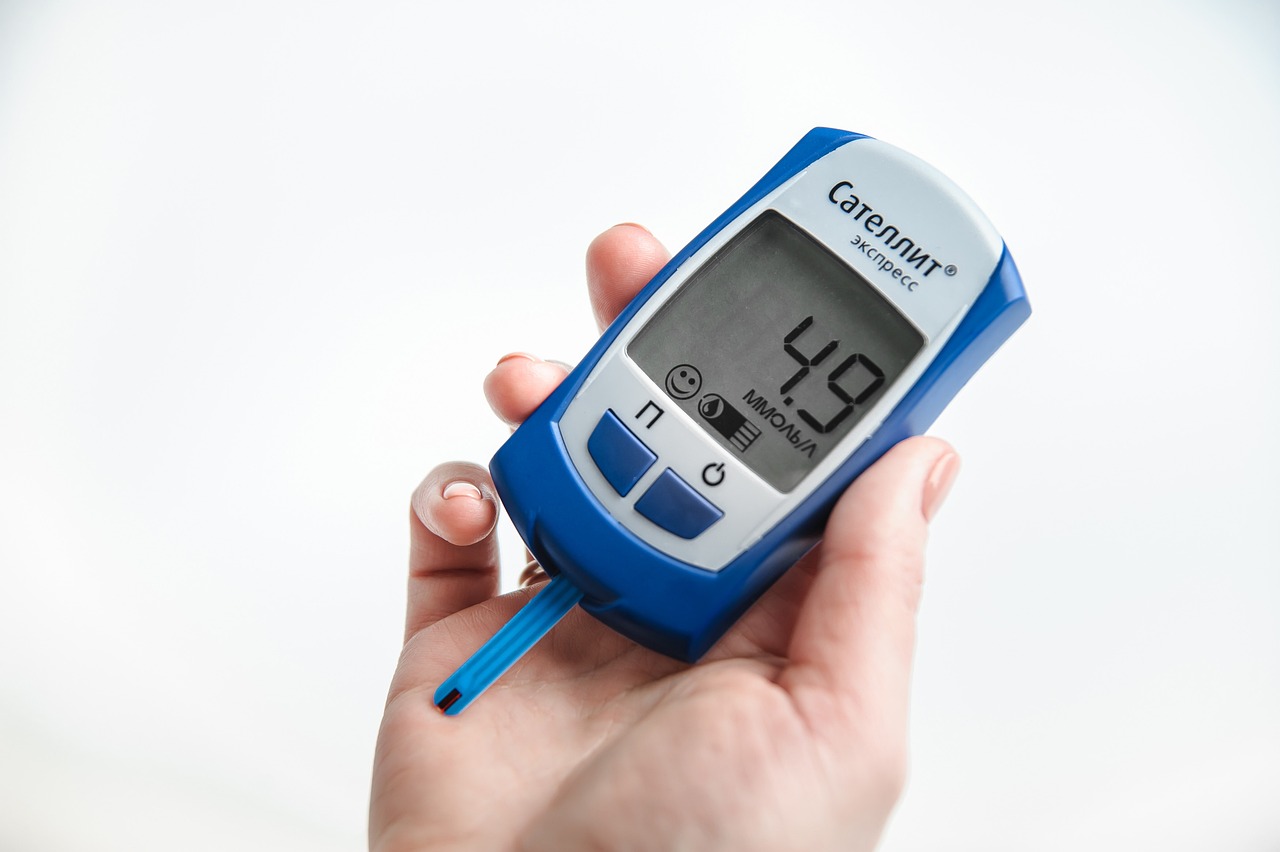
The device layer depends on the condition being monitored. Hypertension programs may use validated blood pressure cuffs. Heart failure programs often track weight, blood pressure, pulse, symptoms and sometimes oxygen saturation. Diabetes programs may involve glucose meters or continuous glucose monitoring. Postoperative or hospital-at-home programs may combine temperature, oxygen saturation, heart rate, activity and symptom reporting.
Device selection should consider accuracy, intended use, patient usability, battery life, connectivity, data format and support requirements. In the United States, many remote physiologic monitoring pathways rely on devices that meet medical device requirements rather than general wellness gadgets. That distinction matters for clinical confidence, documentation and compliance.
Connectivity and data transmission
Data may be transmitted through cellular hubs, Bluetooth connections, Wi-Fi, smartphone apps or device-specific gateways. Cellular options can reduce setup friction for patients without reliable home internet. App-based systems may offer stronger engagement features, but they usually require more digital literacy.
Intermittent data transmission is suitable for many chronic care programs. Higher-acuity models need more robust connectivity and clearer escalation planning. A missing reading is not always a clinical emergency, but repeated data gaps may point to a device problem, patient disengagement or worsening health status.
Software, dashboards and alerts
The software layer aggregates incoming data, applies thresholds, displays trends and routes alerts. Effective dashboards support clinical prioritization instead of presenting every measurement with the same urgency. Trend visibility is especially important because gradual weight gain, a rising blood pressure pattern or declining oxygen saturation may be more meaningful than a single isolated reading.
Alert design is a safety issue. If thresholds are too sensitive, clinicians may experience alert fatigue. If they are too loose, the system may miss opportunities for earlier intervention. Programs should define which alerts require same-day review, which require routine follow-up and which are informational only.
Clinical workflow and escalation
Remote monitoring should be built into a defined care pathway. The program should specify who reviews data, how often reviews occur, what happens after an abnormal reading, how medication changes are handled and how patients are instructed to seek urgent care when necessary.
For many chronic conditions, a nurse-led or multidisciplinary model is more useful than a passive dashboard. The system should help clinicians identify patients who need outreach, education or therapy adjustment. Without a staffed workflow, remote monitoring can add liability and workload without improving care.
Where remote monitoring adds the most value
Remote monitoring is most useful when a patient’s condition can be assessed through recurring measurements and when timely intervention can change care decisions. It is not equally valuable for every patient or every disease.
Chronic disease management
Chronic conditions such as hypertension, heart failure, diabetes and chronic respiratory disease are common use cases because they involve measurable physiologic signals and recurring management decisions. Public health agencies and professional literature have described remote monitoring as a way to support ongoing care between visits, especially when it is paired with education, medication management and clear escalation protocols.
Evidence varies by condition and program design. For example, recent systematic reviews in heart failure have found that structured remote patient management and certain monitoring models can improve outcomes in selected patients, while less structured programs show more mixed results. The lesson for healthcare organizations is that technology alone is not the intervention. The intervention is the combination of data capture, clinical review and care adjustment.
Postdischarge follow-up
Patients leaving the hospital may deteriorate before a scheduled follow-up visit. Remote monitoring can help care teams track symptoms and physiologic changes during this vulnerable period. In heart failure, pneumonia, postsurgical recovery and complex chronic disease, earlier visibility can support triage and reduce unnecessary delays in care.
Postdischarge monitoring still needs to be time-limited and purposeful. A short, high-touch program after discharge may be more useful than indefinite monitoring with unclear ownership. Programs should define enrollment criteria, monitoring duration, handoff back to usual care and criteria for escalation.
Hospital-at-home and hybrid care models
Hospital-at-home and hybrid care models depend more directly on remote monitoring. In these programs, devices and virtual check-ins help clinicians evaluate patients who would otherwise receive more services inside a facility. The monitoring system must be more resilient because the clinical risk is higher.
These models require stronger operational planning than routine chronic care monitoring. Equipment delivery, patient education, backup connectivity, emergency protocols, medication coordination and caregiver support all influence safety. For higher-acuity care, remote monitoring should be viewed as part of a broader care delivery platform, not as a standalone technology layer.
Evidence and adoption signals healthcare leaders should know
Remote monitoring has moved from a niche digital health concept into a more common part of healthcare delivery, but adoption does not prove effectiveness in every setting. A balanced reading is more useful: use is growing, reimbursement pathways exist, and clinical evidence is strongest when monitoring is connected to active care management.
| Signal | What it suggests | Important limitation |
|---|---|---|
| Hospital adoption has increased in recent years | Remote monitoring is becoming part of mainstream care delivery, especially for chronic care and postdischarge programs. | Availability does not show whether programs are well staffed, equitable or clinically effective. |
| Medicare billing for remote patient monitoring has grown | Payment policy has encouraged more providers to operationalize remote monitoring services. | Billing growth also raises program integrity and documentation concerns. |
| Heart failure research shows promising but varied results | Structured programs may reduce adverse outcomes in selected populations. | Results depend on patient selection, monitoring type, intervention intensity and follow-up period. |
| Hypertension studies show mixed results | Blood pressure monitoring can support management, especially when paired with medication titration and coaching. | Monitoring alone may not improve control if clinical action is limited. |
The Office of Inspector General of the U.S. Department of Health and Human Services reported that Medicare payments for remote patient monitoring exceeded $500 million in 2024. That figure shows the scale of adoption. The same policy discussion also highlights the need for appropriate use, documentation and oversight.
Academic research points to uneven results as well. Some programs reduce readmissions, improve disease control or support earlier intervention, while others produce limited benefit. Differences in patient population, device type, staff workflow, alert protocols and care team response explain much of the variation. Healthcare organizations should therefore evaluate remote monitoring as a clinical service model, not just a technology procurement.
Regulatory, reimbursement and cybersecurity considerations
Remote monitoring sits at the intersection of medical device regulation, reimbursement policy, clinical documentation, privacy and cybersecurity. Requirements vary by country and payer, but several principles apply broadly.
Reimbursement depends on service design
In the United States, remote physiologic monitoring and remote therapeutic monitoring are associated with specific billing rules, code descriptors and documentation expectations. CMS materials distinguish between physiologic data captured from connected devices and therapeutic monitoring data, and they identify requirements related to setup, data collection, treatment management and patient communication. See also: Clinical Equipment.
Healthcare organizations should not assume that installing a device automatically creates billable service time. Billing generally depends on eligible providers, appropriate patient consent, qualifying devices or data types, documented time, data review and communication requirements. Policies also change, so organizations should confirm current rules before launching or expanding a reimbursed program.
Cybersecurity is a patient safety issue
Connected monitoring devices increase the number of endpoints that can transmit clinical data or interact with healthcare networks. FDA cybersecurity guidance for medical devices emphasizes secure design, risk management, vulnerability handling, updateability and documentation across the product life cycle. For remote monitoring, these are not abstract IT concerns. A compromised device, unavailable dashboard or failed data transmission can affect patient care.
Procurement teams should ask vendors how they manage authentication, encryption, patching, vulnerability disclosure, access controls, audit logs, data retention and end-of-life support. Clinical teams should also know what happens when connectivity fails or data cannot be trusted.
Privacy and data governance
Remote monitoring can generate sensitive longitudinal data about a patient’s health, behavior and daily routine. Programs should define what data are collected, why they are collected, who can access them, how long they are retained and how they are shared with other systems.
Governance should also address secondary uses of data. Analytics and population health reporting can be valuable, but patients and providers need clarity about consent, de-identification, vendor access and contractual safeguards.
Implementation challenges that determine success
The most difficult part of remote monitoring is usually not the sensor. It is the operating model around the sensor.
Patient selection
Programs work best when enrollment criteria are specific. A good candidate is not simply any patient with a chronic disease. The patient should have a measurable condition, a realistic ability to use the equipment, a care plan that can change based on data and a clinical risk level that justifies monitoring.
High-risk patients may benefit most, but they may also need more support. Some may lack broadband access, smartphone skills, stable housing, caregiver help or language-concordant education. If these barriers are ignored, remote monitoring can widen disparities rather than improve access.
Training and engagement
Patient onboarding should be simple, practical and repeated when needed. Patients need to know how to use the device, when to take readings, what symptoms to report, what alerts mean and when to seek urgent care. Caregivers may also need instructions if they help with measurements or app use.
Engagement should not rely only on reminders. Patients are more likely to participate when they understand how readings connect to their care plan. Feedback loops matter: if patients send data for weeks and never hear from the care team, participation often declines.
Workflow burden
Remote monitoring can increase workload if alerts are poorly designed or responsibilities are unclear. Before launch, leaders should estimate patient volume, expected readings per day, alert frequency, staffing needs, documentation time and escalation capacity. A pilot program can test these assumptions before broader deployment.
It is also important to decide what not to monitor. More data are not always better. A lean set of clinically actionable measures is often safer and more sustainable than broad data collection with no clear response pathway.
A practical selection framework for healthcare organizations
When evaluating a remote monitoring system, healthcare leaders should compare options across clinical, technical and operational dimensions. A useful framework includes the following questions:
- Clinical fit: Which condition, risk group and care pathway will the system support?
- Device quality: Are the devices appropriate for clinical use, accurate for the target population and easy for patients to operate?
- Workflow integration: Can data be routed into existing clinical processes without creating duplicate work?
- Interoperability: Can the system exchange relevant data with electronic health records or care management platforms?
- Alert logic: Are thresholds configurable, clinically meaningful and designed to reduce alert fatigue?
- Security: Are cybersecurity controls, patching processes and vendor responsibilities clearly documented?
- Equity: Does the program support patients with limited technology access, language barriers or caregiver needs?
- Measurement: Which outcomes will be tracked, such as adherence, escalation time, blood pressure control, readmissions, patient experience or staff workload?
The best systems make clinical action easier. They reduce uncertainty, highlight meaningful deterioration and support timely intervention. They should not simply move measurement from the clinic to the home without improving the care process.
Frequently asked questions
Is remote patient monitoring the same as telehealth?
No. Telehealth often refers to virtual visits or remote clinical communication. Remote patient monitoring focuses on collecting health data outside the care setting and transmitting it for review. The two often work together, but they are not the same service.
What devices are commonly used in remote monitoring?
Common devices include blood pressure cuffs, weight scales, pulse oximeters, glucose meters, thermometers, ECG patches, wearable sensors and implantable cardiac monitoring devices. The right device depends on the condition, care pathway and clinical decision being supported.
Does remote monitoring always reduce hospital visits?
No. Some programs may reduce avoidable visits or support earlier intervention, but results vary. Effectiveness depends on patient selection, clinical staffing, response protocols, adherence and whether providers can act on the data.
What is the biggest risk of a remote monitoring program?
One major risk is collecting data without a clear response workflow. That can create alert fatigue, missed signals and unclear accountability. Cybersecurity, privacy and inequitable access are also significant concerns.
How should a healthcare organization start?
Start with one specific clinical use case, define the target population, choose a small set of actionable measurements, assign responsibility for review and escalation, and measure outcomes before scaling. A focused program is usually safer and more useful than a broad rollout without operational discipline.
The bottom line
A remote monitoring system in healthcare is most valuable when it connects reliable devices to a well-designed care model. The system should help clinicians see meaningful changes earlier, support patients between visits and improve coordination for chronic, postdischarge or hybrid care. Its success depends less on the novelty of the technology and more on patient fit, workflow design, data governance, cybersecurity and measurable clinical value.