Remote patient monitoring devices are moving from telehealth add-ons to diagnostic infrastructure

What remote patient monitoring devices do in modern care
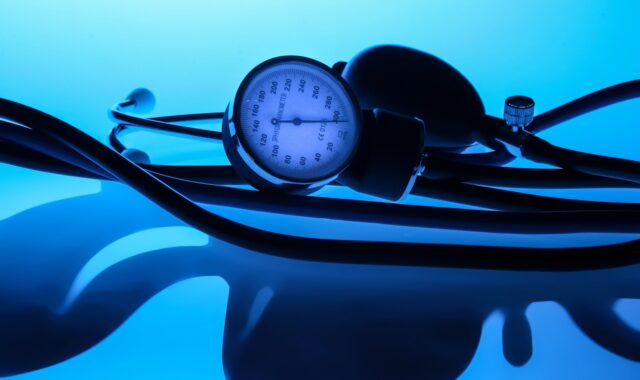
Remote patient monitoring (RPM) devices allow patients to collect physiologic data outside the clinic and send it electronically to a care team. A connected blood pressure cuff, weight scale, pulse oximeter, glucose monitor or wearable sensor can become part of a diagnostic workflow, not just a stand-alone home gadget. The clinical value comes from the full chain: reliable measurement, automatic data transmission, timely review and a defined response when readings suggest a problem.
This matters because chronic and acute conditions can change between office visits. For diagnostic teams, remote monitoring can add longitudinal data that would otherwise be missing. At the same time, regulators and payers have made clear that remote patient monitoring is not only a convenience feature. It requires valid devices, patient education, cybersecurity controls, medical necessity and documentation showing how the data affected care. You can also explore more in Diagnostic Devices.
Why remote monitoring is becoming part of diagnostic device strategy
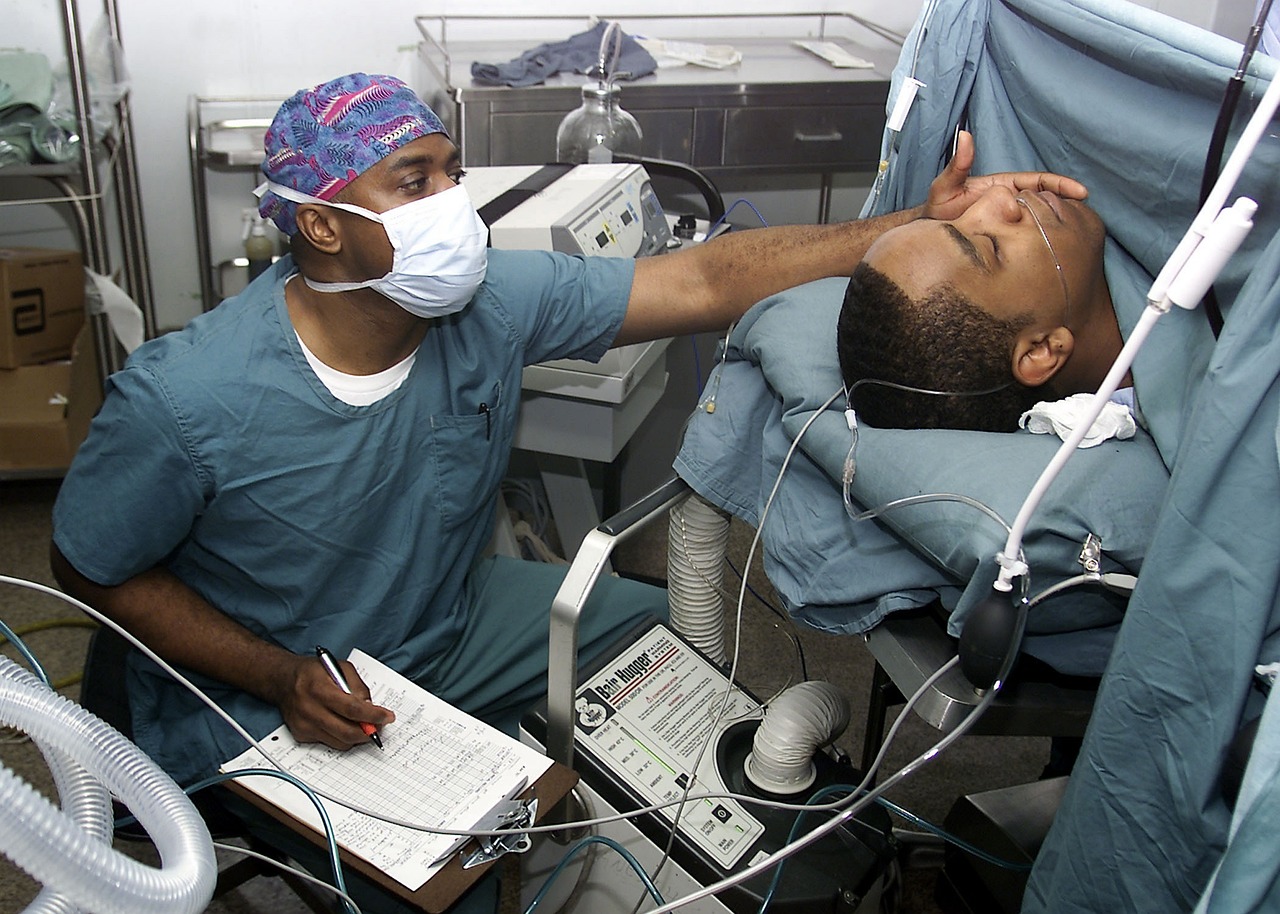
Traditional diagnostic devices have often been evaluated around a single point of care: a clinic, hospital unit, laboratory or imaging room. Remote patient monitoring changes that model by extending measurement into the home and creating a stream of patient-generated health data. Used well, that data can help clinicians identify patterns over days or weeks instead of relying only on an office reading.
According to the Centers for Medicare & Medicaid Services, remote patient monitoring involves patients collecting health data such as blood pressure, weight or glucose levels with a connected medical device that automatically transmits the data to a provider. CMS describes three core components: education and setup, device supply, and treatment management. That framing is important because it separates true monitoring from simply shipping a device to a patient.
For manufacturers and care organizations, the commercial opportunity carries a clinical responsibility. A device must produce measurements accurate enough for its intended use, be simple enough for patients to use correctly, and be connected enough to deliver data without manual transcription. A remote scale used for heart failure monitoring, for example, is useful only if the patient can weigh consistently, the reading reaches the care team, and the care team has a protocol for possible fluid retention.
Readers interested in the broader device category can follow more updates in diagnostic devices, where connected monitoring increasingly overlaps with traditional diagnostic equipment.
The device categories that dominate RPM programs
Remote patient monitoring is often discussed as a software service, but measurement hardware remains the foundation. The most common device types are tied to high-burden conditions that require frequent observation.
| Device type | Common monitored parameter | Typical clinical use | Key evaluation issue |
|---|---|---|---|
| Connected blood pressure cuff | Systolic and diastolic blood pressure | Hypertension management, medication titration, cardiovascular risk follow-up | Cuff size, validation, patient positioning and measurement frequency |
| Connected weight scale | Body weight trend | Heart failure monitoring, fluid status surveillance, weight management programs | Daily adherence, stability of readings and alert thresholds |
| Pulse oximeter | Peripheral oxygen saturation and pulse rate | Respiratory monitoring, post-discharge follow-up, selected chronic lung disease programs | Signal quality, skin tone considerations, motion and perfusion effects |
| Glucose monitor | Blood glucose or continuous glucose trend | Diabetes management and therapy adjustment | Accuracy, alert reliability, integration with treatment decisions and patient training |
| Wearable sensor | Heart rate, activity, rhythm-related signals or other physiologic metrics | Longitudinal observation, recovery programs, selected cardiac or chronic care pathways | Clinical validation, battery life, data overload and false alerts |
The table also shows why a device list is not enough. A care team selecting remote patient monitoring devices should define which clinical decision each data stream is expected to support. If that answer is vague, the program may add cost and alert fatigue without improving care.
Regulation and reimbursement are shaping device requirements
In the United States, RPM sits between medical device regulation and health care payment policy. The FDA’s role centers on device safety, effectiveness and appropriate regulatory pathways. The agency’s October 2023 enforcement policy for certain non-invasive remote monitoring devices clarified expectations as the health system moved away from temporary COVID-19 public health emergency operations. It did not turn every connected wellness gadget into a regulated diagnostic device, but it reinforced that intended use and claims matter.
CMS policy also affects the market because reimbursement rules influence what providers adopt. CMS and Telehealth.HHS.gov describe Medicare remote physiologic monitoring as covering monitoring for acute or chronic conditions when it is medically reasonable and necessary. Current federal guidance emphasizes that physiologic data should be electronically collected and automatically uploaded, and that the device used must meet the FDA definition of a medical device.
Common Medicare RPM codes include setup and patient education, device supply, and time-based treatment management. Telehealth.HHS.gov lists codes such as 99453 for device setup, 99454 for data collection and transmission, 99457 for the first 20 minutes of management with communication, and 99458 for additional 20-minute increments. Coding guidance changes over time, so providers should verify current payer rules before billing rather than relying on device vendor summaries alone.
The practical result is that product teams cannot treat reimbursement as an afterthought. A connected device may offer useful dashboards, but if it lacks automatic transmission, documentation support or a clear medical necessity use case, providers may struggle to use it responsibly in a reimbursed RPM workflow.
Oversight concerns show why implementation matters
Remote monitoring has expanded quickly, and growth has brought scrutiny. In September 2024, the HHS Office of Inspector General reported that Medicare use of remote patient monitoring increased dramatically from 2019 to 2022. The same report found that about 43 percent of enrollees who received RPM did not receive all three components of monitoring, raising questions about whether services were being used as intended.
OIG also recommended stronger safeguards, including better information about who ordered monitoring, methods to identify what health data were being monitored, provider education about billing, and monitoring of companies that bill for RPM. CMS later updated public education material and, according to the OIG recommendation tracker, had implemented at least one provider education recommendation by June 2025 while other recommendations remained open for future updates.
For device makers and providers, the lesson is not that RPM is unsafe or ineffective. The lesson is that a monitoring program needs operational discipline. A compliant program should define:
- which condition is being monitored and why remote data is medically necessary;
- which device is supplied and whether it meets the intended medical device requirements;
- how patients are trained to use the device correctly;
- how often readings are expected and what counts as insufficient data;
- who reviews alerts, how quickly they respond, and how actions are documented;
- how the organization prevents duplicate billing or unclear responsibility across multiple practitioners.
Without these elements, remote monitoring can become a logistics program rather than a diagnostic service.
Cybersecurity and interoperability are no longer secondary features
Connected medical devices expand the ability of providers to monitor and treat patients remotely, but they also increase cybersecurity exposure. The FDA has repeatedly noted that internet-connected medical devices and networked systems can be vulnerable to security breaches that may affect safety and effectiveness. In June 2025, the FDA issued final guidance on cybersecurity in medical devices for quality system considerations and premarket submissions, superseding the 2023 version of the same guidance. See also: clinical equipment.
For remote patient monitoring devices, cybersecurity is not limited to password strength. It includes secure software design, update capability, vulnerability management, access control, data integrity, cloud security, mobile app behavior and clear labeling for users and health care organizations. A compromised or unreliable data pathway can create clinical risk if it delays an alert, changes a value, interrupts transmission or causes clinicians to lose trust in the data.
Interoperability is closely related. RPM data is most useful when it enters the care workflow without forcing clinicians to check multiple portals. Device platforms that integrate with electronic health records, support structured data export and preserve an audit trail are better positioned for serious clinical use. Integration, however, should not create a flood of low-value alerts. A good RPM program filters data into actionable signals and leaves room for clinician judgment.
How providers and buyers should evaluate RPM devices
For hospitals, physician groups and home care organizations, the purchasing question should move beyond price per device. Remote monitoring affects patient training, data governance, staffing, billing, IT security and quality reporting. A low-cost device can become expensive if it increases support calls, produces unreliable readings or fails to fit clinical workflows.
A practical evaluation checklist should include the following:
- Clinical fit: Match the device to a defined condition, measurable risk and planned intervention. Do not monitor a parameter unless someone is responsible for acting on it.
- Measurement reliability: Review validation, labeling, calibration needs and known limitations. For blood pressure devices, cuff size and measurement technique can be as important as connectivity.
- Patient usability: Assess display readability, pairing steps, battery requirements, language support, packaging and support for patients with limited digital access.
- Automatic transmission: Confirm that data can be uploaded electronically without relying on patient self-report when the intended RPM pathway requires automatic data collection.
- Workflow integration: Check how readings, alerts and notes appear to care teams. A strong device platform should reduce manual work rather than create another inbox.
- Security posture: Review update policies, access controls, data encryption, vulnerability disclosure practices and incident response responsibilities.
- Documentation support: Make sure the platform helps record consent, setup, device supply, readings, review time and patient communication when those elements are required.
- Equity and access: Consider whether the device works for patients without smartphones, stable broadband or high technical confidence.
This type of assessment helps separate diagnostic infrastructure from consumer-style connected accessories. The best fit is not always the most feature-heavy product. It is the device and platform combination that supports a specific clinical pathway with reliable data and a manageable workload.
What the next phase of RPM is likely to emphasize
The next phase of remote monitoring will likely be less about whether devices can connect and more about whether the data changes decisions. RPM programs are expected to face more questions about evidence, accountability, cybersecurity, patient selection and cost control. That pressure should benefit devices that can demonstrate measurement quality, integration readiness and clear clinical use cases.
Several trends are already visible. First, payers and oversight bodies are paying closer attention to whether all components of monitoring are actually delivered. Second, FDA activity around digital health and cybersecurity shows that connected device design will remain a regulatory focus. Third, clinical teams are becoming more aware that raw data volume is not the same as diagnostic value.
For medical device companies, the opportunity is to design remote patient monitoring devices as part of a care system rather than isolated hardware. For providers, the goal is to deploy RPM where it can detect deterioration, guide therapy, reduce unnecessary visits or support patients who need frequent follow-up. When those pieces align, remote monitoring becomes a meaningful extension of diagnostic care.
Frequently asked questions
Are remote patient monitoring devices the same as consumer wearables?
No. Some consumer wearables collect health-related data, but remote patient monitoring in a clinical and reimbursed context usually requires a device and workflow that support medical use, automatic data transmission, patient consent, documentation and provider review. Intended use and claims are critical.
What conditions are commonly monitored with RPM?
Common use cases include hypertension, heart failure, diabetes, respiratory conditions and post-discharge follow-up for selected patients. The condition should require ongoing observation, and the monitored parameter should support a clear clinical decision.
Does Medicare cover every connected device used at home?
No. Medicare coverage depends on medical necessity, eligible monitoring, applicable coding rules and payer requirements. CMS guidance emphasizes connected devices that meet the FDA definition of a medical device and electronically upload physiologic data.
What is the biggest implementation risk for RPM programs?
The biggest risk is treating RPM as device distribution rather than care management. A successful program needs patient education, reliable data flow, defined alert protocols, documentation and clinician follow-up.
Why is cybersecurity important for remote patient monitoring?
RPM devices transmit health data across connected systems. Weak cybersecurity can threaten privacy, data integrity and patient safety, especially if a vulnerability interrupts monitoring or undermines trust in the readings clinicians use for decisions.