Medical equipment and supplies buying guide for healthcare facilities
What buyers should decide first
Buying medical equipment and supplies should start with the clinical need, not a catalog page. The right choice must fit the care setting, patient population, staff workflow, regulatory requirements, maintenance capacity and budget over the item’s useful life. Before comparing prices, a healthcare facility should answer five questions: what problem the item solves, whether it is suitable for the intended use, whether the supplier can support it, what it will cost to operate, and how the organization will keep it safe after delivery.
This guide is written for healthcare administrators, practice managers, procurement teams and department leads who need a structured way to evaluate equipment and routine supplies. For related purchasing topics, see the Buying Guides section.
Separate equipment, supplies and regulated use cases
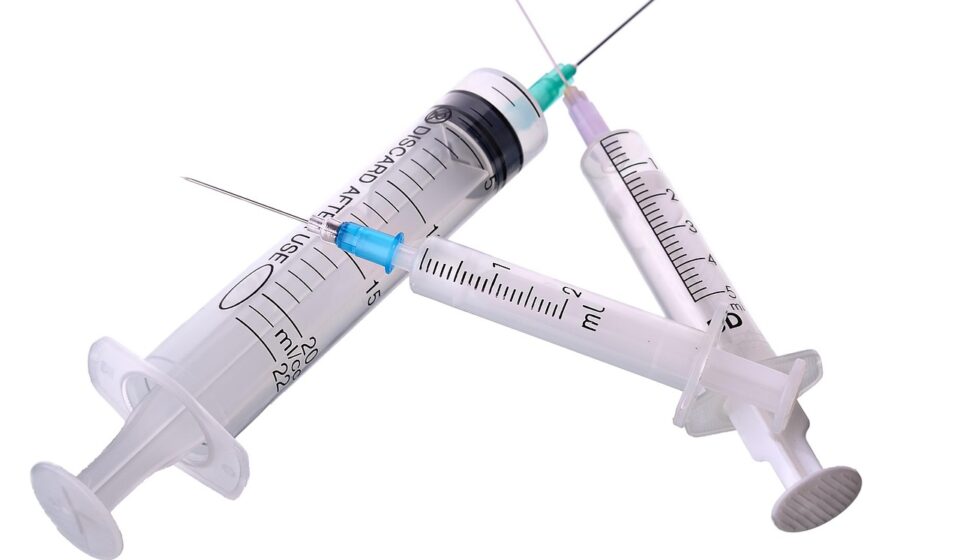
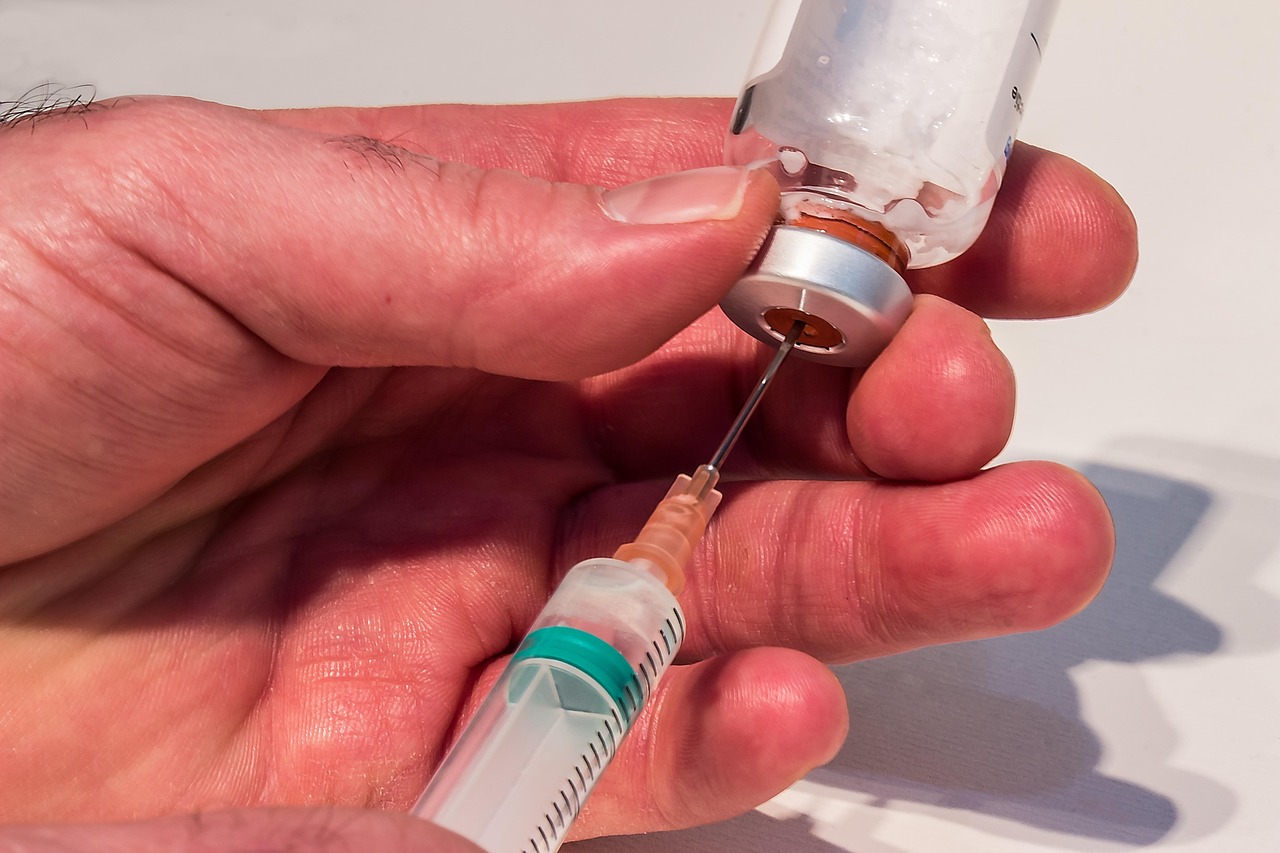
A clear scope helps prevent costly purchasing mistakes. Medical equipment usually refers to durable assets such as monitors, sterilizers, infusion pumps, exam tables, imaging systems, laboratory analyzers or respiratory devices. Medical supplies are generally consumed, replaced or replenished more often, such as dressings, tubing, gloves, syringes, electrodes, test strips and disinfectants. The distinction is not always simple: one system may require both a capital device and recurring proprietary consumables.
Regulatory status depends on intended use. In the United States, the Food and Drug Administration classifies medical devices by risk, intended use and indications for use. Class I devices are generally lower risk, Class II devices usually require special controls, and Class III devices are typically higher-risk products that require the most stringent review. Buyers should not treat these classes as marketing labels; they affect what evidence, labeling and market authorization may be relevant.
The FDA’s unique device identification system also matters for many devices because it supports identification through distribution and use. For facilities, UDI information can improve receiving records, inventory control, recall management and asset tracking. Buyers should also be careful with claims such as FDA registered or FDA certified. FDA establishment registration alone does not mean the agency has approved, cleared or endorsed a specific product.
Common buying categories
- Capital equipment: higher-value assets with installation, training, service and replacement planning needs.
- Reusable clinical instruments: items that require validated cleaning, disinfection or sterilization instructions.
- Single-use supplies: consumables that require storage control, lot tracking and expiration management.
- Connected or software-enabled devices: equipment that may require cybersecurity, IT integration, software updates and access-control review.
- Home medical equipment and DMEPOS items: products that may involve payer, accreditation and supplier-standard requirements when Medicare reimbursement is involved.
Build specifications around clinical workflow
A strong purchase specification describes the care process, not only the product name. Start by identifying the clinical setting, user group, expected patient volume, required accessories, space constraints, cleaning method, power or network requirements and documentation needs. A clinic buying exam-room diagnostic equipment, for example, may place more weight on ease of use, calibration workflow and consumable availability than on advanced features designed for a hospital department.
Specifications should separate must-have requirements from preferences. Must-have requirements may include compatibility with existing accessories, validated reprocessing instructions, required measurement range, battery backup, alarm functionality, data export, language options, service response time or specific infection-prevention needs. Preferences may include brand familiarity, interface design, portability or optional automation.
| Specification area | Questions to answer | Why it matters |
|---|---|---|
| Clinical fit | Who will use it, for which patients, and in what setting? | Prevents overbuying and under-specifying. |
| Consumables | Are supplies proprietary, widely available or interchangeable? | Recurring supplies can shape lifetime cost and continuity. |
| Cleaning and reprocessing | Can staff follow the manufacturer’s instructions with current equipment? | Unsafe reprocessing can create patient-safety risk. |
| Infrastructure | Does it need special power, ventilation, water, floor loading or network access? | Site changes can delay installation and increase cost. |
| Data and cybersecurity | Will it connect to the network, EHR, cloud portal or external media? | Connected devices need IT and security review before purchase. |
For complex equipment, involve biomedical engineering, infection prevention, IT security, facilities and frontline users early. This reduces the risk that a product appears acceptable during procurement but fails during installation, training or routine use.
Evaluate suppliers before comparing prices
Supplier evaluation is as important as product evaluation. A low price has limited value if the item cannot be verified, serviced, stocked or supported. For regulated devices, ask whether the supplier is the manufacturer, an authorized distributor, a third-party reseller or a refurbisher. Request documentation that supports the product’s identity, model, configuration, labeling, warranty terms and service pathway.
For products billed under Medicare durable medical equipment, prosthetics, orthotics and supplies rules, CMS requires DMEPOS suppliers to meet quality standards and, unless exempt, obtain accreditation to get and keep Medicare billing privileges. Even when a facility is not billing Medicare directly, those standards indicate the type of supplier capability buyers should examine: product-specific service, setup, documentation, complaint handling and ongoing support.
Supplier due diligence should also cover continuity. Ask about backorders, substitute products, minimum order quantities, shelf-life guarantees, recall notification procedures and after-hours support. If an item is clinically critical, a single attractive quote from a fragile supply source may create more risk than a slightly higher price from a supplier with stronger documentation and availability.
Supplier proof points to request
- Manufacturer name, model, catalog number, UDI or device identifier when applicable.
- Instructions for use, safety information, cleaning instructions and installation requirements.
- Warranty, preventive maintenance schedule, service response process and spare-parts availability.
- Evidence that the product is appropriate for the intended market and use.
- Lot, serial number and expiration tracking process for supplies.
- Recall, complaint and adverse-event communication procedure.
- Cybersecurity documentation for connected devices, including update practices and access controls.
Calculate total cost of ownership, not just purchase price
The World Health Organization’s health technology management materials emphasize that medical device procurement should consider operational costs, consumables, maintenance, calibration, energy and staffing, not only the initial purchase. This is especially important for equipment tied to proprietary cartridges, sensors, service contracts, software subscriptions or specialized training.
Total cost of ownership should be estimated before vendor selection. A product with a lower purchase price can become more expensive if it requires costly accessories, frequent calibration, unavailable spare parts, custom IT work or a service contract that excludes common failures. Conversely, a higher-priced product may be more economical if it reduces downtime, integrates with existing workflows and uses standard supplies already stocked by the facility.
| Cost category | Examples | Buying question |
|---|---|---|
| Initial cost | Device, accessories, freight, installation, taxes | What must be purchased to make it usable on day one? |
| Consumables | Disposables, reagents, electrodes, filters, tubing | What is the expected cost per patient, test or procedure? |
| Maintenance | Preventive maintenance, calibration, repairs, loaners | Who services it, how fast, and under what terms? |
| Training | Initial staff training, competency checks, retraining | Can staff use and clean it correctly without workflow disruption? |
| IT and software | Licenses, interfaces, cybersecurity controls, updates | Are recurring software and integration costs clearly defined? |
| End of life | Replacement, disposal, data removal, decommissioning | How will the facility retire it safely and document the process? |
Buy, lease and rental decisions should follow expected use. Ownership may fit stable, frequently used equipment with predictable maintenance. Leasing or rental may make sense for short-term demand, rapidly changing technology, trial periods or limited cash flow. The decision should be based on lifetime value and risk, not only the monthly payment. See also: clinical equipment.
Plan installation, maintenance and safety controls before ordering
Installation planning should happen before a purchase order is issued. Some equipment needs dedicated electrical capacity, backup power, ventilation, water, drainage, reinforced flooring, shielding, network segmentation or secure storage. If these requirements are discovered after delivery, the facility may face delays, change orders or unsafe workarounds.
Medical equipment should enter a documented inventory process when received. Useful records include manufacturer, model, serial number, UDI when applicable, location, department owner, acquisition date, warranty period, maintenance schedule, software version and risk category. The Joint Commission’s equipment management guidance recognizes written inventories and maintenance strategies, including alternative equipment maintenance programs when they are based on accepted standards and do not reduce safety. Life-support and high-risk devices deserve especially careful tracking.
Maintenance planning should identify who performs preventive maintenance, how failures are reported, when equipment is removed from service, and what records are retained. For connected devices, maintenance also includes software updates, vulnerability management, password control and coordination between clinical engineering and IT security. FDA cybersecurity guidance for medical devices has increasingly emphasized secure design, maintenance and documentation for devices with cybersecurity risk.
Reprocessing and infection prevention are equally important. FDA materials describe reusable medical device reprocessing as a detailed multistep process involving cleaning followed by disinfection or sterilization according to labeling instructions. CDC disinfection and sterilization guidance recommends matching the level of cleaning, disinfection or sterilization to the risk associated with the item and its patient-care use. If a facility cannot reliably follow the manufacturer’s reprocessing instructions, the product may be a poor fit even if it is otherwise clinically attractive.
Use a structured decision matrix
A decision matrix helps buyers compare options consistently. It should not override a safety, regulatory or compatibility no-go, but it can make trade-offs visible. Adjust the weights to match the purchase. For a non-connected supply item, cybersecurity may be removed and the weight reassigned to continuity or infection-control fit. For a networked monitor or analyzer, cybersecurity and integration should carry more weight.
| Criterion | Suggested weight | What to score |
|---|---|---|
| Clinical and workflow fit | 25% | Meets intended use, user needs, patient volume and setting. |
| Regulatory and documentation readiness | 20% | Appropriate labeling, instructions, device identity and records. |
| Supplier reliability | 20% | Authorized channel, support, availability, warranty and recall process. |
| Total cost of ownership | 15% | Consumables, service, training, software and end-of-life cost. |
| Maintenance and safety controls | 10% | Preventive maintenance, calibration, reprocessing and inventory fit. |
| Cybersecurity and integration | 10% | Network access, updates, access control, audit trail and data flow. |
Document why the selected option won. A short purchasing file that records the need, options reviewed, supplier checks, total cost assumptions and implementation plan can support future audits, replacement planning and staff training.
Procurement checklist for medical equipment and supplies
- Define the clinical need, care setting, users and patient population.
- Confirm whether the product is a regulated medical device and whether its intended use matches your need.
- Request instructions for use, cleaning instructions, safety information and technical specifications.
- Verify model numbers, catalog numbers, serial or lot tracking, expiration dates and UDI when applicable.
- Evaluate supplier authorization, warranty, service support, spare parts and recall communication.
- Estimate full ownership cost, including consumables, maintenance, calibration, software, training and disposal.
- Check storage, installation, power, network, ventilation and space requirements before ordering.
- Review infection-prevention requirements for reusable items and single-use supplies.
- Include clinical engineering, infection prevention, IT and frontline users when the product affects their workflow.
- Create receiving, inventory, maintenance and incident-reporting records before the item enters use.
Frequently asked questions
What documents should buyers request before purchasing?
At minimum, request the current instructions for use, technical specifications, cleaning or reprocessing instructions, warranty terms, service requirements, product identifiers, lot or serial tracking process, and any documentation needed to confirm the product is appropriate for the intended market and use. For connected devices, also request cybersecurity and software-maintenance information.
Is FDA registration the same as FDA approval?
No. FDA establishment registration generally means a company has registered a facility or establishment as required; it does not mean the FDA has approved, cleared or endorsed every product the company sells. Buyers should verify the specific product, intended use and regulatory pathway rather than relying on registration language in marketing materials.
Should a clinic buy refurbished medical equipment?
Refurbished equipment can be appropriate when the seller can document the device identity, condition, service history, calibration status, warranty, parts availability and installation requirements. Avoid purchases where the serial number, service pathway, software status or safety documentation cannot be verified. For critical equipment, clinical engineering review is strongly recommended.
How should buyers choose between reusable and disposable supplies?
The decision should consider infection-prevention requirements, staff capacity, waste, storage, cost per use and labeling. Reusable devices require validated reprocessing instructions, and the facility must be able to follow them consistently. Single-use products should be treated according to their labeling and facility policy; reprocessing single-use devices involves additional regulatory and quality-system considerations.
How often should medical equipment be maintained?
Maintenance frequency depends on manufacturer instructions, risk level, usage, environment, facility policy and accreditation requirements. Life-support, high-risk and heavily used equipment usually needs tighter control than low-risk items. The safest approach is to define maintenance responsibilities before purchase and keep records for inspection, repair, calibration and removal from service.