How to choose a blood pressure apparatus for home or clinical use
Start with validation, cuff fit, and use case
A blood pressure apparatus should be chosen first for measurement reliability, not for screen size, app features, or the number of stored readings. For most home users, guidance from the American Heart Association and American Medical Association favors an automatic upper-arm cuff monitor that has been clinically validated and fitted with the correct cuff size. Wrist devices can be useful in specific situations, but they are more sensitive to positioning and should not be treated as the default choice.
Clinics, pharmacies, and care programs need to look beyond convenience. Before purchasing, they should review validation evidence, cuff range, cleaning workflow, data handling, power options, and replacement cuff availability. This guide is written for buyers comparing home monitors, professional office devices, and portable monitors. For more equipment selection articles, visit our Buying Guides section.
What counts as a blood pressure apparatus
The term blood pressure apparatus can refer to several related devices. In clinical language, a traditional blood pressure instrument is often called a sphygmomanometer. In modern purchasing, the same search may include digital blood pressure monitors, manual aneroid sets, ambulatory monitors, wall-mounted exam-room units, and newer cuffless devices. These products are not interchangeable.
| Device type | Typical use | Main buying concern |
|---|---|---|
| Automatic upper-arm monitor | Home monitoring, clinics, community programs | Clinical validation, cuff range, memory, ease of use |
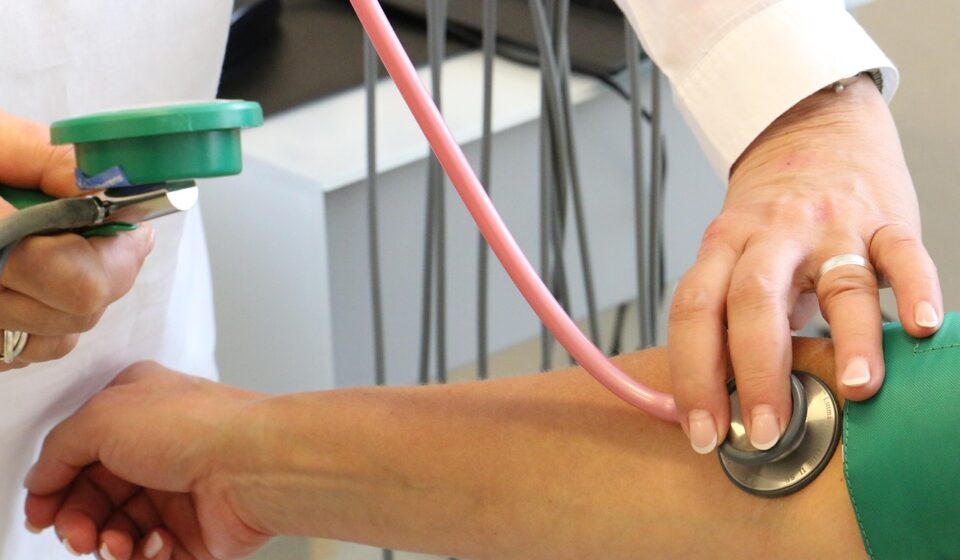
| Manual aneroid sphygmomanometer | Clinician measurement, backup device, training | User skill, stethoscope quality, calibration checks |
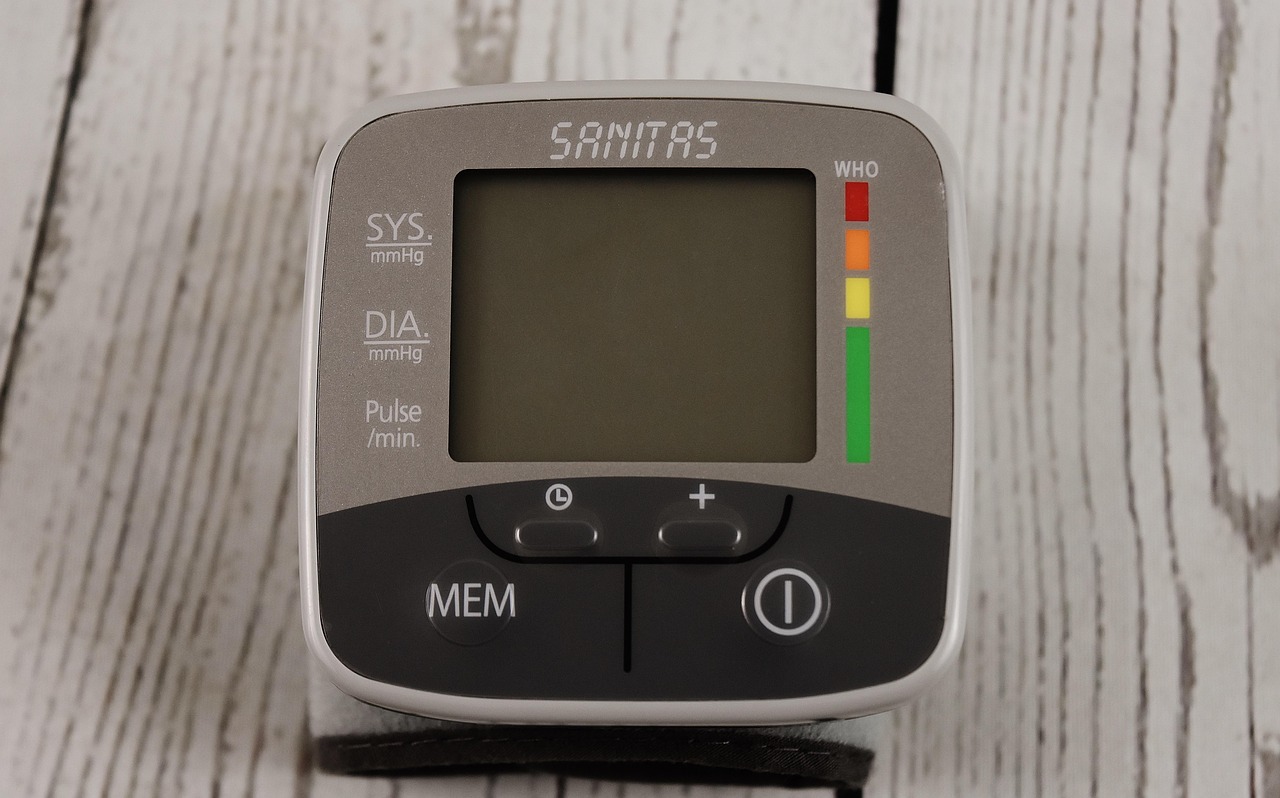
| Wrist blood pressure monitor | Selected users who cannot use an upper-arm cuff | Validation, wrist positioning at heart level, user consistency |
| Ambulatory blood pressure monitor | 24-hour clinical assessment | Clinical protocol support, patient comfort, software reports |
| Cuffless device | Emerging monitoring category | Regulatory status, performance evidence, intended-use limits |
For a household buyer, the practical starting point is usually an automatic upper-arm monitor. For a clinic, the right choice depends on whether the device will be used for routine vital signs, repeated measurements, home loan programs, or ambulatory assessment. Procurement teams should document the intended use before comparing prices because validation, accessories, and maintenance requirements differ by setting.
Why validation matters more than brand familiarity
A monitor can look professional and still lack strong evidence for accuracy in real users. Validation means the device has been tested under a recognized clinical protocol against a reference method. Purchasing teams commonly check recognized device lists such as the U.S. Validated Device Listing, STRIDE BP, or other national and international registries. These lists help separate marketing claims from reviewed evidence.
For cuff-based automated monitors, ISO 81060-2 and related AAMI, European Society of Hypertension, and international protocols are commonly referenced in validation discussions. The World Health Organization also published technical specifications in 2023 for pre-market assessment of automated and semi-automated cuff blood pressure measuring devices. These documents are not shopping checklists for patients, but they explain why buyers should ask whether a specific model, not just a product family, has been tested.
Validation should be checked at the model level. A similar name, newer version, different cuff package, or connected app model may not automatically share the same evidence. If a seller says a device is clinically proven, buyers should look for the exact model number on a validated device list or in the manufacturer documentation. For clinics buying in volume, this step is especially important: a small per-unit saving can become costly if readings are inconsistent or the device does not fit the patient population.
Cuff size is a common source of wrong readings
The cuff is not a minor accessory. It is part of the measuring system. A cuff that is too small can overestimate blood pressure, while a cuff that is too large can underestimate it. Public guidance from cardiovascular organizations consistently emphasizes measuring the user’s arm and choosing the correct cuff size. This matters for home users, and it matters even more for clinics, community screenings, pharmacies, and chronic disease programs serving adults with a wide range of arm circumferences.
Before buying, check the cuff range in centimeters, not only labels such as standard, large, or extra large. Labels vary by manufacturer. A good purchasing specification should state the required arm circumference range, availability of replacement cuffs, and whether the monitor supports multiple cuff sizes without changing accuracy claims. If the device is intended for shared use, one standard cuff is rarely enough.
- Measure the midpoint circumference of the upper arm before selecting a home device.
- For clinics, stock small, standard, large, and extra-large cuffs when the patient mix requires it.
- Confirm that replacement cuffs are available from the manufacturer or authorized suppliers.
- Avoid stretching a cuff beyond its stated range to make it fit.
- For infection control, review cuff material, cleaning instructions, and expected replacement intervals.
A validated monitor with the wrong cuff can still produce misleading results. For many buyers, cuff compatibility is the simplest way to improve real-world performance without paying for unnecessary digital features.
Upper-arm, wrist, manual, and cuffless options compared
Automatic upper-arm monitors
An automatic upper-arm blood pressure apparatus is the most practical option for many home users and primary-care workflows. It removes the need to listen through a stethoscope and usually displays systolic pressure, diastolic pressure, and pulse rate. Useful features include one-button operation, clear error messages, memory for multiple users, date and time stamps, and averaging functions. These features are helpful, but they should come after validation and cuff fit.
Wrist monitors
Wrist monitors are smaller and easier to place for some users, but they are more sensitive to body position. The wrist must be held at heart level, and small positioning errors can affect readings. Some validated wrist devices may be appropriate when an upper-arm cuff cannot be used because of arm size, medical conditions, or fit limitations. Buyers should not choose a wrist device only because it is cheaper or more compact.
Manual aneroid devices
Manual aneroid sphygmomanometers can be reliable in trained hands, but they require proper technique, a stethoscope, and periodic accuracy checks. They are better suited to clinicians, training programs, and backup use than to most untrained home users. If a facility buys manual devices, it should also plan for staff competency, gauge inspection, cuff replacement, and a calibration policy.
Cuffless blood pressure devices
Cuffless monitoring is an active development area, especially in wearable technology. The U.S. Food and Drug Administration issued draft guidance in January 2026 on clinical performance testing and evaluation for cuffless non-invasive blood pressure measuring devices. That does not mean every cuffless product is ready to replace a validated cuff monitor. Buyers should review the intended use, regulatory status, need for calibration, tested population, and whether the device reports intermittent estimates, trends, or clinically actionable measurements. See also: clinical equipment.
Features worth paying for and features to treat cautiously
Once validation and cuff range are confirmed, features can improve usability. A large display helps older users. Memory storage reduces transcription errors. Irregular heartbeat indicators may prompt users to repeat a reading or discuss results with a clinician, but they should not be treated as a diagnosis. Bluetooth or Wi-Fi can be useful when readings need to be shared with a care team, but connectivity should not distract from measurement quality.
| Feature | Why it can help | Buying caution |
|---|---|---|
| Multi-user memory | Keeps household readings separate | Check whether each user has enough dated records |
| Averaging function | Helps summarize repeated readings | Understand which readings are included in the average |
| Bluetooth or app sync | Supports remote review and trend tracking | Review privacy, phone compatibility, and export options |
| Irregular heartbeat indicator | Flags possible measurement irregularity | Not a substitute for medical evaluation |
| Rechargeable battery | Reduces battery replacement | Confirm performance during low charge and charging downtime |
For professional settings, the feature list should include practical workflow items: durable cuffs, fast replacement parts, clear error codes, stable stands or wall mounts, long power cords, battery backup, cleaning compatibility, and data export that fits existing records systems. A low-cost device may be reasonable for individual home use but unsuitable for a busy clinic if cuffs wear out quickly or the screen is hard to read across an exam room.
How to use a purchased device accurately
Buying the right apparatus is only half of the accuracy problem. Technique matters. The Centers for Disease Control and Prevention and major heart organizations describe similar measurement basics: sit with the back supported, keep feet flat on the floor, rest before measuring, use the cuff on bare skin, support the arm at heart level, and avoid talking during the reading. These steps are simple, but they are often skipped.
- Read the device manual before the first use and confirm the cuff size.
- Sit quietly before measuring rather than taking a reading immediately after walking, eating, smoking, or exercising.
- Place the cuff on bare skin, not over clothing.
- Support the arm so the cuff is at heart level.
- Take repeated readings as instructed by a clinician or care program rather than reacting to one isolated result.
- Bring the device to a medical appointment if a clinician wants to compare technique or review stored readings.
Home readings should support care decisions, not replace professional guidance. Users should ask a healthcare professional how often to measure, what numbers require a call, and how to record readings. Anyone with symptoms such as chest pain, shortness of breath, weakness, confusion, or severe headache should seek urgent medical advice rather than relying on a home monitor.
A practical buying checklist
Before purchasing, compare devices against a short, evidence-based checklist. This is more reliable than choosing by price or online ratings alone.
- Is the exact model listed in a recognized validated device registry or supported by a credible validation study?
- Is it an upper-arm cuff monitor unless there is a clear reason to choose a wrist or specialized device?
- Does the cuff range fit the intended user or patient population?
- Are replacement cuffs, adapters, batteries, and manuals easy to obtain?
- Is the display readable and the operation simple for the intended user?
- Does the memory or connectivity match the way readings will be reviewed?
- For clinical use, does the device fit cleaning, documentation, and maintenance workflows?
- Does the seller provide the exact model number, warranty terms, and regulatory documentation where needed?
In practice, the strongest buying decision is usually not the most feature-rich device. It is the device that has validation evidence, fits the user’s arm, can be used correctly, and can be maintained over time. That combination is what makes a blood pressure apparatus useful in everyday monitoring.
Frequently asked questions
Is a blood pressure apparatus the same as a blood pressure monitor?
In everyday buying language, yes. Blood pressure apparatus is a broader term that may include manual sphygmomanometers, digital monitors, cuffs, gauges, and related accessories. A blood pressure monitor usually refers to an automatic digital device.
Are wrist blood pressure monitors accurate?
Some wrist monitors have validation evidence, but wrist measurement is more position-sensitive than upper-arm measurement. For most users, an automatic validated upper-arm monitor remains the safer first choice unless an upper-arm cuff is not practical.
Should a clinic buy the same device used at home?
Not always. Home devices may be suitable for patient self-monitoring, but clinics must consider repeated daily use, cleaning, cuff inventory, documentation, power supply, replacement parts, and staff workflow. Clinical settings often need more durable systems and more cuff sizes.
How often should a blood pressure apparatus be replaced?
There is no single replacement interval for all devices. Follow the manufacturer’s instructions, replace worn cuffs, check for damage or error messages, and review facility policies for accuracy checks. If readings suddenly become inconsistent despite correct technique, the device and cuff should be assessed.
Do smartwatches replace cuff blood pressure monitors?
Not as a general rule. Cuffless and wearable technologies are developing quickly, but buyers should verify regulatory status, validation evidence, intended use, and calibration requirements. For routine clinical-grade home monitoring, a validated cuff device is still the more established option.