How health monitoring devices are reshaping diagnostic care
Health monitoring devices are becoming diagnostic inputs
In diagnostic care, health monitoring devices are moving beyond step counts and isolated consumer readings. They increasingly act as structured data sources for blood pressure, glucose trends, oxygen saturation, weight, rhythm changes, temperature and other physiological signals. For clinicians, buyers and medical device teams, the practical question is not whether a device produces more data. It is whether that data can support a timely clinical decision. Public sources such as the World Health Organization, the U.S. Food and Drug Administration, the Centers for Medicare & Medicaid Services, the CDC and the American Heart Association all point in the same direction: care is becoming more remote, connected and longitudinal. Whether monitoring improves care depends on accuracy, intended use, cybersecurity, privacy and workflow design.
What counts as a health monitoring device
In everyday language, health monitoring devices can include anything from a home blood pressure cuff to a smartwatch. In regulated health care, the definition is narrower and depends heavily on intended use. A device that tracks general wellness may be treated differently from one intended to diagnose, mitigate, treat or monitor a disease. The FDA’s general wellness policy and device software guidance both emphasize that claims and risk level matter. A product that encourages healthy habits is not evaluated in the same way as a device that alerts a clinician to possible deterioration in a patient with heart failure.
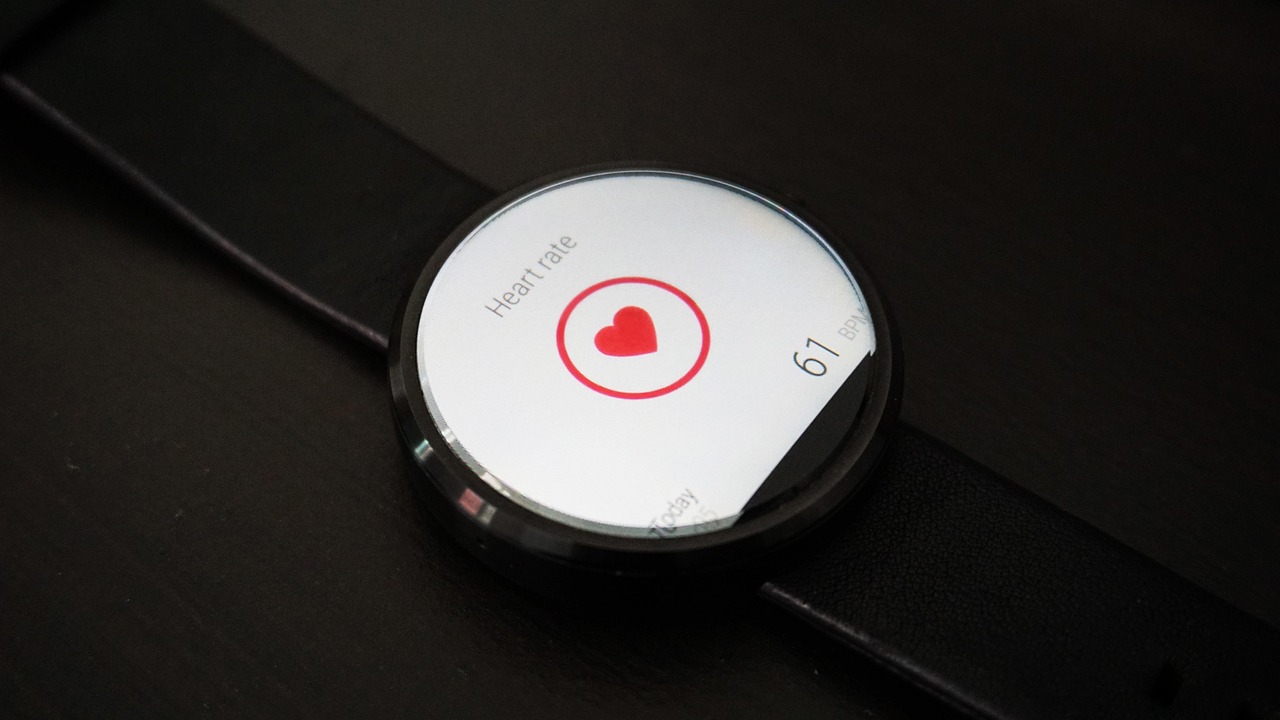
For diagnostic content, it is useful to group these technologies by what they measure and how the information is used. Common examples include:
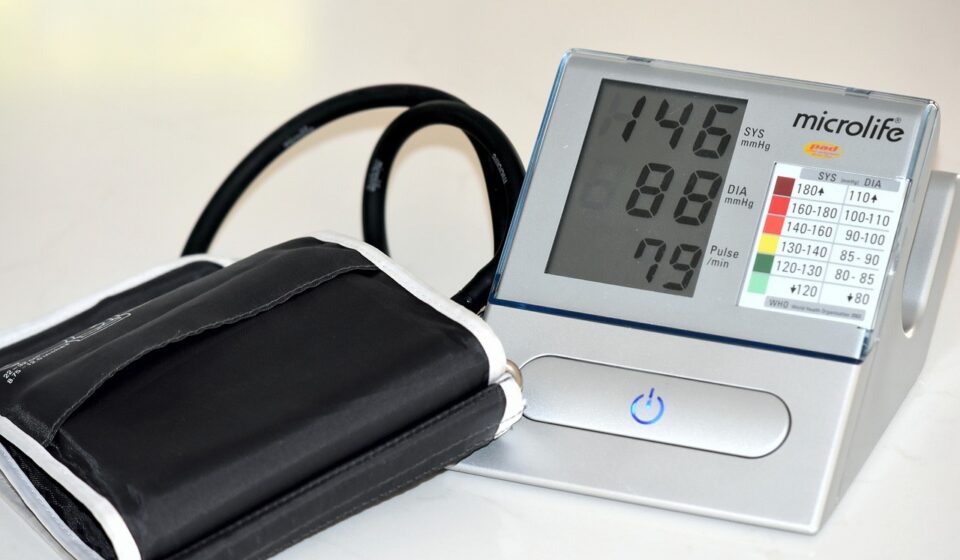
- Blood pressure monitors for hypertension screening, confirmation and treatment follow-up.
- Blood glucose meters and continuous glucose monitoring systems for diabetes management.
- Pulse oximeters for estimating blood oxygen saturation and pulse rate.
- Connected weight scales for fluid retention monitoring in selected chronic conditions.
- ECG patches, handheld ECG devices and wearable rhythm monitors for arrhythmia detection or follow-up.
- Thermometers and multiparameter monitors used in home, ambulatory or facility-based care.
The World Health Organization describes diagnostics as including technologies used for prevention, screening, diagnosis, case management, monitoring, treatment and surveillance. That framing matters because it places monitoring devices inside a broader diagnostic system rather than treating them as stand-alone gadgets. More coverage of related technologies can be found in the Diagnostic Devices section.
Why monitoring is moving closer to diagnostic workflows
Traditional diagnosis often depends on measurements collected during a short clinical encounter. That model remains essential, but it can miss patterns that occur at home, at work, during sleep or between appointments. Health monitoring devices help fill that gap by creating longitudinal data. A single office blood pressure reading may be influenced by stress, timing, cuff size or recent activity. A week of properly collected home readings may give a clinician a clearer picture of day-to-day control.
Remote patient monitoring is one formal expression of this shift. CMS describes remote patient monitoring as allowing a patient to collect health data such as blood pressure, weight and glucose levels with a connected medical device that transmits the data to a health care provider. That definition highlights two requirements that are easy to overlook: the device must collect relevant data, and the system must move that data into a clinical review process.
Physician adoption has also moved in this direction, although not without friction. The American Medical Association’s 2022 Digital Health Research reported that physician use of remote monitoring devices increased to 30% in 2022, compared with 12% in 2016. The same research identified remote monitoring devices as one of the digital tools that generated strong physician enthusiasm. The practical interpretation is not that every monitoring device is ready for routine care. Rather, clinicians are more open to tools that extend observation beyond the clinic when those tools are accurate, easy to use and integrated into care teams.
Accuracy and validation matter more than the sensor itself
The most important question is not whether a device is modern, wearable or connected. The first question is whether the measurement is valid for the intended population and setting. The American Heart Association recommends home monitoring for people with high blood pressure to help health professionals understand whether treatment is working, while also stressing the need for validated devices. The CDC uses the term self-measured blood pressure monitoring for regular use of a personal blood pressure device away from a doctor’s office or hospital. Both points reinforce the same principle: home data is valuable only when the device, technique and interpretation are reliable.
Pulse oximetry is a useful cautionary example. The FDA has warned that pulse oximeters can be affected by factors such as poor circulation, skin pigmentation, skin temperature, movement, current tobacco use and fingernail polish. The agency also published draft recommendations in January 2025 aimed at improving performance evaluation of medical-purpose pulse oximeters across skin pigmentations. This does not mean pulse oximeters have no value. It means readings should be interpreted in clinical context, especially when symptoms and numbers do not align.
The same validation logic applies across device categories. A rhythm monitor must capture a usable signal. A glucose device must be used according to its labeling. A connected scale must be accurate enough for the clinical question being asked. A wearable that estimates a physiological parameter may be useful for awareness, but it still may not replace a regulated medical device or a clinician-ordered diagnostic test.
Where different device groups add clinical value
| Device group | Potential diagnostic contribution | Key limitation to manage |
|---|---|---|
| Home blood pressure monitors | Support hypertension assessment and treatment follow-up outside the clinic. | Accuracy depends on validation, cuff fit, patient position and measurement routine. |
| Glucose monitoring devices | Show glucose patterns that can guide diabetes management and therapy review. | Use must match the device’s indications, calibration requirements and clinical plan. |
| Pulse oximeters | Estimate oxygen saturation and pulse rate in respiratory or perioperative monitoring. | Readings can be affected by perfusion, motion, skin pigmentation and other factors. |
| ECG and rhythm monitors | Capture intermittent rhythm events that may not appear during an office visit. | False positives, false negatives and data volume require clear review pathways. |
| Connected weight scales | Track rapid weight changes that may matter in selected chronic disease programs. | Weight alone is rarely diagnostic without symptoms, medication review and context. |
This comparison shows why monitoring devices should be selected by clinical use case, not by feature list. The same sensor can be high value in one workflow and low value in another. For example, a connected scale may be useful in a heart failure program with defined thresholds and nurse follow-up, but far less useful if nobody reviews the data or responds to changes.
The data workflow determines whether monitoring improves care
Connected measurement creates a second challenge after accuracy: information management. A device can produce clinically relevant data and still fail if the data arrives too late, appears in the wrong dashboard, triggers too many low-value alerts or lacks enough context for decision-making. Successful monitoring programs usually define what will be measured, who will review it, which thresholds matter, how often the data will be checked and what action follows an alert.
Workflow design should also separate screening, monitoring and diagnosis. Screening identifies people who may need further evaluation. Monitoring tracks a known condition or therapy response. Diagnosis establishes or confirms a condition using accepted clinical criteria. Health monitoring devices can contribute to all three, but they do not play the same role in each setting. Treating a consumer notification as a definitive diagnosis can create unnecessary anxiety, while ignoring repeated abnormal readings can delay care.
Interoperability is another practical barrier. Device data is more useful when it can be associated with the correct patient, time-stamped, reviewed alongside medication and symptom information, and stored in a form that supports audit trails. In research settings, the FDA’s December 2023 final guidance on digital health technologies for remote data acquisition in clinical investigations specifically addressed considerations for using hardware and software tools to collect data remotely from study participants. Although clinical care and clinical research are not identical, the guidance reflects a broader industry priority: remote data must be trustworthy, usable and traceable. See also: clinical equipment.
Regulation, privacy and cybersecurity are now selection criteria
For connected health monitoring devices, technical risk can become clinical risk. If a device transmits patient data, connects to a network or depends on software updates, security and data governance are part of the safety profile. The FDA issued final guidance on cybersecurity in medical devices on September 27, 2023, focusing on quality system considerations and content of premarket submissions. For manufacturers, cybersecurity should be designed into the product lifecycle rather than added after launch. For buyers, procurement teams should ask about update processes, vulnerability management, access controls and postmarket support.
Privacy rules are also becoming more visible as health apps and connected devices collect sensitive personal information. The Federal Trade Commission’s July 2024 Health Breach Notification Rule amendments made clear that certain health apps, connected devices and similar products can fall under breach notification obligations when they handle identifiable health information in covered ways. Organizations should not assume that a device is low risk simply because it is used at home or purchased over the counter.
Regulatory status should be checked against the device’s intended use, claims, labeling and market. A general wellness product, an over-the-counter medical device and a prescription monitoring system may look similar to the user but carry different obligations. This distinction is especially important for software-driven products that analyze patient-specific data or provide recommendations that can affect clinical decisions.
Questions to ask before adopting health monitoring devices
Before adding health monitoring devices to a clinical program, procurement list or diagnostic workflow, stakeholders should ask practical questions that connect technology to outcomes:
- What clinical decision will this device support?
- Has the device been validated for the intended population, environment and measurement range?
- Is the product regulated for the intended medical use, or is it only a general wellness tool?
- What training does the patient or caregiver need to collect reliable readings?
- How will the data be transmitted, stored, reviewed and documented?
- Who is responsible for responding to abnormal values or missing data?
- What cybersecurity controls and software update processes are in place?
- How will false alerts, data overload and health equity issues be managed?
The strongest monitoring programs start with a clinical question and then choose the device. The weakest start with a device and search for a use case afterward. For diagnostic care, that difference matters because inaccurate, unreviewed or poorly contextualized readings can cause harm even when the underlying technology is impressive.
Frequently asked questions
Are health monitoring devices the same as diagnostic devices?
Some are diagnostic devices, and some are not. The distinction depends on intended use, claims, risk and regulatory status. A device used to monitor a disease or support clinical decisions may be treated differently from a general wellness tracker that only encourages healthy lifestyle habits.
Can consumer wearables replace clinical testing?
Usually no. Consumer wearables can provide useful trends and may prompt a person to seek medical advice, but they should not automatically replace validated clinical measurements, laboratory tests or clinician-ordered diagnostic procedures. Their role should be defined by evidence, labeling and clinical context.
Which health monitoring devices are most useful in chronic disease care?
The most established use cases include blood pressure monitoring for hypertension, glucose monitoring for diabetes, weight monitoring in selected heart failure programs, pulse oximetry in respiratory monitoring and rhythm monitoring for intermittent arrhythmias. Usefulness depends on patient selection, device accuracy and follow-up workflow.
Why does validation matter if a device gives consistent readings?
Consistency is not the same as accuracy. A device can produce repeatable readings that are still wrong. Validation helps show whether the measurement is reliable for the intended population, body site, clinical condition and use environment.
Why is cybersecurity part of diagnostic device evaluation?
Connected monitoring devices may store or transmit sensitive health information and may influence clinical decisions. Weak security can expose patient data, interrupt device performance or undermine trust in the measurement system. Cybersecurity is therefore part of both safety and quality evaluation.