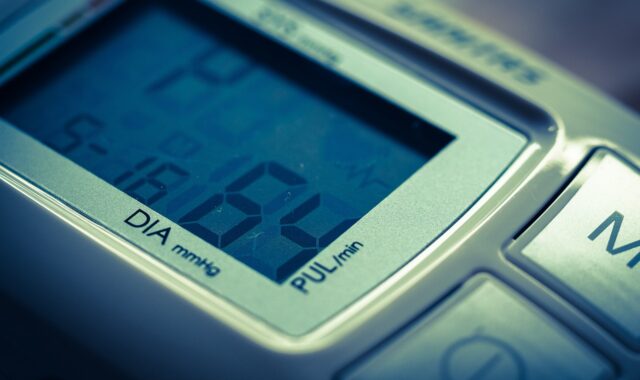
Clinical medical equipment selection guide for healthcare facilities
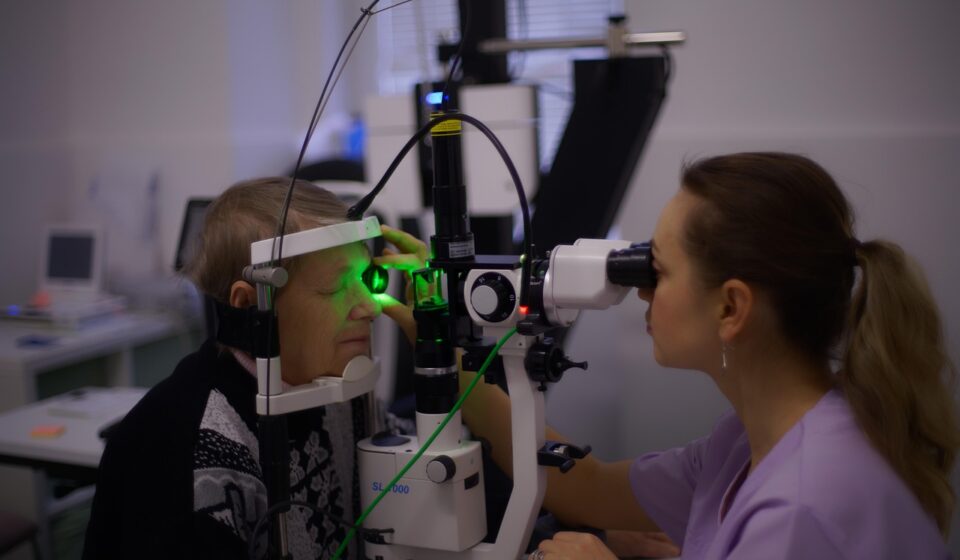
Clinical medical equipment refers to the hardware, device software and connected systems used to examine, diagnose, monitor, treat or support patients in care settings. A sound selection process does not begin with a catalog page or a unit price. It starts with the clinical task, the patient population, the risk level, the facility environment and the team that will clean, maintain and document the device after it enters service. For purchasing teams, biomedical engineers and department leaders, the practical goal is to choose equipment that fits daily workflows, can be safely maintained, meets applicable regulatory expectations and remains useful throughout its service life.
For more topic coverage across this field, visit our clinical equipment section.
What clinical medical equipment includes
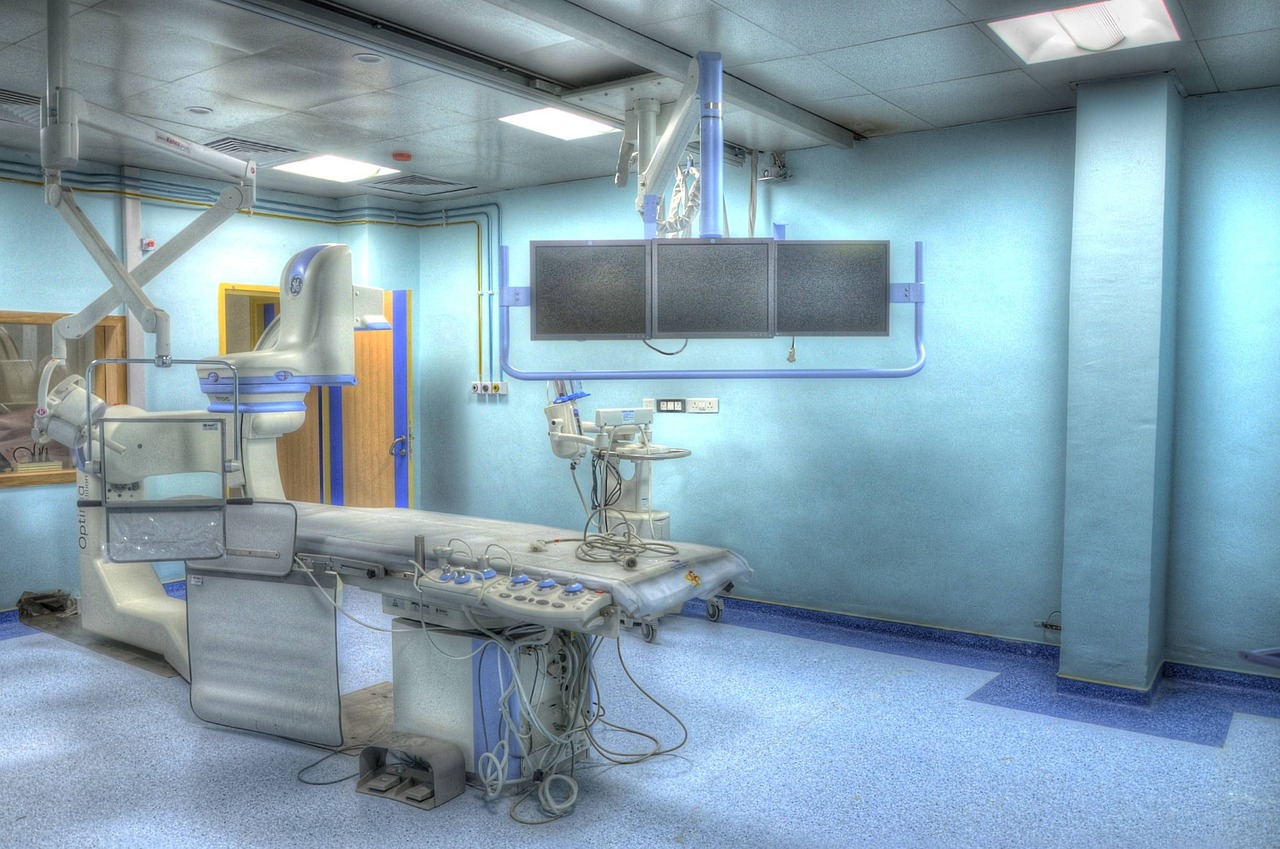
The term clinical medical equipment covers a broad range of technologies used close to patient care. It can include basic examination tools, vital-sign monitors, infusion devices, imaging equipment, sterilization systems, laboratory analyzers, anesthesia workstations, endoscopy systems, rehabilitation devices and network-connected equipment used in wards, clinics, procedure rooms and operating rooms.
In U.S. regulatory language, many of these products are medical devices. That does not mean every item in a healthcare facility follows the same regulatory pathway, carries the same risk or creates the same maintenance burden. The FDA describes a risk-based classification system for medical devices and states that device types are grouped into three classes, with higher classes generally requiring more controls to provide reasonable assurance of safety and effectiveness. The FDA also notes that it has established classifications for about 1,700 generic device types grouped into 16 medical specialty panels. (fda.gov)
| Care function | Common equipment examples | Main evaluation focus |
|---|---|---|
| Examination and diagnosis | Stethoscopes, otoscopes, ECG machines, ultrasound systems | Accuracy, workflow fit, training, calibration |
| Monitoring | Bedside monitors, pulse oximeters, capnography, telemetry | Alarm management, interoperability, uptime, cybersecurity |
| Therapy and life support | Infusion pumps, ventilators, defibrillators, anesthesia systems | Risk controls, service support, consumables, emergency readiness |
| Infection prevention | Sterilizers, washer-disinfectors, reprocessing accessories | Validated cycles, traceability, staff competency, compatibility |
| Clinical operations | Procedure tables, carts, refrigerators, point-of-care devices | Durability, ergonomics, documentation, preventive maintenance |
Start with intended use and patient risk
The key question is not whether a device has an impressive feature list. It is whether the equipment is appropriate for the intended clinical use. A monitor used in a high-acuity unit, for example, may need different alarm functions, integration and backup procedures than equipment used in a low-acuity outpatient room. A device that contacts sterile tissue also raises different reprocessing questions than a noncritical surface device used externally.
Regulatory classification is one part of this risk review, but it should not be the only part. Facilities should also evaluate the severity of harm if the device fails, the likelihood of user error, the patient group being served, the availability of backup equipment and the consequences of downtime. For higher-risk clinical medical equipment, the review should include clinical leadership, biomedical engineering, infection prevention, information security and supply chain teams before purchase approval.
When comparing products, separate mandatory requirements from preferences. Mandatory requirements may include regulatory clearance or approval for the intended market, compatibility with existing accessories, manufacturer instructions for use, electrical safety expectations, reprocessing requirements and service documentation. Preferences may include interface design, display size, brand familiarity, optional reporting features or accessory configuration.
Evaluate safety, performance and usability together
Safety and performance depend on how real users interact with equipment under clinical pressure. A device may meet a technical specification and still create avoidable risk if alarms are confusing, screens are hard to read, accessories are easy to connect incorrectly or routine cleaning requires too many steps during a busy shift.
A practical evaluation should include hands-on review by the people who will use and support the equipment. Nurses, physicians, technicians and biomedical staff often notice different risks. Clinical staff may focus on speed, alarms and patient comfort. Biomedical engineers may focus on service access, parts, calibration, battery management and failure codes. Infection prevention teams may focus on surfaces, seams, accessories and reprocessing instructions.
- Workflow fit: Does the device support current clinical pathways without adding unnecessary steps?
- Human factors: Are displays, alarms, controls and labels understandable under routine and urgent conditions?
- Accessory control: Are cables, sensors, probes and consumables clearly specified and available?
- Environmental fit: Can the equipment tolerate the space, power, ventilation, mobility and cleaning conditions of the department?
- Failure response: Are backup procedures, error messages and escalation paths clear?
The FDA’s device approval and clearance information explains that a 510(k) submission is used to demonstrate that a device is substantially equivalent to a legally marketed device, unless the device is exempt from 510(k) requirements. That distinction matters for purchasers because clearance, approval, exemption and intended use are not interchangeable terms. (fda.gov)
Build infection control into equipment selection
Reusable equipment must be safe during the clinical procedure and between patients. Cleaning, disinfection and sterilization requirements can affect staffing, turnaround time, storage space, accessory purchasing and documentation. A lower purchase price can become expensive if reprocessing is slow, difficult to validate or incompatible with the facility’s existing equipment.
The CDC’s disinfection and sterilization recommendations use the familiar risk-based approach that critical devices require sterilization, semicritical devices require high-level disinfection and noncritical equipment requires low-level disinfection. The CDC also states that noncritical patient-care devices should be disinfected with an appropriate EPA-registered hospital disinfectant according to label directions. (cdc.gov)
Selection teams should ask vendors for the full instructions for use before purchase, not after installation. The review should confirm approved cleaning agents, contact times, drying requirements, maximum reprocessing cycles, storage conditions and whether accessories are single-use, reusable or patient-dedicated. For complex reusable devices such as endoscopes and probes, the facility should verify that reprocessing staff have the equipment, space and training needed to follow the instructions consistently.
Plan for maintenance, inventory and documentation
Clinical equipment is not ready for service simply because it has arrived on site. It must be entered into the facility’s inventory, assigned a maintenance strategy and supported by documentation. Preventive maintenance, corrective maintenance, software updates, safety testing, calibration and performance checks should be planned before the first patient use.
The Joint Commission states in its medical equipment FAQ that, for organizations using its accreditation process for deemed status purposes, all medical equipment is required to be included in the written inventory. It also states that an alternative equipment maintenance strategy must not reduce safety and should be based on accepted standards of practice, including ANSI/AAMI EQ56. (jointcommission.org)
AAMI lists ANSI/AAMI EQ56:2024 as the standard for a medical equipment management program. For healthcare organizations, this reinforces a basic procurement lesson: equipment selection and equipment management are part of the same life cycle, not separate projects. (aami.org) See also: Buying Guides.
- Before purchase: confirm service manuals, parts availability, warranty terms, software update policy and required test equipment.
- Before installation: assign asset identification, location, risk category, maintenance interval and responsible department.
- Before go-live: complete acceptance testing, user training, cleaning validation steps and emergency backup planning.
- During service: track repairs, failures, recalls, hazard alerts, downtime, parts cost and user feedback.
- Before replacement: review total cost, clinical performance, incident history, cybersecurity support and vendor responsiveness.
Do not ignore connected-device and software risk
Many modern clinical devices are no longer standalone tools. They may connect to hospital networks, electronic health records, cloud dashboards, mobile applications, remote service portals or third-party analytics platforms. That connectivity can improve documentation and monitoring, but it also adds cybersecurity, privacy, patch management and interoperability questions.
The FDA issued final guidance on cybersecurity in medical devices on September 27, 2023, describing cybersecurity considerations and information to include in premarket submissions. The FDA’s Quality Management System Regulation became effective on February 2, 2026, and incorporates ISO 13485:2016 by reference into the device quality system framework. These are manufacturer-focused requirements, but purchasers can use them as prompts when asking vendors how security updates, vulnerability handling and quality processes are managed. (fda.gov)
For networked equipment, procurement teams should request a security questionnaire, software bill of materials information where available, patch policy, supported operating system details, data-flow description, authentication options and end-of-support dates. Devices that cannot be patched, segmented or monitored may create risk even if their clinical function remains useful.
A practical scorecard for comparing equipment
A structured scorecard helps teams avoid decisions based only on price or brand familiarity. The categories below can be adapted for hospitals, outpatient clinics, diagnostic centers and specialty care settings.
| Evaluation area | Questions to ask | Suggested weight |
|---|---|---|
| Clinical fit | Does it meet the intended use, patient volume and acuity level? | 25% |
| Safety and usability | Are alarms, controls, labeling and failure modes manageable? | 20% |
| Maintenance and service | Are parts, service documents, training and test tools available? | 20% |
| Infection control | Are cleaning, disinfection or sterilization steps feasible and documented? | 15% |
| Connectivity and cybersecurity | Can the device be securely integrated, patched and supported? | 10% |
| Total cost of ownership | What are the costs for consumables, accessories, downtime, service and replacement? | 10% |
This scorecard is an editorial framework, not a substitute for local policy or professional judgment. The weightings should change when a device is high risk, life-supporting, heavily networked or difficult to reprocess. ECRI’s 2026 health technology hazards coverage highlights technology-related patient safety threats for hospitals and other care settings, including the risk that reusable medical devices may not be properly cleaned, disinfected or sterilized between uses. (home.ecri.org)
Procurement questions to ask before approval
Before approving clinical medical equipment, teams should ask questions that connect clinical value with operational reality. The answers should be documented so they can be reviewed later if failures, recalls, workflow complaints or replacement requests occur.
- What exact clinical use case is this device being purchased for?
- Is the product cleared, approved or otherwise legally marketed for that intended use in the relevant jurisdiction?
- What accessories, consumables and software licenses are required for normal operation?
- Can the facility clean, disinfect or sterilize the device exactly as instructed?
- Who will perform preventive maintenance and what tools or training are required?
- How will cybersecurity updates, software patches and end-of-support notices be handled?
- What backup equipment or manual process is available if the device is unavailable?
- What data will be stored, transmitted or integrated with other systems?
- How will users be trained, and how will competency be refreshed?
- What indicators will determine whether the equipment should be replaced?
The strongest purchasing decisions combine clinical need, risk management and life-cycle planning. A device that is easy to buy but difficult to maintain, reprocess or secure can create hidden costs. A device that costs more upfront may be justified if it reduces downtime, improves workflow, supports safer cleaning or offers better long-term serviceability.
Frequently asked questions
What is the difference between clinical medical equipment and general hospital equipment?
Clinical medical equipment is used directly or indirectly in patient examination, diagnosis, monitoring, treatment or clinical support. General hospital equipment may include furniture, facility systems or office equipment that supports operations but is not primarily used for clinical care.
Should healthcare facilities choose equipment based on regulatory class?
Regulatory class is important, but it is not enough by itself. Facilities should also consider intended use, patient acuity, staff training, maintenance, infection control, interoperability, cybersecurity and total cost of ownership.
Why is total cost of ownership important?
The purchase price is only one part of the cost. Accessories, consumables, service contracts, replacement parts, software licenses, downtime, staff training, reprocessing supplies and eventual disposal can significantly affect the long-term value of the equipment.
Who should be involved in selecting clinical equipment?
A multidisciplinary review is usually stronger than a single-department decision. Clinical users, biomedical engineering, infection prevention, IT security, facilities, finance and supply chain may all identify different risks before purchase.
How often should clinical equipment be replaced?
Replacement timing should be based on safety, performance, failure history, maintenance cost, parts availability, software support, clinical need and compliance requirements. Age alone is not always the best indicator, but unsupported or unreliable equipment should be reviewed promptly.