How home healthcare technology is changing care outside the hospital
Home healthcare technology in brief
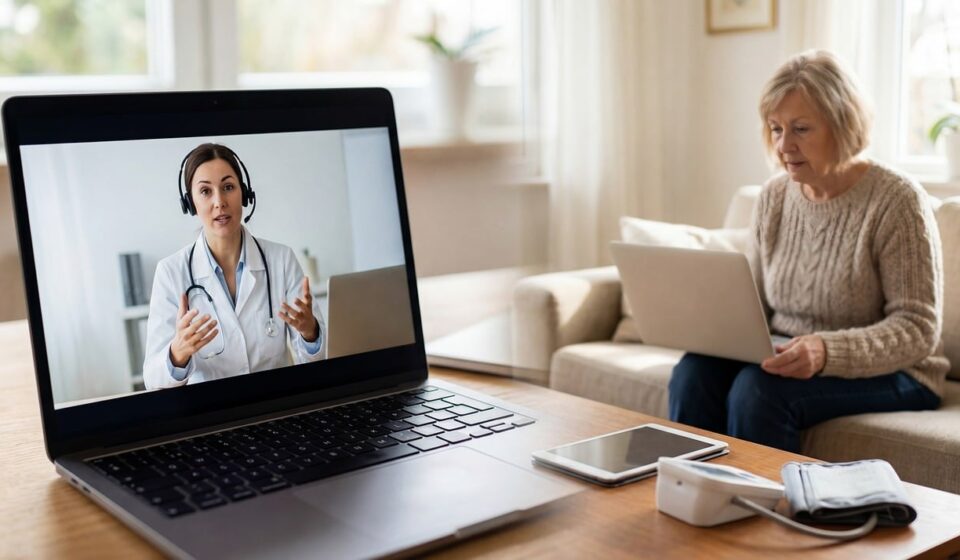
Home healthcare technology is no longer just a group of consumer gadgets. It is becoming a practical care-delivery layer for chronic disease monitoring, post-discharge recovery, medical-device management in non-clinical environments, and coordination across telehealth, home health and hospital-at-home programs. CMS describes remote patient monitoring as the use of connected medical devices that automatically transmit patient-collected physiological data, such as blood pressure, weight or glucose, to healthcare providers. HHS patient-facing guidance describes it as a telehealth model for tracking health from home. For healthcare organizations and device manufacturers, the appeal is clear: home care can become more timely and scalable. The constraint is just as important: a home is less controlled than a clinic, so adoption has to account for safety, reimbursement, cybersecurity, usability and workflow evidence. (cms.gov)
This article focuses on the operational and medical-device side of the shift, not consumer wellness claims. For related coverage, visit our healthcare technology section.

What counts as home healthcare technology
The term covers several overlapping categories. Some tools are regulated medical devices. Others are software platforms, logistics systems, communication tools or home-safety technologies that help clinicians, patients and caregivers coordinate care. The shared purpose is to move part of assessment, monitoring, education or treatment from a facility into the patient’s living environment.
- Remote patient monitoring devices such as connected blood pressure cuffs, scales, glucometers, pulse oximeters, thermometers and wearable sensors.
- Home-use medical equipment such as oxygen systems, infusion pumps, sleep therapy devices, mobility equipment and selected diagnostic tools.
- Telehealth and virtual care platforms that support video, audio, messaging, education and clinician review between in-person visits.
- Medication and adherence tools such as smart dispensers, reminders and care-team alerts.
- Caregiver coordination software for task assignment, visit documentation, symptom reporting and escalation.
- Hospital-at-home infrastructure including command centers, logistics, in-home clinical visits, diagnostics, monitoring and emergency escalation pathways.
- Home safety and environmental technologies such as fall detection, smart lighting, environmental sensors and backup power planning for devices that require electricity.
FDA materials on home health and consumer devices emphasize that products used by patients or caregivers at home are regulated within the same medical-device framework when they meet the device definition. The agency also pays close attention to whether people can use those products safely and effectively outside professional settings. FDA home-use guidance highlights practical risks that may be controlled or less visible in a hospital, including power outages, older wiring, small rooms, pets, dust, poor lighting, background noise, tripping hazards and fire risks around oxygen therapy. (fda.gov)
Why care is moving further into the home
Demand is being pulled by patients and pushed by the economics of chronic care. AARP’s 2024 Home and Community Preferences Survey, released on December 10, 2024, found that 75% of U.S. adults age 50 and older wanted to remain in their current homes as they age, while 73% wanted to stay in their communities. That preference does not, by itself, make home care safe or affordable. It does explain why payers, providers and device companies are investing in home-based models. (aarp.org)
The clinical demand is also substantial. CDC materials updated in 2026 describe chronic diseases such as heart disease, cancer and diabetes as leading causes of U.S. death and disability, and state that three in four American adults have at least one chronic condition while more than half have two or more. For home healthcare technology, the largest opportunity is not a one-time virtual visit. It is longitudinal support for conditions that require repeated measurements, medication adjustments, patient education and earlier detection of deterioration. (cdc.gov)
Home-based technology also responds to operational pressure. Hospitals and clinics face capacity limits, discharge delays, workforce shortages and growing patient expectations for convenient communication. Moving work into the home does not eliminate clinical labor, however. It changes where that labor occurs, which data must be reviewed, and how quickly teams need to act on alerts.
The practical technology stack behind connected home care
A durable home-care program needs more than a device shipment. It requires a stack that connects the patient, caregiver, home environment, device, data platform and clinical team. That stack should be designed around specific care pathways, not around the novelty of a sensor.
| Layer | Typical role | Key question before adoption |
|---|---|---|
| Device or sensor | Collects vital signs, symptoms, activity, medication events or therapy data. | Is the measurement clinically useful, accurate enough and usable by this patient population? |
| Connectivity | Moves data through cellular, Wi-Fi, Bluetooth or hub-based systems. | Will the system work in homes with weak broadband, limited digital literacy or intermittent power? |
| Patient and caregiver interface | Provides instructions, reminders, education and feedback. | Can users understand what to do without creating alarm fatigue or anxiety? |
| Clinical dashboard | Prioritizes readings, trends, alerts and documentation. | Does it reduce work for clinicians, or does it add another inbox? |
| Workflow and escalation | Defines who reviews data, when to call the patient and when to escalate. | Are responsibilities, response times and after-hours coverage clearly assigned? |
| Integration and reporting | Connects home data with EHRs, payer reporting, quality programs and analytics. | Can the data be trusted, exchanged and audited without manual re-entry? |
The highest-value deployments tend to start with a clinical question. A hypertension program, for example, may ask whether home blood pressure data support medication titration. A heart failure pathway may ask whether daily weights and symptoms trigger earlier intervention. A post-discharge pathway may ask whether the program reduces avoidable emergency visits or improves patient confidence. The right technology differs in each case.
Interoperability is becoming more important as home care expands. CMS’s 2024 Interoperability and Prior Authorization final rule requires certain impacted payers to report Patient Access API usage metrics beginning January 1, 2026, and establishes 2027 compliance dates for several newer API requirements, including Provider Access, Payer-to-Payer and Prior Authorization APIs. CMS also noted in its calendar year 2026 Home Health Prospective Payment System final rule that it summarized comments on digital quality measurement, home health IT adoption and standards such as FHIR. These policies do not create a complete home-care data solution, but they show that home-generated information will increasingly be judged by its ability to move through standardized workflows. (cms.gov)
Regulation and reimbursement are shaping adoption
Reimbursement has accelerated interest in remote monitoring, but it has also drawn scrutiny. CMS says Medicare broadly covers remote patient monitoring for physiologic data collection using a wide range of devices for chronic and acute conditions. HHS Office of Inspector General reported that Medicare payments for remote patient monitoring exceeded $500 million in 2024 and has warned that oversight is needed to prevent inappropriate billing, inadequate monitoring and fraud. An earlier OIG report found that about 43% of enrollees who received RPM did not receive all three components OIG reviewed, raising questions about whether monitoring was being used as intended. (cms.gov)
For device manufacturers and providers, a reimbursement code is not a business model by itself. Programs need documented medical necessity, patient education, device setup support, reliable data transmission, clinician review and clear treatment management. If the operating model is weak, the technology can create billing risk without improving care.
Hospital-at-home is another important signal. CMS launched the Acute Hospital Care at Home initiative in November 2020 to allow certain Medicare-certified hospitals to provide inpatient-level care in patients’ homes under specific waivers. CMS stated in a March 17, 2026 fact sheet that Congress extended the waivers and flexibilities associated with the initiative until September 30, 2030, and that researchers could access nearly five years of data from participating hospitals. This does not mean every hospital-at-home model has proven value in every setting, but it gives health systems a longer policy runway for evaluating home-based acute care. (cms.gov)
Cybersecurity is now part of device safety, not a separate IT concern. FDA’s 2026 medical device cybersecurity guidance superseded the agency’s September 2023 guidance, and FDA materials state that section 524B of the Federal Food, Drug, and Cosmetic Act applies cybersecurity requirements to premarket submissions for covered cyber devices. Home settings can increase exposure because devices may connect through consumer networks, mobile apps, cloud services and caregiver phones rather than tightly managed hospital networks. (fda.gov) See also: clinical equipment.
What healthcare teams should evaluate before deployment
Home healthcare technology should be evaluated as a care model, not simply as a product category. A useful procurement or implementation review should include clinical, operational, safety and equity questions.
- Clinical fit: Identify which condition, risk group and intervention the technology supports. A device that measures data no one acts on is unlikely to help.
- Patient selection: Consider cognition, dexterity, vision, hearing, language, caregiver availability and comfort with technology.
- Home readiness: Check electricity, backup power, connectivity, sanitation, safe storage, lighting, fall hazards and space for equipment.
- Training and support: Provide plain-language setup, troubleshooting, alarm instructions and a way to reach help quickly.
- Workflow ownership: Decide who reviews data, how often, which thresholds trigger action, and how urgent findings are escalated.
- Data governance: Define privacy, consent, access controls, retention, auditability and cybersecurity responsibilities.
- Integration burden: Avoid making clinicians copy data between dashboards, spreadsheets and EHR notes.
- Equity and access: Plan for patients without broadband, smartphones, English proficiency, transportation or available family caregivers.
The main implementation mistake is treating the home like a smaller hospital room. It is not. The home has different users, hazards, connectivity, privacy expectations and caregiver capacity. Successful programs usually simplify the patient-facing experience while making clinical escalation more structured behind the scenes.
Where the market is likely to mature next
The next stage of home healthcare technology will likely be less about adding more devices and more about improving reliability. Providers need fewer disconnected dashboards and more actionable signals. Payers need evidence that monitoring is medically necessary and properly delivered. Patients need tools that are simple, respectful and useful between visits. Manufacturers need to design for lay users, variable homes, cybersecurity updates and serviceability over the device life cycle.
Three areas deserve particular attention. First, home medical devices will need better lifecycle governance because problems may occur outside facilities that normally manage maintenance, calibration and incident reporting. Second, remote monitoring programs will need stronger evidence by condition and care pathway, rather than broad claims that monitoring always reduces utilization. Third, interoperability will determine whether home-generated data becomes part of routine care or remains trapped in vendor portals.
The most credible path forward is selective deployment. Home-based technology is strongest when it solves a defined problem: uncontrolled blood pressure, post-discharge risk, therapy adherence, caregiver coordination, medication safety, hospital capacity or safe use of home medical equipment. It is weakest when sold as a generic promise of lower costs without workflow redesign or clinical accountability.
Frequently asked questions
Is home healthcare technology the same as telehealth?
No. Telehealth is one part of the broader category. Home healthcare technology can include telehealth visits, but it also includes connected medical devices, remote patient monitoring, hospital-at-home logistics, caregiver platforms, medication support, home safety tools and device maintenance workflows.
What is the difference between remote patient monitoring and a consumer wearable?
Remote patient monitoring is typically connected to a care plan in which health data are collected and transmitted for clinician review or treatment management. A consumer wearable may support general wellness, but it is not automatically a medical device or a reimbursable monitoring tool. Intended use, device claims, data quality and clinical workflow all matter.
Why is device safety more complicated at home?
Homes vary widely. A device may be used near pets, clutter, carpets, poor lighting, weak Wi-Fi, older wiring, high humidity or limited backup power. Patients and family caregivers may also have little training. That makes labeling, setup support, alarm design and human factors especially important.
Does reimbursement mean a home monitoring program is clinically valuable?
Not by itself. Reimbursement can support adoption, but value depends on patient selection, accurate data, timely clinician review, patient education, escalation protocols and outcomes. Oversight reports on remote patient monitoring show why documentation and operational discipline are essential.
What should medical device companies prioritize for home use?
They should prioritize usability for lay users, clear instructions, reliable connectivity, cybersecurity updates, service planning, interoperability, home-environment risk assessment and evidence that the device supports a specific clinical workflow. Designing for the home is not the same as redesigning a hospital device with a smaller interface.