MD medical devices in diagnostics and what buyers should verify
What MD medical devices mean in diagnostic care
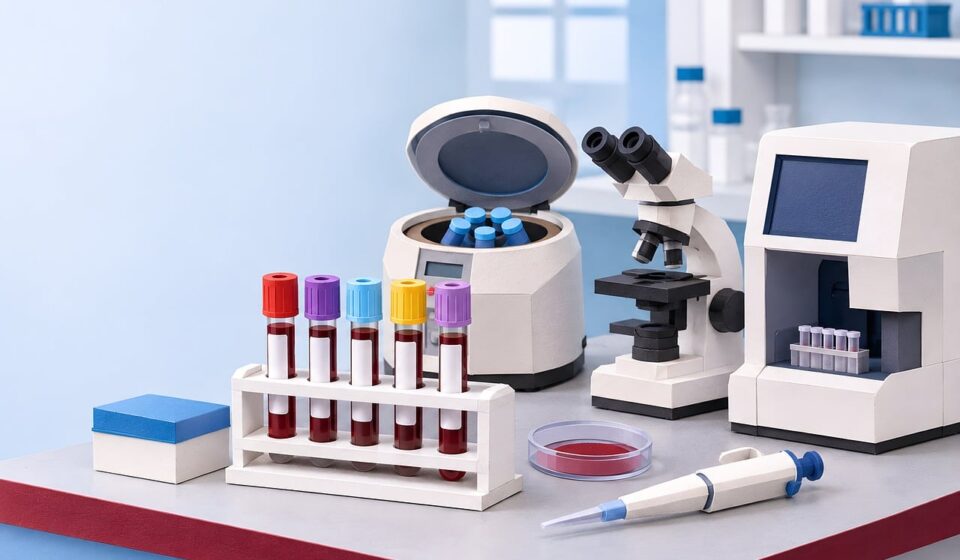
In procurement and regulatory discussions, “MD medical devices” usually refers to medical devices used to diagnose, monitor, predict, prevent or support the treatment of disease. In diagnostic care, the term may cover physical instruments such as imaging systems and patient monitors, in vitro diagnostic equipment, connected sensors, clinical software, or systems that combine hardware and software.
The key point is that “MD” is not a shortcut for quality, approval or clinical suitability. A diagnostic device should be assessed by its intended use, risk class, regulatory status, clinical evidence, data workflow, cybersecurity controls and post-market responsibilities. For hospitals, clinics, laboratories and procurement teams, the buying question is not only “What does the device do?” It is also “Can its claimed diagnostic role be verified and safely integrated into care?”

Why the term can be confusing
In industry conversations, “MD” often appears as shorthand for “medical device.” However, medical device definitions vary by jurisdiction, and diagnostic technologies often sit across several categories. A blood pressure monitor, an ultrasound system, a molecular diagnostic analyzer and a cloud-based image analysis tool may all be discussed as medical devices, but they do not share the same risk profile or regulatory pathway.
The FDA uses a risk-based framework with Class I, Class II and Class III device categories. Class I devices are generally lower risk, while Class III devices usually support or sustain life, are implanted, or present a potentially higher risk and may require premarket approval. The European Union uses a different classification structure under the Medical Device Regulation for general medical devices and the In Vitro Diagnostic Medical Devices Regulation for IVD products. This is why classification should be checked in the market where the device will actually be used.
Diagnostic devices also create confusion because software can be part of a device, drive a device, or function as a device on its own. The International Medical Device Regulators Forum defines Software as a Medical Device as software intended for one or more medical purposes without being part of a hardware medical device. In practice, that distinction matters because standalone diagnostic software may need its own evidence, risk controls and lifecycle management rather than being treated as an accessory.
The diagnostic device categories that matter most
For buyers researching MD medical devices in diagnostics, it is more useful to group products by clinical function than by marketing label. Diagnostic devices generally fall into several practical categories.
- Imaging and visualization devices: X-ray, CT, MRI, ultrasound, endoscopy and related image processing tools that help clinicians observe anatomy, physiology or pathology.
- Patient monitoring and physiological measurement devices: ECG systems, pulse oximeters, blood pressure monitors, respiratory monitors and multiparameter monitors used to collect patient signals.
- In vitro diagnostic devices: Instruments, reagents, test kits and analyzers used to examine specimens taken from the human body, such as blood, tissue, saliva or swabs.
- Point-of-care diagnostic devices: Portable or near-patient tools used outside central laboratories, including glucose meters, rapid infectious disease tests and handheld analyzers.
- Digital and software-based diagnostic tools: Algorithms, clinical decision support functions, image analysis software and connected platforms that generate or support diagnostic information.
These categories increasingly overlap. A diagnostic imaging device may include AI-enabled image triage. A bedside monitor may feed data into a hospital platform. A laboratory analyzer may depend on software updates, cloud connectivity and cybersecurity controls. A practical review should therefore cover the whole system, not only the visible instrument.
What to verify before comparing devices
A structured verification process helps separate useful device information from broad product claims. The table below summarizes the checks that usually matter most for diagnostic buyers and clinical stakeholders.
| Area to verify | Why it matters | Practical question to ask |
|---|---|---|
| Intended use | Defines what the device is legally and clinically meant to do | Is the device intended for screening, diagnosis, monitoring, triage or decision support? |
| Target users | Changes training, labeling and risk assumptions | Is it designed for specialists, general clinicians, laboratory professionals, patients or caregivers? |
| Risk classification | Determines regulatory controls and evidence expectations | What is the device class in the intended market? |
| Clinical evidence | Supports performance claims and safe use | Are sensitivity, specificity, accuracy, repeatability or agreement data available for the claimed use? |
| Software role | Affects validation, updates and cybersecurity duties | Does software merely display data, control hardware, or generate diagnostic output? |
| Interoperability | Impacts workflow and data quality | Can the device integrate with laboratory, imaging, EHR or hospital information systems? |
| Post-market monitoring | Captures performance issues after deployment | How are complaints, adverse events, recalls, updates and field safety actions handled? |
This review is especially important for diagnostic devices because a small performance difference can have a large clinical effect. A false negative can delay treatment. A false positive can lead to unnecessary follow-up, anxiety or procedures. A data transmission error can affect the wrong patient record. Device evaluation should therefore include clinical workflow, user environment and data handling, not only laboratory specifications.
Software, AI and connected diagnostics
Software is one of the main reasons diagnostic device evaluation has become more complex. Traditional devices were often assessed as standalone instruments. Modern diagnostic systems may include embedded software, mobile apps, cloud dashboards, AI models, cybersecurity updates and data interfaces. Each layer can affect performance.
For AI-enabled diagnostic tools, buyers should look beyond a headline accuracy figure. Important questions include whether the model was tested on data similar to the local patient population, whether performance is reported by subgroup when clinically relevant, how updates are controlled, and whether the output is intended to inform, recommend or automate a clinical decision. A tool that prioritizes suspicious images for review carries a different risk than a tool that directly produces a diagnostic conclusion.
Regulators have also been paying closer attention to device software. FDA digital health materials and IMDRF documents both emphasize intended purpose, risk characterization and lifecycle considerations. In practical terms, diagnostic software is being judged less like a static accessory and more like a device component that must be validated, monitored and controlled over time.
Cybersecurity also belongs in the diagnostic discussion. Connected devices can transmit patient data, receive software updates and connect to hospital networks. A device with strong clinical performance but weak access controls or unclear update management can still create operational risk. Procurement teams should request documentation on security updates, vulnerability handling, authentication, encryption where applicable and end-of-support timelines.
Regulatory signals that affect diagnostic device planning
Regulatory status should be checked through official market-specific sources, not inferred from a brochure. In the United States, the FDA product classification database can help identify device classifications, product codes and related regulatory information. In the European Union, MDR and IVDR requirements affect classification, conformity assessment, UDI, EUDAMED registration and post-market surveillance duties.
One current EU planning issue is EUDAMED implementation. The European Commission has indicated mandatory use dates for certain EUDAMED modules, including device-related registration milestones. For manufacturers, importers and distributors, this means device data quality and traceability are not minor administrative details; they increasingly shape market access and ongoing compliance. See also: Clinical Equipment.
Market data also shows why the diagnostic device sector is strategically important. MedTech Europe’s 2026 industry materials describe Europe as a major global medtech market and note that small and medium-sized enterprises make up a large share of the sector. For diagnostic devices, this creates a mixed environment: innovation may come from agile companies, but buyers still need to verify evidence, quality systems and support capacity with the same rigor applied to larger suppliers.
Regulation does not replace clinical judgment, and approval in one country does not automatically make the same device suitable for every care setting. A device may be technically compliant but poorly matched to a hospital’s workflow, patient population, staffing model or data infrastructure. Strong procurement reviews combine regulatory checks with local clinical validation and implementation planning.
How to read performance claims
Diagnostic device marketing often highlights performance metrics, but those metrics are useful only when the context is clear. Sensitivity and specificity are common for diagnostic tests, while imaging and signal-analysis tools may report agreement, area under the curve, false-positive rates, detection rates or reader performance studies. None of these numbers should be evaluated in isolation.
Readers should ask three questions. First, what was the reference standard? A device compared against a weak or inconsistent reference may look stronger than it is. Second, what population was tested? Performance in a controlled study may not match performance in older patients, pediatric populations, low-prevalence settings or patients with multiple conditions. Third, what was the use environment? A central laboratory, emergency department, rural clinic and home setting create different operator, timing and data-quality challenges.
Another common issue is the difference between analytical performance and clinical utility. A device may accurately measure a biomarker, capture an image or flag a signal, but clinical value depends on whether that information improves decisions, reduces delays, supports earlier intervention or avoids unnecessary procedures. For many diagnostic technologies, the evidence discussion should include workflow outcomes as well as measurement performance.
A practical checklist for buyers and content researchers
Before shortlisting a diagnostic device, teams can use a concise checklist to make comparisons more consistent.
- Define the exact clinical problem the device is expected to solve.
- Confirm whether the product is a medical device, an IVD, software as a medical device, an accessory or a non-device wellness tool in the target market.
- Check the risk classification and regulatory pathway through official sources where possible.
- Review the intended use statement, indications, contraindications and user requirements.
- Compare evidence against the intended use, not against a broader marketing claim.
- Assess data integration, cybersecurity, maintenance, calibration and software update processes.
- Verify training needs and whether performance depends heavily on operator skill.
- Review post-market obligations, complaint handling, field safety notices and recall history where available.
- Consider total implementation burden, including accessories, consumables, IT resources and support.
For more topic coverage in this field, readers can explore the Diagnostic Devices category, where device trends, regulatory context and diagnostic technology updates can be organized for ongoing reference.
Frequently asked questions
Are MD medical devices the same as diagnostic devices?
No. Diagnostic devices are a subset of medical devices. Many medical devices are used for treatment, monitoring, rehabilitation or support rather than diagnosis. The diagnostic category includes imaging systems, IVD analyzers, patient measurement tools and some medical software.
Does FDA clearance mean a diagnostic device is approved everywhere?
No. Regulatory decisions are jurisdiction-specific. A device cleared or approved in the United States may still require separate conformity assessment, registration or approval before it can be marketed in the European Union, the United Kingdom or other markets.
Can software alone be a medical device?
Yes, if the software is intended for a medical purpose and meets the applicable legal definition in the target jurisdiction. Software that analyzes images, supports diagnosis or generates patient-specific medical information may need to be evaluated as medical device software.
What is the biggest risk when comparing diagnostic devices?
The biggest risk is comparing devices by headline claims rather than intended use and evidence. A device may perform well in one population, workflow or clinical role but be inappropriate for another. Verification should always connect claims to evidence and real-world use conditions.
Key takeaways
MD medical devices in diagnostics should be evaluated as evidence-based clinical tools, not as generic technology products. A reliable comparison starts with intended use, risk class and regulatory status, then moves to performance evidence, software role, interoperability, cybersecurity and post-market support. As diagnostic devices become more connected and software-driven, buyers and industry readers need to examine the full device lifecycle. The central question is not whether a device sounds advanced, but whether its claimed diagnostic value can be verified, implemented and monitored safely in the setting where it will be used.