Washer and dryer maintenance tips for safer, cleaner laundry
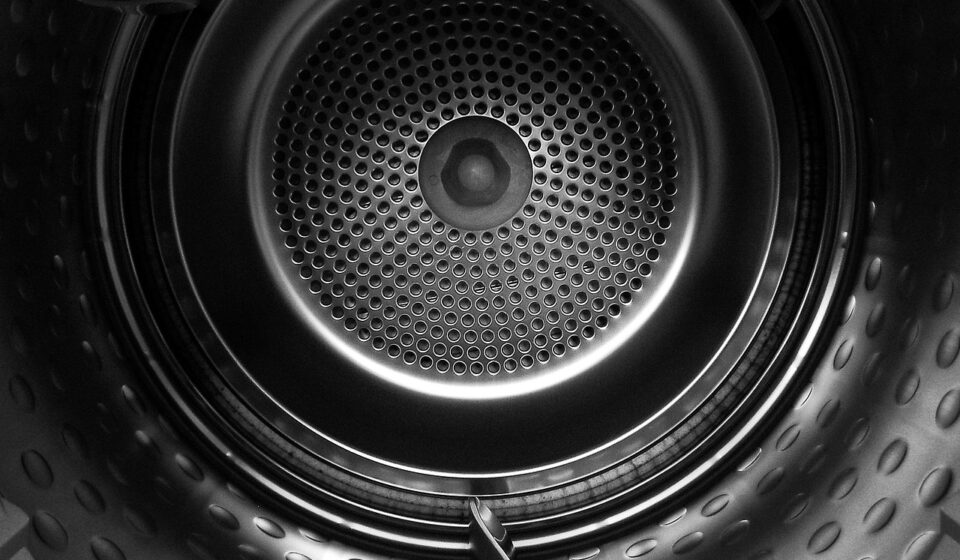
Maintenance starts with airflow, water control, and routine cleaning
The most useful washer and dryer maintenance tips are also the ones most likely to be overlooked: clean the dryer lint filter every load, keep the dryer vent clear, inspect washer hoses, use the right detergent, clean the washer drum and gasket, and act promptly when draining slows or drying times increase. These habits matter because laundry equipment brings heat, moisture, lint, moving parts, and water connections into a small work area. The U.S. Fire Administration identifies failure to clean as a leading factor in home clothes dryer fires for 2018-2020, and the U.S. Consumer Product Safety Commission warns that lint buildup can block airflow and create excessive heat. For homes, clinics, care settings, and small facilities, the goal is not complicated servicing. It is a repeatable maintenance routine that keeps air moving, water contained, textiles clean, and warning signs easy to spot.
This guide focuses on practical checks most users can schedule without turning every laundry day into a repair project. Always follow the owner’s manual for the specific model. Use qualified service when a task involves gas connections, internal electrical parts, persistent error codes, or vent systems that cannot be reached safely.

Why washer and dryer maintenance is more than a cleaning task
Laundry equipment usually fails gradually. A dryer takes a little longer to finish. A washer gasket starts to smell musty. A supply hose develops a slight bulge. A pump filter collects debris until drainage slows. Because the machines may still run, these signs are easy to ignore. In practice, they often point to restricted airflow, trapped moisture, blocked drainage, or worn components.
Dryer maintenance has a clear safety dimension. Lint is produced naturally as fabrics shed fibers. The lint filter captures much of it, but not all of it. Over time, lint can collect around the filter housing, behind the dryer, inside the exhaust duct, and at the outdoor vent hood. When airflow is reduced, drying times increase and heat can build up. According to CPSC dryer safety materials, damp clothes at the end of a normal cycle or unusually long drying times can indicate a blocked lint screen or exhaust duct.
Washer maintenance has a different risk profile. The common issues are odor, residue, leaking, poor draining, and reduced cleaning quality. High-efficiency washers use less water, so correct detergent dosing is especially important. Too much detergent can leave residue that traps soil and contributes to odor. Front-load washers also have door gaskets that can hold moisture, hair, lint, and small objects if they are not wiped and aired out.
For more routine care topics, visit the Maintenance Tips section.
Dryer maintenance that protects airflow and lowers fire risk
Clean the lint filter before or after every load
The lint filter should be cleaned every time the dryer is used. Do not operate a dryer without the lint filter in place. Even a filter that looks only partly covered can reduce airflow, especially with towels, fleece, pet bedding, uniforms, or other high-lint items. If dryer sheets are used, check whether the filter develops a waxy film. A filter that holds water instead of allowing it to pass through the mesh may need gentle washing with warm water and mild soap, followed by complete drying before reuse.
Check the outdoor vent while the dryer is running
The outdoor vent hood should open freely and discharge warm, moist air when the dryer is operating. If the flap barely moves, airflow may be restricted. Common causes include lint accumulation, a crushed transition duct, bird nesting material, a blocked hood, or a long duct run with several elbows. The U.S. Fire Administration advises checking the venting system behind the dryer to make sure it is not damaged, crushed, or restricted, and making sure the outdoor vent cover opens during operation.
Clean behind the dryer and inspect the transition duct
Lint and dust often collect behind and under dryers. Pulling the appliance forward can damage connections if it is done carelessly, so move it only when safe and practical. Look for crushed, kinked, loose, or torn ducting. A restricted duct forces the dryer to work harder and can leave clothing damp. If the dryer is gas-powered, avoid disturbing the gas connection unless a qualified professional is handling the work.
Schedule deeper vent cleaning based on use
Many households and small facilities benefit from annual vent inspection and cleaning, but the right frequency depends on usage, duct length, lint volume, and manufacturer guidance. A dryer used several times a day for towels, gowns, blankets, or resident laundry may need attention more often than a lightly used home dryer. Warning signs include a hot laundry room, a burning smell, lint around the outdoor vent, loads that need repeated cycles, or the dryer shutting off before clothes are dry.
Washer maintenance to prevent odor, leaks, and drainage problems
Wipe moisture-prone areas and leave the door open when appropriate
Moisture is the main reason washers develop stale odors. After the final load, wipe the door glass, gasket, and detergent drawer area if they remain wet. Leave the door or lid open when the area is safe and the manual allows it, so the interior can dry. In shared spaces, balance ventilation with safety, access control, and facility rules.
Run the washer cleaning cycle
Most modern washers include a clean-washer, tub-clean, or self-clean cycle. Follow the manual for cycle frequency and approved cleaning products. Do not mix cleaning chemicals. If bleach is permitted, use only the amount specified by the manufacturer. If the washer serves a clinic, dental office, rehabilitation space, spa, or care environment, cleaning practices should also align with facility infection-control procedures.
Use the right detergent and dose it carefully
High-efficiency washers require HE detergent. More detergent does not mean cleaner laundry. Excess suds can interfere with rinsing, leave residue in the drum and hoses, and contribute to odor. Dose for load size, soil level, and water hardness. ENERGY STAR consumer guidance notes that cold water is generally effective for many loads unless oily stains or other special conditions require warmer settings, but fabric labels, washer instructions, and facility policies should come first.
Inspect hoses, valves, and the floor area
Washer supply hoses carry pressurized water. Look for bulges, cracks, rust at fittings, dampness, or mineral deposits around connections. Make sure the drain hose is secure and is not pushed too far into the standpipe if the manual warns against siphoning. Check the floor around the washer after large loads. Small leaks often appear first as damp corners, water marks, or a musty smell near the base of the machine.
Clean the pump filter if your model has one
Some washers, especially many front-load models, have a drain pump filter or coin trap. It may collect lint, hair, coins, buttons, and small debris. If the washer drains slowly, pauses with water inside, or shows a drain error, the filter may need cleaning. Follow the manual carefully because water may spill when the access panel is opened. If there is no accessible filter, do not force panels open; the design may require service access. See also: clinical equipment.
A practical washer and dryer maintenance schedule
A schedule turns maintenance into a routine instead of an emergency response. Adjust the timing for heavy use, shared laundry rooms, healthcare-adjacent spaces, pet bedding, high-lint fabrics, and manufacturer instructions.
| Frequency | Washer tasks | Dryer tasks |
|---|---|---|
| Every load | Do not overload; use the correct detergent amount; remove items promptly after the cycle. | Clean the lint filter; confirm the filter is seated correctly before starting. |
| Daily or after final use | Wipe the gasket and door area if wet; leave the door or lid open when safe and allowed. | Check for unusual heat, odors, vibration, or lint around the dryer area. |
| Weekly | Clean detergent drawer surfaces; check for residue, odor, and small leaks. | Vacuum visible lint around the dryer and laundry area. |
| Monthly | Run the washer cleaning cycle as directed; inspect hoses and the drain area. | Check outdoor vent airflow while the dryer runs; inspect the transition duct if accessible. |
| Every 6-12 months | Clean the accessible pump filter if the manual recommends it; review leveling and vibration. | Clean the dryer vent path or schedule professional cleaning, especially for long or hard-to-reach ducts. |
| As needed | Call service for repeated drain errors, leaks, burning smells, or electrical issues. | Stop use and investigate if clothes remain damp, the dryer overheats, or airflow is weak. |
Special considerations for clinics, care settings, and shared laundry rooms
In medical, wellness, caregiving, and shared residential settings, washer and dryer maintenance also supports workflow and hygiene. This does not mean a household washer becomes a medical-grade laundry system. It means operators should define what items are allowed, how soiled textiles are handled, who checks the machines, and when laundry should be outsourced to a qualified commercial provider.
CDC healthcare laundry guidance emphasizes safe handling of contaminated textiles, including minimizing agitation that could disperse contaminants and following facility policies for sorting, washing, drying, packaging, and storage. It also states that laundry equipment should be used and maintained according to manufacturers’ instructions. For residential-care contexts, CDC recommendations note that routine disinfection of washing and drying machines is not needed when gross soil is removed before washing and proper washing and drying procedures are used.
The maintenance implication is straightforward: keep the machine clean, but do not rely on cleaning the machine alone to solve linen-handling risks. Separate clean and soiled workflows where required, remove damp textiles promptly, dry linens completely, and store clean items away from dust and soil. If items may be contaminated with blood or other potentially infectious materials, follow applicable workplace, infection-control, and local regulatory requirements.
Warning signs that maintenance is no longer enough
Routine care can prevent many problems, but some symptoms call for repair or professional inspection. Stop and investigate if the washer leaks repeatedly, trips electrical protection, smells like burning, leaves standing water, shakes violently after leveling, or shows recurring error codes. For dryers, take longer drying times seriously, especially when the load size and fabric type have not changed. A hot exterior, weak outdoor airflow, scorched odor, or lint escaping from joints in the duct system should not be ignored.
Replacement may be more practical than repeated repair when the appliance is old, inefficient, incompatible with the workload, or affected by corrosion, drum damage, failing controls, or unavailable parts. However, do not replace a dryer before checking the vent path. A new dryer connected to a blocked or poorly routed vent may show the same slow-drying symptoms as the old one.
Frequently asked questions
How often should I clean a dryer vent?
For many users, checking the vent monthly and cleaning the vent path every 6-12 months is a practical starting point. Heavy use, long duct runs, vertical ducts, pet hair, towels, and shared laundry rooms may require more frequent cleaning. Follow the dryer manual and respond sooner if drying time increases.
Why does my washer smell even after a cleaning cycle?
Odor can persist if moisture remains in the gasket, detergent drawer, drain area, or pump filter. Too much detergent can also leave residue that feeds odor. Wipe wet areas, improve airflow after use, dose detergent correctly, and clean accessible filters according to the manual.
Can I use vinegar or bleach to clean my washer?
Use only products and amounts approved by the washer manufacturer. Bleach, vinegar, and commercial cleaners are not interchangeable, and chemicals should not be mixed. If the manual specifies a washer-cleaning tablet or a tub-clean cycle procedure, follow that direction.
Is cold water enough for laundry?
Cold water works for many everyday loads, especially with modern detergents, and ENERGY STAR consumer guidance notes that it is generally effective unless oily stains or special conditions are involved. For healthcare, caregiving, heavily soiled, or policy-controlled laundry, follow facility rules, textile labels, and applicable guidance.
What is the easiest maintenance habit to start today?
Clean the dryer lint filter every load and check that the outdoor vent opens while the dryer runs. For the washer, remove laundry promptly and let the drum dry after use. These small habits address the two most common maintenance themes: airflow and moisture control.