Blood pressure cuff and stethoscope safety and compliance checklist
Why the blood pressure cuff and stethoscope still need a compliance checklist
A blood pressure cuff and stethoscope may be familiar items, but they sit at the intersection of measurement accuracy, infection prevention, device regulation and staff competency. In manual blood pressure measurement, the cuff occludes the artery, the gauge displays pressure and the stethoscope allows the clinician to detect Korotkoff sounds. If the cuff is the wrong size, the bladder leaks, the gauge drifts, the earpieces are contaminated or the procedure is rushed, the reading can be unreliable. In a clinical setting, that can affect assessment, triage, documentation and patient confidence.
This checklist is intended for clinics, procurement teams, biomedical staff and healthcare managers who need a practical safety and compliance framework. It focuses on non-automated cuffs used with a stethoscope, while noting where automated blood pressure devices fall under separate validation and regulatory expectations. For related equipment governance topics, see the safety and compliance section.

Define the equipment before setting the policy
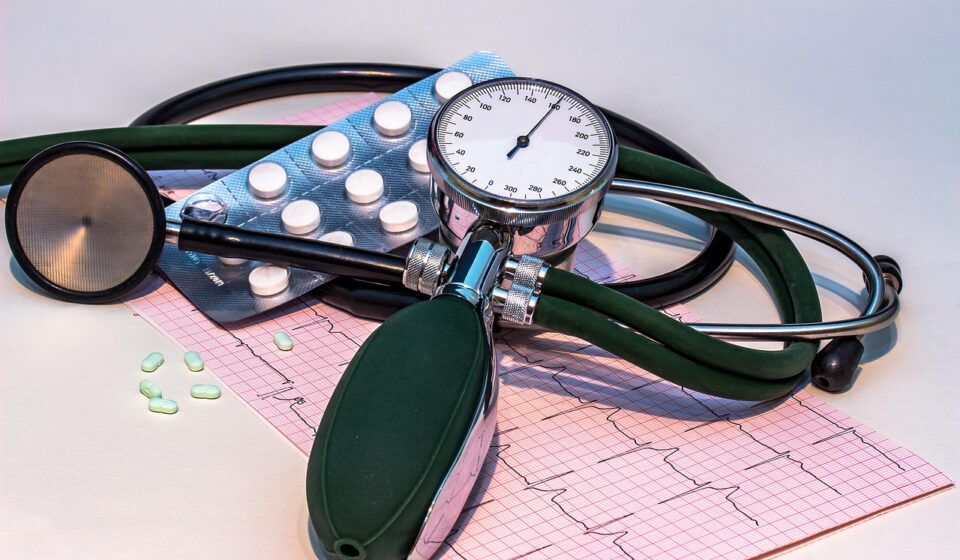
The first compliance mistake is treating every blood pressure device as the same product. A manual set typically includes an inflatable cuff with bladder, bulb, valve, tubing, pressure gauge or manometer and a stethoscope. The user inflates the cuff, releases pressure in a controlled way and listens for Korotkoff sounds over the artery. An automated oscillometric monitor, by contrast, estimates pressure through electronic signal processing and does not depend on the operator listening through a stethoscope.
This distinction matters because the U.S. Food and Drug Administration treats blood pressure cuffs and non-invasive blood pressure measurement systems as regulated medical devices. FDA product classification information lists a blood pressure cuff under cardiovascular devices, product code DXQ, device class II, with 510(k) premarket review. FDA guidance for non-automated sphygmomanometers describes systems that use an occluding cuff, an aneroid or mercury manometer and a stethoscope or another manual system for detecting Korotkoff sounds. Automated non-invasive monitors are addressed separately and are generally evaluated under different standards and test expectations.
For a facility policy, the asset record should identify the actual device type, not just the phrase blood pressure kit. At minimum, record the manufacturer, model, cuff size range, manometer type, intended patient population, cleaning instructions, service interval and whether the stethoscope is dedicated, shared or disposable. If a cuff is supplied as an accessory to a monitor, document monitor compatibility as well.
Accuracy depends on cuff fit, patient positioning and manual technique
The main performance issue for a manual blood pressure cuff and stethoscope is not brand preference. It is whether trained staff can obtain a repeatable reading under controlled conditions. The American Heart Association scientific statement on measuring blood pressure in humans emphasizes cuff size and placement, patient preparation, stethoscope placement and auscultatory technique. The CDC also describes basic measurement conditions such as no talking, the cuff on bare skin, back support, feet flat on the floor and the arm supported at about heart level.
A practical policy should define the measurement environment and the limits of routine practice. The patient should be seated and allowed to rest when the clinical situation permits. Clothing should not bunch under the cuff. The arm should be supported, the cuff should sit at the correct level and the operator should avoid rapid deflation. If a facility uses both manual and automated methods, the policy should state when manual confirmation is expected, such as when an automated value appears inconsistent with the clinical picture or when rhythm, movement or cuff-fit issues may affect oscillometric readings.
Key fit checks
- Stock multiple cuff sizes so staff are not forced to use a cuff that is too small or too large.
- Confirm that the artery marker and bladder position match the manufacturer’s instructions.
- Do not place the stethoscope under the cuff edge if doing so creates noise, pressure or distortion.
- Inspect the cuff fabric, hook-and-loop closure, bladder and tubing before use.
- Remove damaged cuffs from service rather than compensating with tape or improvised repairs.
Manual technique checks
- Place the stethoscope over the appropriate artery rather than on top of thick fabric or cuff material.
- Use a controlled deflation rate consistent with the facility procedure and training standard.
- Record systolic and diastolic values clearly, including the arm used when relevant.
- Repeat or escalate the measurement when the result is unexpected, difficult to hear or clinically inconsistent.
Cleaning and disinfection are part of device performance
Because cuffs and stethoscopes usually contact intact skin, infection-control guidance generally treats them as noncritical patient-care equipment. That classification does not mean they can be overlooked. CDC recommendations for healthcare facilities state that noncritical patient-care equipment such as blood pressure cuffs should receive low-level disinfection, and that EPA-registered hospital disinfectants must be used according to label directions. CDC environmental cleaning guidance also lists blood pressure cuffs and stethoscopes among portable or stationary noncritical equipment that should be cleaned and disinfected based on risk, use and assigned facility responsibilities.
The most reliable cleaning procedure is the one that matches the device manufacturer’s instructions. Some cuffs tolerate wipe disinfection; others may have removable washable covers. Some tubing, gauges or stethoscope components may be damaged by saturation or aggressive chemicals. Alcohol may be appropriate for some small surfaces, but repeated use can affect certain plastics, rubber or finishes. Facilities should avoid cleaning shortcuts that damage the device and later create an accuracy or contamination problem.
Cleaning workflow to document
- Remove visible soil before disinfection, because residue can reduce disinfectant effectiveness.
- Use only compatible disinfectants approved by the facility and suitable for the device materials.
- Respect the disinfectant contact time on the product label.
- Allow the cuff and stethoscope to dry before storage or reuse.
- Assign responsibility clearly between clinical staff, environmental services and equipment technicians.
- Use dedicated equipment for patients on transmission-based precautions when facility policy requires it, or disinfect before reuse on another patient.
Shared cuffs need particular attention in high-throughput locations such as emergency departments, dialysis units, outpatient clinics and vital-sign stations. If the workflow pushes staff to move quickly from one patient to the next, the compliance solution should be operational: enough cuffs, visible wipe stations, separate storage for clean and used items and periodic audits.
Regulatory and standards issues procurement teams should verify
Procurement teams should not evaluate a blood pressure cuff and stethoscope only by price, color or packaging. For U.S. use, the buyer should verify that the cuff or blood pressure system is appropriate for the intended setting and patient group. FDA information for blood pressure cuffs identifies class II status and 510(k) review expectations. FDA also recognizes consensus standards related to non-invasive sphygmomanometers, including ISO 81060-1 for non-automated measurement type devices and ISO 81060-2 for clinical investigation of intermittent automated measurement type devices. In December 2024, FDA recognized ISO 81060-2 third edition 2018 with amendments through 2024 in part, with a transition period ending December 20, 2026 for a previous recognition.
For manual cuffs, procurement files should include enough information to show that the device is not a generic, unverified accessory. Useful records include product code or regulatory classification, model number, cuff-size chart, materials, cleaning compatibility, warranty, instructions for use and service recommendations. If the device is a full manual sphygmomanometer set, confirm whether the gauge accuracy, leakage, valve control and cuff markings meet the applicable specification claimed by the manufacturer.
| Compliance area | What to verify | Why it matters |
|---|---|---|
| Regulatory status | Device classification, 510(k) status when applicable and intended use | Helps prevent unauthorized or mismatched devices from entering clinical use |
| Cuff sizing | Available sizes and arm-circumference range | Wrong size can bias the measurement and increase repeat readings |
| Cleaning compatibility | Approved disinfectants, wipe method and drying requirements | Protects patients while reducing material damage |
| Gauge performance | Inspection and calibration or accuracy-check interval | A drifting gauge can undermine every manual reading |
| Documentation | Instructions for use, training records and service logs | Supports audits, incident review and consistent staff practice |
Maintenance, calibration and retirement criteria
A manual cuff-and-stethoscope set should have a defined inspection cycle. The cuff fabric should close securely; the bladder should inflate evenly; the valve should allow smooth pressure release; the tubing should not be cracked; and the manometer needle should return to zero when fully deflated. Stethoscope tubing should remain flexible, earpieces should be intact and the diaphragm or bell should be free from damage. A device that looks clean but performs inconsistently should not stay in routine use.
Calibration expectations depend on device type, manufacturer instructions, clinical risk and facility policy. Aneroid gauges are more vulnerable to mechanical shock than many users assume, especially when dropped or transported in crowded carts. A reasonable program includes incoming inspection, scheduled accuracy checks, post-repair checks and immediate removal from service after visible damage or questionable readings. Biomedical engineering or a qualified service provider should define the test method and acceptance criteria. See also: clinical equipment.
Retirement criteria should be explicit. Replace cuffs with frayed edges, worn closures, unreadable markings, hardened tubing, persistent odor, fluid intrusion or surface breakdown that prevents effective cleaning. Replace stethoscope components that cannot be disinfected, do not seal acoustically or compromise audibility. Keeping a failing device in circulation is rarely cheaper once repeat measurements, staff time, documentation risk and patient dissatisfaction are considered.
Common compliance gaps and how to close them
Many facilities have policies that look adequate on paper but fail at the point of care. The most common gap is ownership: nurses may assume environmental services clean shared equipment, while environmental services may assume clinical staff clean patient-care devices. Another gap is cuff size availability. If only one adult cuff is available in a room, staff may use it even when the patient needs a small adult, large adult or thigh cuff. A third gap is documentation. If calibration records are missing, it becomes difficult to show that readings were taken with maintained equipment.
The solution is a short, visible and auditable checklist. Place the core steps near vital-sign areas. Train new staff on both measurement and cleaning. Label clean storage separately from used or questionable equipment. Audit a sample of devices monthly for physical condition, size availability, cleaning supplies and service labels. Track recurring failures by location so procurement and staffing decisions address the cause instead of treating each failure as an isolated user error.
For facilities standardizing equipment across multiple sites, consider a cuff matrix: pediatric, adult, large adult and thigh options; reusable versus single-patient-use models; approved disinfectants; compatible monitors; and reorder numbers. A standardized matrix reduces variation while still allowing clinical units to stock the sizes they actually need.
Frequently asked questions
Is a manual blood pressure cuff and stethoscope still useful when automated monitors are common?
Yes. Automated monitors are efficient, but manual auscultatory measurement remains useful for confirmation, training, backup during device downtime and situations where automated readings may be questioned. Facilities should define when manual measurement is preferred or required.
Do blood pressure cuffs need sterilization?
Reusable cuffs that contact intact skin are generally treated as noncritical equipment, so low-level disinfection is typically expected rather than sterilization. Always follow the manufacturer’s instructions and the facility infection-control policy, especially when blood or body fluid contamination occurs.
Can one cuff size be used for most adults?
No. A single adult cuff may fit some patients but not all. Incorrect cuff size is a known source of measurement error. Facilities should stock a range of sizes and train staff to select the correct one based on arm circumference and device instructions.
How often should a manual gauge be checked?
The interval should be based on manufacturer instructions, facility policy and clinical risk. Many facilities use scheduled checks plus immediate inspection after damage, drops or suspicious readings. The key is to document the interval, method and results.
What should be recorded after a manual reading?
Record the systolic and diastolic values, relevant position or arm information when required by policy, and any unusual conditions that affected the measurement. If the first reading was uncertain or repeated, documentation should make that clear.
Bottom line for safe daily use
A blood pressure cuff and stethoscope set is more than a basic clinical tool. It is a regulated, reusable, patient-contact device system that requires appropriate selection, cleaning, maintenance and user technique. Strong compliance programs keep the checklist simple: buy verified devices, stock correct cuff sizes, train staff on manual technique, disinfect between uses, inspect regularly, document maintenance and remove damaged equipment promptly. When those steps are built into daily workflow, manual blood pressure measurement becomes more reliable, safer and easier to support during audits or incident reviews.