Medical equipment and supplies safety and compliance checklist for healthcare facilities
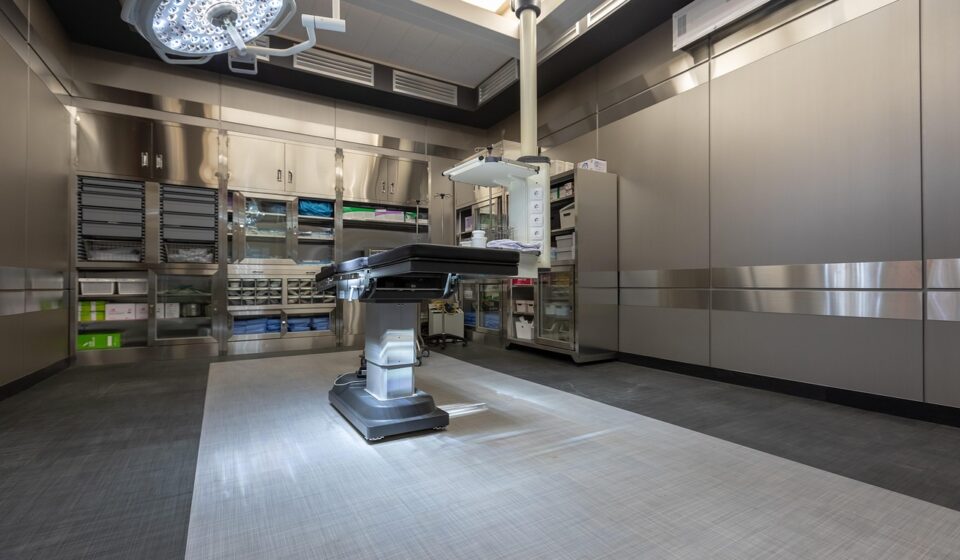
Why compliance starts before purchase
Medical equipment and supplies create safety risk before they ever reach a patient room. A compliant program starts with clear specifications, verified suppliers, traceable inventory, correct storage, planned maintenance, staff training, and a recall response process. In the United States, healthcare facilities also need to account for FDA device identification rules, CMS and accreditation expectations for equipment maintenance, CDC infection control guidance, and manufacturer instructions for use. The practical goal is not to collect paperwork for its own sake. It is to show that the right item was selected, received, stored, used, maintained, and removed from service when the risk changed.
This checklist is written for healthcare administrators, clinical engineering teams, procurement staff, materials managers, and compliance leaders. It focuses on facility-side controls rather than manufacturer submissions. Manufacturers have separate obligations, including quality system requirements. As of February 2, 2026, the FDA Quality Management System Regulation became effective and incorporated ISO 13485:2016 by reference for medical device quality management systems. That change does not make hospitals device manufacturers, but it does reinforce why buyers should expect suppliers to provide controlled documentation, labeling, complaint pathways, change notices, and recall support.

A useful first step is to separate durable equipment from consumable supplies. Equipment may include infusion pumps, monitors, defibrillators, imaging systems, sterilizers, beds, oxygen delivery equipment, and network-connected devices. Supplies may include sterile packs, dressings, gloves, catheters, single-use accessories, replacement parts, electrodes, filters, batteries, and disinfectants. Both categories can affect patient safety, but their compliance risks are not the same. Equipment needs lifecycle maintenance and service history. Supplies often need lot control, expiration monitoring, storage control, and correct use with compatible devices.
For related articles on regulatory and operational risk, see the safety and compliance section.
Build an inventory that can answer safety questions
An equipment or supply list is not the same as a compliance inventory. A compliance inventory should answer practical questions during inspections, recalls, incident investigations, maintenance planning, and purchasing reviews. Where is the item? Who owns it? Is it approved for the clinical use? Is it within its service interval or expiration date? Is there a unique device identifier, serial number, lot number, or model number that allows the facility to match it to a recall notice?
WHO medical device technical materials emphasize that inventory is a foundation for maintenance planning, replacement decisions, disposal policies, and health technology management. In daily operations, inventory quality often determines how quickly a facility can isolate affected products when a recall or safety alert appears. A controlled and current spreadsheet may be enough for a small clinic. Larger organizations usually need computerized maintenance management systems, supply chain platforms, barcode scanning, and assigned data ownership by role.
| Inventory field | Why it matters | Evidence to keep |
|---|---|---|
| Manufacturer, model, catalog number, and serial number | Identifies the exact device or component during maintenance, service, and recall checks. | Receiving record, label image, purchase record, service record. |
| UDI, device identifier, lot number, and expiration date | Supports traceability for devices and supplies that may be affected by recalls, field corrections, or expiration controls. | Package label, barcode scan, lot log, dispensing or usage record. |
| Location and department owner | Allows staff to find equipment for preventive maintenance, safety checks, calibration, and urgent removal from service. | Inventory record, transfer log, department assignment. |
| Risk category and clinical use | Helps prioritize life-support, high-risk, invasive, sterile, and patient-connected items. | Risk assessment, equipment management plan, policy reference. |
| Maintenance or inspection interval | Shows whether the item is maintained according to manufacturer instructions or an approved alternative program. | Preventive maintenance schedule, work order history, test results. |
| Software, firmware, and network status | Supports cybersecurity review, patch planning, end-of-support decisions, and vendor security notices. | Software version record, cybersecurity assessment, vendor notice. |
Procurement controls should prevent unsafe substitutions
Procurement is a safety control, not only a cost function. Before buying medical equipment and supplies, the request should define intended use, clinical environment, user group, compatibility requirements, reprocessing needs, storage limits, training requirements, service model, and end-of-life expectations. A product that is acceptable in one setting may be unsafe in another if staff lack training, accessories are incompatible, cleaning instructions cannot be followed, or the device cannot connect securely to the facility network.
Supplier qualification should match the level of risk. For low-risk consumables, procurement may focus on authorized distribution, labeling, expiration dating, and storage conditions. For life-support equipment or network-connected devices, the review should go deeper. It may include regulatory status, instructions for use, service manuals, cybersecurity documentation, interoperability requirements, maintenance tooling, calibration needs, spare part availability, warranty terms, training materials, and recall communication procedures.
A common compliance failure is accepting substitutes without technical review. A glove, tubing set, battery, sensor, filter, or disinfectant may appear equivalent, but manufacturer compatibility can matter. If a substitute changes fit, flow, alarm performance, biocompatibility, sterilization method, cleaning chemistry, software interface, or electrical safety, it should be evaluated before use. Facilities should define who can approve substitutions and what evidence is required.
Receiving checks link purchasing to patient safety
Receiving is where documentation meets reality. Staff should verify that delivered items match the purchase order, approved product list, packaging, labeling, quantity, expiration date, storage condition, and accessory requirements. For equipment, receiving should also trigger acceptance testing when required by policy, manufacturer instructions, accreditation expectations, or clinical engineering practice.
For U.S. devices, the FDA Unique Device Identification system is intended to identify medical devices from distribution through patient use. Most device labels and packages are expected to bear a UDI unless an exception or alternative applies, and labelers submit specified device information to the FDA Global Unique Device Identification Database. Facilities should not treat UDI as a paperwork detail. Capturing UDI or device identifier information can speed up recall searches, reduce ambiguity between similar models, and improve adverse event documentation.
Receiving records should be clear enough for a future reviewer to reconstruct the decision. At minimum, higher-risk purchases should show who inspected the item, when it was accepted, whether it required biomedical review, whether it was released for clinical use, and where the manufacturer instructions are stored. For supplies, the receiving process should flag short-dated products, damaged sterile packaging, missing labels, temperature excursions when applicable, and items delivered outside approved channels.
Storage, cleaning, and use controls are part of compliance
Many safety problems occur after a compliant product has been purchased. Sterile supplies can be compromised by damaged packaging or poor storage. Reusable equipment can be cleaned with the wrong chemical. Single-use items can be mistakenly reused. Accessories can be mixed across models. Batteries can fail because charging and replacement practices are inconsistent. These are operational risks, and they are also compliance risks because they show whether the facility can follow its own policies and the manufacturer’s instructions for use.
CDC disinfection and sterilization guidance uses a risk-based approach: critical devices require sterilization, semicritical devices generally require high-level disinfection, and noncritical equipment usually requires low-level disinfection. Facilities should translate that principle into local work instructions, staff competencies, audit checks, and product selection. If staff cannot realistically perform the required cleaning, disinfection, or sterilization steps in the intended care area, procurement should reconsider the product or the workflow.
Supplies need the same discipline. Expiration dates should be visible and checked. Lot numbers should be captured where traceability is needed. Sterile packaging should be protected from crushing, moisture, dust, and excessive handling. Chemicals and disinfectants should be used according to their labels, including dilution, contact time, shelf life, compatibility, and safe disposal. For emergency stock and contingency supplies, rotation is essential so preparedness does not become a hidden source of expired or degraded materials.
Maintenance programs need risk-based evidence
Healthcare facilities typically manage equipment through a planned inspection, testing, and maintenance program. The program should identify which equipment is included, which items are high risk or life-support, what maintenance strategy applies, who is qualified to perform the work, how failures are escalated, and how completion is documented. Accreditation programs commonly evaluate medical equipment risk management and inspection, testing, and maintenance documentation. See also: clinical equipment.
CMS guidance allows hospitals to use alternative equipment maintenance for certain equipment when the program is documented, risk-based, and developed by qualified personnel, subject to important limits. In practical terms, a facility should not shorten or alter maintenance activities simply because it is convenient. The record should show the rationale, risk factors, failure history, manufacturer recommendations, incident data, and the qualifications of the people making the decision. Life-support and high-risk equipment require especially careful review.
Maintenance evidence should include scheduled work orders, completed test results, calibration certificates when applicable, parts used, out-of-service periods, corrective repairs, user-reported problems, and final release back to service. If equipment is loaned, rented, shared between departments, or brought in temporarily, the policy should state whether it needs the same acceptance and maintenance controls as owned equipment. Temporary equipment is a predictable weak point during recalls and surveys when it is not captured in the inventory.
Cybersecurity belongs in the equipment lifecycle
Network-connected medical equipment should be managed as both clinical equipment and connected technology. FDA cybersecurity guidance for medical devices focuses on secure design, vulnerability management, labeling, and lifecycle risk. Facility-side teams can use that expectation to ask better questions during procurement and maintenance: What software version is installed? How are patches delivered? Who approves updates? Does the vendor provide vulnerability notices? What happens when the operating system or device software reaches end of support?
A practical cybersecurity record does not need to duplicate an enterprise security program, but it should connect clinical engineering, IT, procurement, privacy, and risk management. The inventory should identify networked devices, wireless capability, remote access methods, default credential controls, software versions, vendor support contacts, and patch status. When a patch is delayed because of validation, compatibility, or patient care constraints, the facility should document interim risk controls.
Cybersecurity can also affect supplies and accessories when they include chips, software, data transfer functions, or cloud-connected components. The compliance question is not whether a device looks like a computer. The question is whether failure, unauthorized access, data corruption, or unavailable software could affect patient care, protected information, or equipment performance.
Recall and incident readiness should be tested before it is needed
FDA materials explain that medical device recalls may involve correction or removal, and not every correction or removal is automatically a recall. Manufacturers and importers have reporting obligations in certain risk-related correction and removal situations. For healthcare facilities, the operational need is more direct: the organization must be able to receive notices, determine whether affected equipment or supplies are present, quarantine or correct them, notify users, document actions, and verify completion.
A strong recall process assigns responsibility before a notice arrives. Procurement, materials management, clinical engineering, infection prevention, nursing leadership, pharmacy where relevant, and risk management may all need defined roles. The process should cover manufacturer letters, distributor notices, FDA recall postings, safety alerts, cybersecurity advisories, field corrections, and internal hazard reports.
Incident readiness is closely related. If a device or supply may have contributed to patient harm, staff should know how to remove it from use, preserve packaging or accessories, record the lot or serial number, report internally, and follow applicable external reporting rules. The equipment should not be repaired, discarded, cleaned beyond safety needs, or returned to the vendor before the organization determines what evidence must be preserved.
A practical compliance checklist
- Define the intended clinical use, care setting, user group, and risk level before purchase.
- Buy through approved suppliers or authorized channels whenever possible.
- Require manufacturer instructions for use, cleaning requirements, maintenance requirements, labeling, and accessory compatibility information.
- Capture UDI, serial number, model number, lot number, and expiration date when relevant.
- Perform receiving inspection and acceptance testing before releasing higher-risk equipment for clinical use.
- Keep sterile supplies protected, traceable, and rotated by expiration date.
- Confirm that disinfectants, sterilization methods, and cleaning tools are compatible with the device and manufacturer instructions.
- Maintain a written equipment management plan with risk categories and maintenance intervals.
- Document preventive maintenance, calibration, repairs, failures, and release back to service.
- Identify network-connected devices and track software, firmware, vendor support, and patch status.
- Maintain a recall workflow that can locate affected items quickly and document corrective action.
- Train users on safe operation, alarms, cleaning boundaries, and when to remove equipment from service.
- Review obsolete, unsupported, repeatedly failing, or hard-to-clean items for replacement or retirement.
Frequently asked questions
What is the difference between medical equipment and medical supplies?
Medical equipment usually refers to durable devices used repeatedly in diagnosis, monitoring, treatment, or support of care. Medical supplies are often consumable or disposable items such as sterile packs, gloves, catheters, dressings, electrodes, filters, and accessories. Some supplies are regulated devices, and some accessories can affect equipment performance, so both categories need compliance controls.
Does every item need a UDI in the facility inventory?
No. UDI requirements depend on the device and applicable exceptions, and not every supply record needs the same level of detail. However, capturing UDI or device identifier information for higher-risk devices, implants, reusable equipment, and recall-sensitive supplies can make traceability faster and more reliable.
Can a facility use an alternative maintenance schedule?
In some cases, yes. CMS guidance recognizes alternative equipment maintenance programs for certain equipment when they are documented, risk-based, and developed by qualified personnel, with important limitations. Facilities should keep the rationale, risk assessment, failure history, and approval record rather than relying on informal practice.
Who should own medical equipment and supplies compliance?
No single department can own the entire lifecycle alone. Procurement controls suppliers and substitutions. Materials management controls receiving and storage. Clinical engineering controls equipment maintenance. Infection prevention guides cleaning and reprocessing risk. IT supports connected device security. Clinical leaders ensure safe use. Compliance is strongest when these roles are written into policy and tested through audits.
How often should the checklist be reviewed?
At least annually is a practical baseline, but review should also occur after significant recalls, survey findings, incident investigations, supplier changes, new device categories, software security notices, or changes in manufacturer instructions. High-risk areas may need more frequent audits.