Vital signs monitoring devices for hospitals, clinics, and remote care
Why device choice now depends on workflow and evidence
Vital signs monitoring devices are no longer limited to a nurse moving a spot-check monitor from bed to bed. The category now includes bedside multiparameter monitors, handheld diagnostic tools, wearable sensors, remote physiologic monitoring kits, and software-connected systems that feed data into clinical workflows.
For buyers and clinical teams, the question is not only whether a device measures blood pressure, pulse, temperature, respiratory rate, or oxygen saturation. It is whether the device fits the patient population, care setting, alerting model, documentation process, and regulatory claim being made.
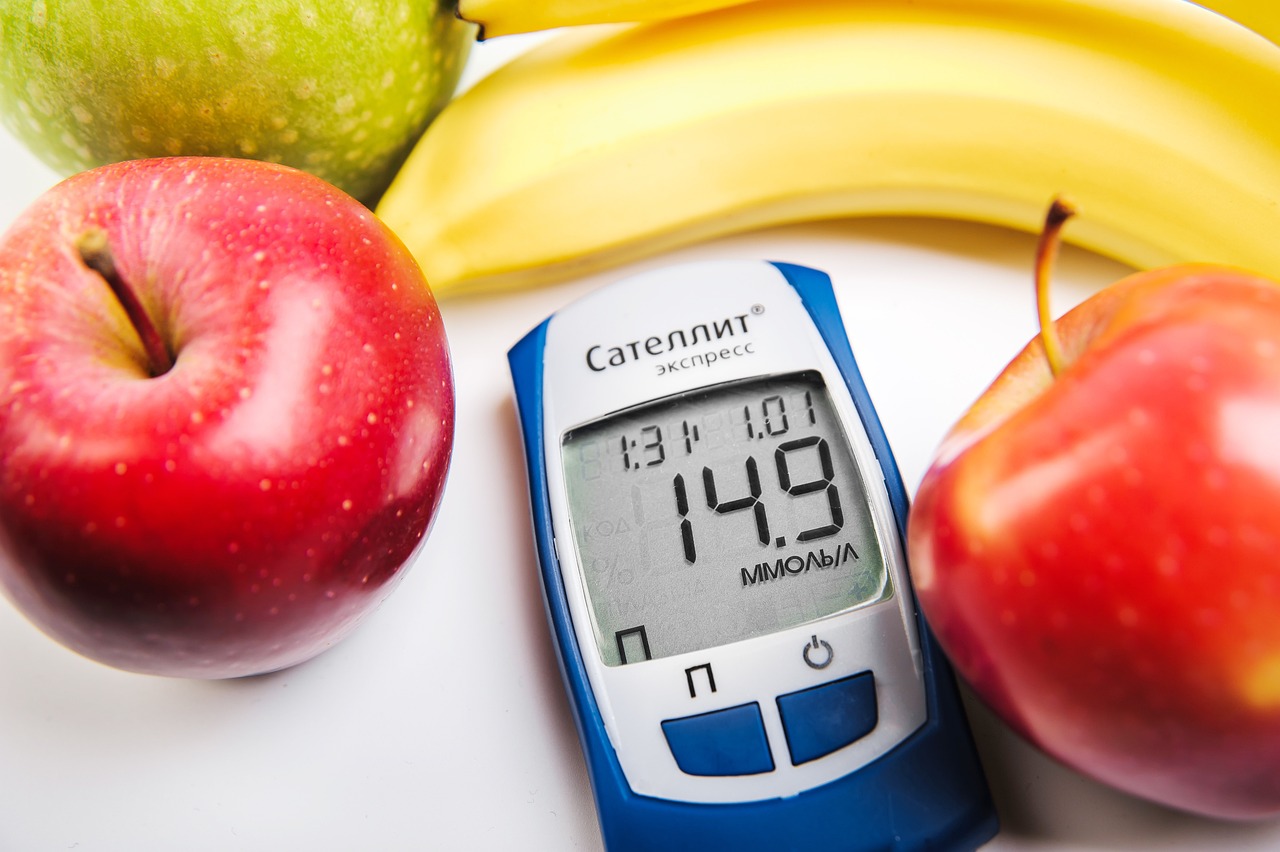
The practical value of these devices depends on both measurement quality and usability. A reading may be technically accurate, yet still fail in routine care if staff cannot capture, transmit, interpret, or act on it reliably. For related coverage of monitoring and testing technologies, visit the Diagnostic Devices section.
What counts as a vital signs monitoring device?
A vital signs monitoring device is any medical device or device system used to measure, display, record, or transmit physiological parameters that help clinicians assess a patient’s current condition. Core parameters usually include pulse or heart rate, non-invasive blood pressure, respiratory rate, body temperature, and blood oxygen saturation. In higher-acuity settings, devices may also display ECG waveforms, invasive pressures, end-tidal carbon dioxide, or other monitored values when those functions are part of the device’s intended use.
The category can be divided into several practical groups:
- Spot-check monitors: Common in outpatient clinics, emergency triage, general wards, and long-term care. They collect readings at intervals rather than continuously.
- Bedside multiparameter monitors: Used in operating rooms, intensive care units, step-down units, and monitored beds where continuous observation and alarm functions are necessary.
- Transport monitors: Built for patient movement inside a hospital or between facilities, with attention to battery life, durability, and display visibility.
- Wearable or patch-based systems: Designed to capture selected parameters over longer periods, often for lower-acuity in-hospital monitoring, hospital-at-home models, or post-discharge observation.
- Remote physiologic monitoring kits: Used outside traditional clinical sites to collect and transmit values such as blood pressure, weight, pulse oximetry, or respiratory data for clinician review.
The same parameter can carry different clinical meaning in different environments. A single oxygen saturation value during a clinic visit is not the same as continuous SpO2 monitoring in a recovery room. A home blood pressure reading may support chronic disease management, while an ICU blood pressure trend may drive immediate intervention. That context should shape device selection, configuration, and staff training.
Where these devices are used and what buyers should compare
The table below summarizes common use cases and the evaluation questions that matter most before purchase or deployment.
| Care setting | Typical device format | Main selection question |
|---|---|---|
| Primary care and outpatient clinics | Spot-check monitor, thermometer, pulse oximeter, blood pressure device | Can staff capture repeatable readings quickly and document them with minimal manual entry? |
| Emergency department and triage | Mobile vital signs monitor, transport monitor, bedside monitor | Does the device support fast setup, clear display, durable use, and escalation when values change? |
| General ward | Spot-check monitor or selected continuous wearable monitoring | Will monitoring reduce missed deterioration without creating excessive nuisance alarms? |
| ICU, OR, and recovery areas | Continuous multiparameter monitor with alarm functions | Are accuracy, alarm prioritization, waveform display, and integration strong enough for high-acuity care? |
| Home and remote care | Connected blood pressure cuff, pulse oximeter, scale, wearable sensor, mobile gateway | Can patients use the device correctly, and can clinicians receive data that is timely, secure, and actionable? |
| Pediatric and infant monitoring | Age-appropriate monitors with specific authorization and labeling | Has the device been evaluated for the intended population and clinical claim? |
A common procurement mistake is to compare devices by the number of parameters listed on a specification sheet. In practice, a narrower set of reliable parameters may be safer and easier to manage than a broader device that generates poorly configured alerts or creates extra manual work. Buyers should also review cuff sizes, probe types, cleaning procedures, connectivity options, battery performance, cybersecurity documentation, and available service support.
Accuracy and safety risks are not the same for every parameter
Vital signs may appear straightforward, but each measurement has technical limits. Device performance can be affected by patient movement, poor perfusion, skin temperature, sensor placement, body habitus, arrhythmias, ambient conditions, user technique, and the clinical population being monitored. Because these factors vary by parameter, teams should review validation evidence for the exact use case rather than assume that all devices in the same broad category perform alike.
Pulse oximetry requires careful interpretation
The U.S. Food and Drug Administration has repeatedly noted that pulse oximeters estimate oxygen saturation and pulse rate using light-based measurement. The agency has also stated that readings can be affected by factors such as circulation, skin pigmentation, skin thickness, temperature, tobacco use, and fingernail polish. The FDA held public advisory committee discussions in 2022 and 2024 and proposed updated recommendations in January 2025 to improve performance evaluation across skin tones. For purchasers, the takeaway is practical: SpO2 should be evaluated as a clinical estimate with known limitations, not as a perfect substitute for every oxygenation assessment.
Blood pressure and temperature depend heavily on technique
Non-invasive blood pressure measurement can be distorted by cuff size, cuff placement, patient posture, arm position, motion, talking, and arrhythmia. Temperature readings vary by site and method, including oral, tympanic, temporal, axillary, rectal, and continuous temperature systems. A device may meet its performance claims under defined conditions but produce less reliable values when staff are rushed, accessories are mismatched, or patient instructions are unclear.
Alarm design can improve or weaken monitoring
Continuous monitoring is useful only when alarms help clinicians distinguish urgent changes from expected variation. International standards in the IEC 60601 family address alarm system requirements for medical electrical equipment, including alarm priority and signal consistency. In clinical settings, alarm value also depends on local configuration, unit policy, staff response time, patient acuity, and whether the system integrates with central stations or mobile notifications. Excessive non-actionable alarms can cause desensitization, while overly loose limits can delay recognition of deterioration.
Regulatory and reimbursement checkpoints in the United States
For U.S. use, the device’s intended use and marketing authorization matter. A consumer wellness product is not automatically suitable for clinical monitoring because it displays heart rate or oxygen saturation. If a product is promoted for diagnosis, treatment decisions, disease monitoring, or vital sign alerts, healthcare organizations should confirm its regulatory status, labeling, patient population, accessories, and instructions for use.
FDA policy has also continued to move beyond the emergency conditions that shaped remote monitoring during the COVID-19 period. In October 2023, the FDA issued final guidance on non-invasive remote monitoring devices used to support patient monitoring at the conclusion of the public health emergency. That guidance clarified enforcement policies and premarket review expectations as stakeholders transitioned toward normal device oversight. See also: clinical equipment.
Quality system expectations are important for both manufacturers and procurement teams. The FDA issued a final rule on January 31, 2024, to align 21 CFR Part 820 more closely with ISO 13485:2016. The revised Quality Management System Regulation became effective on February 2, 2026. For buyers, this does not replace product-level review, but it increases the importance of supplier quality documentation, complaint handling, design controls, risk management, and postmarket processes.
Remote physiologic monitoring has additional reimbursement considerations. Public HHS telehealth guidance describes RPM as requiring physiologic data to be electronically collected and automatically uploaded to a secure location for analysis and interpretation by the billing practitioner. It also notes conditions such as medical necessity, patient consent, and data collection requirements for certain CPT codes. Because coding and payment rules can change, organizations should verify current billing guidance before building a remote monitoring program around a reimbursement assumption.
A practical checklist before selecting a system
Healthcare teams can reduce risk by turning technical requirements into workflow questions. Before selecting vital signs monitoring devices, consider the following checklist:
- Define the intended care setting. A general ward, ICU, urgent care center, and home monitoring program have different requirements for accuracy, alarm behavior, durability, and connectivity.
- Match the device to the patient population. Adult, pediatric, neonatal, pregnant, high-BMI, low-perfusion, and high-motion populations may require different validation evidence and accessories.
- Review the exact parameters needed. Avoid paying for functions that will not be used, but do not omit parameters that drive clinical decisions in the target workflow.
- Check labeling and authorization. Confirm that the intended use, environment, and patient population match how the device will be deployed.
- Evaluate accessory management. Cuffs, probes, temperature covers, batteries, chargers, cables, and adhesives can determine real-world reliability.
- Test data flow. Confirm whether readings move into the electronic health record, central monitoring system, or care management platform without unsafe manual workarounds.
- Assess alarm policy. Decide who receives alerts, which thresholds apply, how alerts are escalated, and how nuisance alarms will be reviewed.
- Plan training and competency checks. Even high-quality devices can produce poor data when users are not trained in placement, cleaning, troubleshooting, and documentation.
- Review cybersecurity and privacy controls. Connected systems should be assessed for authentication, encryption, software updates, access controls, and incident response.
- Confirm service and lifecycle support. Calibration, preventive maintenance, software updates, spare parts, and end-of-life notices should be part of the purchase decision.
Trends shaping the next generation of monitoring
The direction of travel is toward connected, lower-burden monitoring rather than isolated measurement. Hospitals want earlier warning of deterioration outside the ICU. Outpatient programs want better visibility into chronic disease without unnecessary visits. Home care models need devices that patients can operate correctly without a clinician standing nearby. These pressures help explain the growth of wearable sensors, Bluetooth-enabled cuffs, automated uploads, and dashboard-based review.
More data, however, does not automatically mean better care. A remote monitoring program can fail if it sends too many low-value alerts, lacks staffing for review, or collects values that do not change management. The more useful question is whether the device supports a defined action pathway. Who reviews the data? What threshold triggers a call? What reading requires urgent care? What values are expected variation? Without those answers, connected monitoring can become a documentation burden rather than a safety tool.
Another trend is closer scrutiny of claims made by consumer and infant monitoring products. In September 2025, the FDA warned about unauthorized infant devices marketed for monitoring vital signs and emphasized that inaccurate readings can lead to unnecessary care or delayed treatment. This is a reminder that design, authorization, labeling, and clinical evidence matter most when users may depend on an alert for safety.
Frequently asked questions
What parameters do vital signs monitoring devices usually measure?
Most systems measure some combination of pulse or heart rate, blood pressure, respiratory rate, body temperature, and blood oxygen saturation. Higher-acuity monitors may include ECG, invasive pressure, capnography, or other parameters depending on their intended use and configuration.
Are wearable vital signs monitors the same as bedside monitors?
No. Wearable monitors may be useful for selected continuous or intermittent monitoring, but they usually differ from bedside monitors in display, alarm configuration, parameter range, durability, accessories, and clinical workflow. The correct comparison depends on the intended use and patient risk level.
Can consumer wellness devices be used for medical monitoring?
Not automatically. A consumer device that displays health-related information may not have authorization for clinical monitoring or diagnostic use. Healthcare organizations should verify the device’s regulatory status, labeling, performance evidence, and intended population before using it for medical decisions.
What is the most important selection factor?
The most important factor is fit for the intended clinical workflow. Accuracy is essential, but a device also needs appropriate labeling, usable accessories, clear alarms, reliable data transfer, staff training, and a defined response process.
Why is pulse oximeter performance receiving so much attention?
Pulse oximetry is widely used, but public FDA materials and advisory discussions have highlighted that performance can vary under certain conditions, including differences related to skin pigmentation. This has pushed manufacturers, regulators, and healthcare teams to pay closer attention to validation data and labeling.