Diagnostic devices in healthcare types, evidence, and regulatory considerations
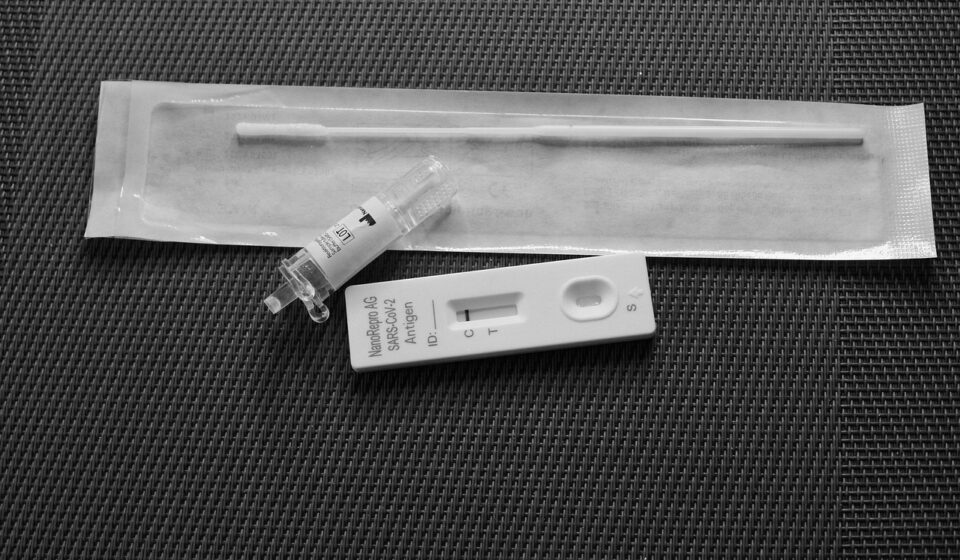
Why diagnostic devices matter now
Diagnostic devices are medical technologies used to detect, measure, monitor, or support the diagnosis of a disease or health condition. They include in vitro diagnostic tests, imaging systems, physiological signal devices, point-of-care instruments, and, increasingly, software that analyzes medical images, signals, or laboratory data. For healthcare teams, the value of a diagnostic device is not defined by novelty alone. It depends on whether the device produces reliable results for the intended patient population, fits the clinical workflow, and supports a better decision at the right time.
This is a practical issue for clinicians, laboratory leaders, hospital buyers, distributors, and medical technology observers. A device that performs well in a controlled study may still fail to deliver value if specimen handling is difficult, calibration is inconsistent, data cannot be integrated, or users are not properly trained. For more coverage of this field, visit the Diagnostic Devices category.
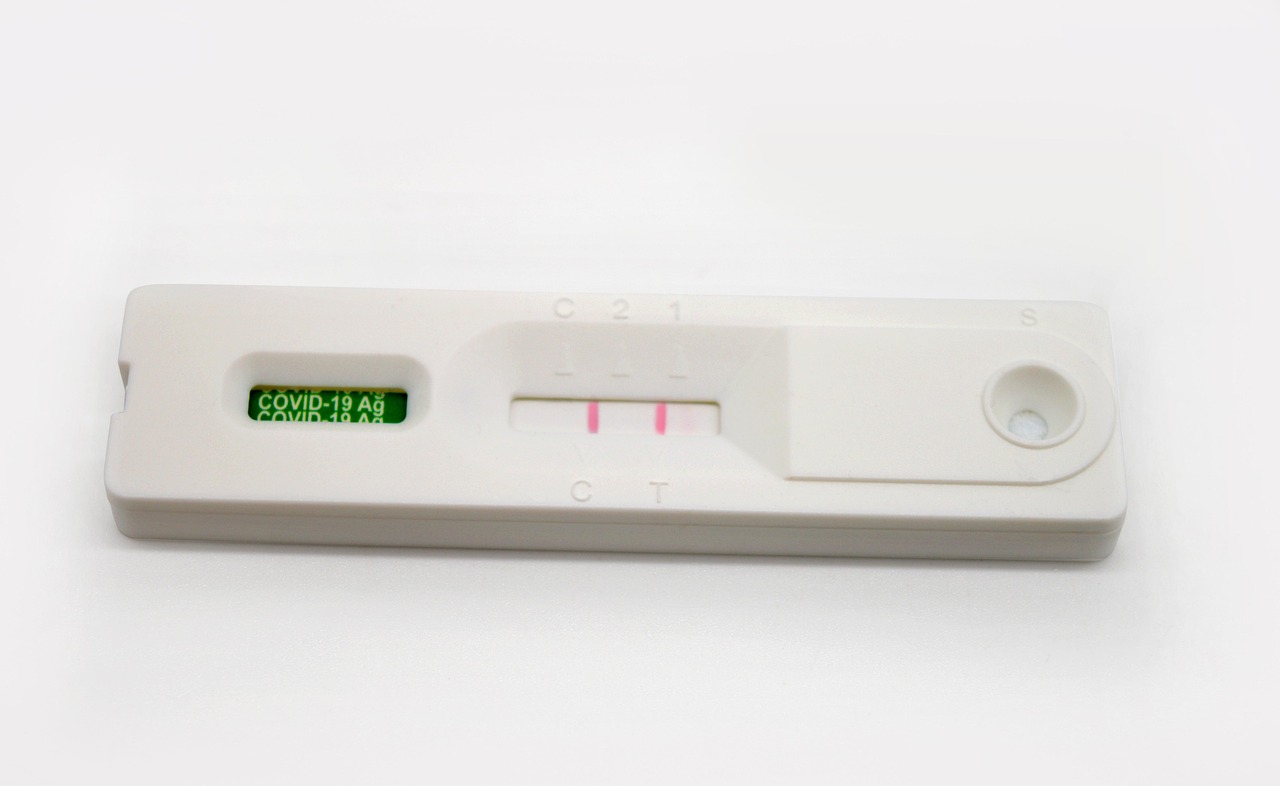
What counts as a diagnostic device?
The term “diagnostic device” covers a wide range of products. In general, it refers to a device used to generate information that helps identify, confirm, rule out, classify, or monitor a health condition. Some devices produce a direct result, such as a glucose meter or pregnancy test. Others create images or signals that require professional interpretation, such as ultrasound, electrocardiography, or digital pathology systems. A growing number of products combine sensors, software, and connectivity to provide decision-support outputs.
A useful distinction is between in vitro diagnostic devices and other diagnostic technologies. In vitro diagnostics, or IVDs, test specimens taken from the body, such as blood, urine, saliva, tissue, or swabs. These include molecular tests, immunoassays, clinical chemistry analyzers, hematology systems, lateral flow tests, and many companion diagnostics. The U.S. Food and Drug Administration describes IVDs as medical devices and evaluates many IVD submissions through pathways such as 510(k), De Novo, and premarket approval, depending on risk and intended use. (fda.gov)
Other diagnostic devices do not test a removed specimen. Imaging systems, ECG machines, pulse oximeters, digital stethoscopes, endoscopes, and wearable monitors collect information directly from the patient. These categories increasingly overlap with software because modern devices may use algorithms to reconstruct images, flag abnormal patterns, reduce noise, or prioritize urgent cases.
Main categories of diagnostic devices
| Category | Common examples | Primary value | Key evaluation concern |
|---|---|---|---|
| In vitro diagnostics | Clinical chemistry analyzers, PCR systems, immunoassays, lateral flow tests, glucose meters | Detect or quantify analytes, pathogens, biomarkers, or genetic targets | Analytical performance, specimen requirements, clinical validity, quality control |
| Diagnostic imaging | X-ray, CT, MRI, ultrasound, mammography, digital pathology imaging | Visualize anatomy, pathology, blood flow, or tissue changes | Image quality, radiation exposure where relevant, interpretation workflow, maintenance |
| Physiological signal devices | ECG, EEG, spirometry, pulse oximetry, ambulatory cardiac monitors | Measure biological signals or functional status | Signal accuracy, artifacts, patient fit, alarm performance, data review burden |
| Point-of-care and home diagnostics | Rapid infectious disease tests, home pregnancy tests, home glucose monitoring, bedside blood gas systems | Shorten time to result and support decentralized care | User training, environmental limits, quality controls, connectivity, result interpretation |
| Software-enabled diagnostics | AI image analysis, triage tools, quantitative imaging software, diagnostic decision support | Assist detection, measurement, prioritization, or interpretation | Data quality, algorithm validation, bias, update control, human oversight |
This taxonomy is not fixed. A single product may fit more than one category. A digital cervical cytology platform, for example, can combine specimen-based testing, imaging, and algorithmic assistance. A wearable cardiac monitor may combine sensing hardware, cloud analytics, and clinician review. The practical question is not which label applies, but what clinical decision the device is meant to support and what evidence shows it can do that safely.
Evidence should match the intended use
Performance claims for diagnostic devices should be reviewed in the context of intended use. A device intended for screening low-risk populations requires a different evidence package than a device used to confirm a diagnosis in symptomatic patients or guide treatment selection. The consequences of false negatives and false positives also differ by setting. A false negative in a high-risk infectious disease or cancer test can delay care, while a false positive may lead to unnecessary procedures, anxiety, or treatment.
Analytical performance
Analytical performance asks whether the device measures what it claims to measure. For IVDs, this may include accuracy, precision, limit of detection, analytical sensitivity, analytical specificity, interference testing, reproducibility, and specimen stability. FDA’s IVD review materials note that 510(k) review commonly evaluates analytical performance characteristics such as bias, imprecision, analytical specificity, and analytical sensitivity. (fda.gov)
Clinical performance
Clinical performance asks whether the result is meaningful for the target condition. Common measures include sensitivity, specificity, positive percent agreement, negative percent agreement, positive predictive value, and negative predictive value. Predictive values are especially dependent on disease prevalence, which means a test may perform differently in a specialty clinic, emergency department, population screening program, or home-use setting.
Clinical utility
Clinical utility asks whether using the device improves care. That improvement may be clinical, operational, or both. Examples include faster treatment initiation, fewer unnecessary referrals, better antimicrobial stewardship, more consistent triage, improved access in remote settings, or earlier recognition of disease. Clinical utility is often harder to prove than analytical performance because it depends on how the device is used in a real workflow.
Regulatory and quality signals to watch
Regulatory status should not be treated as a marketing checkbox. It defines the device’s cleared, approved, certified, or authorized intended use and helps buyers understand the risk controls behind the product. In the United States, common medical device pathways include 510(k), De Novo classification, and premarket approval. The 510(k) pathway generally depends on substantial equivalence to a legally marketed predicate device, while De Novo is used for certain novel devices without a predicate, and premarket approval is reserved for higher-risk Class III devices. (fda.gov)
Quality systems are equally important. FDA’s Quality Management System Regulation became effective on February 2, 2026, and incorporates ISO 13485:2016 as the foundational quality management system framework for many device manufacturers. FDA states that the rule is intended to align U.S. device quality requirements more closely with internationally recognized quality management standards while maintaining FDA statutory and regulatory authority. (fda.gov)
For IVDs, laboratory-developed tests are also an important U.S. development to follow. FDA’s final rule on medical devices and laboratory-developed tests was published in 2024 and became effective on July 5, 2024. The rule makes explicit that IVDs are devices under the Federal Food, Drug, and Cosmetic Act, including when the manufacturer is a laboratory, and it outlines a phaseout of FDA’s general enforcement discretion approach for many LDTs. (govinfo.gov)
In the European Union, IVD manufacturers and buyers also need to track the transition from the old IVD Directive framework to the In Vitro Diagnostic Regulation. Regulation (EU) 2024/1860 extended certain IVDR transition periods for eligible legacy devices, with deadlines that include December 31, 2027 for class D and certain certified devices, December 31, 2028 for class C devices, and December 31, 2029 for class B and class A sterile devices. Eligibility depends on conditions such as no significant change in design or intended purpose, no unacceptable health or safety risk, and quality management and notified body milestones. (eur-lex.europa.eu)
How AI and connected workflows are changing diagnostics
Software is now central to many diagnostic device discussions because images, signals, waveforms, and laboratory outputs are increasingly digital. AI-enabled tools may help detect findings on imaging, flag abnormal signals, quantify measurements, prioritize worklists, or support pattern recognition. The FDA reported that more than 1,600 AI-enabled medical devices had been authorized for marketing in the United States as of September 2026, showing how quickly algorithm-supported devices have moved into regulated medical technology. (fda.gov) See also: clinical equipment.
That figure should not be read as proof that every AI-enabled diagnostic tool improves outcomes. Authorization means the device met the applicable regulatory requirements for its intended use. It does not remove the need to review evidence, evaluate the target population, understand limitations, monitor performance after deployment, and train users. AI outputs can also be affected by image quality, sensor placement, demographic differences, device updates, and local workflow design.
Connected diagnostics add another layer of evaluation. Hospitals and clinics increasingly need devices that exchange data with laboratory information systems, electronic health records, picture archiving systems, remote monitoring platforms, or cloud dashboards. Interoperability can reduce transcription errors and speed up reporting, but it also raises questions about cybersecurity, access control, software updates, data retention, and service continuity.
Selection criteria for healthcare and procurement teams
Selecting diagnostic devices requires more than comparing technical specifications. A structured review helps avoid two common mistakes: buying a device with impressive features but poor workflow fit, or rejecting a device with modest specifications that could solve a high-impact clinical bottleneck.
- Define the decision point. Identify whether the device will be used for screening, diagnosis, triage, monitoring, treatment selection, or follow-up.
- Map the intended user. A laboratory professional, radiologist, nurse, primary care clinician, patient, or caregiver may each need different usability and training controls.
- Match evidence to the local population. Ask whether validation data reflect the age range, disease prevalence, specimen type, comorbidities, and clinical setting where the device will be used.
- Review regulatory status carefully. Confirm the exact intended use, device class or pathway, cleared indications, and any limitations in labeling.
- Check operational requirements. Consider calibration, controls, maintenance, reagents, consumables, environmental limits, storage, connectivity, cleaning, and service response times.
- Calculate total cost of ownership. Include acquisition price, installation, software licenses, test cartridges, quality control materials, training, maintenance, downtime, cybersecurity work, and disposal.
- Plan post-implementation monitoring. Track invalid results, repeat testing, turnaround time, user errors, complaints, recalls, software changes, and clinical feedback.
For essential diagnostics planning, global health organizations also provide useful reference points. The World Health Organization’s fifth Essential Diagnostics List is presented as an evidence-based resource that includes information such as assay format, test purpose, specimen type, and testing level, and its online database lists 237 recommendations for 192 in vitro diagnostics. (edl.who-healthtechnologies.org)
Practical risks that are easy to underestimate
Some risks are obvious, such as inaccurate results or device failure. Others are less visible until implementation. A point-of-care analyzer may require strict quality control that busy clinical areas struggle to maintain. A rapid test may reduce turnaround time but create confusion if staff do not understand confirmatory testing requirements. A connected device may improve documentation but introduce cybersecurity review, network dependency, or software update management. A highly sensitive screening device may increase referrals if specificity is insufficient for the setting.
There is also a human-factor dimension. Diagnostic devices are used by people under time pressure, in environments that may include noise, poor lighting, emergency conditions, or limited space. Labeling, interface design, sample collection steps, alarm design, and result presentation can directly affect safety. For home-use devices, instructions, packaging, smartphone compatibility, language accessibility, and customer support can be as important as laboratory performance data.
The strongest adoption plans therefore combine evidence review with workflow testing. Before broad deployment, organizations should consider small-scale pilots, staff competency checks, standard operating procedures, result escalation rules, maintenance logs, and periodic performance review. These steps are not administrative extras; they help ensure that a diagnostic device remains reliable after it leaves the controlled environment of validation studies.
Frequently asked questions
Are diagnostic devices the same as in vitro diagnostics?
No. In vitro diagnostics are an important subset of diagnostic devices, but the broader category also includes imaging equipment, physiological monitoring devices, signal acquisition systems, and software-enabled diagnostic tools. The difference matters because regulatory pathways, evidence requirements, and operational risks vary by device type.
What is the most important performance metric for a diagnostic device?
There is no single metric that applies to every device. Sensitivity may be critical for ruling out a serious condition, while specificity may be more important when false positives lead to invasive follow-up. Precision, limit of detection, image quality, reproducibility, and usability may also be decisive depending on the intended use.
Do AI-enabled diagnostic devices replace clinicians?
Most AI-enabled diagnostic devices are designed to assist with a defined task rather than replace clinical judgment. Users should follow the device labeling, understand the intended population and limitations, and maintain appropriate professional oversight.
How should buyers compare diagnostic devices from different suppliers?
Compare devices against the same intended use and workflow. Review regulatory status, validation data, quality system claims, consumable costs, service support, interoperability, cybersecurity documentation, user training needs, and post-market monitoring plans. A lower acquisition cost may not mean a lower overall cost if consumables, downtime, or integration work are significant.