Wearable medical alert devices are moving from panic buttons to connected safety systems
What wearable medical alert devices do now
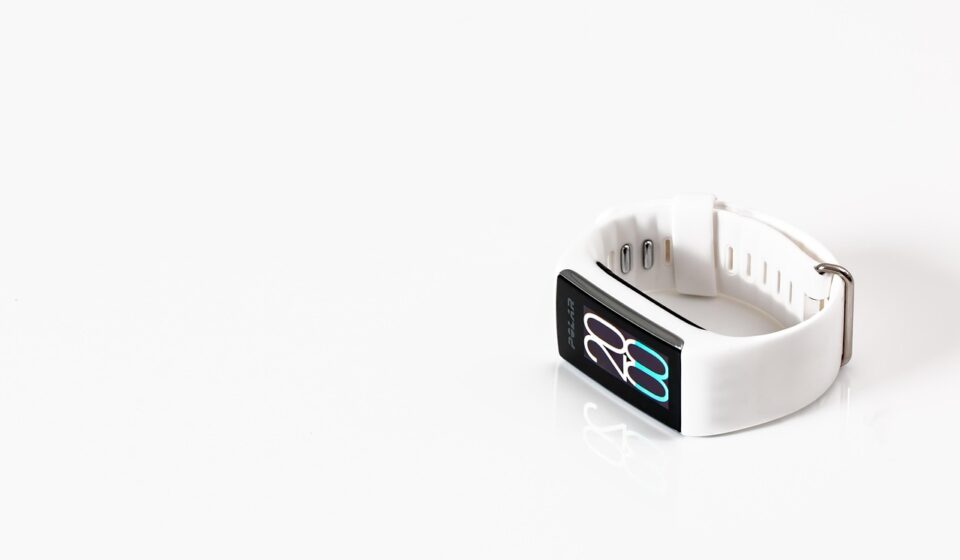
Wearable medical alert devices are no longer just pendants that call a monitoring center. The category now includes wrist-worn buttons, cellular pendants with GPS, smartwatch-style products, fall detection sensors, caregiver apps and home hubs that route alerts to family members, professional responders or emergency services. The practical purpose is still the same: shorten the time between an emergency and human help.
That purpose has limits. These devices are not a substitute for fall prevention, diagnosis, medical supervision or emergency medical services. They are communication and safety systems that may help when an older adult, a person with mobility limitations or someone recovering at home cannot reach a phone. For readers tracking adjacent equipment trends, 51jobdoc also covers related monitoring and safety technologies in Diagnostic Devices.
The strongest use case is not that a device can prevent every poor outcome. It is that a worn, charged and properly connected device can make it easier to summon help after a fall, dizziness episode, cardiac symptom, medication-related event or other urgent situation. Value depends on four practical conditions: whether the person wears it, whether the alert is detected or activated, whether the location is clear, and whether the response workflow reaches the right person quickly.
Why demand is rising even while ownership remains low
Demand for connected safety products is being shaped by aging in place and fall-related injury risk. CDC older adult fall data updated in September 2026 state that more than 14 million older adults, or about one in four, report falling every year. The same CDC data show that the age-adjusted fall death rate among adults 65 and older increased from 64.7 per 100,000 in 2018 to 78.4 per 100,000 in 2024. These figures do not prove that alert devices prevent deaths, but they help explain why families, payers and device companies continue to focus on faster emergency notification.
Ownership, however, remains limited. AARP and the Consumer Technology Association reported from a 2024 survey that connected medical alert devices were among the top technologies considered for aging in place, but ownership among adults 50-plus was only 3%, with 18% planning to purchase one in the future. That gap points to a market with real interest and significant friction.
The barriers are not purely technical. Older users may reject products that feel stigmatizing, bulky or difficult to charge. Families may confuse consumer smartwatches, professional medical alert systems and remote patient monitoring devices. Payers may cover some personal emergency response services in certain Medicaid home- and community-based services programs, while other plans may not. For suppliers and care organizations, the next phase of growth will likely depend less on adding features and more on proving usability, reliability and response quality in daily life.
Device types and where they fit
The phrase “wearable medical alert device” covers several product designs. Each has different strengths, and the right choice depends on living situation, mobility, cognitive status, cellular coverage, caregiver availability and budget.
| Device type | Typical strengths | Common limitations | Best fit |
|---|---|---|---|
| Basic pendant or wrist button | Simple emergency activation, familiar workflow, often tied to a monitoring center | Usually requires manual pressing; may have limited usefulness outside the home unless cellular-enabled | Users who can reliably press a button and want a low-complexity system |
| Cellular GPS pendant | Works beyond the home, can share location, useful for active users | Requires cellular signal and battery discipline; GPS may be less precise indoors | Older adults who leave home alone or caregivers concerned about outdoor emergencies |
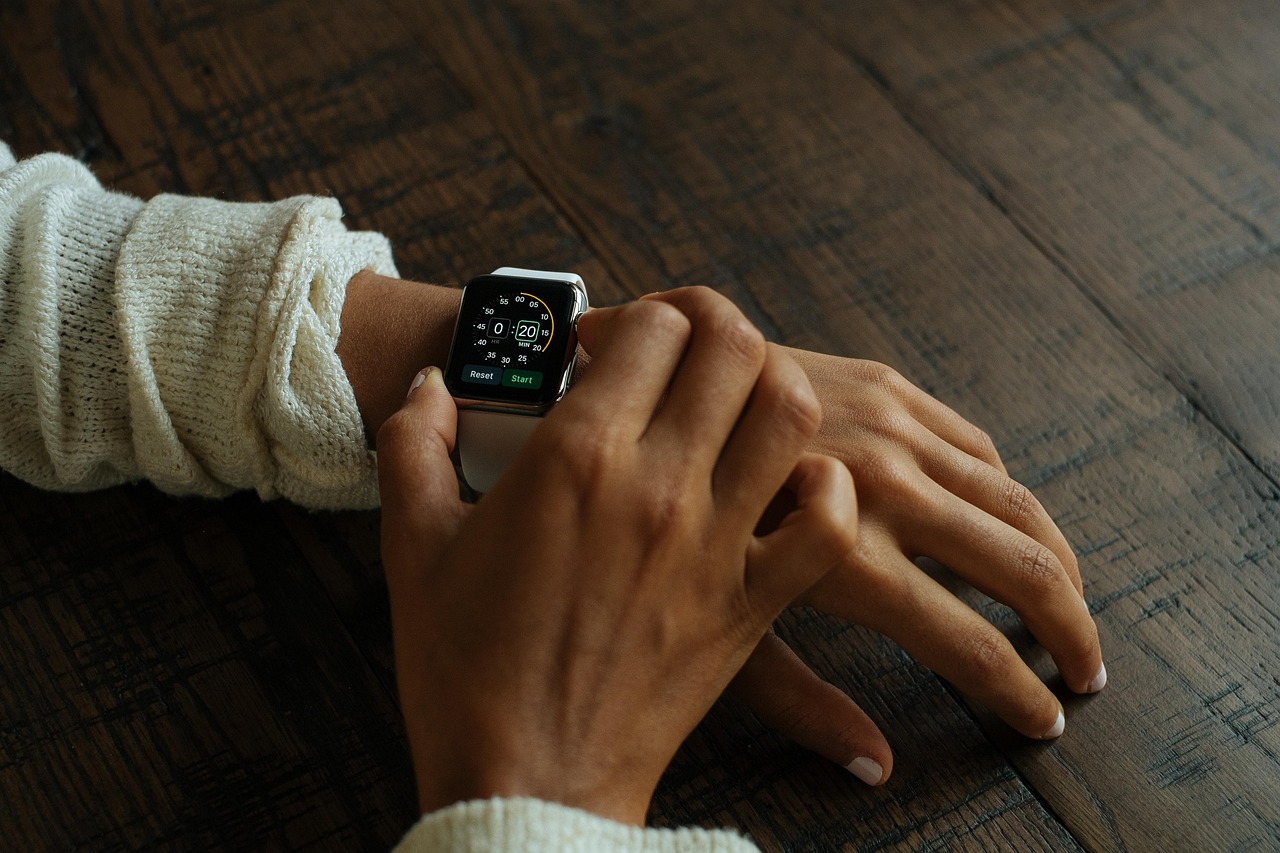
| Smartwatch-style alert device | Less stigmatizing for some users, may add activity or health features | Smaller screens and menus can be difficult; charging may be frequent | Users already comfortable with wrist wearables |
| Fall detection wearable | May trigger an alert when the user cannot press a button | Real-world accuracy can differ from lab claims; false alarms and missed falls remain concerns | Users with known fall risk, especially those living alone |
| Wearable plus home hub | Can combine in-home range, speaker communication and caregiver escalation | May fail during power, broadband or cellular outages if backup is weak | People who spend most time at home and need a structured response process |
The key point is that more advanced is not always more suitable. A pendant with a reliable monitoring response may be safer for one person than a feature-rich watch that is rarely worn or charged. Conversely, a mobile user who walks outside daily may need GPS and cellular coverage more than a home-only base station.
What makes a device clinically useful
A useful alert device is built around an emergency workflow, not just a sensor. The first question should be straightforward: what exactly happens after an alert is triggered? In many traditional personal emergency response systems, the signal goes to a response center, an operator attempts two-way communication, and then contacts a family responder, neighbor, caregiver or emergency service according to the user’s profile. In other products, the alert may go directly to a caregiver app or phone tree.
Fall detection needs real-world evidence
Automatic fall detection is attractive because a serious fall may leave a person confused, unconscious or unable to press a button. It is also one of the most difficult functions in this category. A real-world study of a wearable fall detection device published in the National Institutes of Health’s PubMed Central database found a large gap between controlled testing and daily-life performance, including many false alarms. The practical takeaway is not to reject fall detection, but to ask whether the manufacturer has tested the device with the intended population in real-world conditions.
Useful evaluation questions include whether the algorithm detects slow slides as well as hard impacts, how the system handles dropped devices, whether the user can cancel a false alarm, and whether caregivers receive enough context to respond appropriately. For higher-risk users, fall detection should be combined with prevention planning, medication review, vision checks, balance support and environmental changes such as grab bars and better lighting.
Connectivity and location are safety features
Connectivity should be treated as a safety specification. The U.S. National 911 Program warned during the 3G sunset that some medical devices, smartwatches, home security systems and other connected products could be affected when older networks were phased out. That history is a reminder that device life cycles must match network life cycles. Buyers should confirm whether a device uses current cellular networks, whether it has roaming support, how it behaves when signal is weak, and how the provider communicates required upgrades.
Location is just as important. A mobile alert device may advertise GPS, Wi-Fi positioning or cellular location, but indoor performance, apartment buildings, dense urban areas and rural coverage can all affect accuracy. Families should test alerts from the bedroom, bathroom, basement, yard, common walking route and vehicle if the user travels independently.
Battery, comfort and dignity determine adherence
The most capable device is ineffective if it is left on a nightstand. Battery life, waterproofing for shower use, strap comfort, button size, speaker volume, vibration cues and ease of charging can decide whether a person wears the product consistently. The device should also fit the user’s identity. Some people prefer a discreet watch; others want a large tactile button they can operate without looking.
Care teams should also consider cognitive load. A product that requires app menus, small icons or complex cancellation steps may not suit a user with vision impairment, tremor, neuropathy or cognitive decline. In those situations, simplicity and predictable response may matter more than advanced analytics. See also: clinical equipment.
Regulation, standards and reimbursement signals to watch
Regulatory status varies across this market. Some products are primarily emergency communication systems, while others may include software or functions that meet the definition of a medical device depending on intended use and claims. FDA guidance on device software functions states that the agency focuses oversight on software functions that meet the device definition and could pose patient safety risk if they do not work as intended. FDA’s public 510(k) database also includes historical medical alert system entries, showing that some personal emergency response products have been handled within medical device pathways.
For manufacturers, the quality environment is also evolving. FDA’s Quality Management System Regulation became effective on February 2, 2026, aligning device current good manufacturing practice requirements more closely with ISO 13485:2016. This matters when alert products are marketed with medical-device claims, integrated into care programs or used by vulnerable populations.
Standards and communications requirements add another layer. UL 1635 covers digital alarm communicator system units used in settings that include home health care medical alert control units, while some state Medicaid PERS requirements reference FCC approval and UL safety standards for equipment. These references do not mean every consumer product has the same certification profile. They do show what institutional purchasers often care about: signal initiation, transmission, annunciation, backup power, low-battery alerts and reliable reset after activation.
Reimbursement should be checked locally. Traditional Medicare coverage has historically treated telephone alert systems differently from durable medical equipment, and Medicaid coverage varies by state waiver or program. Medicare Advantage, Medicaid home- and community-based services, veterans’ benefits, local aging agencies or health system programs may have different rules. A device should not be purchased on the assumption that the term “medical alert” automatically makes it reimbursable.
Practical checklist before choosing a device
For families, clinicians and care coordinators, a structured checklist can prevent mismatched purchases. Before selecting a wearable medical alert device, verify the following:
- Response path: Who receives the alert first, and what happens if that person does not answer?
- Two-way communication: Can the user speak through the pendant, watch or home base from likely fall locations?
- Location accuracy: Does the device provide useful location indoors, outdoors and during travel?
- Network compatibility: Which cellular network does it use, and what is the upgrade policy if networks change?
- Battery behavior: How long does the battery last, how are low-battery alerts sent, and can a caregiver see charge status?
- Fall detection evidence: Is performance supported by real-world testing, not only staged falls by healthy volunteers?
- Wearability: Is it comfortable, water-resistant for bathing, and acceptable to the user’s sense of dignity?
- Data privacy: What location, health and usage data are collected, who can access them, and how long are they stored?
- Cancellation process: Can the user easily cancel a false alarm without disabling future protection?
- Total cost: Include activation fees, monthly monitoring, cellular service, replacement devices, caregiver apps and cancellation terms.
Organizations buying at scale should add service-level questions: average response time, monitoring center staffing model, language support, outage procedures, device replacement logistics and documentation available for care managers. The device is only one part of the safety system; onboarding, testing and follow-up determine much of the outcome.
Frequently asked questions
Are wearable medical alert devices the same as smartwatches?
Not always. Some smartwatches include emergency calling or fall detection, but a dedicated medical alert product may connect to a professional monitoring center and maintain a care profile with contacts, address and medical notes. The better option depends on the user’s comfort, response needs and reliability requirements.
Can fall detection replace pressing an emergency button?
No. Automatic fall detection should be viewed as a backup feature, not a replacement for manual activation. Real-world falls vary widely, and studies have shown that performance in daily life can differ from controlled testing. Users should still be trained to press the button whenever they can.
Do these devices prevent falls?
They do not prevent falls by themselves. They may reduce the time to assistance after an event. Fall prevention still requires risk screening, medication review, vision care, strength and balance activity, home safety changes and clinical follow-up when appropriate.
What is the most important feature to compare?
The most important feature is the complete response workflow. A device with excellent sensors but weak escalation can still fail the user. Compare who is alerted, how location is shared, whether communication is two-way, how false alarms are handled and how the system works during power or network disruptions.
Should buyers choose a medical device or a consumer wearable?
That depends on intended use. If the product is being used as part of a clinical care plan or marketed with medical claims, regulatory status, quality controls and evidence become more important. If the goal is general safety communication, usability and response reliability may be the deciding factors. In either case, claims should be checked against documentation, not advertising language alone.