Oxygen devices in healthcare for diagnosis, therapy, and home use
Why oxygen devices should be viewed as a system
Oxygen devices are not one product category. In healthcare, the term can include monitoring equipment such as pulse oximeters, oxygen source equipment such as concentrators and medical oxygen systems, and delivery components such as flowmeters, humidifiers, tubing, masks, and nasal cannulas. For clinicians, procurement teams, and home-care planners, oxygen therapy depends on the full chain: detect hypoxaemia, choose or prescribe the appropriate delivery method, verify performance, and monitor the patient over time. WHO guidance emphasizes the need for oxygen access and pulse oximetry across levels of the health system, while the FDA cautions that pulse oximeter readings have known limitations and should be interpreted with symptoms and clinical context. (who.int)
For a site focused on diagnostic devices, the diagnostic side of oxygen care is particularly important. A pulse oximeter does not deliver oxygen, but its reading often influences when oxygen therapy is started, adjusted, escalated, or stopped. Device accuracy, labeling, user training, and maintenance therefore matter as much as oxygen output or flow capacity.

Main types of oxygen devices and where they fit
A useful way to organize oxygen-related equipment is by function. Some devices measure oxygen status, some generate or store oxygen, and others deliver oxygen from the source to the patient. Mixing up these roles can lead to poor purchasing decisions, unsafe home use, or unrealistic expectations about small consumer devices.
| Device group | Examples | Primary role | Key selection questions |
|---|---|---|---|
| Monitoring devices | Pulse oximeters, bedside monitors with SpO2 modules, sensor probes | Estimate oxygen saturation and support trending or spot checks | Is it intended for medical use? What populations and skin pigmentations were included in testing? Is the probe suitable for the patient? |
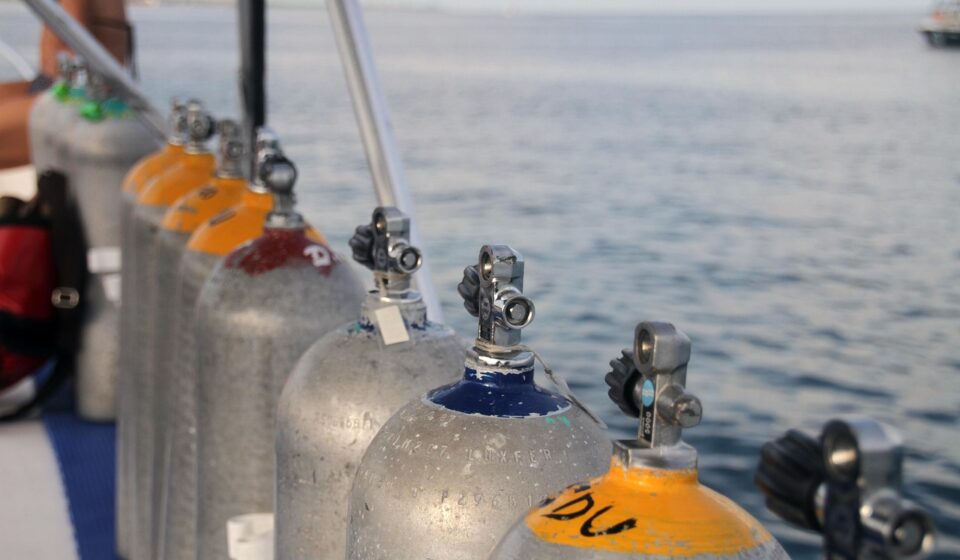
| Oxygen source devices | Stationary oxygen concentrators, portable oxygen concentrators, cylinders, liquid oxygen systems, PSA plants | Provide or store oxygen for therapy | Does the source meet the required purity, flow, duration, pressure, and maintenance conditions? |
| Flow and conditioning devices | Flowmeters, regulators, humidifiers, blenders | Control or condition oxygen before delivery | Is the flow range appropriate? Are connections compatible? Is cleaning and replacement clearly defined? |
| Patient interfaces | Nasal cannulas, simple masks, non-rebreather masks, high-flow interfaces | Deliver oxygen to the patient | What oxygen concentration is expected? Can the patient tolerate the interface? Is fit or leak a concern? |
Monitoring devices
Pulse oximeters use light-based measurement to estimate blood oxygen saturation and pulse rate. They are widely used because they are non-invasive, relatively fast, and suitable for repeated checks. The displayed value, however, is an estimate rather than a direct arterial blood gas measurement. The FDA lists several factors that can affect accuracy, including poor circulation, skin pigmentation, skin thickness, skin temperature, tobacco use, and fingernail polish. (fda.gov)
The distinction between medical-purpose pulse oximeters and general wellness products is important. The FDA has stated that some consumer pulse oximeters sold for wellness, sports, or aviation uses are not evaluated for clinical decision-making. In home monitoring, this limitation can be significant because a reassuring number may be mistaken for a diagnosis or for proof that medical attention is unnecessary. (fda.gov)
Oxygen source devices
Oxygen concentrators separate oxygen from ambient air and provide oxygen-enriched gas for patients who require supplemental oxygen. WHO technical materials distinguish oxygen produced by air-liquefaction processes, PSA plants, and concentrators. WHO notes that medical-use oxygen from air liquefaction is defined at not less than 99.5% oxygen, while PSA plant output is commonly specified as oxygen 93% ±3; concentrators are treated as a distinct source used in oxygen therapy systems. (who.int)
Stationary concentrators are typically selected for continuous home or facility use. Portable concentrators are selected when mobility is part of the care plan. The specification review should not stop at advertised liters per minute. The clinical question is whether the device can match the prescribed mode, flow, duty cycle, alarm needs, power availability, and backup requirements.
Delivery components
Tubing, cannulas, masks, humidifiers, and regulators may look simple, but they directly affect the oxygen dose reaching the patient. Long tubing runs, kinks, leaks, incompatible fittings, incorrect flowmeter use, and weak cleaning routines can reduce effectiveness or create hazards. These components should be specified as part of the oxygen system, not treated as interchangeable accessories.
How care settings change device requirements
The same oxygen device category can require different features in a hospital ward, emergency response setting, long-term care facility, or home. A hospital may prioritize integration with central oxygen systems and electronic records. A rural clinic may focus on ruggedness, serviceability, and low-maintenance oxygen generation. A home user may need simpler instructions, clear alarms, battery planning, and practical escalation guidance.
| Setting | Common oxygen devices | Selection priority | Common risk |
|---|---|---|---|
| Acute care | Bedside oximeters, wall oxygen, flowmeters, masks, high-flow systems | Clinical accuracy, alarm management, rapid escalation | Overreliance on a single SpO2 reading or alarm fatigue |
| Primary care or outpatient clinic | Spot-check oximeters, cylinders, basic delivery interfaces | Reliable screening and referral decisions | Using consumer-grade readings for clinical judgment |
| Low-resource facility | Concentrators, PSA oxygen supply, pulse oximeters, cylinders for backup | Maintenance, power stability, spare parts, training | System downtime or lack of backup oxygen |
| Home care | Stationary or portable concentrators, tubing, cannulas, home pulse oximeters | Prescription match, ease of use, alarms, fire safety, backup plans | Misuse by lay users or delayed care when symptoms worsen |
ECRI’s 2024 health technology hazards brief placed design shortcomings in home-use devices at the top of its list. It noted that home users often lack professional training and that devices are not always designed around lay use. For oxygen devices, this supports the need for plain labeling, readable displays, clear alarms, and training that reflects the actual home environment. (home.ecri.org)
Performance and safety checks that matter
Oxygen devices should be evaluated by intended use, patient population, measured performance, maintenance burden, and failure modes. A low purchase price can be misleading if the device requires frequent servicing, lacks compatible consumables, or cannot perform reliably under local temperature, humidity, power, or transport conditions.
Accuracy and validation for monitoring
For pulse oximeters, accuracy is not just a technical specification; it is a clinical safety issue. The FDA issued draft guidance in January 2025 on non-clinical and clinical performance testing, labeling, and premarket submission recommendations for pulse oximeters used for medical purposes. The agency said the draft was partly driven by concerns that accuracy can be affected by skin pigmentation and was intended to support more consistent evaluation and labeling. (fda.gov)
In practice, buyers should review the intended population, available probe types, motion tolerance, low-perfusion performance, cleaning instructions, and whether the product is positioned for medical use or general wellness. Clinicians should also avoid treating a single normal SpO2 value as a complete assessment when symptoms, appearance, respiratory rate, or other clinical signs suggest deterioration.
Oxygen purity, flow, and alarms
For oxygen concentrators and facility oxygen systems, output purity and flow stability must match the intended setting. WHO’s oxygen materials describe medical oxygen system specifications for concentrators, PSA plants, and facility-based systems, emphasizing planning, selection, use, and maintenance rather than device purchase alone. (who.int)
Important checks include whether the concentrator can sustain the prescribed flow, whether alarms cover power failure and low oxygen concentration, whether filters are user-serviceable, and whether backup oxygen is available during outages. A portable concentrator that is convenient for travel may not replace a stationary continuous-flow device if the patient’s prescription requires continuous oxygen delivery. See also: clinical equipment.
Human factors and home safety
Home oxygen equipment moves clinical technology into kitchens, bedrooms, cars, and travel settings. That makes human factors central to safe use. Users need to understand power requirements, battery duration, fire risk around oxygen, tubing trip hazards, cleaning schedules, and when to call a clinician. The FDA’s home-use device materials highlight that some home medical devices are prescribed and that users should ask practical safety and operation questions before use. (fda.gov)
Oxygen supports combustion, so smoking, open flames, and certain heat sources are serious hazards near oxygen equipment. Even when the oxygen source is working correctly, unsafe placement or poor cable and tubing management can create preventable risks.
Regulatory and standards signals to watch
Regulatory status and standards alignment help separate medical devices from wellness gadgets or industrial equipment. They do not replace clinical judgment, but they provide evidence that the manufacturer has addressed defined safety, performance, and labeling expectations.
For pulse oximetry, ISO 80601-2-61:2026 was published in April 2026 as the third edition of the standard covering basic safety and essential performance of pulse oximeter equipment, including monitors, probes, and probe cable extenders used on humans. This is relevant for manufacturers, purchasers, and evaluators because it reflects a current international framework for pulse oximeter equipment. (iso.org)
For U.S. readers, FDA-cleared medical-purpose devices should not be confused with products marketed only for wellness or general fitness. Similarly, an oxygen concentrator used to treat a diagnosed condition should be matched to a clinician’s order. Only a healthcare provider can diagnose hypoxia or prescribe the appropriate oxygen therapy plan; device readings and device availability do not replace that decision. (fda.gov)
A practical checklist for selecting oxygen devices
Procurement teams, clinical departments, and home-care coordinators can reduce risk by using a structured checklist. The most useful questions are not limited to price or brand. They connect patient need, technical performance, support, and the environment where the device will actually be used.
- Define the clinical role. Is the device intended to screen, monitor, generate oxygen, store oxygen, regulate flow, humidify gas, or deliver oxygen to the patient?
- Confirm intended use. Is the device labeled for medical use, home use, transport, pediatric use, neonatal use, or only general wellness?
- Match the prescription or protocol. For therapy devices, confirm flow mode, flow range, duration, oxygen concentration, pressure, and interface compatibility.
- Review evidence and standards. For pulse oximeters, look for medical-purpose clearance, accuracy information, tested populations, and probe compatibility. For oxygen sources, check purity, alarms, duty cycle, and maintenance needs.
- Plan for failure. Consider power loss, battery depletion, blocked filters, tubing damage, empty cylinders, alarm response, and backup oxygen.
- Assess user training. Instructions should be understandable for the actual user, not only for biomedical engineers or respiratory therapists.
- Consider total cost. Include accessories, replacement sensors, filters, batteries, preventive maintenance, calibration checks, shipping, warranty, and service availability.
- Avoid unsupported claims. Be cautious of devices that promise treatment outcomes without appropriate regulatory status, clinical context, or clear technical specifications.
The strongest oxygen-device programs treat monitoring and therapy as a closed loop. The oxygen source must provide the right output, the delivery interface must fit the patient and treatment goal, and the monitoring device must be interpreted in context. If any link is weak, the system can appear to work while the patient still receives inadequate or poorly monitored therapy.
Frequently asked questions
Are pulse oximeters considered oxygen devices?
They are oxygen-related monitoring devices rather than oxygen delivery devices. A pulse oximeter estimates blood oxygen saturation and pulse rate, but it does not supply oxygen. It remains central to oxygen care because it helps clinicians detect low oxygen levels and monitor response to therapy.
Is an oxygen concentrator the same as an oxygen cylinder?
No. A concentrator generates oxygen-enriched gas from room air, while a cylinder stores compressed oxygen that has already been produced and filled. Concentrators need power and maintenance; cylinders need pressure management, refilling, storage controls, and safe handling.
Can a home pulse oximeter decide whether someone needs oxygen?
No. A home reading can provide useful information, but it should not be treated as a diagnosis. The FDA advises that readings should be considered along with symptoms and other information, and only a healthcare provider can diagnose hypoxia or determine the need for oxygen therapy. (fda.gov)
What is the biggest mistake when comparing oxygen devices?
The biggest mistake is comparing devices by one number, such as flow rate, oxygen percentage, battery time, or price. Safe selection requires matching the device to the patient, setting, intended use, prescription, monitoring plan, maintenance capacity, and backup strategy.
Why does skin pigmentation matter for pulse oximeters?
Pulse oximetry is based on optical measurement, and the FDA has recognized evidence of performance differences across skin pigmentations. Its January 2025 draft guidance proposed recommendations for testing, clinical study design, and labeling for medical-purpose pulse oximeters to help address these concerns. (fda.gov)