Surgery equipment planning for safer and more efficient operating rooms
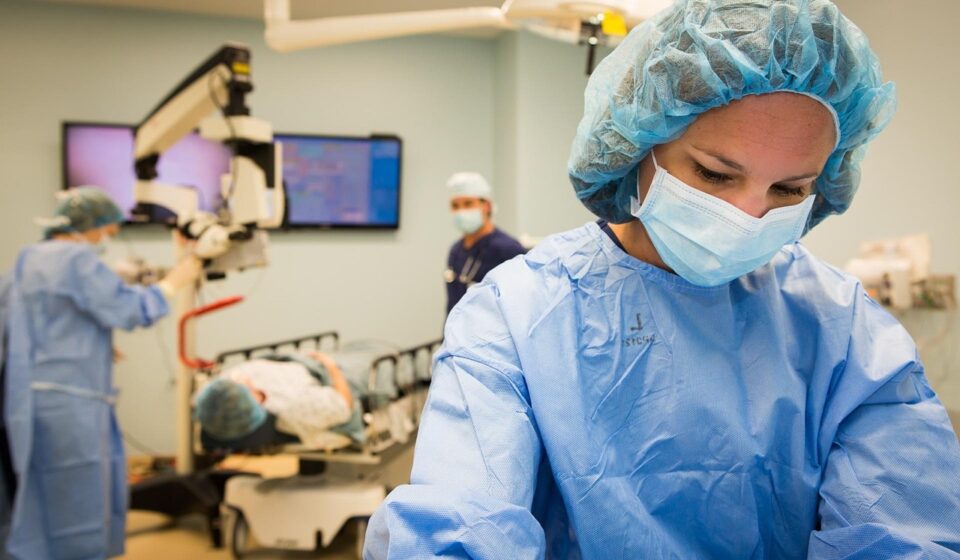
Surgery equipment decisions affect much more than what sits inside an operating room. A practical plan has to match the facility’s procedure mix, protect sterility, reduce device-related delays, and help staff work safely when time is limited. The clearest way to start is to group equipment by clinical function, then evaluate each item against reprocessing requirements, maintenance demands, compatibility, training needs, and lifecycle cost. This is especially important in modern operating rooms, where reusable surgical instruments, powered devices, electrosurgical systems, imaging, patient monitoring, smoke evacuation, and sterile processing workflows all operate as part of one connected environment.
For broader coverage of hospital and clinical technology topics, see the clinical equipment section.
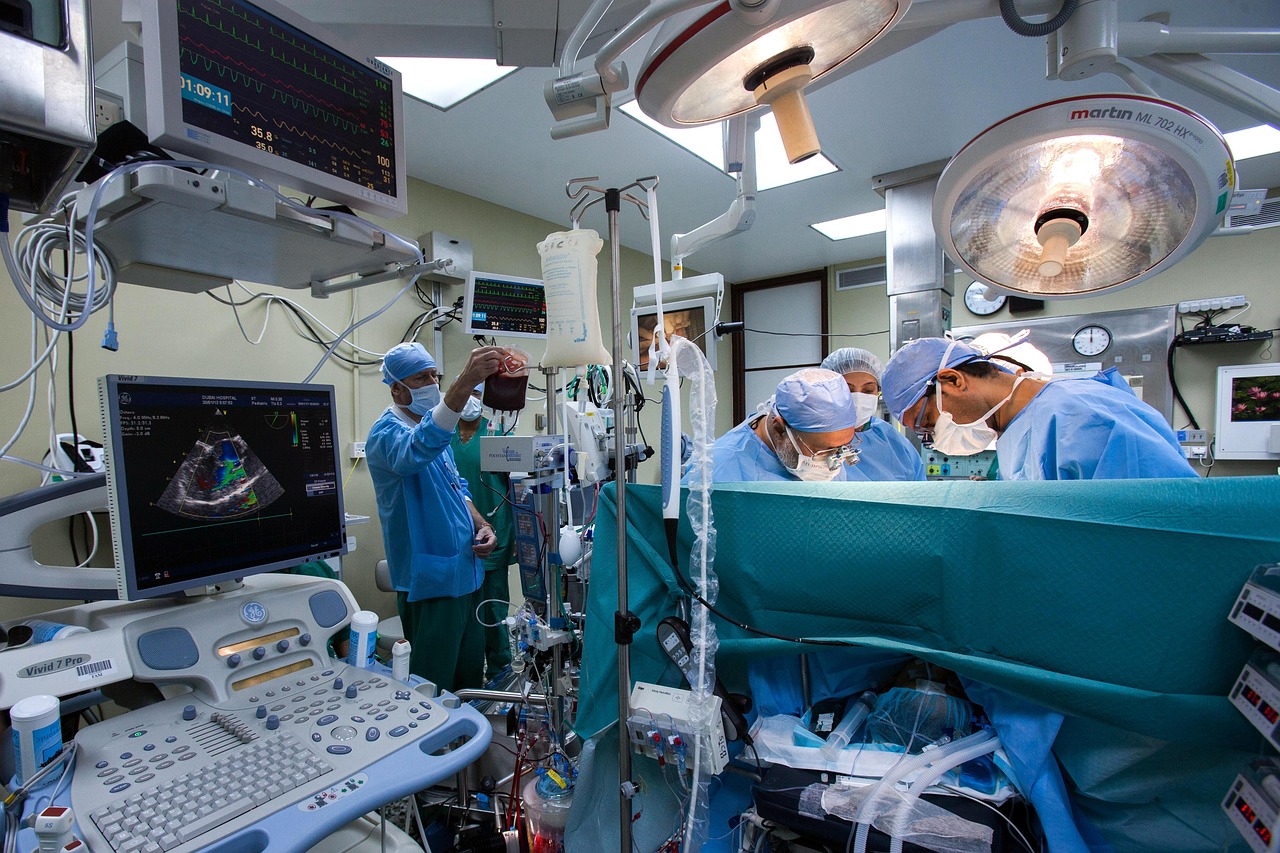
What surgery equipment includes in a modern operating room
The term surgery equipment is often used loosely. In practice, it covers several categories with different safety and workflow requirements. Some items contact tissue directly, some support visualization or patient positioning, and others help maintain sterility, anesthesia, ventilation, or procedural documentation. Treating all of them as one purchasing category can hide important risks.
Reusable surgical instruments remain the foundation of most procedures. These include scalpels, forceps, clamps, retractors, needle holders, scissors, trocars, orthopedic tools, and specialty procedure sets. Their value depends not only on material quality and ergonomics, but also on whether they can be cleaned, inspected, assembled, packaged, sterilized, stored, and returned to the operating room reliably.
Powered and energy-based devices add another layer of planning. Electrosurgical generators, ultrasonic systems, drills, saws, shavers, and vessel sealing platforms may improve procedural speed and precision, but they also introduce electrical safety, thermal injury, smoke, maintenance, and compatibility concerns. Accessories such as return electrodes, pencils, handpieces, tubing, cables, batteries, and sterile covers need to be included in the real equipment plan, not treated as afterthoughts.
Visualization and support equipment also shape surgical performance. Operating lights, surgical tables, anesthesia machines, patient monitors, suction systems, insufflators, endoscopy towers, video processors, displays, imaging interfaces, and instrument tracking systems all influence workflow. A table that does not support the required patient positions, a display placed outside the surgeon’s line of sight, or an underpowered suction setup can slow a case even when the primary instruments are available.
| Equipment group | Typical examples | Main planning question |
|---|---|---|
| Reusable instruments | Forceps, clamps, retractors, scissors, specialty sets | Can they be cleaned, sterilized, inspected, and turned around consistently? |
| Energy and powered devices | Electrosurgical units, drills, saws, ultrasonic systems | Are safety controls, accessories, maintenance, and staff training adequate? |
| Visualization systems | Endoscopy towers, cameras, displays, surgical lights | Do they support the procedure mix and room layout? |
| Patient support systems | Tables, positioning devices, warming systems, monitors | Do they protect the patient while allowing safe surgical access? |
| Sterile processing support | Packaging, trays, indicators, sterilizers, tracking systems | Can the facility maintain sterility assurance without causing case delays? |
Start with procedure mix rather than a generic equipment list
A generic checklist can help teams avoid obvious omissions, but it should not drive serious equipment planning. A hospital performing orthopedic trauma, laparoscopic general surgery, and outpatient endoscopy will need a different mix from a facility focused on ophthalmology, obstetrics, or minor procedures. The number of rooms, case volume, emergency coverage, surgeon preference cards, and sterilization turnaround time all affect how much equipment is actually required.
The first step is to map the procedures the facility performs or expects to perform. For each procedure group, teams should identify the core instrument sets, specialty devices, backup instruments, implants or consumables, positioning requirements, imaging requirements, and room turnover expectations. This work often shows that the limiting factor is not the purchase of one advanced device, but the availability of complete trays, accessories, loaner instruments, trained staff, or sterile processing capacity.
Preference cards also need regular review. Over time, they can accumulate items that are rarely used or no longer reflect current practice. Removing unnecessary instruments from sets may reduce tray weight, cleaning complexity, and sterilization burden. However, these changes should be made with clinical input because a rarely used instrument may still be important in an unexpected intraoperative situation.
Standardization is another practical issue. Standardizing common instruments, energy platforms, video systems, and accessories can simplify staff training and reduce inventory complexity. The limitation is that standardization should not override procedure-specific clinical needs. A balanced plan defines where standardization is appropriate and where specialty equipment must remain available.
Sterile processing is part of the surgery equipment decision
Surgery equipment is only useful when it reaches the sterile field in the right condition. For reusable instruments, the equipment decision continues after the purchase order. Cleaning, inspection, packaging, sterilization, storage, transport, and point-of-use checks all determine whether the item can be used safely. The U.S. FDA describes reusable device reprocessing as a device-specific process, and its guidance for manufacturers emphasizes validated instructions for cleaning, disinfection or sterilization, and labeling. AAMI ST79 is widely used in health care facilities as a comprehensive reference for steam sterilization and sterility assurance.
This is important because difficult-to-clean designs can increase workload and risk. Hinges, lumens, textured surfaces, detachable parts, insulation, long channels, and complex robotic or endoscopic accessories may require special cleaning tools, disassembly steps, drying time, or inspection methods. If the sterile processing department does not have the equipment, space, training, or time to follow the manufacturer’s instructions for use, the device may create operational risk even if it is clinically attractive.
Turnaround time should be modeled before a facility adds procedure capacity. For example, adding an evening orthopedic block without increasing instrument sets, sterilizer capacity, or staffing can lead to rushed reprocessing or case delays. The safer question is not simply how many trays are needed per room, but how many complete, inspected, and sterile trays are needed across the actual schedule, including emergencies, add-on cases, contaminated returns, repairs, and loaner sets.
Inspection is another underappreciated step. Instruments with cracks, corrosion, dull cutting surfaces, insulation defects, loose joints, or missing components can affect both patient safety and workflow. A strong equipment program includes routine inspection criteria, repair pathways, quarantine procedures, and documentation. Clinical engineering, perioperative leadership, and sterile processing teams need a shared process rather than separate spreadsheets.
Safety factors that should influence equipment selection
Safety evaluation should cover the patient, the surgical team, and the support staff who clean, transport, maintain, and store equipment. For direct-contact instruments, key questions include biocompatibility, sterility assurance, mechanical performance, sharpness, compatibility with sterilization methods, and clear instructions for use. For active devices, teams should also evaluate electrical safety, alarms, software controls, thermal effects, calibration, preventive maintenance, and accessory compatibility.
Electrosurgical and other energy devices deserve specific attention. They can produce heat, sparks, unintended burns, insulation failures, and surgical smoke. Perioperative guidance from organizations such as AORN has increasingly emphasized smoke evacuation and safer use of energy devices. In practice, teams should consider whether smoke evacuation is integrated or requires separate equipment, whether staff know how to place return electrodes, and whether accessories are compatible with the generator and procedure type. See also: Buying Guides.
Equipment-related safety also depends on human factors. A device with a confusing interface, hard-to-read display, awkward cable layout, or inconsistent alarm behavior can create risk in a busy operating room. Staff may work around the problem, but workarounds are not a substitute for good design and training. During evaluation, facilities should observe how nurses, surgical technologists, surgeons, anesthesia staff, and sterile processing staff interact with the equipment, not only whether the device performs well in a vendor demonstration.
Maintenance is another safety issue. In May 2024, the FDA issued final guidance intended to clarify the difference between servicing and remanufacturing for medical devices that need maintenance or repair. For hospitals and equipment managers, the practical lesson is that repair activity should be documented and controlled, especially when it could change device performance, safety specifications, or intended use. Preventive maintenance schedules, service records, parts availability, and downtime plans should be reviewed before purchase, not after the first failure.
How to compare surgery equipment beyond the purchase price
The lowest acquisition price does not always produce the lowest total cost. A surgical device may require proprietary accessories, special sterilization containers, extra cables, single-use covers, service contracts, software updates, battery replacement, or staff training. Reusable instruments may appear economical but still require cleaning labor, inspection tools, replacement parts, tray space, and sterilization capacity. Single-use items may reduce reprocessing workload but increase waste volume and recurring supply expense.
A more useful comparison separates capital cost, recurring cost, operational impact, and risk controls. Capital cost includes the initial purchase, installation, integration, and room modifications. Recurring cost includes disposables, service, repairs, calibration, software support, and replacement accessories. Operational impact includes setup time, turnover time, tray weight, storage requirements, and staff training. Risk controls include alarms, safety features, validated reprocessing instructions, preventive maintenance, and documentation.
Compatibility should be checked early. A new imaging component may not fit existing towers or displays. A powered handpiece may need sterilization cycles that the facility cannot support. A surgical table may require accessories for bariatric, lithotomy, orthopedic, or neurosurgical positioning. An energy platform may require specific electrodes or smoke evacuation connectors. These details are easy to miss when the discussion focuses on the main device rather than the complete system.
Facilities should also plan for redundancy. Backup equipment is not a luxury when a device failure can cancel a case or force a last-minute clinical workaround. The required level of redundancy depends on case urgency, local service access, replacement availability, and whether another room can safely share equipment. High-use devices such as suction systems, electrosurgical units, critical monitors, endoscopy components, and specialty trays should have realistic contingency plans.
A practical framework for equipment review
A structured review keeps the discussion balanced. The goal is not to slow purchasing, but to prevent avoidable problems after equipment enters service. A multidisciplinary review should include perioperative leadership, surgeons, anesthesia, nursing, surgical technologists, sterile processing, infection prevention, clinical engineering, supply chain, and finance when the decision affects multiple departments.
- Define the clinical need. Identify the procedures, users, patient groups, case volume, and limitations of current equipment.
- Check regulatory and reprocessing requirements. Confirm that instructions for use are available, practical, and compatible with facility resources.
- Evaluate workflow. Review room layout, setup time, turnover, storage, transport, cable management, and tray configuration.
- Assess safety controls. Include alarms, energy settings, smoke evacuation, sterility assurance, patient positioning, and staff exposure risks.
- Model total cost. Include accessories, consumables, service, maintenance, training, repair, replacement, and downtime.
- Plan implementation. Define training, go-live support, documentation, maintenance schedules, and performance review points.
This framework compares equipment as part of a clinical system rather than as isolated products. A device that looks attractive in a catalog may create reprocessing bottlenecks. A more expensive system may reduce variation, training time, or accessory confusion. A familiar device may still need replacement if maintenance costs, unavailable parts, or safety limitations are increasing. The strongest decision is usually the one that makes these trade-offs visible before purchase.
Frequently asked questions
What is the difference between surgical instruments and surgery equipment?
Surgical instruments are the tools used directly in procedures, such as clamps, forceps, retractors, scissors, and needle holders. Surgery equipment is broader and includes instruments plus operating tables, lights, electrosurgical units, suction, imaging, anesthesia support, monitors, sterilization-related systems, and other devices that support the operating room.
Why is reprocessing important when choosing reusable surgery equipment?
Reusable equipment must be cleaned, inspected, packaged, sterilized or disinfected, stored, and returned to use according to validated instructions. If a device is difficult to reprocess or the facility lacks the required tools and time, the equipment can create delays or safety concerns even if it performs well clinically.
Should facilities prefer reusable or single-use surgical items?
There is no universal answer. Reusable items may reduce per-case purchasing but require labor, sterilization capacity, inspection, repair, and tracking. Single-use items may simplify turnover for some procedures but add recurring cost and waste. The better choice depends on clinical risk, procedure volume, reprocessing capacity, supply reliability, and total lifecycle cost.
What should be reviewed before adding new energy devices to the operating room?
Teams should review clinical indications, generator compatibility, accessories, return electrode requirements, staff training, smoke evacuation, preventive maintenance, alarm behavior, and emergency backup options. Energy devices should be assessed as complete systems rather than as standalone units.
How often should surgery equipment plans be updated?
Equipment plans should be reviewed whenever procedure volume, service lines, room configuration, sterilization capacity, safety guidance, or maintenance costs change. Many facilities also benefit from an annual review that compares current inventory with case demand, repair history, tray utilization, and upcoming capital needs.