How to choose a blood sugar monitor device for home testing
Quick buying answer
A good blood sugar monitor device should be FDA-authorized or cleared for its intended use, simple to use correctly, affordable to keep supplied with compatible test strips, and appropriate for the testing schedule recommended by a healthcare professional. For most home users, the purchase is not just the handheld meter. It is the complete testing system: meter, strips, lancets, control solution, records, support, and replacement supplies.
Accuracy claims matter, but day-to-day accuracy also depends on clean hands, unexpired strips, proper storage, and using the correct strip for the correct meter. People using insulin, people with problematic hypoglycemia, and some users who need trend alerts should discuss continuous glucose monitoring with their clinician. Do not rely on smartwatches or smart rings that claim to measure glucose on their own without an authorized glucose sensor.
What a home blood sugar monitor device includes
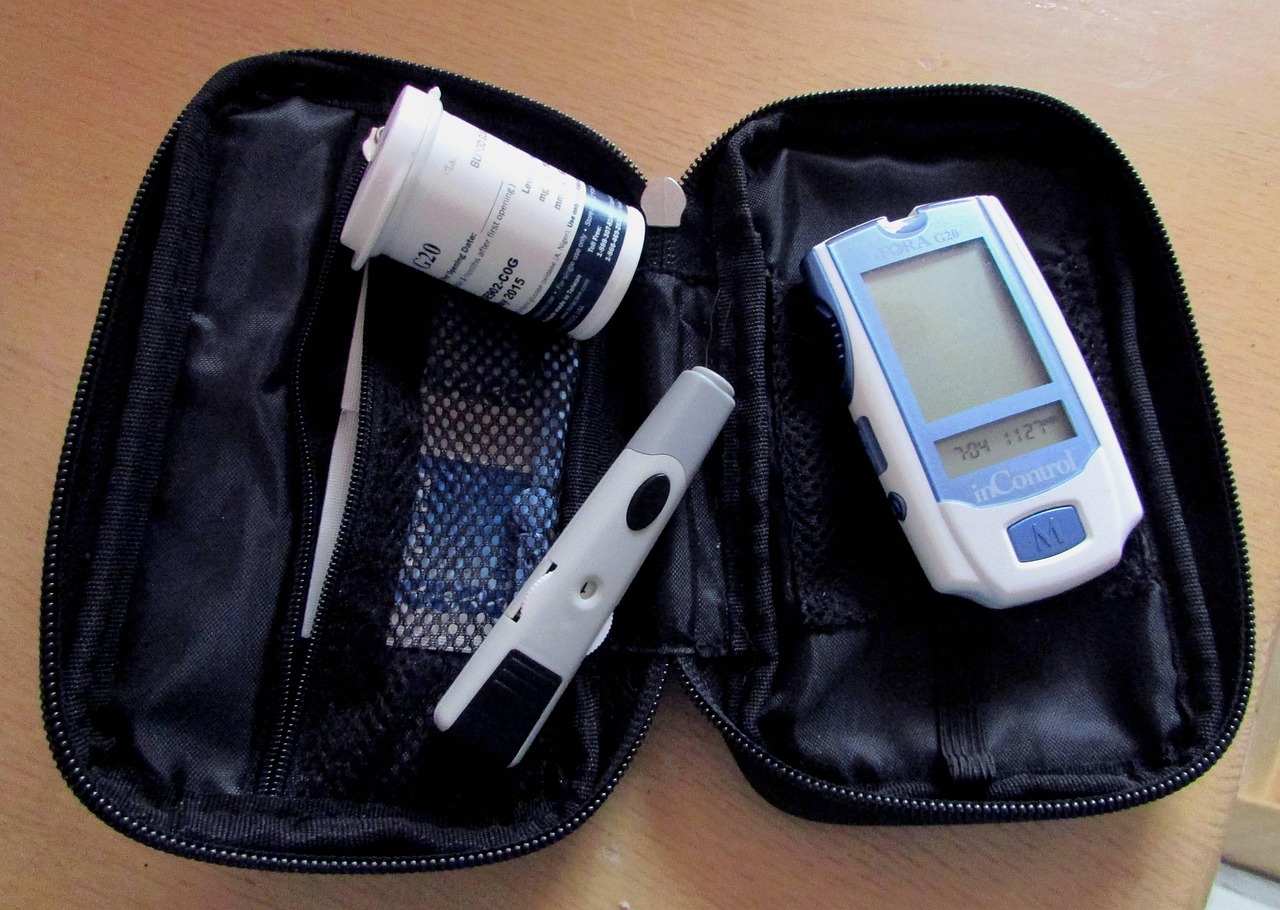
The term blood sugar monitor device is often used loosely. Before comparing features, buyers should separate three product categories.
- Blood glucose meter or BGM: A handheld meter reads a small blood sample placed on a disposable test strip. In the United States, readings are normally shown in mg/dL.
- Continuous glucose monitor or CGM: A wearable sensor measures glucose trends through a sensor placed under the skin and sends readings to a receiver, phone, pump, or compatible display.
- Noninvasive wearable claims: Some watches or rings claim glucose measurement without piercing the skin. The FDA issued a safety communication on February 21, 2024 warning consumers not to use smartwatches or smart rings that claim to measure blood glucose on their own.
This distinction matters in a buying decision. A low-cost meter can become expensive if strips are hard to find or costly over time. A CGM can provide trend information, but it also requires sensors, app compatibility, training, and coverage checks. A smartwatch that only displays readings from an authorized CGM is different from a smartwatch claiming to measure glucose independently.
For broader purchase frameworks across medical equipment categories, visit the Buying Guides section.
Start with the testing use case
The right device depends first on why the person is testing, not on the longest feature list. Someone asked to check fasting glucose a few times per week has different needs from someone adjusting insulin several times per day. A caregiver testing an older adult may value a large screen, strip ejector, spoken results, and simple memory review more than advanced app dashboards.
Before buying, clarify these questions with the prescribing clinician or diabetes care team:
- How often should testing be done, and at what times of day?
- Will the results be used for medication or insulin decisions?
- Is there a history of low blood sugar, hypoglycemia unawareness, pregnancy-related diabetes care, kidney disease, anemia, gout, dehydration, or other conditions that may affect readings?
- Is a written prescription needed for insurance, Medicare, Medicaid, or pharmacy coverage?
- Does the user need accessibility features for vision, dexterity, tremor, or limited phone use?
This step prevents a common buying mistake: choosing a device because the meter itself is cheap, then discovering that the strips are not covered, the buttons are difficult to use, the display is too small, or the data cannot be shared with the care team.
Accuracy and authorization are the first filters
For home self-monitoring systems, the FDA guidance for over-the-counter blood glucose test systems sets performance expectations for manufacturers submitting devices for review. A commonly cited FDA benchmark is that at least 95% of measured values should be within ±15% of the comparator method, and at least 99% should be within ±20% across the usable glucose range. This does not mean every reading will match a laboratory value exactly. It means buyers should expect a reasonable range of variation and should avoid making decisions from one unexpected reading without context.
Accuracy is not only a property of the meter. FDA and CDC consumer guidance emphasize technique and strip handling because the system can be affected by contamination on the finger, insufficient blood sample, expired strips, moisture, heat, humidity, altitude, certain medications or supplements, and some health conditions. Vitamin C, acetaminophen-containing products, extreme hematocrit levels, severe dehydration, and high uric acid conditions are examples the FDA has flagged as possible factors for some systems.
| Buying check | Why it matters | What to look for |
|---|---|---|
| Regulatory status | Glucose results may guide medical decisions. | Confirm the meter or CGM is authorized, cleared, or approved for the intended market and use. |
| Compatible strips | Wrong strips can cause failed or inaccurate results. | Use only the test strips named in the meter instructions. |
| Control solution | Helps verify that the meter and strips are working together. | Check whether control solution is included or easy to order. |
| Interference information | Some substances and conditions can affect readings. | Read the strip insert and ask a clinician if medication or health conditions may interfere. |
| Lab comparison | Helps identify technique or device problems. | Bring the meter to an appointment and compare with a laboratory or clinic method when advised. |
Test strip cost and supply reliability can outweigh the meter price
The recurring cost of strips and lancets often determines whether a blood glucose meter is practical. Many starter kits look inexpensive because the meter is discounted, while the strips may cost more over time than the device itself. Buyers should compare the total monthly cost based on the expected number of tests, not the shelf price of the meter alone.
Apply a few supply checks before purchase. Confirm that strips are available from a pharmacy or licensed distributor you can reliably access. Check expiration dates and package condition. Avoid pre-owned, opened, repackaged, damaged, or foreign-market strips that are not authorized for sale in the buyer’s market. FDA consumer guidance specifically warns that pre-owned strips may have been stored improperly, expired, tampered with, contaminated, or not cleared for sale in the United States.
If coverage is involved, verify the exact covered meter and strip brands before buying. Medicare policy, private insurers, and pharmacy benefit managers may limit preferred brands or quantities and may require documentation for higher utilization. A device that is clinically appropriate but not covered may still be usable, but the buyer should understand the long-term supply cost before committing.
Usability features that matter in daily testing
Small usability details can affect adherence and accuracy. A device that is technically capable but hard to operate may lead to skipped tests, repeated strip errors, or poor record keeping. Buyers should prioritize features that reduce friction for the specific user. See also: clinical equipment.
- Sample size and strip design: Smaller blood samples and easy-to-handle strips can help users with painful fingers or limited dexterity.
- Testing speed: Most modern meters are quick, but speed matters less than clear prompts and fewer error messages.
- Display readability: Large numbers, backlighting, high contrast, and simple symbols help users who test at night or have vision changes.
- Memory and averages: Stored readings, date/time stamps, and 7-, 14-, or 30-day averages can help reveal patterns.
- Data sharing: Bluetooth or app sync can be useful, but only if the user can manage the app, phone compatibility, battery needs, and privacy settings.
- Accessibility: Spoken results, tactile buttons, wide strip ports, and clear error codes may be more important than advanced analytics.
- Support: A reachable manufacturer support line, clear manual, replacement policy, and easy control-solution ordering can reduce downtime.
Alternate site testing from areas such as the palm or forearm may sound attractive because it can be less painful. However, FDA guidance warns that non-fingertip sites may be less accurate when glucose is changing quickly, such as after meals, after exercise, during illness or stress, after insulin, or when low blood sugar is suspected. Fingertip testing remains the safer choice in those situations.
When to consider CGM instead of a standard meter
A conventional meter gives point-in-time readings. A CGM typically shows trends, direction, and alerts. For people who need to detect overnight lows, understand glucose patterns, or adjust therapy under medical guidance, CGM can add information a fingerstick meter does not provide. The American Diabetes Association’s 2026 Standards of Care emphasize that glucose monitoring choices should be based on the person’s circumstances, preferences, and treatment needs, and they support CGM use for many people on insulin therapy or treatments where hypoglycemia risk and glucose pattern data matter.
CGM is not automatically a replacement for every home meter. ADA technology guidance notes that people using CGM still need access to BGM in situations such as suspected CGM inaccuracy, sensor warm-up, signal disruption, required calibration, delayed supplies, or rapidly changing glucose levels. In practice, many buyers need both: a CGM for trends and alerts, plus a reliable meter for backup and confirmation.
For buyers comparing CGM with BGM, the decision should include sensor wear time, adhesive tolerance, receiver or phone compatibility, alert fatigue, data-sharing needs, insurance coverage, and whether the product is approved for the user’s age and intended treatment decisions.
A practical checklist before buying
Use this checklist to narrow choices without relying on unsupported rankings or advertising language.
- Confirm the device type: standard BGM, CGM, or a display accessory for another authorized sensor.
- Check regulatory authorization for the intended use and user group.
- Ask the clinician how often testing is needed and whether results will guide medication decisions.
- Calculate monthly strip, lancet, control solution, sensor, transmitter, and receiver costs.
- Verify coverage and preferred brands before purchase if insurance or Medicare will be used.
- Read the manual for sample size, operating temperature, storage limits, battery type, error codes, cleaning, and control-solution instructions.
- Confirm that strips are new, unopened, unexpired, and designed for the exact meter model.
- Choose accessibility features based on the user, not on marketing claims.
- Plan a backup method if using CGM or app-dependent monitoring.
- Bring the device to a healthcare visit if readings seem inconsistent or do not match symptoms.
Frequently asked questions
Is a more expensive blood sugar monitor device more accurate?
Not necessarily. Price does not prove accuracy. Regulatory authorization, proper test strips, good technique, storage conditions, and control checks are more important than the meter price alone. A mid-priced meter with affordable, available strips may be more practical than an expensive meter that is difficult to supply.
Can I use any test strip with my glucose meter?
No. Use only the strips specified for the exact meter system. The FDA has warned that using strips not recommended for a meter can lead to failed tests or inaccurate results. Even strips from the same broad brand family may not be interchangeable unless the instructions say they are.
Should I buy discounted secondhand glucose test strips?
Discounted strips can be risky if they are pre-owned, opened, expired, damaged, improperly stored, or not authorized for sale in the buyer’s market. The safer choice is new, unopened strips from a pharmacy, licensed distributor, or other reliable source.
Do smartwatches measure blood sugar accurately without a sensor?
Consumers should be cautious. The FDA’s February 21, 2024 safety communication warned against smartwatches and smart rings that claim to measure blood glucose on their own without piercing the skin. A watch app that displays readings from an authorized CGM sensor is different from a watch or ring claiming to generate glucose values independently.
When should I question a meter reading?
Question a result if it does not match symptoms, appears unexpectedly high or low, follows a testing error, comes from strips exposed to heat or moisture, or occurs after using an alternate site while glucose may be changing quickly. Wash and dry hands, repeat with a new strip, use control solution if appropriate, and contact a healthcare professional for urgent or persistent concerns.