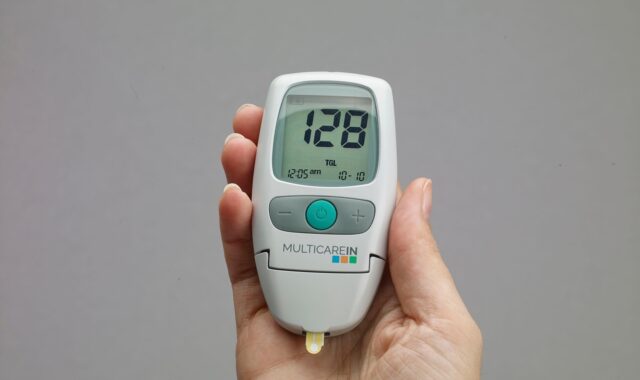
Portable diagnostic devices are redefining point-of-care testing

Why portable diagnostics matter now
Portable diagnostic devices are changing where clinical information is created. Instead of sending every sample, scan, or measurement to a central facility, clinicians can use compact instruments at the bedside, in urgent care, in pharmacies, in ambulances, in community programs, and in some cases at home. The value is not only faster turnaround. A useful portable device can shorten the gap between patient presentation and action, support decentralized care, and make testing more accessible where laboratory or imaging capacity is limited.
That shift comes with operational responsibility. Portability moves testing closer to the patient, but it also brings new requirements for operator training, environmental control, connectivity, cybersecurity, maintenance, regulatory fit, and a clear route for results to enter clinical workflows.
For healthcare teams following developments in diagnostic devices, the market is moving from single-use convenience toward connected, quality-managed diagnostic networks. A device that is easy to carry is not automatically suitable for clinical use. It must produce reliable information under the intended conditions, be usable by the intended operator, and support safe decisions without creating hidden data, documentation, or interpretation risks.
What counts as a portable diagnostic device?
A portable diagnostic device is a medical device designed to generate diagnostic or monitoring information outside a traditional fixed laboratory, imaging suite, or central testing area. The category overlaps with point-of-care testing, home-use testing, handheld imaging, wearable sensors, and connected digital diagnostics, but these terms are not interchangeable.
Point-of-care testing describes where testing happens, not necessarily how simple the test is. U.S. CDC guidance makes that distinction important: some point-of-care tests are CLIA-waived, while others remain moderate or high complexity and require stronger laboratory controls. A home-use test is different again because it is designed for use by consumers or caregivers, often with labeling and usability requirements that assume nonprofessional operation.
Common portable diagnostic device groups include:
- Portable in vitro diagnostic systems, such as glucose meters, blood gas analyzers, coagulation analyzers, infectious disease rapid tests, and compact molecular platforms.
- Handheld or mobile imaging devices, including portable ultrasound, handheld fundus cameras, mobile ECG systems, and compact X-ray systems used in specific clinical contexts.
- Physiological monitoring tools, such as pulse oximeters, ambulatory ECG patches, blood pressure monitors, respiratory monitors, and wearable sensors when used for diagnostic or clinical monitoring purposes.
- Connected diagnostic software and accessories, including apps or readers that interpret results, capture images, transmit measurements, or support clinical decision workflows.
The practical question is not whether the product fits a marketing category. It is whether the device’s intended use, operator, patient population, specimen type, environment, and output match the clinical decision being made.
Where portable devices add the most clinical value
Portable diagnostics create the most value when the location of testing changes the care pathway. Speed can be useful, but speed without accuracy, documentation, and follow-up can create unsafe shortcuts. The strongest use cases usually combine a time-sensitive decision with a result that can be acted on immediately.
In emergency and acute care, portable blood gas analyzers, ECG devices, ultrasound systems, and rapid infectious disease tests can help triage patients, guide treatment, or identify the need for escalation. In primary care and outpatient clinics, portable devices can reduce referrals for routine measurements and support same-visit decisions. In long-term care, home health, and rural outreach, they can reduce travel burdens and help clinicians monitor chronic conditions closer to the patient.
Public health programs also rely on portability, especially when testing must reach populations that are not easily served by centralized facilities. WHO promotes essential diagnostics and priority medical device lists to help health systems identify technologies that match disease burden, access needs, and available infrastructure. In low-resource settings, portability may mean more than small size. It can also require low power requirements, rugged packaging, stable reagents, simple quality control, and local serviceability.
From device performance to workflow performance
A portable diagnostic device should be evaluated in the workflow where it will actually be used. Published sensitivity, specificity, measuring range, or image resolution may describe analytical or technical performance. Workflow performance depends on additional factors that are easier to overlook during procurement.
First, operators matter. A device used by laboratory professionals can assume different training than a device used by nurses, pharmacists, paramedics, patients, or caregivers. FDA materials on over-the-counter devices emphasize that consumer users may differ from healthcare professionals in literacy, sensory ability, physical ability, cognitive load, and emotional context. Instructions, prompts, error messages, sample collection steps, and result displays are therefore central design issues, not afterthoughts.
Second, the test environment matters. Temperature, humidity, vibration, lighting, altitude, dust, power supply, wireless reliability, and infection-control requirements can affect device performance or result interpretation. A device that works well on a clinic counter may be less dependable in an ambulance, outdoor screening tent, rural outreach vehicle, or patient home unless those conditions were considered in design and validation.
Third, the result pathway matters. If a result stays on a paper printout, a phone screen, or an unconnected device memory, it may not reach the electronic health record, public health reporting system, or clinician responsible for follow-up. FDA diagnostic data programs have highlighted the challenge of capturing and transmitting results from non-laboratory settings, especially after the growth of at-home and point-of-care testing during the SARS-CoV-2 period. The broader lesson is straightforward: portable diagnostics need a reliable data route, not just a rapid result.
Regulatory and quality checkpoints for buyers
Regulatory status should be checked for the exact device, indication, specimen type, operator, and setting. A device may be cleared, authorized, or approved for one use but not for another. Changing the specimen, user group, software function, or testing environment can change the compliance picture.
| Checkpoint | Why it matters | Questions to ask |
|---|---|---|
| Intended use | Defines the disease, condition, patient group, operator, and setting for which the device was evaluated. | Is the planned use the same as the labeled use? |
| CLIA complexity | In the U.S., waived, moderate, and high complexity categories drive laboratory obligations. | Is the test waived for this setting, or does the site need nonwaived testing controls? |
| Home-use or OTC status | Consumer-facing use requires design and labeling that support safe use without a prescriber in appropriate cases. | Can the intended user understand sampling, errors, limitations, and next steps? |
| Quality system | Manufacturers of finished medical devices need quality management controls across design, production, complaint handling, and lifecycle management. | Can the supplier explain its quality system, change control, and service process? |
| Software and connectivity | Connected devices may raise software validation, interoperability, privacy, and cybersecurity concerns. | How are updates, data transfer, access control, and vulnerabilities managed? |
As of September 2026, one important U.S. quality milestone is already in effect: FDA’s Quality Management System Regulation became effective on February 2, 2026 and incorporates ISO 13485:2016 by reference into 21 CFR Part 820. This matters for portable diagnostic manufacturers because small, connected, or software-enabled devices still require disciplined design control, supplier control, complaint handling, and production consistency.
For U.S. laboratory testing, CMS, FDA, and CDC roles intersect under CLIA. CMS supports the CLIA program, FDA categorizes test complexity, and CDC provides laboratory quality resources. CDC guidance stresses that waived tests are intended to be simple and low risk, but they are not error-proof. Sites still need trained personnel, compliance with manufacturer instructions, and good testing practices.
In the European Union, the IVDR continues to shape in vitro diagnostic market access. The European Commission has described transition periods that vary by device class and legacy status, with conditions such as no significant design or intended-purpose changes, no unacceptable public health risk, and quality management system obligations. Buyers should confirm whether a portable IVD is a new IVDR-compliant device, a legacy device operating under transition provisions, or a product affected by notified body timelines. See also: clinical equipment.
Another point of confusion is laboratory-developed testing. FDA issued a final rule in May 2024 related to laboratory-developed tests, but a federal district court vacated that rule on March 31, 2025, and FDA later reverted the regulatory text. This does not remove the need to evaluate distributed commercial IVD devices, OTC tests, or point-of-care systems under their own applicable pathways. It simply means buyers should not assume one regulatory debate answers every question about portable diagnostics.
Data, cybersecurity, and interoperability are now core device issues
Portability often depends on software. A compact diagnostic platform may use a smartphone reader, cloud dashboard, Bluetooth connection, automated interpretation algorithm, barcode scanner, or integration engine. These features can improve access and reduce manual transcription, but they also introduce failure modes that did not exist in older stand-alone instruments.
FDA cybersecurity materials note that connected medical devices can improve care while also increasing cybersecurity risk. The agency issued final guidance on cybersecurity in medical devices on June 27, 2025, covering quality system considerations and recommended content for premarket submissions for devices with cybersecurity risk. For buyers, cybersecurity should be discussed before purchase, not after deployment.
Practical questions include whether the device encrypts data in transit and at rest, supports role-based access, logs user actions, separates patient identifiers from test metadata when appropriate, and has a process for security updates. Healthcare delivery organizations also need to understand how devices behave when wireless service is unavailable, when credentials expire, when a software update fails, or when the vendor ends support for an operating system.
Interoperability deserves similar attention. A portable device that cannot send structured results to the right system may increase staff workload and error risk. Before deployment, teams should map the result journey from patient identification and sample collection to result review, clinical action, documentation, reporting, billing if applicable, and post-market feedback.
A practical evaluation checklist
Healthcare buyers, clinical engineering teams, and diagnostic program leaders can use a structured checklist to compare portable diagnostic devices without relying only on brochures or speed claims.
- Clinical fit: Define the decision the device supports, the acceptable turnaround time, and the consequence of false positive, false negative, or failed results.
- Evidence fit: Review performance evidence for the intended setting, population, operator, and specimen or measurement type.
- Workflow fit: Test the full process, including patient identification, sampling, device setup, result interpretation, cleaning, consumable disposal, and documentation.
- Training fit: Confirm who can operate the device, how competency will be assessed, and how retraining will happen after updates or staff turnover.
- Quality control: Understand calibration, controls, maintenance intervals, lockouts, error codes, lot tracking, and environmental limitations.
- Connectivity: Verify EHR integration, offline behavior, user authentication, audit trails, and data export formats.
- Cybersecurity: Ask for the vendor’s vulnerability management, update policy, software bill of materials approach, and incident communication process.
- Total cost: Include consumables, controls, service contracts, connectivity fees, accessories, staff time, quality management work, and replacement cycles.
Limits that should stay visible
Portable diagnostics can extend care, but they do not eliminate the need for clinical judgment or laboratory expertise. FDA information for home-use tests notes that home testing can support care but should not replace regular healthcare visits when medical evaluation is needed. The same principle applies in professional settings: a portable result should be interpreted with the patient’s history, symptoms, examination, pretest probability, and follow-up plan.
False reassurance is a real risk when a rapid test is treated as a complete answer. So is overreaction when a screening or preliminary result is treated as definitive. Some portable tools are well suited to triage, monitoring, or ruling in likely conditions under specific circumstances; others require confirmatory testing. The label, instructions for use, and local clinical protocol should make these boundaries explicit.
The most mature programs treat portable diagnostic devices as part of a system. They define governance, test menus, operator roles, escalation criteria, quality review, cybersecurity monitoring, and data stewardship. That system-level discipline is what separates a useful portable diagnostic network from a collection of disconnected gadgets.
Frequently asked questions
Are portable diagnostic devices the same as point-of-care tests?
No. Point-of-care describes testing performed near the patient, while portable diagnostic devices describe equipment that can be moved or used outside a fixed diagnostic location. Many portable devices support point-of-care workflows, but not every point-of-care test is simple, waived, or suitable for every operator.
Do portable devices always need internet connectivity?
No. Some devices operate offline and store or print results locally. However, connected workflows are increasingly common because they reduce transcription, support remote review, and help transmit data to clinical systems. Offline behavior should still be validated, especially in emergency, rural, home health, and mobile care settings.
What is the biggest procurement mistake?
A common mistake is evaluating the device alone instead of the full workflow. Buyers should test sampling, operator training, quality control, cleaning, result transfer, maintenance, cybersecurity, and follow-up procedures before scaling deployment.
Are home-use diagnostic tests clinically reliable?
Some home-use tests are valuable when used exactly as directed and when users understand the limitations. Reliability depends on the authorized intended use, sample collection, storage, timing, reading method, and follow-up. Home results should be interpreted with medical guidance when symptoms, risk factors, or instructions indicate the need for professional care.
How should organizations compare two similar portable diagnostic devices?
Start with intended use and evidence for the exact setting, then compare usability, quality control, data integration, cybersecurity, service support, consumable logistics, and total cost. The better choice is usually the device that fits the clinical pathway with fewer unmanaged risks, not simply the smallest or fastest instrument.