Medical devices in diagnostics and what makes them reliable in clinical care
Why diagnostic medical devices deserve a closer look
Medical devices used in diagnosis do more than generate measurements. They help clinicians detect disease earlier, confirm a suspected condition, monitor risk, and decide when more invasive testing is justified. For diagnostic devices, reliability depends on a connected chain of factors: intended use, analytical performance, clinical performance, usability, software control, cybersecurity, and post-market monitoring.
In 2026, the discussion is no longer limited to faster tests or smarter imaging systems. The central question is whether diagnostic information can be trusted across laboratories, hospitals, clinics, pharmacies, homes, and connected care settings. A device may be innovative, but it can still create risk if its evidence does not match the environment where it will be used. For more coverage of this segment, visit the Diagnostic Devices category on 51jobdoc.
What counts as a diagnostic medical device
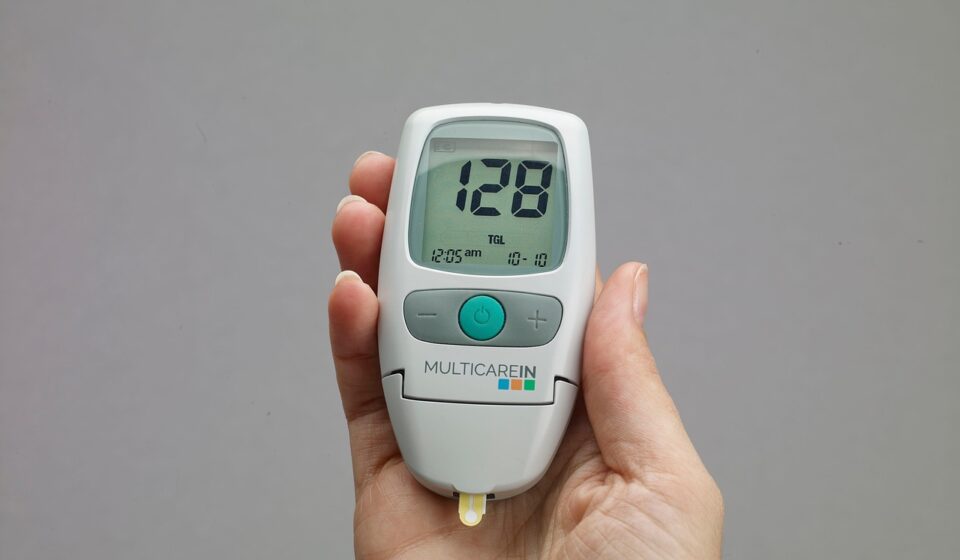
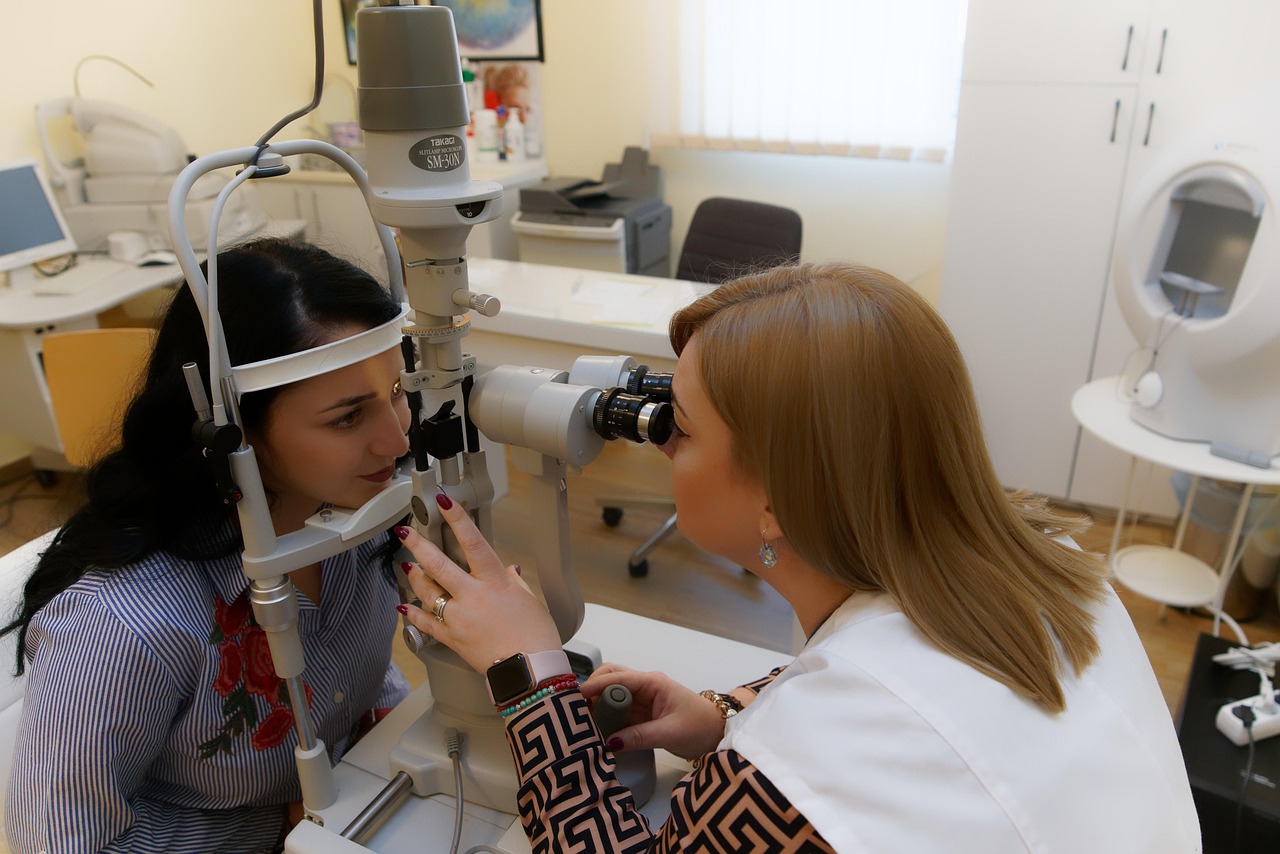
A diagnostic medical device is not limited to a large imaging machine or a laboratory analyzer. Regulators generally treat a product as a medical device when it is intended for diagnosis, prevention, monitoring, treatment, or similar medical purposes, and when it meets the legal definition in the relevant market. The U.S. Food and Drug Administration states that in vitro diagnostic products are also medical devices, including examples such as reagents, test kits, and blood glucose meters.
In diagnostic practice, the category can include several different product types:
- In vitro diagnostic devices, such as infectious disease assays, pregnancy tests, glucose monitoring systems, companion diagnostics, and laboratory test kits.
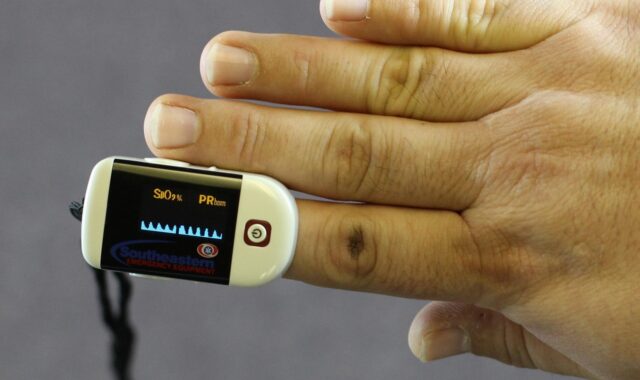
- Imaging and measurement systems, including ultrasound, CT-related software, ECG systems, blood pressure monitors, and other tools that generate diagnostic signals.
- Point-of-care and over-the-counter tests, which move testing closer to the patient and may be used outside traditional laboratories.
- Software as a medical device, where software performs a medical purpose without being part of a hardware device, such as image analysis or decision-support functions.
- Connected diagnostic platforms, where sensors, instruments, apps, cloud systems, or electronic health record interfaces work together to move data into care decisions.
The same broad term therefore covers products with very different risk profiles. A low-risk wellness-adjacent tool, a moderate-risk diagnostic analyzer, and a high-risk cancer test should not be evaluated with the same assumptions. Intended use, user population, sample type, clinical setting, and potential harm from wrong results all matter.
The evidence chain behind a reliable diagnostic result
Diagnostic reliability is often summarized through performance claims, but performance is not a single number. A useful review asks three questions: whether the device can produce accurate data, whether those data are clinically meaningful, and whether the device can be used correctly in the setting where decisions are made.
Analytical performance
Analytical performance addresses whether the device measures what it claims to measure under defined conditions. For an IVD assay, this may include sensitivity, specificity, precision, limits of detection, interfering substances, specimen stability, and reproducibility. For a physiological monitor, it may include signal quality, calibration, environmental limitations, and measurement repeatability. Weak analytical performance can undermine a device before clinical interpretation even begins.
Clinical performance
Clinical performance asks whether the device result is meaningful for the target patient population and medical condition. A test may perform well in a controlled dataset but less well in a primary care clinic, emergency department, home setting, or population with different disease prevalence. This is especially important for screening and triage tools, where false positives and false negatives can both create downstream costs and harm.
Usability and workflow fit
Usability is not a cosmetic feature in diagnostic devices. Instructions, sample collection, device setup, alarms, result display, maintenance, and data transfer can affect real-world accuracy. A point-of-care test that requires careful timing, a home-use device that depends on correct sampling, or an imaging algorithm that presents results in a confusing way may fail in practice even if its laboratory performance is strong.
Lifecycle monitoring
Diagnostic devices continue to generate evidence after launch. Complaints, adverse event reports, field corrections, software updates, cybersecurity events, lot variability, and user feedback can reveal issues that were not visible during premarket review. For connected and software-driven devices, lifecycle monitoring becomes even more important because performance can be affected by software changes, data drift, operating environments, and integration with other systems.
Regulation is moving toward lifecycle responsibility
Regulatory pathways differ by country, but a shared theme is clear: diagnostic medical devices are increasingly evaluated as products that must be controlled throughout their full life cycle. In the United States, many moderate-risk devices use the 510(k) pathway when they can demonstrate substantial equivalence to a legally marketed predicate device. New low- to moderate-risk device types may use the De Novo pathway, while many high-risk class III devices require premarket approval. These categories are not marketing labels; they shape the type and depth of evidence expected before a product can be placed on the market.
Quality management is also changing. FDA published its final rule in 2024 to amend the medical device quality system requirements and align them more closely with ISO 13485:2016. The revised Quality Management System Regulation became effective on February 2, 2026. For diagnostic device companies, the practical message is that design controls, risk management, supplier oversight, complaint handling, and corrective actions must operate as routine disciplines, not paperwork exercises.
In Europe, the In Vitro Diagnostic Medical Devices Regulation has reshaped how IVDs are classified and assessed. Regulation (EU) 2024/1860 extended certain IVDR transition periods, with timing depending on the class of device and required manufacturer actions. This matters because many diagnostic tests that previously had lighter oversight now require notified body involvement. For hospitals, laboratories, and distributors, transition planning is not only a regulatory issue; it can affect test availability and supplier continuity.
Software and cybersecurity add another layer. The International Medical Device Regulators Forum describes clinical evaluation for software as a medical device as a lifecycle activity, not a one-time document. FDA also finalized updated cybersecurity guidance in June 2025, superseding its 2023 guidance on the same topic. For connected diagnostic systems, cybersecurity is part of patient safety because data integrity, system availability, and unauthorized access can affect medical decisions.
Technology trends changing diagnostic medical devices
The most important changes in diagnostic devices are not isolated inventions. They are shifts in where testing happens, how data move, and how much software participates in interpretation.
Testing is moving closer to the patient
Point-of-care and over-the-counter diagnostics can shorten the distance between symptom, test, and action. They can support faster triage and broader access, especially when laboratory capacity is limited or patients need frequent monitoring. The tradeoff is that decentralized testing creates new evidence questions. A device that works well in a trained laboratory may need different usability studies, labeling, connectivity safeguards, and post-market data collection when used in a pharmacy, clinic, workplace, or home. See also: clinical equipment.
Artificial intelligence is becoming part of device function
AI-enabled diagnostic devices are most visible in imaging, but the concept extends to signal analysis, risk scoring, pattern recognition, workflow prioritization, and decision support. FDA maintains a public list of AI-enabled medical devices and has continued to update its digital health resources. On August 18, 2026, FDA announced a discussion paper seeking feedback on regulatory considerations for generative AI-enabled medical devices, including risk assessment, premarket evaluation, and post-market monitoring. This does not mean every AI device is high risk, but it does show that regulators are paying closer attention to variable outputs and ongoing performance.
Connectivity is creating both value and exposure
Connected diagnostic devices can reduce manual entry, improve remote review, and allow results to flow into clinical records. However, connectivity also expands the attack surface. Buyers should ask whether a device has a software bill of materials, vulnerability management process, update plan, authentication controls, data encryption strategy, and clear responsibilities between the device maker, healthcare provider, and technology vendors. A diagnostic device that cannot maintain data integrity may weaken trust in every downstream decision.
Data portability is becoming part of diagnostic value
A result that cannot be moved, interpreted, or combined with other patient information loses practical value. Interoperability is especially important for chronic disease monitoring, remote care, emergency settings, and public health surveillance. The technical details vary by device type, but buyers should look for clear documentation on data formats, interfaces, audit trails, and how the system handles corrections or amended results.
A practical framework for evaluating diagnostic devices
Because the diagnostic device category is broad, a simple checklist can help buyers and clinical teams compare products without relying on marketing claims alone.
| Evaluation area | Key question | Why it matters |
|---|---|---|
| Intended use | Who is the device for, what does it diagnose or monitor, and where will it be used? | Evidence must match the real patient population and clinical setting. |
| Performance evidence | Are analytical and clinical performance claims clearly supported? | Accuracy claims without context can be misleading. |
| Risk classification | What regulatory class or pathway applies in the target market? | Risk level affects review expectations, controls, and post-market obligations. |
| Human factors | Can the intended user operate the device correctly under realistic conditions? | User error can affect samples, measurements, alarms, and interpretation. |
| Software control | How are updates, algorithm changes, validation, and version history managed? | Software changes can affect performance and reproducibility. |
| Cybersecurity | How does the product protect data integrity, availability, and access? | Security failures can become diagnostic safety failures. |
| Post-market plan | How are complaints, performance signals, recalls, and field corrections monitored? | Real-world use often reveals risks that premarket studies miss. |
This framework is useful when comparing very different diagnostic technologies. It also shows why one headline metric is rarely enough. A highly sensitive test may still be a poor fit if sample handling is difficult. A fast analyzer may not improve care if data cannot reach the clinician. An AI tool may look strong in a study but be limited if the training and validation populations do not reflect local practice.
What this means for healthcare buyers and industry readers
For healthcare organizations, the safer approach is to treat diagnostic devices as part of a system. Procurement should involve clinical users, laboratory or biomedical engineering teams, IT security, compliance, and quality staff. The goal is not to slow adoption, but to avoid preventable problems after installation.
For manufacturers and developers, the main lesson is to define intended use early and build evidence around it. Claims should be specific enough to be tested. Software updates should be planned before release. Cybersecurity should be part of design and risk management, not a final review step. For IVDs and AI-enabled products, evidence should also account for population differences, workflow variation, and post-market learning.
For industry readers, the most useful way to track this market is to look beyond product launches. Regulatory guidance, quality system changes, device recalls, performance studies, standards activity, and reimbursement decisions often show whether a diagnostic technology is moving from novelty toward reliable clinical use.
Frequently asked questions
Are all diagnostic tests considered medical devices?
Many diagnostic tests are regulated as medical devices, especially in vitro diagnostic products such as test kits, reagents, and instruments used to examine specimens. The exact classification depends on intended use, risk, jurisdiction, and whether the product meets the legal definition of a device.
What is the difference between analytical performance and clinical performance?
Analytical performance shows whether a device measures a target accurately under defined conditions. Clinical performance shows whether the result is meaningful for diagnosing, screening, monitoring, or guiding care in the intended population. Both are important, and neither should be interpreted without context.
Why is cybersecurity important for diagnostic devices?
Cybersecurity protects more than privacy. For connected diagnostic systems, security weaknesses can affect data integrity, software availability, result transmission, and clinical workflow. A cybersecurity failure can therefore become a patient safety issue.
How should buyers compare AI-enabled diagnostic devices?
Buyers should ask what the AI function does, what data were used for validation, whether the evidence matches the intended patient population, how performance is monitored after deployment, and how software changes are controlled. Clear labeling and workflow integration are as important as headline accuracy metrics.