How to choose a blood pressure machine for home that fits and reads accurately
What matters most when buying a home blood pressure monitor
A blood pressure machine for home should be simple to operate, independently validated for accuracy, and supplied with a cuff that fits the user’s upper arm. For most adults, the safest starting point is an automatic, cuff-style upper-arm monitor rather than a wrist or finger device. Home monitoring can help patients and clinicians follow blood pressure patterns outside the office, but the readings are only useful when the device is appropriate and the routine is consistent. The American Heart Association recommends home monitoring for people with high blood pressure and specifically recommends automatic upper-arm cuff-style monitors. It also notes that home monitoring does not replace regular medical visits. (heart.org)
This guide focuses on buying criteria, not brand rankings. The key question is not whether a monitor has the longest feature list. It is whether the specific model can produce readings reliable enough to record, review, and share with a health professional. That means checking validation status, cuff size, usability, storage options, and whether the user can follow the recommended measuring position at home.
Start with the device type
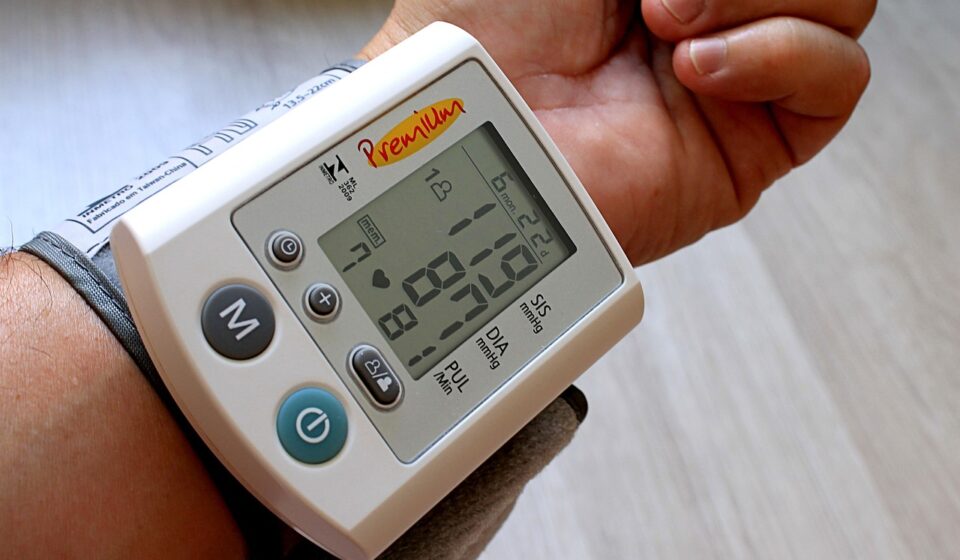
Most home buyers will compare three broad categories: upper-arm cuff monitors, wrist monitors, and newer cuffless or app-connected devices. The American Heart Association’s consumer guidance favors automatic upper-arm cuff-style monitors and says wrist and finger monitors are not recommended because they tend to give less reliable readings. (heart.org)
An upper-arm machine is usually the better first choice because, when used correctly, it positions the cuff in a way that is easier to keep at heart level and is closer to the format commonly used in clinical care. A wrist unit may be considered only when an upper-arm cuff cannot be fitted or used comfortably, and even then it requires careful positioning. Finger devices are generally not a practical choice for routine home blood pressure tracking.
Cuffless products and smartwatch-style features require extra caution. On September 16, 2025, the U.S. Food and Drug Administration warned consumers, patients, caregivers, and clinicians about unauthorized devices that claim to measure or estimate blood pressure, noting that inaccurate measurements can contribute to errors in diagnosis or treatment decisions. (fda.gov)
Check validation, not just marketing language
A home monitor may be described as accurate, cleared, smart, professional, or clinically tested. Those terms do not all mean the same thing. The more useful buying step is to look for evidence that the exact model has been independently validated for clinical accuracy.
The American Medical Association established the U.S. Blood Pressure Validated Device Listing, known as ValidateBP, as a resource for clinicians, care teams, and patients. Its process reviews validation testing documentation through an independent committee, and the AMA says the listing is intended to help identify devices that have been clinically tested and shown to produce accurate and reliable readings. (validatebp.org)
For buyers, FDA authorization and independent validation answer different questions. FDA authorization relates to whether the device can be marketed for its intended use in the United States. Independent validation focuses on whether the model has met accepted clinical accuracy criteria. A practical purchase should ideally satisfy both: it should be legally marketed for blood pressure measurement and have transparent validation evidence for the exact model and cuff configuration being purchased.
| Buying claim | What it may mean | What to verify before purchase |
|---|---|---|
| Automatic upper-arm monitor | The cuff inflates and readings display digitally | Correct cuff range, validation status, readable display |
| Clinically validated | The model may have been tested against a recognized protocol | Exact model appears on a recognized validated device list or has accessible validation documentation |
| FDA-authorized or FDA-cleared | The device has U.S. marketing authorization for its intended use | The claim applies to the exact device, not just the brand family |
| Wrist monitor | Measurement is taken at the wrist | Only consider if upper-arm use is impractical and the user can position it correctly |
| App or Bluetooth enabled | Readings may sync to a phone or portal | Data export, privacy settings, multi-user support, and manual backup options |
Cuff fit can make or break accuracy
The cuff is not a minor accessory; it is central to measurement accuracy. The American Heart Association advises measuring around the upper arm and choosing a monitor with the correct cuff size. It also recommends making sure a monitor is validated for specific groups such as seniors, pregnant people, or children when the device will be used by those populations. (heart.org)
Before buying, measure the midpoint circumference of the user’s bare upper arm. Then compare that number with the cuff range printed in the product specifications. A monitor that ships with only one standard cuff may not suit every adult in a household. If more than one person will use the machine, check whether compatible small, large, or extra-large cuffs are available and whether those cuffs are included in the device’s validation information.
Do not assume that a larger cuff automatically works with every monitor. Cuffs and monitors are designed as systems. A cuff that physically connects to the machine may still be outside the validated configuration. For shared family use, it is usually better to buy a monitor with multiple supported cuff sizes than to improvise with third-party cuffs.
Choose features that improve consistent use
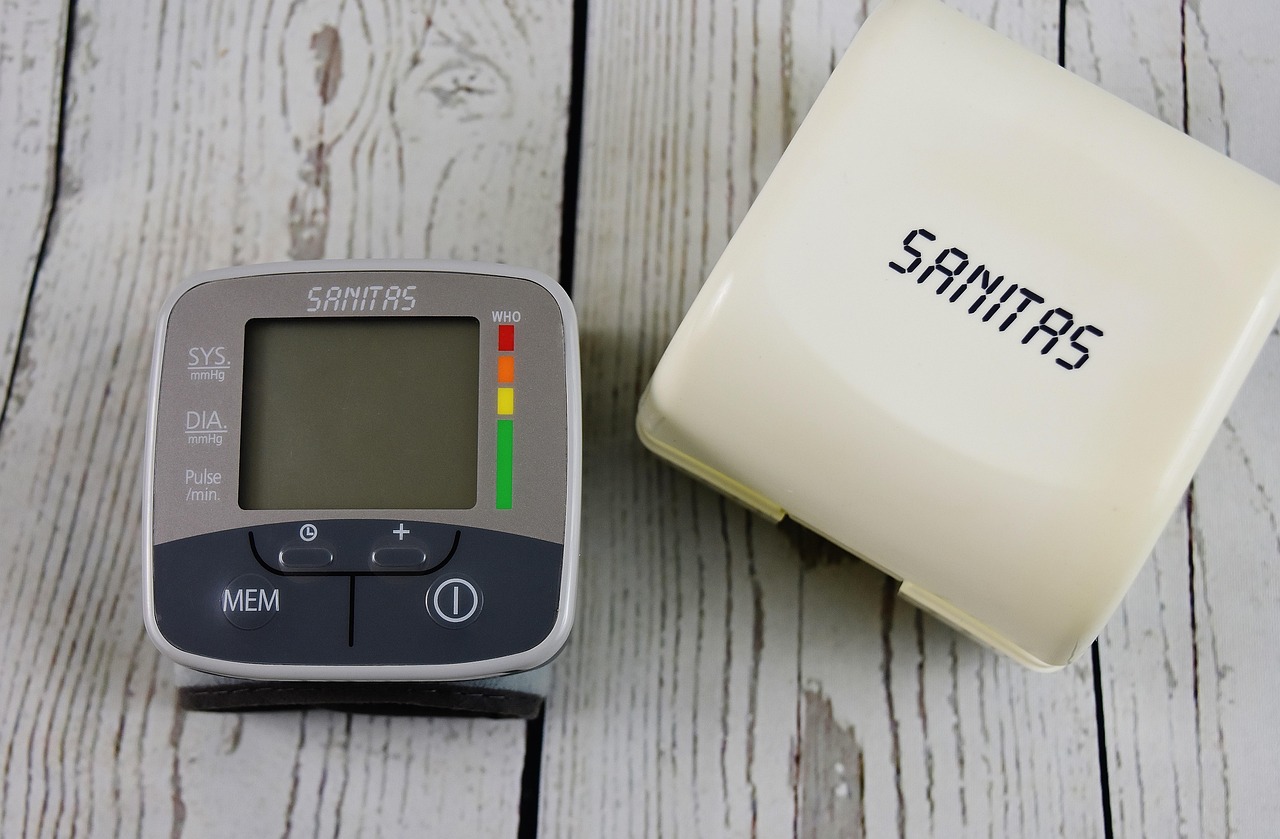
After validation and cuff fit, the next priority is whether the machine helps the user take repeatable readings. A large display, one-button operation, clear cuff placement markings, and a comfortable cuff can matter more than advanced app functions. Users with limited vision, reduced grip strength, or irregular schedules may need a simpler machine that can be set up without relying on a smartphone.
Memory is especially useful. The American Heart Association advises taking two readings one minute apart and recording the results; some monitors store readings or allow uploads to a secure website. (heart.org) If the device will be used by two people, look for separate user profiles so readings are not mixed together. If the user’s clinician wants a log, choose a model that can display averages or export data clearly.
- Large screen: Helps users read systolic, diastolic, and pulse values without transcription errors.
- Two-user memory: Useful for couples or caregivers tracking more than one person.
- Irregular heartbeat indicator: Can be helpful as a prompt to discuss readings with a clinician, but it is not a diagnosis.
- AC adapter option: Reduces reliance on batteries for frequent monitoring.
- Bluetooth or app sync: Convenient when it simplifies sharing data, but not essential for accuracy.
For more equipment selection articles, visit the site’s Buying Guides section.
Use technique as part of the buying decision
Even a validated machine can produce poor readings if it is used incorrectly. The CDC’s May 12, 2026 guidance describes self-measured blood pressure monitoring as regular use of a personal blood pressure device away from a doctor’s office or hospital. It emphasizes correct positioning: no talking, arm supported at chest height, cuff against bare skin, back supported, and feet flat on the floor. (cdc.gov) See also: clinical equipment.
The American Heart Association adds several practical steps: avoid smoking, caffeine, and exercise for 30 minutes before measuring; empty the bladder; rest quietly for at least five minutes; place the cuff on bare skin; and take multiple readings at the same time each day if advised by a health professional. (heart.org)
These instructions should influence the purchase. A person who cannot easily place an upper-arm cuff may need a cuff with a rigid pre-formed shape or caregiver assistance. Someone who travels often may want a compact case, but not at the expense of validation or cuff fit. A user who forgets to record readings may benefit from automatic memory. The best device is the one that supports correct technique repeatedly, not simply the one with the most features.
A practical buying checklist
Use this checklist before placing an order or purchasing from a pharmacy, medical supplier, or online marketplace:
- Confirm the monitor type. Choose an automatic upper-arm cuff-style monitor unless a clinician has recommended another type for a specific reason.
- Verify independent validation. Check whether the exact model is listed by a recognized validation resource or supported by clear validation documentation.
- Check U.S. authorization when buying for U.S. use. Be cautious with devices that make blood pressure claims without clear regulatory status.
- Measure the arm before purchase. Match the arm circumference to the cuff range, not to general size labels such as standard or large.
- Review household needs. Look for multiple cuffs or user profiles if more than one person will use the monitor.
- Inspect usability. Consider display size, button layout, cuff markings, storage, power options, and whether the instructions are clear.
- Plan a comparison at a medical visit. The American Heart Association suggests bringing a new monitor to an appointment so a health professional can check that the user is using it correctly and that readings are comparable with office equipment. (heart.org)
Price should come after those checks. A low-cost validated upper-arm monitor with a correctly sized cuff may be more useful than an expensive device with uncertain validation. Paying more can still be reasonable when it provides the right cuff range, better readability, reliable memory, or easier data sharing for long-term use.
When to be cautious about readings
Home readings are valuable, but they are not a stand-alone diagnosis or treatment plan. The CDC notes that measuring blood pressure is the only way to know whether it is high because high blood pressure usually has no warning signs or symptoms. (cdc.gov) That makes accurate measurement important, but it also means unusual patterns should be discussed with a health professional rather than managed by guesswork.
Be especially cautious if readings change suddenly, if the cuff feels too tight or too loose, if different users share one memory profile, or if the machine is dropped or damaged. Anxiety, recent exercise, caffeine, talking, crossed legs, and unsupported posture can also affect a reading. If the numbers do not match how the person feels, or if a clinician has given specific thresholds for action, follow the clinician’s instructions.
Frequently asked questions
Is an upper-arm monitor better than a wrist monitor?
For most home users, yes. The American Heart Association recommends automatic upper-arm cuff-style monitors and does not recommend wrist or finger monitors for routine use because they are generally less reliable. Wrist monitors may be considered only when an upper-arm cuff is not practical and the user can follow precise positioning instructions. (heart.org)
Does a home blood pressure monitor need to be validated?
Yes. Validation should be one of the main buying criteria. A validated device has evidence that it has been tested for clinical accuracy under recognized criteria. Buyers should check the exact model, because validation does not automatically apply to every device from the same brand.
How important is cuff size?
Cuff size is essential. A cuff that does not match the user’s upper-arm circumference can lead to inaccurate readings. Measure the arm before buying and confirm that the cuff range listed by the manufacturer includes that measurement.
Are Bluetooth and app features necessary?
No. Bluetooth can be useful for storing and sharing readings, but it does not by itself make a monitor accurate. Validation, cuff fit, and correct technique matter more. If the app is difficult to use, a monitor with simple onboard memory may be better.
Should a new monitor be checked by a clinician?
That is a good practice. The American Heart Association advises bringing a home monitor to a medical appointment so a health professional can check use and compare readings with office equipment. (heart.org)