Diagnostic devices in healthcare, from device types to adoption criteria
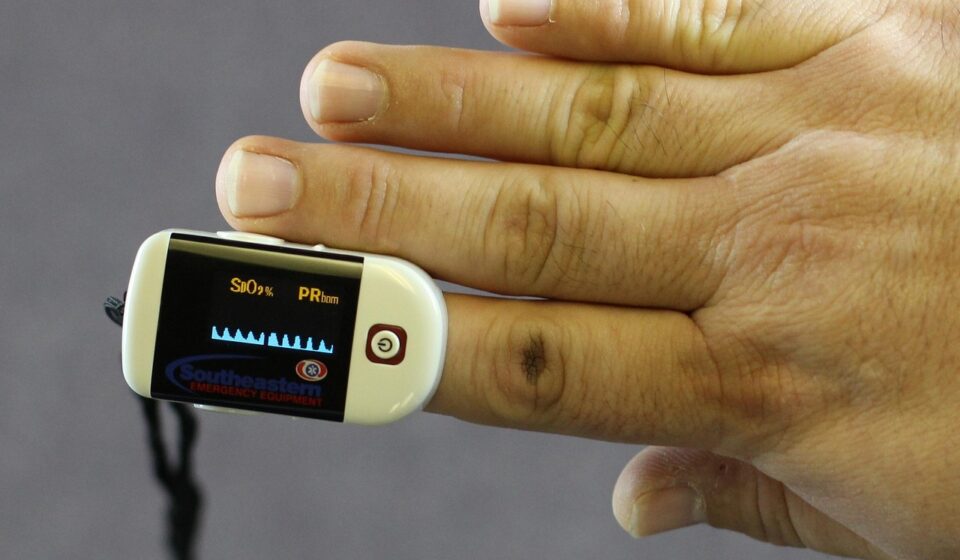
What diagnostic devices do in modern care
Diagnostic devices turn samples, signals, images, and symptoms into information clinicians can use. The category includes laboratory tests, in vitro diagnostic products, point-of-care systems, imaging equipment, physiologic measurement tools, and software that analyzes health data. The core question is not only whether a device can generate a result. It is whether that result is reliable for the stated clinical purpose, in the intended user environment, and throughout the product lifecycle.
For manufacturers, procurement teams, and healthcare organizations, the evaluation starts before product selection. Teams need to define the diagnostic question, check the evidence behind the output, understand the regulatory pathway, and confirm that training, maintenance, cybersecurity, and data workflows can support safe decisions. For related industry updates, see the Diagnostic Devices section.
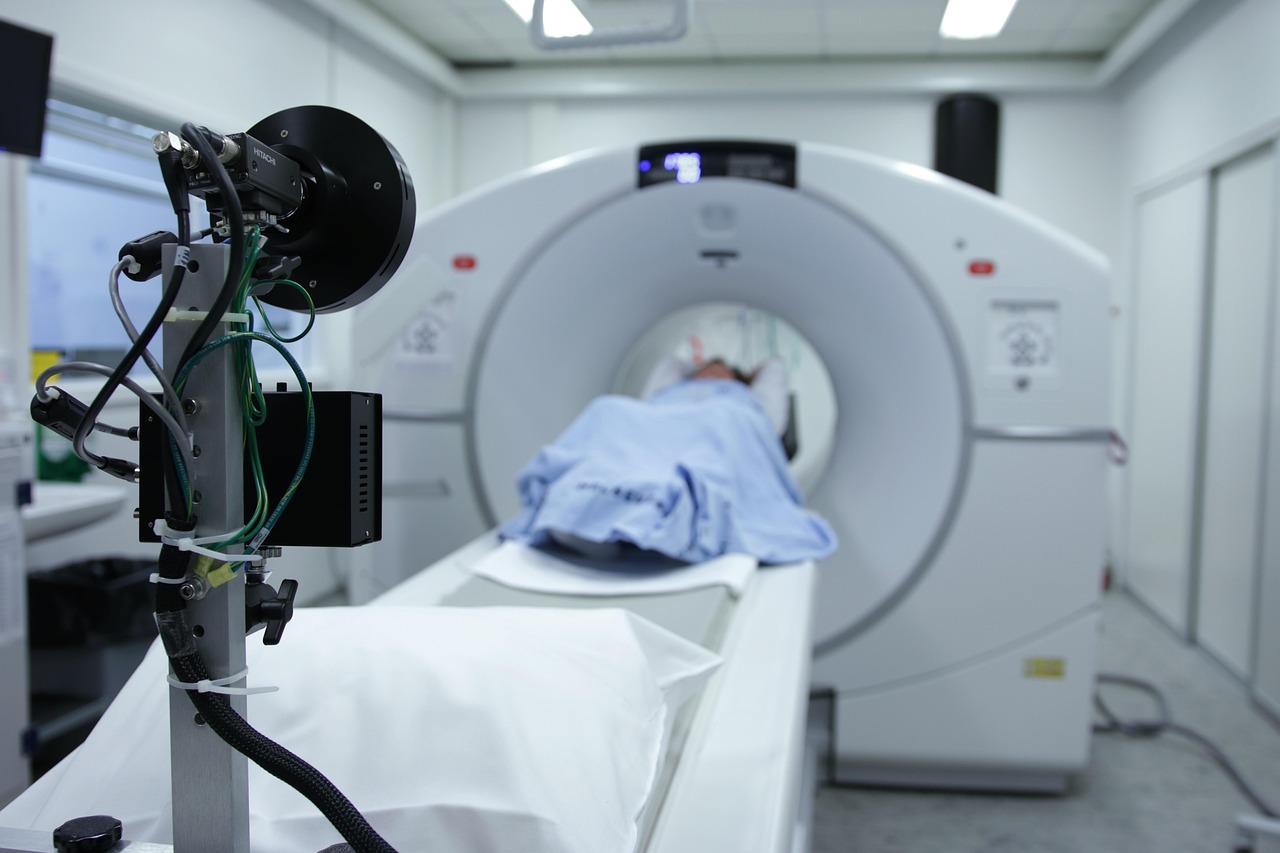
Main types of diagnostic devices
The term diagnostic devices covers a wide range of products because diagnosis can take place in a central laboratory, at the bedside, in an imaging suite, in a clinic, or at home. WHO describes medical devices broadly enough to include instruments, apparatus, machines, software, materials, and reagents for in vitro use when they are intended for a medical purpose. That broad definition matters because modern diagnostics often combine hardware, consumables, software, connectivity, and interpretation.
| Device category | Common examples | Primary adoption question |
|---|---|---|
| In vitro diagnostics | Reagents, test kits, molecular tests, immunoassays, chemistry analyzers, blood glucose systems | Does the test show adequate analytical and clinical performance for the claimed use? |
| Point-of-care and home diagnostics | Rapid infectious disease tests, home pregnancy tests, portable blood testing, self-testing devices | Can non-laboratory users obtain dependable results with clear instructions and quality controls? |
| Imaging systems | Ultrasound, X-ray, CT, MRI, endoscopy imaging, image reconstruction software | Does the system improve visualization or detection while controlling radiation, workflow, and interpretation risks? |
| Physiologic measurement devices | ECG systems, pulse oximeters, spirometers, blood pressure monitors, thermometers | Are accuracy, calibration, patient population, and clinical thresholds suitable for the care setting? |
| Diagnostic software and decision support | Image analysis tools, signal interpretation software, triage algorithms, software as a medical device | Is the software’s intended use, validation dataset, update process, and human oversight clearly defined? |
Many products sit across more than one category. A blood glucose meter is an in vitro diagnostic device, a home-use device, and, when it uploads results to a care platform, a connected data source. An ultrasound system combines hardware, software, image processing, user training, and service infrastructure. For this reason, adoption decisions should begin with intended use rather than product labels alone.
Regulatory and evidence requirements that shape adoption
Regulatory oversight for diagnostic devices is risk-based in major markets. In the United States, the FDA classifies medical devices into Class I, Class II, and Class III according to the controls needed to provide reasonable assurance of safety and effectiveness. Class I devices generally face the lowest level of regulatory control, while Class III devices face the most stringent requirements. FDA also treats in vitro diagnostic products as medical devices and classifies them by risk and intended use.
As of August 2026, two U.S. regulatory points are especially relevant for diagnostic device planning. First, the FDA Quality Management System Regulation became effective on February 2, 2026, amending 21 CFR part 820 and incorporating ISO 13485:2016 by reference. Quality management alignment is therefore a current operational issue for device manufacturers. Second, the FDA’s May 6, 2024 laboratory developed test rule was vacated by a federal district court on March 31, 2025, and the FDA later issued a September 19, 2025 final rule reverting the in vitro diagnostic product definition to the prior text. Any article, procurement brief, or market plan that still treats the 2024 LDT phaseout as active should be updated.
In the European Union, in vitro diagnostic medical devices are governed by the IVDR framework. Regulation (EU) 2024/1860, adopted on June 13, 2024, extended certain IVDR transition periods under conditions. The European Commission describes staggered dates that run to December 31, 2027 for certain higher-risk or certified IVDs, December 31, 2028 for class C devices, and December 31, 2029 for class B and class A sterile devices. These extensions do not remove the need for technical documentation, conformity assessment planning, post-market surveillance, and notified body engagement.
| Date | Milestone | Why it matters |
|---|---|---|
| September 27, 2023 | FDA issued final cybersecurity guidance for medical devices | Connected diagnostic systems need cybersecurity planning in premarket submissions and lifecycle management. |
| June 13, 2024 | EU adopted Regulation (EU) 2024/1860 | IVDR transition planning changed for many IVD manufacturers and buyers. |
| March 31, 2025 | Federal district court vacated FDA’s 2024 LDT rule | U.S. laboratory-developed test oversight remains a live policy area rather than a settled device-rule transition. |
| September 19, 2025 | FDA issued a rule implementing the LDT vacatur | Regulatory references should distinguish current law from the vacated 2024 framework. |
| February 2, 2026 | FDA QMSR effective date | Quality systems for device manufacturers entered a new alignment period with ISO 13485:2016. |
Why connected diagnostics change the evaluation
Connectivity can improve diagnostic workflow, but it also changes the risk profile. A connected device may move results from a test strip, sensor, image file, or analyzer into an electronic record or remote monitoring platform. This can reduce manual transcription, support faster review, and create longitudinal data. It can also introduce software update risks, access-control issues, data mapping errors, and cybersecurity vulnerabilities.
The FDA’s cybersecurity guidance and digital health resources reflect a broader industry shift: diagnostic performance cannot be separated from software lifecycle controls. For a connected diagnostic device, buyers should ask how authentication, encryption, vulnerability monitoring, patching, backup procedures, audit logs, and end-of-support policies are handled. These are not only IT questions. They affect whether diagnostic results remain trustworthy during routine care.
Software is also becoming more central to diagnostics. The International Medical Device Regulators Forum defines software as a medical device as software intended for a medical purpose that performs that purpose without being part of a hardware medical device. In practice, this can include image-analysis software, ECG interpretation tools, triage support, and algorithms that identify patterns in laboratory or physiologic data. The adoption issue is not whether the software is advanced, but whether its intended use, limitations, training data, performance validation, monitoring, and update process are transparent.
A practical adoption checklist for healthcare settings
Before adopting diagnostic devices, healthcare teams should evaluate evidence, workflow, and lifecycle responsibilities together. A technically strong device can still fall short in practice if sample handling is fragile, instructions are unclear, maintenance is difficult, or results do not integrate with clinical decision-making. See also: clinical equipment.
- Define the intended use. Identify whether the device is for screening, diagnosis, monitoring, triage, or treatment selection. Regulatory status and evidence requirements depend heavily on that intended use.
- Review analytical performance. For tests and measurement devices, examine accuracy, precision, repeatability, reproducibility, reportable range, detection limits, interferences, and specimen requirements.
- Review clinical performance. Sensitivity, specificity, positive predictive value, negative predictive value, and decision thresholds should be evaluated in populations similar to the intended users or patients.
- Assess usability. Home-use and point-of-care diagnostics need instructions, sample handling steps, error messages, and quality checks that non-specialist users can follow.
- Check workflow fit. Consider test turnaround time, staffing, training burden, device footprint, consumable storage, calibration, maintenance, service response, and result reporting.
- Evaluate data governance. Confirm how results are stored, transmitted, corrected, exported, and protected. For connected products, cybersecurity and software update processes should be part of purchasing criteria.
- Plan post-market monitoring. Complaints, adverse events, field corrections, recalls, performance drift, and software changes should be tracked after implementation.
Common limitations and risk controls
No diagnostic device should be evaluated as if a single result tells the whole clinical story. False positives can lead to unnecessary follow-up, anxiety, or treatment. False negatives can delay care. Borderline results may need repeat testing, confirmatory methods, or clinical correlation. Even high-performing devices can be affected by operator technique, specimen quality, patient characteristics, environmental conditions, calibration status, and software configuration.
Risk controls should match the setting. Central laboratories rely on formal quality systems, trained staff, controls, proficiency testing, and instrument maintenance. Point-of-care programs need operator training, lot tracking, control testing, supervision, and clear escalation procedures. Home-use products need labeling that explains when results may be unreliable and when a healthcare professional should be consulted. Software-based diagnostics need version control, change validation, human factors review, and performance monitoring after updates.
The most valuable diagnostic devices are not simply the newest products on the market. They answer a defined clinical question with credible evidence, fit the environment where they will be used, and remain reliable through updates, supply changes, and real-world use.
Frequently asked questions
What are diagnostic devices?
Diagnostic devices are medical devices used to detect, measure, image, or analyze health information for a medical purpose. They include laboratory tests, imaging systems, physiologic measurement tools, point-of-care tests, home-use diagnostics, and certain diagnostic software.
Are in vitro diagnostics the same as diagnostic devices?
In vitro diagnostics are an important subset of diagnostic devices. They test samples taken from the human body, such as blood, saliva, urine, or tissue. Not all diagnostic devices are IVDs, because imaging systems and physiologic measurement devices can also support diagnosis without testing a removed sample.
What is the most important factor before adopting a diagnostic device?
The most important factor is intended use. Once the intended use is clear, stakeholders can judge whether the evidence, regulatory status, usability, workflow, maintenance, cybersecurity, and cost of ownership are appropriate for the decision the device is expected to support.
How are connected diagnostic devices different?
Connected diagnostic devices transmit or store data through software, networks, or cloud systems. This can improve access to results and reduce manual work, but it also adds cybersecurity, interoperability, software-update, and data-governance requirements.
Do diagnostic devices replace clinical judgment?
No. Diagnostic devices provide information for clinical assessment, but results should be interpreted in context. Patient history, physical findings, confirmatory testing, and clinical judgment remain important, especially when results are unexpected, borderline, or inconsistent with symptoms.