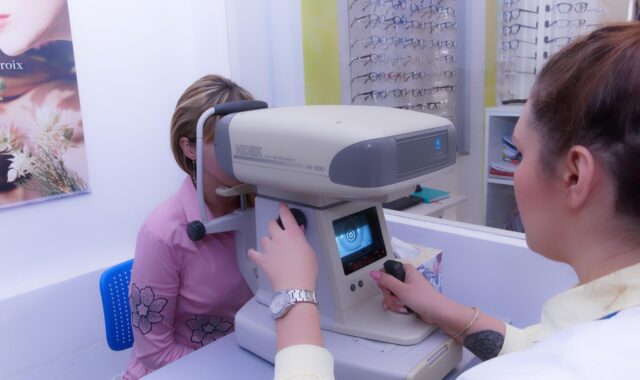
Clinical equipment planning and management for modern healthcare facilities

Why clinical equipment planning now requires a lifecycle view
Clinical equipment is no longer a simple purchasing line item. In modern healthcare facilities, each device sits within a wider system of patient safety, compliance, cybersecurity, maintenance, infection prevention, and clinical workflow. A device that looks suitable on a quotation can still create operational risk if service support is weak, cleaning instructions are difficult to follow, IT integration is limited, or staff cannot use it reliably under time pressure.
For that reason, equipment planning should start before procurement and continue through acceptance testing, inventory control, preventive maintenance, recall response, user training, cybersecurity review, and retirement. For more coverage of devices, safety practices, and technology updates, visit the clinical equipment section.
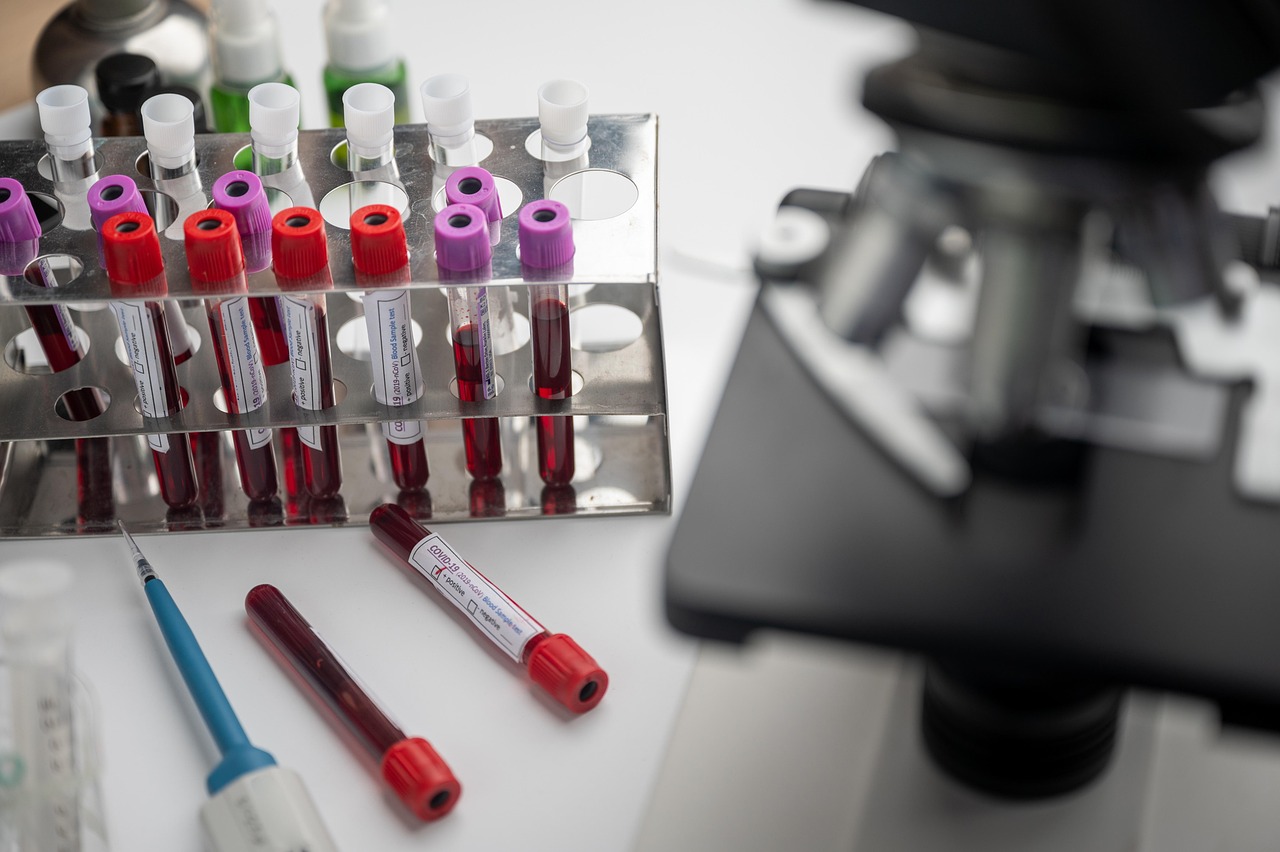
The practical goal is to select equipment that fits the clinical need, document why it fits, and manage it as a living asset rather than a one-time purchase.
What counts as clinical equipment
Clinical equipment generally refers to medical devices and systems used to diagnose, monitor, treat, support, or rehabilitate patients in healthcare settings. It may include patient monitors, infusion pumps, ventilators, examination lights, imaging systems, sterilization equipment, laboratory analyzers, defibrillators, hospital beds, procedure tables, suction systems, electrosurgical units, and point-of-care testing devices.
Some equipment is simple and low risk. Other systems are life-supporting, network-connected, software-driven, or dependent on consumables, calibration, environmental conditions, and specialist maintenance. These differences matter because the same procurement process cannot be applied safely to every asset.
The World Health Organization describes medical devices broadly as instruments, machines, software, implants, reagents, materials, or related articles intended by the manufacturer for a medical purpose. That broad framing is important because many equipment decisions involve more than the visible device. A blood analyzer, for example, may require reagents, quality controls, software updates, data interfaces, training, waste handling, and service agreements. A reusable surgical instrument may depend on validated cleaning instructions and sterilization infrastructure. A connected patient monitor may depend on network architecture, alarm configuration, cybersecurity controls, and integration with electronic records.
In practice, facilities should avoid treating clinical equipment as one generic asset group. A risk-based plan should distinguish between at least five categories: life-support and high-risk equipment, diagnostic and monitoring equipment, therapeutic equipment, reprocessing and sterilization equipment, and general clinical support equipment. This helps teams decide which assets need the most rigorous evaluation before purchase and the most structured oversight after installation.
The regulatory and standards baseline to understand
Healthcare facilities are not device manufacturers, but they still need to understand the regulatory and standards environment because it affects selection, documentation, service, and safe use. In the United States, the FDA classifies medical devices into Class I, Class II, and Class III according to risk and the level of control needed to provide reasonable assurance of safety and effectiveness. FDA information states that device classification depends on intended use, indications for use, and risk. The agency has also organized many generic device types into medical specialty panels.
This classification is not a substitute for local risk assessment. A facility still needs to ask how a device will be used, who will operate it, what patient population it will affect, whether it is life-supporting, and what could happen if it fails. The same type of equipment can carry different operational risk depending on the department, patient acuity, backup availability, and maintenance capacity.
Several standards are also relevant. IEC 60601-1 addresses basic safety and essential performance for medical electrical equipment, while related collateral and particular standards may apply to specific device types or environments. IEC 62353 is commonly associated with recurrent testing and testing after repair for medical electrical equipment. ISO 14971:2019 provides a risk management framework for medical devices and was reviewed and confirmed by ISO in 2025. Although ISO 14971 is directed mainly at manufacturers, its logic is useful for facility teams: identify hazards, estimate and evaluate risk, apply controls, and monitor whether controls remain effective over the equipment lifecycle.
A major manufacturer-side change also became current in 2026. FDA’s Quality Management System Regulation became effective on February 2, 2026, incorporating ISO 13485:2016 into 21 CFR Part 820 and changing the inspection approach used for device manufacturers. For hospitals and clinics, this does not mean purchasing teams must audit every manufacturer like a regulator. It does mean supplier quality, documentation, complaint handling, and postmarket support deserve closer attention during procurement, especially for high-risk or connected equipment.
A practical procurement framework for clinical equipment
A strong procurement process starts with the clinical problem, not the catalog. The first question is whether the equipment is necessary to support a defined service line, patient volume, workflow, or safety requirement. The second is whether the facility has the infrastructure and people required to operate it safely. The third is whether the total lifecycle cost is understood before a purchase order is issued.
| Procurement question | Evidence to request | Why it matters |
|---|---|---|
| Does the equipment fit the clinical use case? | Intended use, indications, configuration options, clinical limitations, and user requirements | Prevents buying a device that is technically impressive but poorly matched to care delivery |
| Is the regulatory status clear? | Device classification, clearance or approval information where applicable, labeling, and manufacturer documentation | Supports compliant purchasing and reduces uncertainty before installation |
| Can the facility maintain it? | Service manual availability, preventive maintenance requirements, calibration needs, parts availability, and service response times | Reduces downtime and avoids dependence on unsupported equipment |
| What are the hidden operating costs? | Consumables, reagents, accessories, software licenses, batteries, probes, sensors, filters, and required test equipment | Shows the true cost beyond the purchase price |
| Is it safe to clean, disinfect, or sterilize? | Instructions for use, reprocessing requirements, compatible chemicals, drying steps, and inspection criteria | Protects patients from infection risk and prevents device damage |
| Will it connect to other systems? | Interface specifications, cybersecurity documentation, software update policy, network requirements, and data export options | Reduces integration failures and cybersecurity exposure |
| What happens during a recall or safety notice? | UDI information where applicable, serial number tracking, distributor contacts, and recall communication process | Allows fast identification of affected assets and patients when needed |
For high-value or high-risk equipment, procurement should involve clinical users, biomedical engineering, infection prevention, IT, facilities, supply chain, finance, and risk management. This multidisciplinary review prevents a common problem: one department approves the device, while another inherits an avoidable burden.
For example, a device with strong clinical features may still be unsuitable if the facility lacks the required water quality, electrical capacity, network segmentation, reprocessing workflow, or trained staff. Identifying those constraints before purchase is usually less costly than correcting them after installation.
Inventory, maintenance, and high-risk equipment control
Once equipment is received, the management process should become more structured, not less. WHO’s 2025 publication on inventory and maintenance management information systems describes health technology management as a lifecycle process that includes needs assessment, procurement and supply, incoming inspection, inventory, training, maintenance, and decommissioning. That sequence is a useful model because it connects purchasing decisions to long-term safety and operational performance.
An effective inventory should record more than asset location and purchase date. Depending on the device, useful fields may include manufacturer, model, serial number, UDI or device identifier, department, risk category, maintenance strategy, software version, network status, warranty period, service provider, calibration requirements, accessories, and recall history. For connected or software-driven devices, cybersecurity ownership and update status should also be visible.
The Joint Commission’s publicly available medical equipment guidance states that, for organizations using its accreditation process for deemed status purposes, all medical equipment is required to be included in the written inventory. It also describes high-risk medical equipment as life-support equipment and other devices where failure could cause serious injury or death to a patient or staff member. Maintenance activities and frequencies generally follow manufacturer recommendations, unless an approved alternative equipment maintenance strategy is used where allowed.
Alternative equipment maintenance should not be treated as a shortcut. It requires evidence, documented rationale, and attention to exclusions. The Joint Commission notes that an alternative strategy is not allowed for certain categories, including equipment subject to federal or state law or Medicare Conditions of Participation, imaging and radiologic equipment, medical laser devices, and new equipment without enough maintenance history to support an alternative approach. This is why a risk-based maintenance plan should be conservative when failure consequences are severe or evidence is limited. See also: Buying Guides.
Good maintenance governance also includes acceptance testing before first use, routine inspection, electrical safety testing where appropriate, performance verification, calibration, battery management, software update review, loaner equipment control, and clear processes for removing unsafe equipment from service. These controls may look administrative, but they are central to patient safety because many failures are detected through routine checks rather than incident reports.
Safety risks that deserve more attention in 2026
Clinical equipment risk is changing as devices become more connected, software-dependent, and workflow-sensitive. ECRI’s 2026 health technology hazard reporting highlighted several issues relevant to equipment planning, including misuse of AI chatbots in healthcare, preparedness for digital outages, substandard and falsified medical products, recall communication failures for home diabetes technologies, tubing misconnections, underuse of medication safety technologies in perioperative settings, deficient cleaning instructions, cybersecurity risks from legacy medical devices, unsafe workflows caused by technology design or configuration, and water quality problems during instrument sterilization.
Facilities do not need to treat every hazard as equally relevant. The useful step is to translate these warnings into local questions. Are staff using unapproved digital tools to answer device or clinical questions? Could patient care continue if a connected system went offline? Are legacy devices still attached to the network after vendor support has ended? Are recall notices reaching the right department quickly? Are reusable devices purchased only after the facility confirms it can follow the manufacturer’s cleaning and sterilization instructions?
Cybersecurity is now a core equipment management issue rather than a separate IT topic. A networked infusion pump, imaging workstation, physiologic monitor, laboratory analyzer, or clinical gateway can create risk if default passwords, unsupported operating systems, unpatched software, open ports, or unclear ownership are allowed to persist. Before purchase, teams should ask for a software bill of materials where available, patching policies, vulnerability disclosure process, authentication options, logging capability, network requirements, and end-of-support timelines. After installation, biomedical engineering and IT should jointly monitor device status, update planning, and network segmentation.
Reprocessing is another area where procurement and daily operations meet. If cleaning instructions are unclear, impractical, or incompatible with local workflow, the risk does not disappear after purchase. It becomes a daily operational hazard. For reusable devices, facilities should confirm that instructions for use match available sterilizers, detergents, water quality, drying capacity, inspection tools, staff time, and documentation practices.
How to evaluate lifecycle value instead of purchase price
Clinical equipment value is often misunderstood when decisions focus mainly on acquisition cost. A lower purchase price may be attractive, but it can be outweighed by expensive consumables, limited service access, high downtime, short warranty coverage, weak interoperability, frequent calibration, difficult cleaning, or early replacement. Conversely, a more expensive device may be justified if it improves reliability, reduces manual documentation, standardizes workflows, lowers maintenance burden, or supports safer care.
A lifecycle value review should include at least eight cost and risk categories:
- Purchase price, installation, freight, commissioning, and acceptance testing
- Consumables, accessories, reagents, sensors, probes, batteries, filters, and single-use components
- Preventive maintenance labor, service contracts, calibration, and test equipment
- Software licenses, cybersecurity updates, interface fees, and data integration costs
- Training time for users, super users, biomedical staff, and reprocessing teams
- Downtime risk, backup requirements, rental coverage, and loaner equipment controls
- Cleaning, disinfection, sterilization, storage, and environmental requirements
- End-of-life disposal, data removal, decontamination, and replacement planning
Facilities should also evaluate standardization. Reducing unnecessary model variation can simplify training, spare parts, preventive maintenance, user confidence, and emergency response. However, standardization should not become rigid. Specialized departments may need different features, sizes, interfaces, or performance capabilities. The right question is not whether every department can use the same model, but whether variation is clinically justified and supportable.
A simple governance checklist for better decisions
Before approving a major equipment purchase, facilities can use a short governance checklist. It should be practical enough to apply consistently but detailed enough to reveal hidden risk.
- Define the clinical need, expected users, patient population, and care environment.
- Confirm regulatory status, intended use, labeling, and any restrictions that affect use.
- Review safety standards, electrical requirements, environmental needs, and compatibility with existing infrastructure.
- Assess maintenance requirements, service access, warranty terms, spare parts, and expected downtime.
- Verify cleaning, disinfection, sterilization, and storage requirements before purchase.
- Review cybersecurity documentation for networked or software-based equipment.
- Plan user training, competency checks, alarm configuration, and workflow testing.
- Record UDI, serial number, software version, risk level, department, and maintenance strategy in the inventory where applicable.
- Create a recall and safety notice workflow that identifies who receives, evaluates, acts on, and documents communications.
- Define end-of-life triggers, including vendor support ending, repeated failures, cybersecurity exposure, unavailable parts, or inability to meet current clinical needs.
Effective programs also review equipment performance after implementation. Useful indicators include downtime, repair frequency, user complaints, near misses, incident reports, consumable use, missed maintenance, training gaps, cybersecurity findings, and recall response time. These data help the next procurement cycle become more evidence-based.
Frequently asked questions
Is clinical equipment the same as medical equipment?
The terms often overlap. Clinical equipment usually refers to medical devices and related systems used directly or indirectly in patient care. Medical equipment is a broader common term and may include the same assets. In formal regulatory contexts, the term medical device is usually more precise.
Who should be involved in clinical equipment selection?
At minimum, selection should involve clinical users, biomedical engineering or clinical engineering, supply chain, infection prevention, IT for connected devices, facilities for infrastructure needs, and finance for lifecycle cost review. High-risk purchases may also require quality, risk management, and executive review.
Why is UDI important for equipment management?
The FDA’s UDI system is intended to identify medical devices through distribution and use. For facilities, recording device identifiers where applicable can improve recall response, inventory accuracy, traceability, and documentation.
Can maintenance intervals be changed from manufacturer recommendations?
Sometimes, but only under a documented and permitted alternative equipment maintenance strategy. High-risk devices, regulated equipment, imaging and radiologic equipment, medical lasers, and new equipment without sufficient maintenance history may require stricter handling. Local accreditation, legal, and payer requirements should always be checked.
What is the biggest mistake facilities make when buying equipment?
A common mistake is evaluating the device in isolation. Safe equipment planning must include workflow fit, staff training, maintenance capacity, cybersecurity, cleaning requirements, consumables, recall traceability, and end-of-life support. The best purchase is not always the lowest bid; it is the option that remains safe, usable, and supportable throughout its lifecycle.