How to evaluate a medical supply shop before ordering clinical supplies
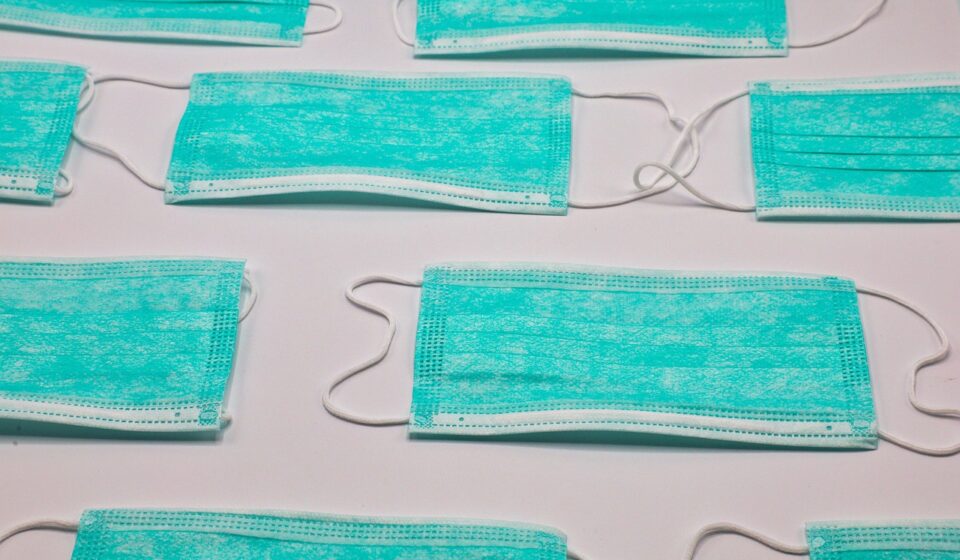
What a reliable medical supply shop should prove
A medical supply shop is worth considering when it can show that the products it sells match the manufacturer’s labeled device, intended use, lot, expiration date, storage conditions, and regulatory pathway. For a clinic, lab, care facility, or reseller, the safest purchase is not always the lowest-priced one. It is the supplier that can document product identity, preserve traceability, handle stock consistently, and manage substitutions, returns, and recalls in a controlled way.
This guide focuses on practical purchasing checks rather than brand rankings. It is intended for buyers comparing suppliers of consumables, diagnostic accessories, personal protective equipment, wound care items, noncritical patient-care equipment, and other routine clinical supplies. For more procurement-focused articles, visit the Buying Guides section.

Understand what you are buying before judging the seller
A common mistake in medical purchasing is treating every item as if it carries the same risk. A box of exam-table paper, a non-sterile measuring tape, a sterile catheter kit, a blood pressure cuff, and a powered diagnostic device raise different questions about safety, documentation, and storage. A good shop should recognize those differences and should not rely on the same generic product page for every category.
Public infection-control guidance from the CDC uses the Spaulding classification to separate patient-care items into critical, semicritical, and noncritical categories. In purchasing terms, critical items enter sterile tissue or the vascular system and require sterility before use; semicritical items contact mucous membranes or non-intact skin and require at least high-level disinfection when reusable; noncritical items contact intact skin and generally require lower-level cleaning or disinfection depending on use and contamination. This framework helps buyers decide how much evidence they need from a supplier.
| Product type | Common examples | What the shop should help verify |
|---|---|---|
| Sterile or critical-use supplies | Procedure packs, sterile instruments, some invasive accessories | Lot number, expiration date, intact sterile barrier, storage conditions, and manufacturer labeling |
| Semicritical reusable items | Respiratory or diagnostic accessories that contact mucous membranes or non-intact skin | Instructions for use, reprocessing requirements, compatibility with disinfectants, and device identity |
| Noncritical clinical equipment | Blood pressure cuffs, thermometers, scales, exam-room accessories | Model, intended use, cleaning instructions, calibration or maintenance needs when applicable |
| PPE and barrier products | Gloves, gowns, masks, eye protection, face shields | Material, size, standard or performance claims, shelf life, packaging condition, and substitutions |
| General facility supplies | Storage bins, labels, paper goods, cleaning accessories | Fit for the intended environment, chemical compatibility, and clear separation from regulated devices |
Check regulatory and documentation signals
A professional-looking catalog is not enough. Before ordering from a new shop, buyers should confirm whether the product is a medical device, whether it needs premarket authorization in the relevant market, and whether the seller can provide the information needed to match the item to the manufacturer’s labeling.
Registration is not the same as approval
For U.S. buyers, FDA establishment registration and device listing can be useful starting points, but they should not be treated as quality approval. The FDA’s own database notes that registration, assignment of a registration number, or listing of a device does not by itself mean FDA approval of the establishment or product. A seller that implies otherwise is turning a limited compliance signal into a marketing claim.
For some devices, a shop may be able to provide a 510(k), De Novo, PMA, or other premarket reference. For many low-risk items, the correct answer may be that the product is exempt from premarket notification. The goal is not to demand the same document for every item. It is to ask for the right evidence for that device type and intended use.
Match the UDI, model, and labeling
The FDA’s unique device identification system was created to identify medical devices through distribution and use. Where UDI requirements apply, the labeler places a unique device identifier on device labels and packages and submits device information to the Global Unique Device Identification Database. In practical buying terms, the product page, carton, invoice, and device label should not conflict on manufacturer name, catalog number, size, sterile status, or intended use.
If a product arrives with a different model number, different country labeling, covered-over labels, or a substitute item that was not approved by the buyer, pause before placing it into use. Substitutions may be acceptable in some categories, but only when the substitute meets the same clinical need, documentation requirements, and internal purchasing controls.
Ask for documents that match the risk
For routine items, appropriate documentation may include a manufacturer specification sheet, instructions for use, a safety data sheet for chemicals, a certificate of analysis when relevant, lot and expiration information, or a letter showing authorized distribution. For higher-risk or sterile products, buyers may also need the sterilization method, packaging integrity information, applicable standards claims, or regulatory clearance references.
A warning sign is a shop that sends unrelated certificates, expired files, or documents that do not match the exact model being sold. Another warning sign is a supplier that refuses to identify the manufacturer or says labeling details are available only after payment.
Evaluate product condition, storage, and traceability
Many purchasing problems occur after a product has left the manufacturer. Heat, humidity, crushed cartons, broken sterile barriers, expired stock, partial lots, and undocumented relabeling can turn an acceptable product into a questionable purchase. A dependable medical supply shop should be able to explain how it receives, stores, rotates, and ships inventory.
For sterile supplies, inspect the sterile barrier and outer packaging before use. Do not rely only on the outer shipping carton. For products with expiration dates, the date should be readable, unaltered, and consistent with the manufacturer’s labeling. FDA labeling materials state that expiration dates, when used, should reflect the period after final packaging during which the device remains fit for its intended use when stored and used according to labeling.
The Joint Commission has also emphasized the need for healthcare organizations to protect patients from expired or compromised supplies by storing items in appropriate locations, maintaining usable par levels, and ensuring items have not passed their expiration dates. Even if a buyer is not accredited by The Joint Commission, the principle is useful: storage and stock rotation are patient-safety controls, not just warehouse tasks.
Traceability matters when a recall, complaint, adverse event, or quality alert occurs. The shop should be able to connect an order to a lot, catalog number, and shipment date. For sensitive categories, ask whether the supplier quarantines outdated, damaged, deteriorated, misbranded, adulterated, counterfeit, or suspected counterfeit items. Accreditation criteria used by organizations such as the National Association of Boards of Pharmacy for OTC medical device distributors include this type of quarantine concept.
Compare pricing without creating compliance risk
Price matters, especially for high-volume items such as gloves, syringes, gowns, underpads, dressings, and exam-room consumables. An unusually low price, however, should trigger questions rather than automatic approval. The risk is not limited to counterfeit product. It can also involve short-dated inventory, gray-market diversion, foreign-market labeling that does not match local use, damaged packaging, incomplete cartons, or substitutions that do not meet the facility’s policy. See also: Clinical Equipment.
Buyers should compare total landed cost, not only unit price. Freight, minimum order quantity, storage burden, backorder risk, return restrictions, remaining shelf life, and the cost of rejecting unusable items can erase the savings from a low advertised price. A shop with slightly higher unit pricing but better documentation, reliable expiration dating, and stable fulfillment may reduce total risk.
Recent supply-chain history also supports a multi-source approach. In October 2024, U.S. hospitals dealt with disruptions in IV fluid supply after Hurricane Helene damaged a major manufacturing site in North Carolina, according to national news reporting at the time. That event was not a reason to overbuy every category, but it showed why clinics should know which items are clinically critical, which have substitutes, and which require backup suppliers.
Build a supplier scorecard before the first order
A simple scorecard helps buyers avoid emotional or price-only decisions. It also creates a record that can be reviewed if a problem appears later. The scorecard does not need to be complicated. It should focus on whether the shop can prove the claims that matter for the products being purchased.
| Evaluation area | What to ask | Red flag |
|---|---|---|
| Product identity | Can the shop provide manufacturer name, catalog number, size, UDI when applicable, and current labeling? | The seller uses only generic photos or refuses to identify the manufacturer. |
| Regulatory fit | Does the documentation match the device class, market, and intended use? | The seller calls every product “FDA approved” without supporting details. |
| Traceability | Will invoices, packing slips, and labels preserve lot and expiration data? | Lots are mixed without records, or expiration dates are unclear. |
| Storage and shipping | How are sterile, temperature-sensitive, fragile, or short-dated products handled? | Cartons arrive crushed, wet, opened, or with no explanation of handling conditions. |
| Substitution control | Will the shop ask before replacing a backordered item? | Substitutes arrive without prior approval or documentation. |
| After-sale support | How are recalls, complaints, returns, and damaged goods handled? | The seller has no written process or accepts no responsibility after shipment. |
For a first order, consider starting with a limited quantity, especially with a new supplier or a clinically sensitive category. Inspect the shipment on arrival, compare the goods with the purchase order, and document any discrepancy before the product is distributed internally. A clean first order does not prove long-term reliability, but it gives the buyer evidence to build on.
Receiving checks that should happen every time
Supplier evaluation does not end at checkout. Every shipment should go through a basic receiving process before items enter clinical storage. Confirm that the product name, model, size, quantity, lot number, expiration date, sterile status, and packaging condition match the order. For products that require instructions for use, make sure the instructions are included or accessible through an approved source.
Separate damaged, expired, suspect, or incorrect items from usable stock. Do not place questionable supplies into regular storage while waiting for the vendor to respond. If a device appears mislabeled, counterfeit, contaminated, or otherwise unsafe, follow the facility’s internal reporting procedure and applicable regulatory or supplier complaint process.
For repeat orders, review supplier performance periodically. A shop that was reliable last year may change distributors, inventory sources, shipping methods, or substitution practices. Annual review is a reasonable minimum for routine suppliers, while high-risk or problem-prone categories may need more frequent review.
Frequently asked questions
Is FDA registration enough to trust a medical supply shop?
No. FDA registration or device listing can be part of a verification process, but it does not automatically mean that the FDA has approved the shop or the product. Buyers should still check device identity, labeling, intended use, lot and expiration data, and whether the documentation matches the exact item being sold.
Should clinics buy sterile supplies from online marketplaces?
They can, but only when the seller can provide the same evidence expected from any other medical supplier: manufacturer identity, correct labeling, lot and expiration information, intact packaging, appropriate shipping, and a clear return or complaint process. If the marketplace listing hides the manufacturer or changes the product after checkout, it is not suitable for clinical purchasing.
What records should a small clinic keep after ordering?
At minimum, keep the purchase order, invoice, packing slip, product label details, lot number, expiration date when applicable, and any complaint or return communication. For higher-risk products, keep instructions for use, regulatory references, and receiving inspection notes. These records support recalls, internal audits, and supplier reviews.
How often should a supplier be re-evaluated?
Routine suppliers should be reviewed at least once a year or whenever there is a major issue such as repeated backorders, substitutions, damaged shipments, documentation gaps, or complaints from clinical staff. New suppliers and higher-risk product categories deserve closer review during the first few orders.
Can one shop sell both medical devices and general healthcare supplies?
Yes. Many shops sell both regulated devices and general facility supplies. The important point is that the seller should treat each category appropriately. A low-risk storage bin does not need the same documentation as a sterile device, but a sterile device should never be handled like an ordinary commodity.