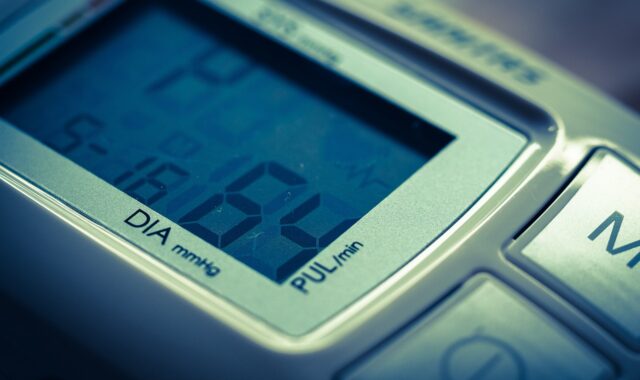
Buyer Checklist for Reliable Clinical Equipment
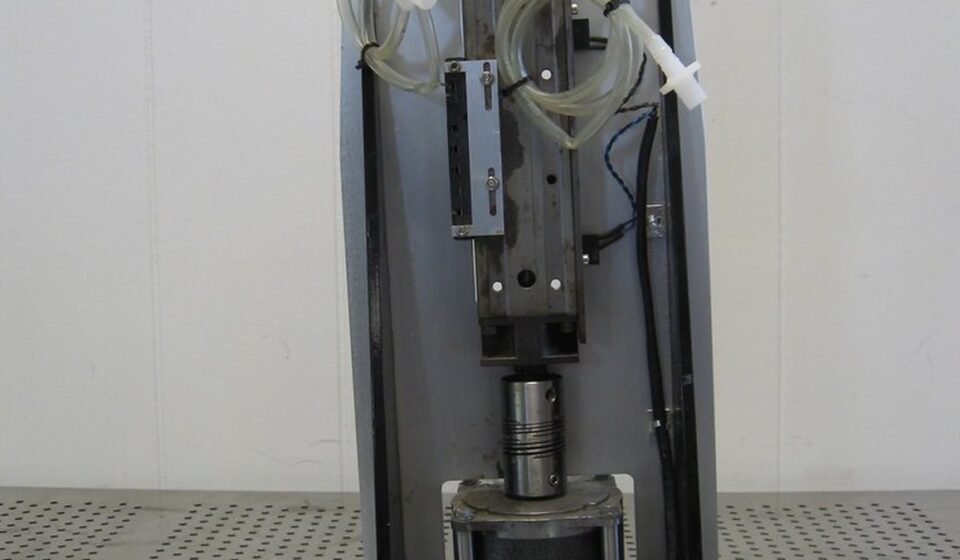
Buyer Checklist for Reliable Clinical Equipment is a practical decision point for buyers, engineers, planners, and operators working with medical equipment. A good choice starts with the real application rather than a catalog description. The product must fit the environment, the expected workload, the installation conditions, and the people who will use or maintain it every day.
Review the Application First
When reviewing clinical equipment, compare the main specification with the limits that affect daily performance. Capacity, material quality, dimensions, tolerances, surface finish, compatibility, temperature range, cleaning needs, and service access can all change whether a product works well after installation. A strong option should be easy to document, inspect, and replace when the project grows.
Supplier information is also part of the evaluation. Reliable technical sheets, clear drawings, test data, warranty terms, and realistic lead times make it easier to compare products fairly. If two options look similar, the better documented product usually creates fewer surprises during purchasing, installation, training, and long-term operation.
For project teams, the safest approach is to create a short requirement list before asking for quotations. Include the intended use, operating environment, quantity, size range, expected lifespan, maintenance access, packaging needs, and any compliance or safety requirements. This prevents clinical equipment decisions from being driven only by price or appearance.
Check Installation, Care, and Support
Installation and handling details deserve attention before the order is placed. Many product problems come from mismatched accessories, unclear measurements, weak packaging, missing spare parts, or unrealistic delivery schedules. Buyers should confirm what is included, what must be purchased separately, and what preparation is required before the product arrives.
Maintenance planning should be simple enough for the actual user to follow. Cleaning instructions, inspection intervals, consumable parts, calibration needs, lubrication points, storage rules, and safe operating limits should be recorded in a way that can be used by non-specialists. This helps protect performance after the initial purchase decision is forgotten.
Medivo recommends comparing products through a balanced view of function, quality, usability, service, and lifecycle cost. The strongest medical equipment choices are rarely the ones with the longest feature list. They are the products that match the application clearly, arrive with dependable support, and remain manageable throughout daily use.
Final Buying Notes
Before final approval, review samples, drawings, installation notes, and supplier communication together. A small amount of structured checking can prevent expensive rework and gives future buyers a repeatable process for evaluating similar products with more confidence.