Paddling pool cleaning tips for safer small-pool use
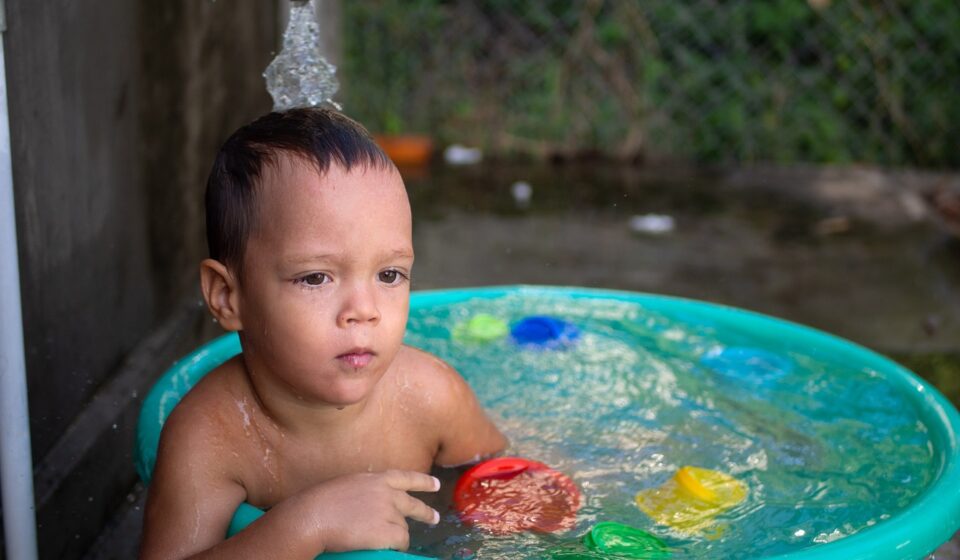
Why paddling pool cleaning needs a simple routine
Useful paddling pool cleaning tips start with a practical distinction: a small, unfiltered pool should be treated as single-session equipment, not as a miniature swimming pool. Most paddling pools do not have continuous filtration, automated disinfection, or routine water-quality testing. Dirt, sunscreen, grass, fecal germs, urine, saliva, and body oils can build up quickly, especially when children share the water.
The safer routine is straightforward: empty the pool after each use, remove visible soil, wash the surfaces with detergent and clean water, disinfect when appropriate, rinse if the product label requires it, dry the pool fully, and store it where it cannot collect rainwater.
For homes, clinics, rehabilitation spaces, child activity areas, and other supervised environments, cleaning is not only about appearance. The goal is to reduce avoidable exposure to germs, prevent slippery biofilm, protect the pool material, and keep children away from standing water when adults are not actively supervising.
For more practical upkeep topics, see the Maintenance Tips section.
Understand what makes a paddling pool different
A paddling pool, kiddie pool, or small inflatable pool is usually shallow, portable, and easy to fill. Those same advantages create maintenance limits. A conventional swimming pool may use circulation, filtration, pH control, and disinfectant testing. A small paddling pool often has none of these controls. Once the water is contaminated, keeping it for another session increases risk rather than saving meaningful maintenance time.
The U.S. Centers for Disease Control and Prevention advises that small inflatable or plastic kiddie pools and similar water-play items do not provide the same protection against germs as properly operated pools, hot tubs, or splash pads. CDC guidance also warns against using these small pools in settings where children from multiple households share water, such as childcare programs, schools, and camps. One child can introduce germs that expose everyone else in the same small volume of water.
From a maintenance perspective, the key issue is control. A small pool is easiest to manage by limiting use, emptying it promptly, and cleaning the physical surfaces. Trying to operate it like a chemically treated public pool can be unreliable unless the pool is specifically designed for that purpose and managed under applicable local rules.
Before filling the pool, reduce contamination
Cleaning is easier when less contamination enters the water. Before filling a paddling pool, place it on a clean, level surface away from mud, garden runoff, animal waste, loose leaves, bins, pet areas, and chemical storage. If the pool will sit on a patio or deck, sweep or rinse the ground first. Avoid locations directly under trees that drop debris.
Inspect the pool before use. Look for cracks, rough seams, damaged valves, mildew spots, sticky residue, or areas that stay damp after storage. A damaged or moldy pool may be difficult to clean properly, and sharp edges can create injury risks. If the pool has folds or textured surfaces, check those areas carefully because soil and slime can collect there.
Before children enter the water, encourage bathroom breaks and handwashing. Swim diapers and waterproof pants can reduce visible accidents, but they do not make shared water germ-free. Children who have diarrhea should not use a paddling pool. Food, drinks, and toys that have been on the ground should also be kept out unless they can be cleaned before and after use.
- Use fresh tap water for each session.
- Keep pets out of the paddling pool.
- Do not add garden hoses, buckets, or toys that have been sitting in dirty areas without cleaning them first.
- Keep cleaning chemicals away from the pool while children are present.
- Assign one adult to active supervision whenever children are near water.
Step-by-step cleaning after each use
The most dependable paddling pool maintenance routine happens immediately after use. Waiting until the next day gives organic material time to dry onto surfaces and gives algae or biofilm a better chance to develop. The following process works for most small plastic or inflatable pools, but the manufacturer’s care instructions and the label on any cleaning or disinfecting product should always take priority.
Drain the water safely
Drain the pool as soon as the session ends. Empty the water into a safe drainage area where it will not create a slip hazard, damage landscaping, flow toward play areas, or collect where children may gather. Do not leave a partly filled paddling pool unattended. Even shallow water can present a drowning risk for young children.
Remove debris and visible soil
Use a clean brush, cloth, or sponge to remove grass, leaves, sand, insects, sunscreen residue, and dirt. Pay attention to corners, seams, drain plugs, cup-like folds, and textured bottoms. If the pool has inflatable rings, wipe around valves and seams where moisture can stay trapped.
Wash with detergent and water
Cleaning should come before disinfecting. Soap or a mild detergent helps lift dirt, body oils, and organic matter from the surface. This step matters because disinfectants work less reliably when soil remains on the material. Scrub gently enough to avoid damaging soft plastic, but thoroughly enough to remove slippery residue.
Rinse away loosened residue
After washing, rinse the pool with clean water. Detergent residue can irritate skin and may make the surface slippery. Rinsing also removes material that could interfere with any disinfecting step that follows.
Disinfect when appropriate
Disinfection is especially important after heavy use, visible contamination, illness in the household, a fecal accident, slime, odor, or storage in damp conditions. CDC cleaning guidance generally distinguishes cleaning, sanitizing, and disinfecting: cleaning removes dirt and many germs, while disinfecting uses a product to kill germs on surfaces. For paddling pools, use a disinfectant compatible with the pool material and follow the product label for dilution, wet contact time, ventilation, protective gloves, and rinsing instructions.
If household bleach is used, it must be diluted correctly and never mixed with ammonia, vinegar, toilet cleaners, or other chemicals. Bleach solutions should be prepared carefully, used in a ventilated area, and kept away from children. Because product concentrations and label instructions vary, the label should control the exact dilution and contact time.
Dry completely before storage
Air-dry the pool fully before folding, stacking, or putting it away. Trapped moisture encourages mildew and odor. If drying outdoors, keep the pool clean while it dries and bring it in before rain. Store it upside down or folded in a clean, dry area so it cannot collect water, insects, or debris.
When to clean, disinfect, or discard the pool
Not every situation requires the same response. Routine cleaning after each use is the baseline. Disinfection is a higher-level step for specific risks. Replacement is sometimes the safer choice when the material can no longer be cleaned effectively. See also: Clinical Equipment.
| Situation | Recommended action | Why it matters |
|---|---|---|
| Normal single-household use | Drain, wash, rinse, dry, and store after use | Prevents stagnant water, residue buildup, and mildew |
| Visible dirt, grass, sunscreen film, or cloudy water | Clean immediately and consider disinfection after washing | Organic material can reduce disinfectant performance and make surfaces slippery |
| Fecal accident, vomit, blood, or illness concern | Stop use, drain safely, clean, disinfect according to label directions, rinse if required, and dry | Higher contamination risk requires more than a quick rinse |
| Slime, odor, algae, or black spotting | Deep clean and disinfect; discard if stains or odor remain | Persistent biofilm or mildew can be difficult to remove from soft materials |
| Cracked, sticky, peeling, or damaged plastic | Replace the pool | Damaged surfaces can trap soil and may fail during use |
In clinical, therapy, childcare, or multi-household settings, a small shared paddling pool may not be appropriate unless the organization has written infection-control procedures and complies with local public health requirements. A portable pool that works for one household may be a poor choice when multiple unrelated users share the same water.
Chemical safety and water-quality limits
One common mistake is assuming that adding a small amount of chlorine to a paddling pool makes it safe to leave the water in place for days. In a pool without proper circulation, filtration, testing, and pH control, chemical treatment can be inconsistent. Chlorine can be used up by dirt, sunlight, body fluids, and organic material. If the concentration is too low, it may not control germs effectively. If it is too high, it can irritate skin, eyes, and airways.
Public aquatic venues use measurable controls such as disinfectant concentration and pH. CDC materials for treated recreational water discuss the importance of maintaining adequate disinfectant levels and pH, and public codes often require routine testing. A household paddling pool usually lacks the equipment and operating controls needed to manage those values reliably. For that reason, routine draining and surface cleaning are more practical than trying to turn a simple paddling pool into a small public pool.
When cleaning chemicals are used, follow these safety principles:
- Read the product label before use, including surface compatibility and contact time.
- Wear gloves or eye protection if the label recommends it.
- Use chemicals outdoors or in a well-ventilated area.
- Never mix bleach with ammonia, acids, vinegar, or other cleaners.
- Keep children and pets away during cleaning and drying.
- Rinse the pool if the label says rinsing is needed before skin contact.
- Store chemicals in their original containers, away from heat and out of reach of children.
Disinfection should support cleaning, not replace it. A visibly dirty pool should not simply be sprayed and refilled. Dirt, sunscreen, and organic matter need to be removed first.
Maintenance tips for supervised care and therapy environments
Some rehabilitation, pediatric, sensory play, or supervised care spaces may use small water-play equipment for limited activities. In these environments, a paddling pool should be managed more like shared care equipment than a backyard toy. Written procedures are important because different staff members may set up, supervise, clean, and store the pool.
A practical procedure should define who may use the pool, when the water must be changed, which cleaning products are approved, where the pool is drained, how contact time is documented if disinfectants are used, and where the pool is stored. It should also state when the pool must be removed from service. For example, a pool used during an activity involving several children should be drained and cleaned between groups, and facilities should consider whether shared standing water is appropriate at all for their population.
Risk assessment matters. Children who are very young, immunocompromised, not toilet trained, or likely to mouth toys may need stricter controls or a different activity. Staff should also consider slip hazards from spilled water, safe lifting when emptying larger portable pools, and cleaning-product exposure. If an organization is subject to childcare, healthcare, therapy, or public bathing regulations, those rules should take priority over general household advice.
For equipment managers, the useful maintenance record is simple: date used, person responsible for cleaning, product used when disinfection is performed, any contamination incident, and whether the pool was fully dried before storage. This record helps identify repeated problems such as odor, staining, leaks, or cleaning steps that are being skipped.
Common paddling pool cleaning mistakes to avoid
Small pools often become unsafe or unpleasant because of shortcuts rather than lack of effort. Avoid these common mistakes:
- Leaving water overnight. Standing water can collect debris, attract insects, and create an unsupervised drowning hazard.
- Only topping up the water. Adding fresh water does not remove germs, body oils, or dirt already in the pool.
- Disinfecting before cleaning. Soil and organic matter can reduce the effectiveness of disinfectants.
- Folding the pool while damp. Moisture trapped in folds encourages mildew and odor.
- Using harsh tools. Abrasive brushes can scratch soft plastic, creating areas that trap dirt.
- Sharing water across unrelated groups. Small unfiltered pools are not designed for high-turnover public use.
- Mixing cleaning chemicals. Combining products can release dangerous fumes or damage the pool surface.
The best routine is the one that can be repeated consistently: fresh water for each use, active supervision, immediate draining, detergent cleaning, appropriate disinfection when needed, complete drying, and dry storage.
Frequently asked questions
How often should a paddling pool be cleaned?
A paddling pool should be emptied and cleaned after each use. If the water becomes cloudy, dirty, smelly, or contaminated during use, stop the activity and clean it immediately rather than waiting until the session ends.
Can I leave water in a paddling pool for the next day?
It is not a good practice for most small paddling pools. Without reliable filtration, circulation, and disinfectant testing, water quality can deteriorate quickly. Leaving water in place also creates a safety risk if children can access the pool without supervision.
Do I need bleach every time?
Not necessarily. Routine cleaning with detergent and water after each single-household use may be enough when there is no visible contamination or illness concern. Disinfection is more important after heavy use, fecal contamination, vomiting, illness concerns, slime, odor, or use in a shared setting. Always follow the disinfectant label.
What is the safest way to store a paddling pool?
Store it clean, completely dry, and protected from rain, pests, sharp objects, and chemical containers. If it is stored outdoors, position it so it cannot collect water. Indoor dry storage is usually better for preventing mildew and material damage.
Should paddling pools be used in childcare or group programs?
CDC guidance cautions that small inflatable or plastic kiddie pools should not be used in settings where children from multiple households share the water, such as childcare programs, schools, and camps. For group settings, safer alternatives include activities that do not involve shared standing water or equipment that is designed and regulated for public aquatic use.