Medical device and diagnostic regulation in 2026 for safer product decisions

Why this topic matters in 2026
Medical device and diagnostic products now cover far more than instruments on a laboratory bench or imaging equipment in a hospital room. The category includes in vitro diagnostic test systems, connected monitoring hardware, device software, AI-enabled image analysis, point-of-care platforms, and data-driven decision support tools. In 2026, the question is not only whether a product can generate a useful result. Stakeholders also need to understand what the product claims to do, whether it is regulated as a medical device or an in vitro diagnostic, what evidence supports the claim, how software updates are controlled, and how postmarket risks are monitored.
Those questions matter because regulation is changing while diagnostics become more decentralized and software-dependent. The FDA Quality Management System Regulation became effective on February 2, 2026. The European Union continues to move in vitro diagnostic devices through IVDR transition deadlines. FDA guidance on AI-enabled device software and cybersecurity has also made lifecycle planning more important. For healthcare buyers, product selection should therefore cover evidence, regulatory status, quality system maturity, cybersecurity support, and usability in the intended clinical setting.
What counts as a medical device and diagnostic product
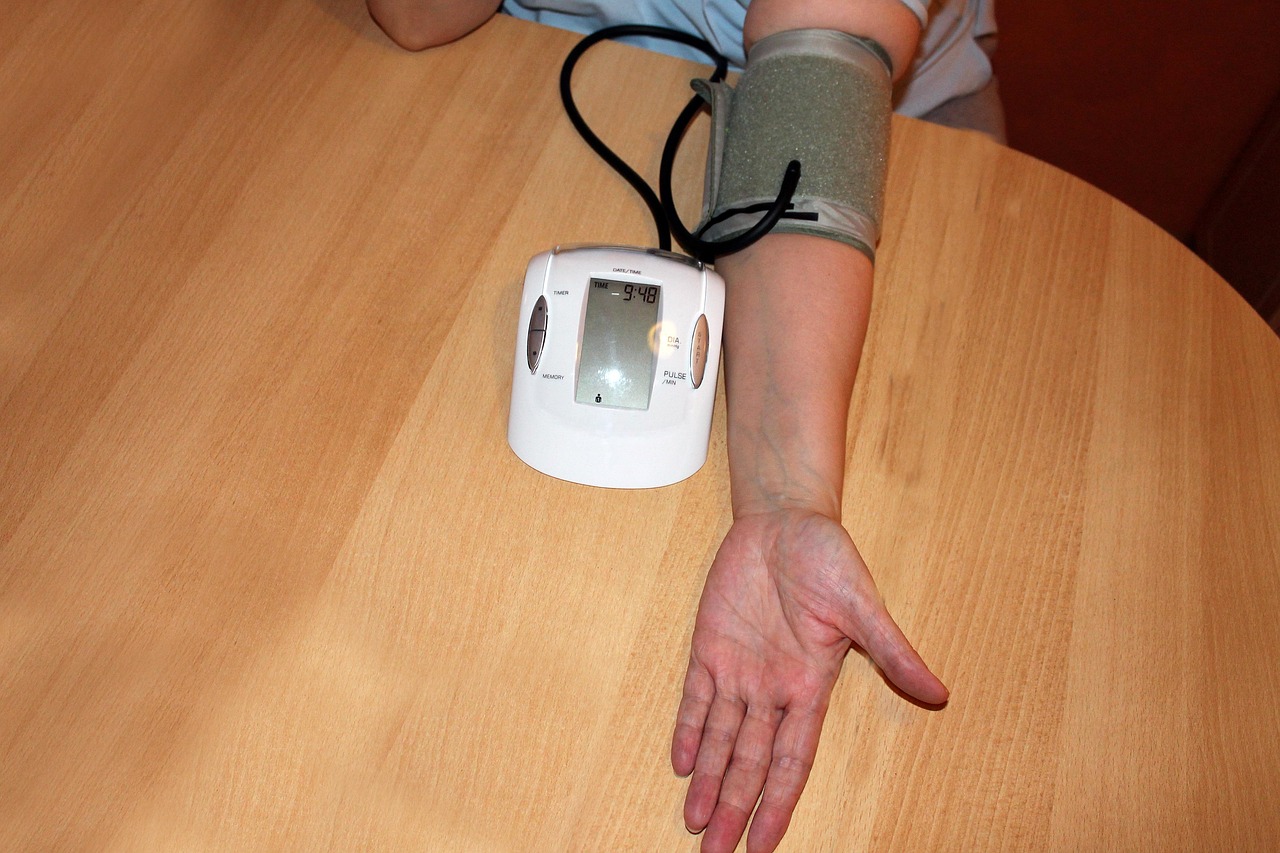
A medical device is generally understood as an instrument, apparatus, implant, reagent, software, material, or related article intended for a medical purpose and not primarily acting through chemical action or metabolism. FDA and WHO definitions use different wording, but both place intended medical use at the center of the analysis. A product intended to diagnose, monitor, prevent, treat, or support management of disease can fall within the medical device framework, depending on jurisdiction and claims.
In vitro diagnostic products are a major part of this category. FDA describes IVD products as reagents, instruments, and systems intended for use in the diagnosis of disease or other conditions, including determining health status. FDA also explains that IVDs may analyze human specimens such as blood or urine to provide information used in diagnosis, prevention, or treatment. A test cartridge, analyzer, assay kit, sample preparation component, software module, or connected reader may therefore be part of a regulated diagnostic system when it is tied to the intended medical use.
For product review and procurement, it is useful to separate several groups:
- Traditional diagnostic equipment, such as imaging systems, laboratory analyzers, ECG systems, ultrasound systems, and pathology instruments.
- In vitro diagnostic systems, including reagents, test kits, controls, calibrators, analyzers, and software used to test specimens from the human body.
- Point-of-care and near-patient diagnostics, where sample collection, operation, interpretation, and connectivity must be suitable for use outside a central laboratory.
- Software as a medical device, where software performs a medical function without being part of a traditional hardware device.
- Connected diagnostic workflows, where device performance depends on data transfer, cloud infrastructure, cybersecurity controls, and integration with clinical systems.
The same technology can be regulated differently depending on its claims. A general wellness app that encourages healthy habits is different from software that claims to detect disease, prioritize urgent findings, or guide clinical intervention. The boundary is usually shaped by intended use, patient impact, degree of automation, clinical context, and the evidence used to support performance.
The 2026 regulatory map for device and diagnostic decisions
United States
In the United States, medical devices are regulated under the Federal Food, Drug, and Cosmetic Act and classified by risk. Many moderate-risk devices use the 510(k) pathway when a suitable predicate exists. Novel moderate-risk technologies may use De Novo classification, while higher-risk products may require premarket approval. IVDs are medical devices, but they also operate in a clinical testing environment where CLIA requirements may apply to laboratories performing tests.
The major operational change for 2026 is the FDA Quality Management System Regulation. FDA states that QMSR became effective on February 2, 2026, amended 21 CFR Part 820, and incorporated ISO 13485:2016 by reference. FDA also states that on the same date it stopped using the Quality System Inspection Technique and began using the updated inspection process described in its medical device manufacturer compliance program. For manufacturers, this makes design controls, risk management, supplier controls, complaint handling, corrective and preventive action, and management responsibility central parts of inspection readiness and day-to-day quality system operation.
Laboratory developed tests remain a sensitive and evolving policy area. FDA issued a final rule on May 6, 2024, seeking to phase out general enforcement discretion for many LDTs. A federal district court vacated that rule on March 31, 2025. FDA later issued a final rule on September 19, 2025, reverting the regulatory text to the version that existed before the May 2024 rule. The practical takeaway is that organizations should not rely on outdated summaries of the 2024 rule as current policy. Laboratories and test developers still need to evaluate CLIA, state requirements, payer expectations, clinical validation, and any device-specific obligations that may apply.
European Union
In the European Union, the Medical Device Regulation and the In Vitro Diagnostic Medical Devices Regulation set detailed requirements for conformity assessment, clinical evidence, postmarket surveillance, vigilance, technical documentation, and economic operator responsibilities. IVDR is especially important for diagnostic manufacturers because it introduced risk-based classification and greater notified body involvement than the earlier IVDD framework.
The European Commission has extended transition periods for certain legacy IVDs, but those extensions are conditional. For example, manufacturers of class C IVDs that rely on transition provisions face an application deadline of May 26, 2026, and a written agreement deadline of September 26, 2026, where notified body assessment is required. Class B and class A sterile IVDs have later corresponding deadlines in 2027. The key point is that transition time should not be treated as an exemption from IVDR planning.
Global and procurement lens
WHO frames medical devices, including IVDs, as essential health technologies and supports regulatory strengthening through model frameworks and technical guidance. For buyers, ministries of health, hospital networks, and procurement teams, this shifts the conversation from price alone to fitness for use. A low-cost diagnostic platform can become expensive if it lacks maintenance support, validated workflows, quality documentation, cybersecurity updates, compatible consumables, or trained users.
| Area | Key 2026 relevance | Practical implication |
|---|---|---|
| U.S. quality systems | QMSR effective February 2, 2026 | Manufacturers should align procedures, records, suppliers, and inspections with the new Part 820 framework incorporating ISO 13485:2016. |
| U.S. LDT policy | 2024 FDA final rule vacated on March 31, 2025, with FDA reverting text on September 19, 2025 | Current assessments should avoid treating the vacated rule as active policy and should evaluate applicable laboratory and device obligations separately. |
| AI-enabled device software | FDA final guidance on predetermined change control plans for AI-enabled device software was issued in August 2025 | Developers should plan how software changes will be described, validated, controlled, and monitored after authorization. |
| EU IVDR transition | Class C IVD transition milestones include 2026 application and agreement deadlines | Manufacturers should manage notified body capacity, technical documentation, and clinical performance evidence early. |
Technology shifts changing diagnostic device risk
Software and AI-enabled functions
Diagnostic value is increasingly delivered by software. Examples include algorithms that analyze radiology images, digital pathology tools that highlight suspicious regions, signal-processing software in wearable monitors, and decision-support functions that combine multiple data inputs. When software performs a medical function, performance cannot be assessed only at launch. Developers need to control training data, test data, version changes, user interfaces, failure modes, bias risks, and the conditions under which the model performs as intended.
FDA guidance on predetermined change control plans for AI-enabled device software reflects a broader regulatory concern: some software is expected to change over time. A manufacturer that anticipates future modifications should define the types of planned changes, the methods used to develop and validate them, and the controls that will determine when a new marketing submission may be needed. For AI-enabled diagnostics, headline accuracy claims are not enough; update governance is part of the product risk profile.
Connected diagnostics and cybersecurity
Connectivity improves diagnostic workflows by supporting remote monitoring, automatic result transmission, quality control dashboards, and integration with electronic health records. It also creates cybersecurity exposure. FDA cybersecurity resources emphasize both premarket submission content and postmarket management, including monitoring, vulnerability response, and updates or patches for cyber devices subject to applicable requirements.
For hospitals, cybersecurity is not separate from diagnostic reliability. If an analyzer, reader, server, or cloud workflow is unavailable, compromised, or sending results to the wrong destination, patient care can be affected. Buyers should ask for a software bill of materials where appropriate, patching commitments, vulnerability disclosure processes, network requirements, authentication controls, and end-of-support dates before purchasing connected diagnostic systems. See also: Clinical Equipment.
Point-of-care and decentralized testing
Point-of-care diagnostics can shorten time to result, support emergency decisions, and expand access outside central laboratories. The tradeoff is that performance becomes more dependent on user training, sample quality, environmental conditions, cartridge handling, connectivity, and interpretation. A test that performs well in a controlled laboratory may face different risks in an ambulance, pharmacy, rural clinic, urgent care center, or home setting.
That is why usability and workflow validation are central to point-of-care adoption. Instructions for use, quality controls, result flags, specimen stability, operator lockouts, and error messages can be as important as the analytical method. A strong product assessment should ask whether the evidence matches the intended users and setting, not just whether the technology works under ideal conditions.
Evidence expectations are becoming more lifecycle-based
Diagnostic decision-making depends on trust. For manufacturers, that trust starts with evidence. For buyers, it starts with checking whether the evidence supports the intended clinical use. A useful evidence package usually covers more than one performance number.
- Analytical validity: whether the device or test accurately and reliably measures the target analyte, signal, image feature, or biological marker under defined conditions.
- Clinical validity: whether the measured output is associated with the clinical condition, risk, or decision it claims to inform.
- Clinical performance: how the product performs in the intended population, setting, specimen type, and workflow.
- Usability: whether intended users can operate the device correctly, understand results, avoid foreseeable errors, and respond to warnings.
- Quality system controls: whether design, manufacturing, suppliers, complaints, changes, and corrective actions are managed consistently.
- Postmarket surveillance: whether real-world complaints, adverse events, cybersecurity issues, and performance drift are captured and acted on.
Sensitivity and specificity are important, but they are not enough by themselves. Positive and negative predictive values depend on disease prevalence in the tested population. Turnaround time depends on workflow. A low false-negative rate in one setting may not transfer to another setting if samples are collected differently. For connected and AI-enabled diagnostics, performance can also be affected by data quality, software version, population mix, and integration failures.
What manufacturers and buyers should check before adoption
A practical review should begin with the intended use statement. This single element influences classification, evidence needs, labeling, user training, and postmarket obligations. A device intended for screening healthy individuals creates different questions from a device intended to support diagnosis in symptomatic patients or monitor response to therapy.
| Question | Why it matters |
|---|---|
| What is the exact intended use, population, specimen type, and user setting? | Regulatory status and evidence requirements are tied to claims and context. |
| Is the product a device, IVD, accessory, software function, or laboratory service? | Different categories may trigger different pathways, standards, documentation, and oversight. |
| What market authorization, CE marking, or other conformity evidence is available? | Claims should match the cleared, approved, certified, or otherwise supported use. |
| How are software updates and algorithm changes controlled? | Uncontrolled changes can alter clinical performance and regulatory status. |
| What cybersecurity and data governance support is provided? | Connected diagnostics require patching, access control, vulnerability management, and privacy-aware workflows. |
| What happens after deployment? | Maintenance, calibration, training, complaint handling, and postmarket surveillance determine long-term reliability. |
For readers following diagnostic technology developments, our Diagnostic Devices section provides related coverage across testing platforms, imaging, monitoring, and healthcare technology trends.
The strongest product decisions combine regulatory review with operational review. A hospital may reject a technically impressive diagnostic device if staff cannot operate it safely, if consumables are difficult to source, if cybersecurity support is weak, or if the product does not fit the clinical workflow. Conversely, a mature device with clear labeling, appropriate evidence, responsive support, and stable lifecycle controls may deliver more value than a newer product with uncertain governance.
Frequently asked questions
Is a diagnostic test considered a medical device?
Many diagnostic tests are regulated as medical devices, especially in vitro diagnostic products such as reagents, instruments, test kits, and systems used to analyze human specimens. The answer still depends on jurisdiction, intended use, claims, and how the product is provided.
What changed for U.S. medical device quality systems in 2026?
FDA’s Quality Management System Regulation became effective on February 2, 2026. It amended 21 CFR Part 820 and incorporated ISO 13485:2016 by reference. Manufacturers should review procedures, records, supplier controls, management responsibilities, and inspection readiness under the updated framework.
Are laboratory developed tests currently under the FDA 2024 final rule?
No. The FDA final rule published on May 6, 2024, was vacated by a federal district court on March 31, 2025. FDA later reverted the affected regulatory text on September 19, 2025. Laboratories should still evaluate CLIA, state law, payer requirements, validation expectations, and any other applicable obligations.
Does AI automatically make a diagnostic device high risk?
Not automatically. Risk depends on the intended use, clinical impact, autonomy, user role, patient population, and consequences of incorrect output. However, AI-enabled diagnostic software usually requires careful attention to data quality, validation, change control, bias monitoring, cybersecurity, and postmarket performance.
What should buyers ask before purchasing a connected diagnostic device?
Buyers should ask for the product’s intended use, regulatory status, evidence package, cybersecurity documentation, software update policy, support model, maintenance needs, integration requirements, training plan, and postmarket response process. A connected diagnostic product should be evaluated as both a clinical tool and a networked technology system.