Home healthcare supplies for safer care at home

Home healthcare supplies include the consumables, devices, accessories and support equipment that help patients and caregivers carry out prescribed care outside hospitals and clinics. The main question is no longer what to keep in a cabinet. Families, home care agencies, clinicians and distributors also need to know whether a product is clinically appropriate, safe in a non-clinical setting, maintainable, reimbursable and simple enough to use correctly. Public guidance from the FDA, CMS, AARP and home care accreditation bodies points to the same reality: more care is moving into the home, but most homes were not designed as care settings.
For more context on connected devices, remote care and patient-side technology, see our Healthcare Technology coverage.
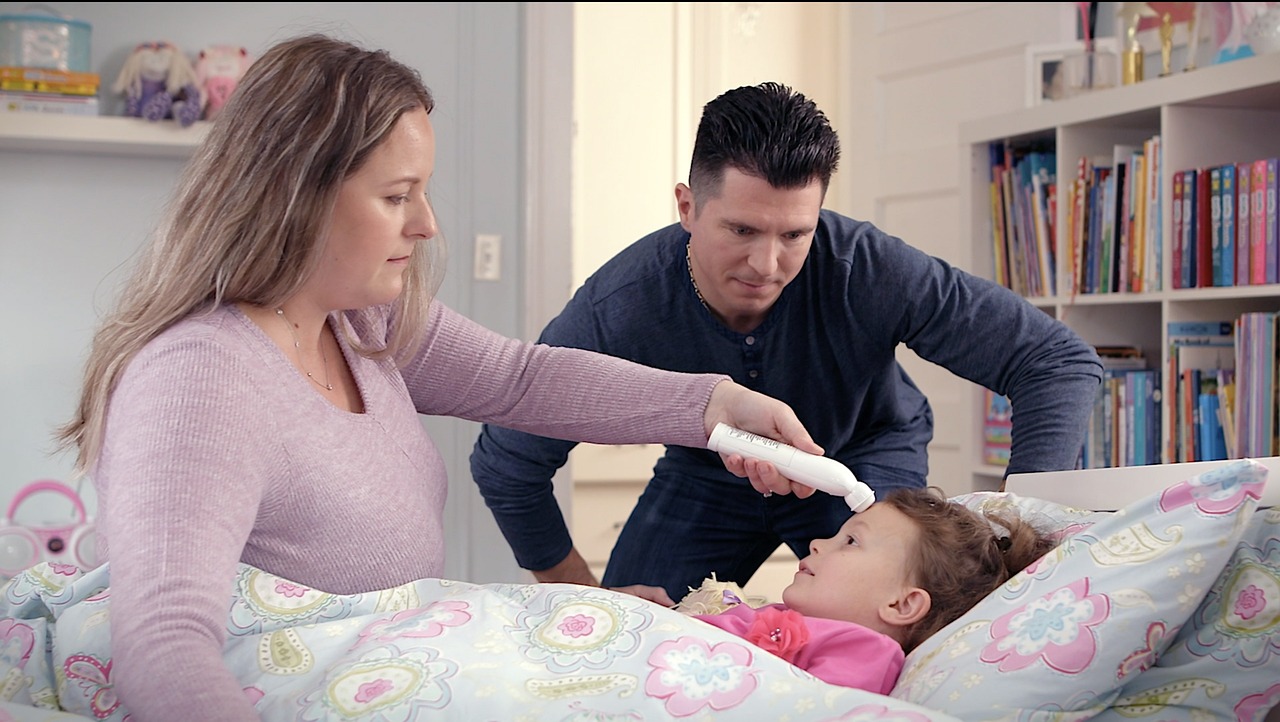
Why home healthcare supplies matter now
Demand for home healthcare supplies is being shaped by three overlapping trends: population aging, wider use of care outside institutions and the spread of medical devices into ordinary homes. AARP’s 2024 Home and Community Preferences Survey reported that most older adults want to remain in their homes and communities. A large share also expect their homes may need changes to support future physical needs. That preference affects housing design, but it also affects demand for mobility aids, monitoring tools, hygiene products, wound care supplies, medication support and emergency response items.
Spending data shows the same shift from another angle. CMS National Health Expenditure data for 2024 reported that home health care services reached $169.4 billion, up 10.2 percent from the prior year. That figure refers to services provided by freestanding home health agencies, not the full retail market for supplies. Even so, it signals a broader increase in care activity outside hospitals. When more visits, chronic disease monitoring and recovery tasks happen at home, supply decisions become part of clinical quality and patient safety.
The FDA has also recognized the home as a distinct care environment. Its Center for Devices and Radiological Health launched the Home as a Health Care Hub initiative in April 2024, describing the home as an increasingly important setting for medical device innovation. The agency’s home-use device materials emphasize that devices and related supplies may be operated by patients, family members or caregivers who do not have continuous professional supervision.
What counts as home healthcare supplies
The phrase home healthcare supplies is often used broadly, but it helps to separate durable equipment, disposable supplies and device accessories. CMS distinguishes durable medical equipment from expendable medical supplies for Medicare payment purposes. Durable equipment generally must withstand repeated use and be appropriate for use in the home. Items such as many dressings, gloves, masks, incontinence products or tubing may be treated differently depending on the coverage category and clinical indication.
| Category | Common examples | Main decision factor |
|---|---|---|
| Durable medical equipment | Walkers, wheelchairs, hospital beds, oxygen equipment, patient lifts | Prescription, medical necessity, safe fit and maintenance |
| Monitoring supplies and devices | Blood pressure monitors, glucose meters, CGMs, pulse oximeters, scales | Accuracy, user training, data interpretation and replacement parts |
| Wound and skin care supplies | Dressings, tapes, cleansers, barrier products, compression items | Clinical order, infection prevention and skin tolerance |
| Continence, ostomy and urological supplies | Catheters, drainage bags, ostomy pouches, skin barriers, incontinence products | Fit, skin protection, supply continuity and documentation |
| Respiratory and nutrition support | Nebulizer parts, suction supplies, enteral feeding supplies, oxygen accessories | Cleaning, tubing compatibility, power backup and safety rules |
| Home safety and mobility support | Grab bars, non-slip surfaces, transfer boards, raised toilet seats | Installation quality, fall risk and caregiver workflow |
This distinction matters because a useful home supply plan cannot be built from a shopping list alone. A patient recovering from surgery, a person using oxygen, a caregiver managing ostomy care and a family monitoring diabetes may all rely on home supplies, but the clinical risks, replacement schedule and coverage rules are different.
Selection criteria should come before price
Price matters, especially for recurring supplies. However, the lowest-cost option can become expensive if the product is mismatched, difficult to use or poorly documented. A safer selection process starts with the care plan and then works outward to the home environment, caregiver ability and resupply pathway.
Start with the clinical order and actual task
Supplies should match the task a clinician expects the patient or caregiver to perform. For wound care, the dressing type, change frequency and signs of infection should be clear. For monitoring, users need to know which readings matter, when to report them and whether the device is intended for screening, routine tracking or treatment decisions. For mobility equipment, the user’s weight, balance, transfer ability and home layout all matter.
Check whether the home can support the product
The FDA’s home-use device guidance notes that homes can create challenges not found in professional facilities, including inadequate lighting, space constraints, children, pets, electrical limitations, temperature and humidity variation, and storage problems. These may sound like ordinary household issues, but they can determine whether a caregiver can read a display, keep sterile supplies clean, charge a battery or move equipment safely through a hallway.
Plan for training, cleaning and replacement
Home supplies often fail in practice when no one owns the routine. A supply plan should identify who changes consumables, who cleans reusable parts, who checks expiration dates, who orders refills and who tracks safety notices. Home care accreditation resources, including Joint Commission materials, consistently emphasize infection prevention, oxygen safety, equipment management and maintenance as core home care concerns.
Reimbursement and procurement create real limits
Coverage rules are one reason home healthcare supplies can be confusing. Medicare Part B may cover certain medically necessary durable medical equipment when ordered by a qualified provider for use in the home. CMS payment policy generally describes an 80 percent Medicare payment and 20 percent beneficiary responsibility after any unmet Part B deductible, using fee schedule or competitive bidding payment amounts where applicable. That broad rule does not mean every supply used at home is covered.
CMS materials also show that DMEPOS policy is not static. For the next round of the DMEPOS Competitive Bidding Program, CMS has identified categories that include Class II continuous glucose monitors and insulin pumps, urological supplies, ostomy supplies, hydrophilic urinary catheters and several off-the-shelf braces. CMS target dates indicate bidder activity in 2026 and 2027, with the next round expected to begin no later than January 1, 2028. For suppliers and care organizations, that timeline matters because contract status, documentation transfer and remote delivery rules can affect access and continuity.
For patients and caregivers, the practical takeaway is simpler: verify coverage before committing to a recurring supply pathway. Confirm whether the item is considered durable equipment, an accessory, a disposable supply or an excluded convenience item. Check whether a prescription, prior authorization, supplier enrollment or proof of medical necessity is required. When a supply is essential to daily care, backup options should be identified before the first shipment is delayed. See also: Clinical Equipment.
Safety risks are usually operational, not theoretical
Most home supply problems are not dramatic device failures. They are ordinary operational gaps: the wrong tubing, an expired dressing, a battery that is not charged, a missing charger, an incompatible accessory, a poorly fitted brace or a caregiver who was never shown how to clean a reusable component. These failures can still have clinical consequences.
The FDA maintains a public medical device recall database and separate safety communications because device and supply risks can change after products reach the market. In 2026, FDA recall and early-alert listings included home-relevant categories such as electronic homecare beds, along with other devices used in or near home care settings. The point is not that every product is risky. The point is that home supply management should include recall awareness, lot number tracking for critical products and a clear escalation path when a product behaves unexpectedly.
Oxygen equipment deserves special attention. It introduces fire and trip hazards, requires correct tubing placement and may need power planning for concentrators. Wound, catheter, ostomy and enteral nutrition supplies require clean handling and proper storage because the home does not have the same controlled environment as a clinic. Monitoring devices can create a different problem: numbers may look precise, but patients still need instructions on when to act, when to repeat a measurement and when to contact a clinician.
A practical framework for home supply planning
A useful home supply plan should be written in plain language and reviewed whenever the patient’s condition, caregiver support or living environment changes. The following framework can help families, agencies and suppliers avoid common gaps.
- Define the care tasks. List the daily, weekly and as-needed activities that require supplies, such as dressing changes, glucose checks, transfers, oxygen use or catheter care.
- Separate critical from convenient items. Critical items need backup stock, reorder points and emergency instructions. Convenience items can be substituted more easily.
- Match supplies to the user. Consider dexterity, eyesight, cognition, language, caregiver availability and whether the patient can use the item without help.
- Check the home environment. Review lighting, outlets, storage, bathroom access, stairs, pets, children, humidity and space around the bed or chair.
- Document coverage requirements. Keep prescriptions, supplier contacts, model numbers, lot numbers and payer approvals in one place.
- Set a resupply calendar. Reorder before the last box is opened, especially for catheters, ostomy products, dressings and device-specific accessories.
- Review safety notices. For critical devices, track manufacturer notices and FDA recall information by product name, model and lot number.
This framework is also useful for organizations developing home care technology strategies. Even advanced connected devices still depend on ordinary supplies: sensors, batteries, adhesive patches, sterile components, chargers, cleaning materials and replacement parts. In home care, reliability is often built from small routines rather than a single product feature.
Frequently asked questions
Are home healthcare supplies the same as durable medical equipment?
No. Durable medical equipment is a specific category used in Medicare and other payer rules. Home healthcare supplies is a broader phrase that may include durable equipment, disposable products, accessories, monitoring devices and safety items. Coverage and documentation requirements vary by item and payer.
What should families buy first for care at home?
Families should start with the clinician’s care plan rather than a generic list. Essential items depend on the patient’s condition, medications, mobility, wound status, continence needs, fall risk and monitoring requirements. Buying too broadly can waste money, while buying without instructions can create safety problems.
How much backup stock is reasonable?
For critical recurring supplies, many caregivers aim to reorder before opening the final package and keep enough stock to cover shipping delays, holidays or supplier changes. The exact amount depends on storage conditions, expiration dates, payer limits and the clinical risk of running out.
How can caregivers reduce mistakes with home supplies?
Use a simple system: label storage areas, keep instructions with the product, separate clean and used supplies, track expiration dates, write down reorder points and confirm who is responsible for each task. For medical devices, caregivers should also know the model number, accessory requirements and who to call if an alarm or error appears.
Do connected devices replace basic home supplies?
No. Remote monitoring and connected devices can support care, but they still rely on correct setup, consumables, power, connectivity and user training. A digital reading is only useful if the device is appropriate, maintained and connected to a clear clinical response plan.
The bottom line
Home healthcare supplies are becoming a core part of care delivery rather than a side purchase. The strongest supply plans combine clinical direction, payer awareness, home-environment review, caregiver training and safety monitoring. As more care shifts into the home, organizations and families that manage supplies systematically will be better positioned to reduce avoidable errors, prevent interruptions and support safer daily care.