How to evaluate a medical equipment distributor for clinical procurement

What a medical equipment distributor should prove before a purchase
A medical equipment distributor connects manufacturers, healthcare providers, and clinical buyers. In clinical procurement, however, the role should not be treated as simple warehousing or resale. Hospitals, clinics, ambulatory centers, and biomedical engineering teams need to know whether the distributor can document product legitimacy, regulatory status, traceability, service responsibilities, storage controls, and post-market support.
In the United States, this review has become more important because FDA expectations around device registration, listing, import controls, unique device identification, quality management, and recordkeeping can affect whether equipment can be procured, installed, and used with confidence.
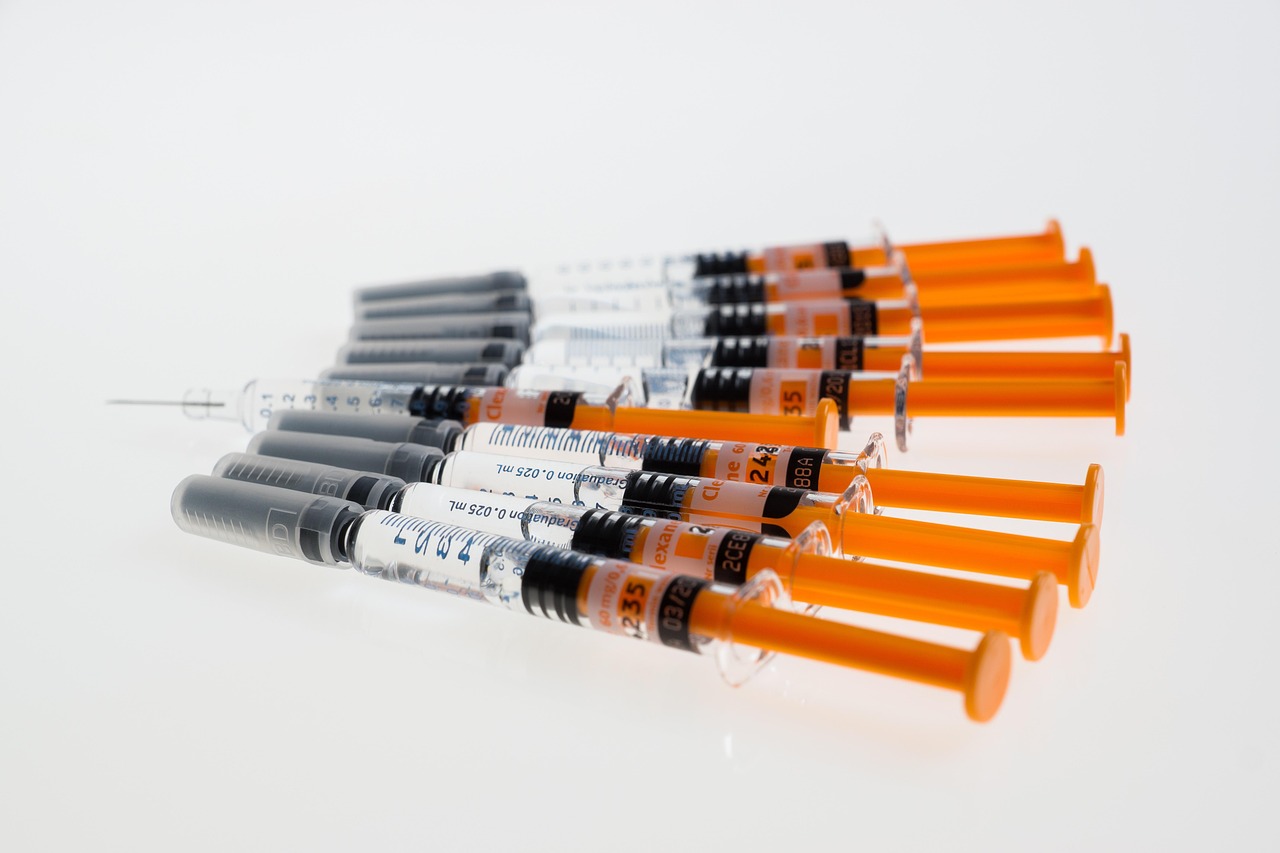
The practical conclusion is straightforward: evaluate the distributor by evidence, not sales language. A reliable distributor should be able to explain who the legal manufacturer is, whether the device is properly listed where required, who handles installation and maintenance, how recalls are communicated, and what documentation will be available after delivery. For more clinical purchasing context, see the clinical equipment section.
Define the distributor role before reviewing price
The term “medical equipment distributor” can describe several business models. Some companies resell finished devices already placed on the market by a manufacturer. Others act as importers, private label distributors, service providers, logistics partners, or authorized representatives for specific brands. These distinctions matter because the documents a buyer should request depend on the role the distributor is actually performing.
A local reseller of examination tables, for example, has a different risk profile from a company importing patient monitors, sterilizers, imaging accessories, or diagnostic devices from overseas manufacturers. If the distributor is the initial importer into the United States, FDA import and establishment information becomes part of due diligence. If the distributor changes labeling, packaging, or product configuration, its role may move closer to manufacturing or relabeling, which can create different regulatory and quality responsibilities.
Clinical procurement teams should start with three questions:
- Who is the legal manufacturer of the device?
- What exact role does the distributor play in the transaction?
- Who is responsible for documentation, installation, training, servicing, adverse event escalation, and recall communication?
This step helps avoid a common procurement mistake: treating every seller as if it has the same authority, technical knowledge, and post-sale obligations. A low quote has limited value if the seller cannot identify the manufacturer, provide item-level documentation, or confirm how service and recalls will be handled.
Regulatory documentation should be specific and verifiable
Regulatory documentation should match the product category, market, and intended use. For U.S. medical devices, FDA establishment registration and device listing may be relevant, but buyers should understand their limits. FDA registration or listing is not the same as FDA approval, clearance, or endorsement. The FDA’s own registration database makes clear that registration of an establishment or listing of a device does not by itself mean the establishment or product has been approved.
That distinction matters in everyday procurement. A distributor may accurately state that a company is registered, while the buyer still needs to confirm whether the specific device requires 510(k) clearance, premarket approval, De Novo authorization, exemption from premarket notification, or another regulatory pathway. Not every device follows the same route. Low-risk accessories, examination equipment, high-risk implants, diagnostic systems, and radiation-emitting electronic products may carry very different obligations.
A practical document request may include:
- Manufacturer name and address, not only brand name.
- Model number, catalog number, and software version where applicable.
- FDA listing or applicable regulatory status for the exact device, when relevant.
- 510(k), PMA, De Novo, or exemption information if the device category requires it.
- Unique device identification details when required for the product.
- Certificates of conformity, electrical safety documentation, or sterilization documentation where relevant.
- Instructions for use, operator manuals, installation requirements, and maintenance schedules.
For imported devices, buyers should also check whether the manufacturer and importer information is consistent across invoices, packing lists, labeling, and regulatory records. Mismatched names can slow import review, complicate warranty claims, and create confusion if a recall or field correction occurs later.
Quality systems and 2026 compliance context
Quality system expectations are another area where buyers should use current regulatory context. On February 2, 2024, the FDA issued a final rule amending the medical device Quality System Regulation. The rule became effective on February 2, 2026, and aligned 21 CFR Part 820 more closely with ISO 13485:2016, the international quality management standard for medical devices. This does not mean every distributor must hold ISO 13485 certification. It does mean clinical buyers should expect clear quality documentation from manufacturers and supply-chain partners.
For distributors, a quality system should cover more than a framed certificate. It should address document control, supplier qualification, product identification, handling, storage, complaint escalation, nonconforming product control, and recall support. A distributor selling temperature-sensitive diagnostic products, sterile accessories, or powered clinical equipment should be able to explain how product integrity is preserved from receipt to delivery.
Buyers should be cautious with broad claims such as “factory certified,” “FDA registered,” or “medical grade” when no supporting document is attached. These phrases are often too general to confirm compliance. A more useful response is a package of product-specific records that can be matched to the purchase order, lot or serial number, and intended clinical use.
| Evaluation area | Useful evidence | Why it matters |
|---|---|---|
| Manufacturer authorization | Current authorization letter or distributor agreement summary | Helps confirm the seller has a legitimate supply relationship. |
| Regulatory status | Device listing, clearance, approval, or exemption details where applicable | Helps match the product to its intended clinical use. |
| Traceability | Lot, batch, serial number, UDI, and shipment records | Supports recalls, inventory control, and service history. |
| Quality management | Quality manual summary, ISO 13485 certificate if applicable, complaint procedure | Shows whether the distributor can control documentation and escalation. |
| Service support | Maintenance plan, spare parts availability, calibration process, response times | Protects uptime and patient care workflows after installation. |
Traceability, UDI, recalls, and post-market communication
Clinical equipment procurement does not end when the shipment arrives. Many problems appear later, during installation, preventive maintenance, software updates, complaint handling, or recall management. A distributor should therefore be evaluated on traceability and post-market communication before a purchase order is issued.
The FDA’s unique device identification system was created to identify medical devices through distribution and use. In practice, UDI can help providers connect a specific device or package to inventory systems, patient records, maintenance records, and recall actions. Not all products have the same UDI requirements, but when UDI applies, distributors should preserve device identifiers and production identifiers accurately in shipping and support records.
Recall readiness is equally important. A distributor should be able to explain how it receives manufacturer field safety notices, how quickly it notifies affected customers, and how it confirms whether specific serial numbers or lots were shipped to a facility. Buyers should ask whether recall communication is handled by email only, through a customer portal, by an account representative, or through a documented quality process.
Strong post-market support usually includes: See also: Buying Guides.
- Serial and lot number traceability from supplier to customer.
- Clear complaint intake and escalation routes.
- Documented process for recalls, corrections, and field safety notices.
- Access to updated manuals, labeling, software notices, and service bulletins.
- Retention of delivery, installation, and service records for the period required by policy or regulation.
This is where the distributor’s operational maturity becomes visible. A company that can quote quickly but cannot retrieve shipment history may create avoidable risk for clinical engineering and compliance teams.
Service capability can be as important as product availability
For capital equipment, service capability often determines the real cost of ownership. A centrifuge, sterilizer, patient monitor, infusion system, imaging accessory, or procedure-room device may require installation, calibration, validation, software configuration, user training, spare parts, and periodic maintenance. The distributor should make clear whether these services are performed by the manufacturer, the distributor, a certified third party, or the healthcare facility’s own biomedical engineering team.
Procurement teams should request service details before comparing final prices. A quote that excludes installation, preventive maintenance, parts, calibration, or software support may look cheaper while shifting operational costs to the provider. The same applies to warranty terms. A one-year warranty may not mean much if the buyer must pay freight, wait weeks for replacement parts, or coordinate with an overseas manufacturer without local technical support.
Key service questions include:
- Who installs the equipment and signs off on acceptance?
- What utilities, space, network, ventilation, or environmental conditions are required?
- Are technicians trained or authorized by the manufacturer?
- How are software updates, cybersecurity notices, and configuration changes managed?
- What is the expected availability of spare parts and consumables?
- What documentation is provided after service or calibration?
For connected equipment, buyers should involve information security and clinical engineering teams early. Networked medical devices may require asset identification, access control review, patching procedures, and coordination among IT, biomedical engineering, and the manufacturer. The distributor does not need to solve every cybersecurity issue alone, but it should provide accurate technical documentation and connect the buyer with the responsible manufacturer resources.
A practical evaluation workflow for clinical buyers
A structured workflow makes distributor evaluation more consistent and easier to audit. The goal is not to create paperwork for its own sake. It is to separate reliable suppliers from sellers that cannot support regulated clinical use.
- Classify the purchase. Identify whether the item is a regulated medical device, accessory, consumable, spare part, general facility product, or laboratory item.
- Confirm intended use. Match the device, model, and labeling to the clinical purpose. Avoid using products outside their labeled indication or technical limits.
- Identify the manufacturer and distributor role. Document whether the distributor is authorized, importing, relabeling, servicing, or only reselling.
- Request product-specific documentation. Avoid relying on generic certificates that do not name the exact product, model, or manufacturer.
- Check traceability requirements. Confirm how serial numbers, lot numbers, UDI, expiration dates, and service records will be captured.
- Review logistics controls. For sensitive products, check storage temperature, humidity, shelf life, packaging integrity, and transport conditions.
- Define acceptance criteria. Decide what documentation, tests, installation steps, and training must be complete before the equipment is released for clinical use.
- Plan post-sale responsibilities. Assign ownership for maintenance, calibration, recalls, complaints, software updates, and end-of-life replacement.
This workflow creates a defensible procurement record and helps teams compare distributors fairly. A supplier that provides complete documentation, clear service boundaries, and reliable traceability may offer better value than a lower-cost seller that leaves compliance and support questions unanswered.
Common red flags when selecting a distributor
Several warning signs deserve attention during sourcing. One is inconsistent product identity: a quotation may use one model number, the invoice another, and the labeling a third. Another is unsupported regulatory language, such as saying a device is “FDA approved” when the product is actually exempt, listed, cleared through 510(k), or outside the claim being made. Buyers should ask for clarification rather than accepting broad language at face value.
Other red flags include refusal to identify the legal manufacturer, inability to provide current manuals, unclear warranty responsibility, no recall communication process, poor control of expiration dates, and lack of documentation for refurbished or used equipment. Refurbished equipment can be appropriate in some situations, but it requires especially clear records about prior use, replacement parts, testing, cleaning, software status, warranty, and service responsibility.
Price pressure can make these issues easy to overlook. Clinical procurement decisions affect patient care, uptime, accreditation readiness, and risk management. The most dependable medical equipment distributor is not necessarily the one with the broadest catalog. It is the one that can document product legitimacy, preserve traceability, communicate limitations, and support the equipment throughout its useful life.
Frequently asked questions
Is FDA registration the same as FDA approval?
No. FDA establishment registration and device listing can be relevant for medical device firms, but registration or listing alone does not mean that the FDA has approved a company or product. Buyers should confirm the regulatory status of the specific device, not only the registration status of a company.
Should every medical equipment distributor be ISO 13485 certified?
Not always. ISO 13485 certification may be important for some manufacturers and supply-chain partners, but the need depends on the distributor’s role, product type, market, and customer requirements. Buyers should focus on whether the distributor has appropriate quality controls for the products and services it provides.
What documents should a clinic request before buying equipment?
At minimum, request manufacturer identity, exact model information, applicable regulatory documentation, user manuals, warranty terms, service requirements, and traceability details such as serial number, lot number, or UDI where applicable. Higher-risk or connected devices may require additional technical and cybersecurity documentation.
Why does distributor authorization matter?
Authorization helps confirm that the distributor has a legitimate relationship with the manufacturer and access to current documentation, warranty support, service information, and recall communications. Lack of authorization can create problems when equipment needs maintenance, replacement parts, or field corrections.