Medical diagnostic laboratory equipment guide for clinical lab planning
What medical diagnostic laboratory equipment includes
Medical diagnostic laboratory equipment includes the instruments, consumables, software and quality systems used to examine human specimens and produce clinically useful results. For a clinical laboratory, the planning question is not simply which analyzer is faster. The larger issue is whether the equipment fits the lab’s test menu, specimen flow, staffing model, regulatory environment and reporting requirements.
In practice, a reliable diagnostic setup usually combines pre-analytical equipment, analytical platforms, post-analytical software, quality control processes and service support. This guide reviews the main equipment categories, the quality and regulatory factors that influence selection, and the practical trade-offs laboratories should assess before procurement. For related industry coverage, see the Diagnostic Devices section.
Core equipment categories in a clinical diagnostic lab
Diagnostic laboratories vary by specialty, volume and care setting, but most equipment falls into a few functional groups. Separating these groups helps buyers avoid comparing instruments that solve different workflow problems.
| Equipment group | Common examples | Main planning question |
|---|---|---|
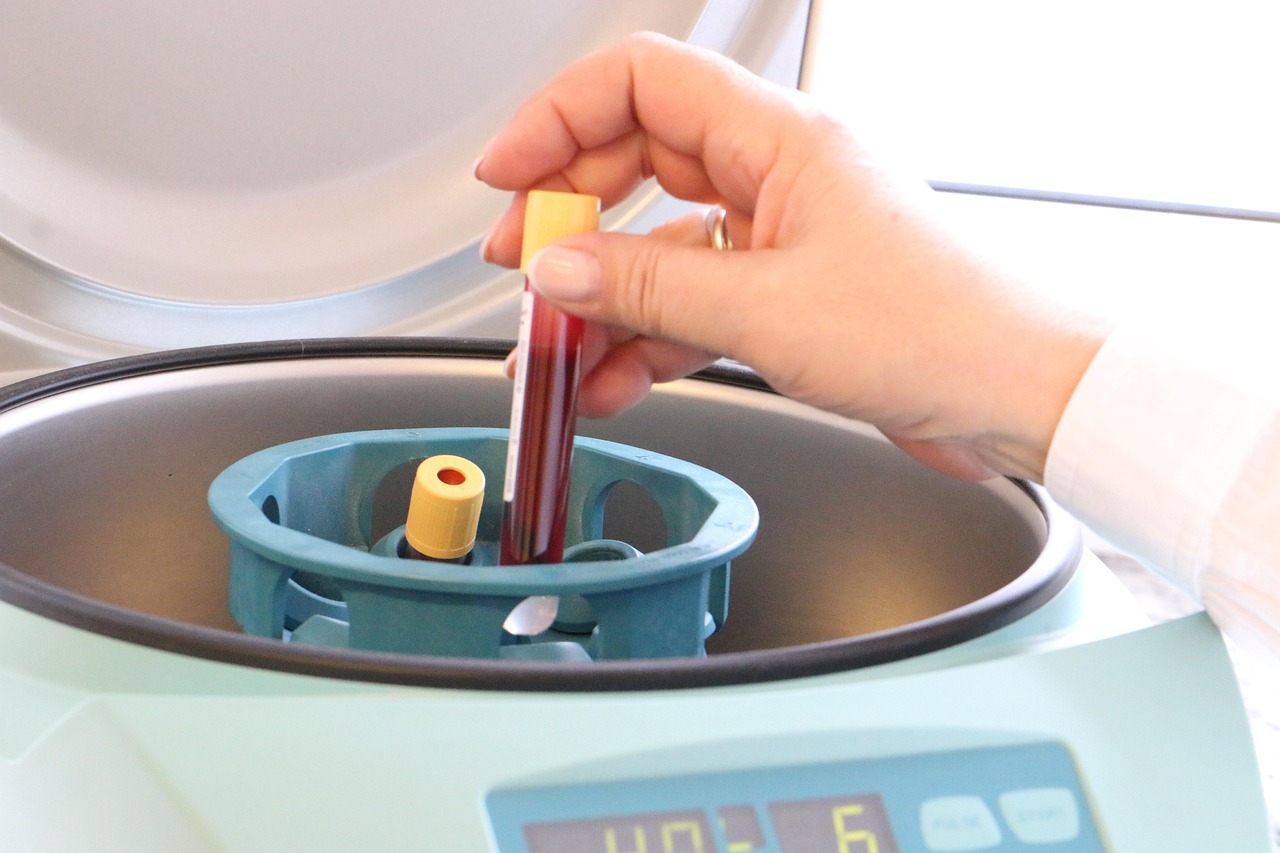
| Pre-analytical equipment | Centrifuges, barcode systems, aliquoters, sample sorters, refrigerators and freezers | Can the lab reduce specimen handling errors before testing begins? |
| Core analytical platforms | Chemistry analyzers, immunoassay systems, hematology analyzers, coagulation analyzers and urinalysis systems | Does the platform match routine test volume, turnaround time and quality needs? |
| Molecular diagnostics equipment | PCR systems, nucleic acid extraction units, sequencing platforms and sample preparation systems | Does the lab need targeted detection, broad panels or high-complexity molecular workflows? |
| Microbiology and pathology systems | Incubators, automated culture systems, MALDI-TOF platforms, tissue processors, slide scanners and staining systems | Will the equipment improve identification, standardization and review efficiency? |
| Post-analytical and informatics tools | Laboratory information systems, middleware, autoverification rules, data storage and quality dashboards | Can results move accurately from analyzer to clinician with appropriate review? |
The equipment list should start with the lab’s intended clinical service. A primary care testing site, hospital core lab, reference laboratory and molecular oncology lab may all use diagnostic equipment, but their performance expectations, staffing requirements and risk controls are very different.
Regulatory and quality context now matters earlier in procurement
For U.S.-focused laboratories and manufacturers, diagnostic equipment planning sits between medical device oversight and laboratory quality rules. The U.S. Food and Drug Administration describes in vitro diagnostic products as medical devices used to examine specimens taken from the human body, such as blood or tissue, to provide information for diagnosis, prevention or treatment. The FDA also classifies medical devices by risk, which affects the type of regulatory controls that apply.
Clinical laboratories also operate under the Clinical Laboratory Improvement Amendments, commonly known as CLIA. The Centers for Disease Control and Prevention explains that CLIA standards apply to U.S. facilities or sites that test human specimens for health assessment or for diagnosing, preventing or treating disease. As a result, equipment selection should consider not only the device label or technical brochure, but also how the laboratory will verify performance, maintain quality control and document competency.
Two recent dates are especially relevant for planning. On February 2, 2026, the FDA’s Quality Management System Regulation became effective for medical device manufacturers, incorporating ISO 13485:2016 by reference into the U.S. device quality framework. Separately, the FDA’s May 6, 2024 final rule on laboratory developed tests was vacated by a federal district court on March 31, 2025, and FDA documents later reflected implementation of that vacatur. For laboratories, the practical lesson is that regulatory strategy for tests and equipment should be checked against current official guidance rather than assumed from outdated announcements.
Internationally, ISO 15189:2022 is widely used as a quality and competence reference for medical laboratories, while CLSI EP23 provides guidance on laboratory quality control based on risk management. Even when a laboratory is not seeking a specific accreditation, these frameworks are useful because they shift the buying discussion from “Does the instrument run the assay?” to “Can the laboratory control the risks around the full testing process?”
How diagnostic equipment needs are changing
Several equipment trends are reshaping laboratory planning, although the right decision still depends on the test menu and care setting.
Automation is moving beyond speed
Automation is often justified by throughput, but its more durable value is workflow control. Automated sample sorting, aliquoting, decapping, recapping, centrifugation integration and analyzer loading can reduce manual touchpoints. Fewer touchpoints may support more consistent specimen tracking, especially when barcode systems and middleware are used well. Automation can also concentrate risk: if a track, sorter or middleware layer fails, a large portion of the lab may be affected. Buyers should therefore review downtime procedures, manual bypass options and vendor response times before committing to a design.
Molecular diagnostics require workflow discipline
Molecular platforms can support infectious disease testing, genetic testing, oncology applications and targeted panels, but they introduce requirements that differ from routine chemistry or hematology. Labs need to plan for contamination control, extraction quality, reagent storage, result interpretation, staff competency and data handling. A cartridge-based molecular system may simplify workflow for lower-volume settings, while open or semi-open systems may offer flexibility for specialized laboratories but require stronger validation and process controls.
Point-of-care testing changes where equipment risk appears
Point-of-care equipment can shorten the distance between specimen collection and result availability. The trade-off is that testing may be performed outside the traditional central laboratory by a larger group of operators. Training, operator lockout, electronic quality control, connectivity and result capture therefore become essential. A device that looks simple at the bedside can create hidden quality risks if it is not integrated into a broader oversight program.
Digital pathology and data-heavy diagnostics add informatics pressure
Slide scanners, image management systems and analysis software can support remote review, education, workload balancing and standardized digital workflows. They also increase the importance of storage capacity, network performance, cybersecurity and image lifecycle management. Laboratories should clarify whether digital tools are used for primary diagnosis, consultation, archiving or education, because each use case has different validation and governance implications.
A practical selection framework for buyers
The strongest procurement process starts with clinical need and ends with operational readiness. The following factors should be reviewed before shortlisting medical diagnostic laboratory equipment.
- Intended use and test menu: Confirm the assays, specimen types, patient population and clinical decisions the equipment will support.
- Throughput and turnaround time: Compare realistic daily volume, peak-hour demand, stat testing requirements and batching constraints.
- Analytical performance: Review precision, accuracy, reportable range, analytical sensitivity, specificity, interference data and carryover risk where applicable.
- Verification and validation workload: Estimate the resources needed for method verification, reference interval checks, comparison studies and ongoing monitoring.
- Quality control design: Determine whether the system supports appropriate controls, calibration schedules, lockouts, flags and risk-based quality plans.
- Connectivity: Confirm compatibility with the laboratory information system, middleware, barcode workflows, autoverification and result reporting needs.
- Staffing and training: Assess whether current staff can operate, maintain and troubleshoot the system without creating bottlenecks.
- Service and uptime: Review preventive maintenance, local engineering coverage, spare parts availability, remote support and documented escalation times.
- Consumables and supply continuity: Evaluate reagent shelf life, storage conditions, proprietary consumables, backorder history and alternative workflows.
- Total cost of ownership: Include instruments, reagents, controls, calibrators, service contracts, interfaces, validation time, waste handling and space renovation.
A low acquisition price may not be economical if the platform requires costly consumables, frequent manual intervention or extra middleware work. Conversely, a more expensive system may be justified if it reduces repeat testing, improves turnaround predictability and lowers staff burden. See also: clinical equipment.
Comparing central lab, molecular, point-of-care and digital systems
Different diagnostic equipment models solve different operational problems. A concise comparison can help laboratories identify the type of trade-off they are making.
| System type | Strengths | Common limitations | Best fit |
|---|---|---|---|
| High-throughput central lab analyzers | Efficient routine testing, consolidated reagent use, strong standardization | May require larger sample batches, space and dedicated technical staff | Hospital core labs and reference labs with predictable volume |
| Cartridge-based molecular platforms | Simplified operation, rapid targeted testing, lower contamination risk than open workflows | Higher cost per test and limited menu flexibility | Urgent infectious disease testing or decentralized molecular testing |
| Open molecular systems | Flexible assay development, scalability for specialized menus | Greater validation, contamination control and technical competency burden | Specialty molecular labs and research-adjacent clinical programs |
| Point-of-care devices | Testing near the patient, faster operational decisions | Operator oversight, connectivity and quality monitoring can be challenging | Emergency departments, clinics, ICUs and remote care settings |
| Digital pathology systems | Remote review, workflow distribution, image archiving and potential analytics support | Large data files, validation needs and infrastructure requirements | Pathology groups with distributed teams or high slide volumes |
No category is inherently superior. The better choice is the one that controls risk while matching the lab’s clinical role, volume profile and personnel resources.
Implementation steps after equipment selection
Procurement is only the first phase. A strong implementation plan reduces the gap between vendor installation and dependable clinical use.
- Define acceptance criteria before installation. Specify space, utilities, environmental conditions, network connections, safety requirements and performance expectations.
- Build the verification plan. Decide which studies are needed for precision, accuracy, reportable range, method comparison, carryover, reference intervals and result interpretation.
- Validate interfaces and reports. Confirm that orders, specimen identifiers, flags, units, reference ranges and critical values transfer correctly.
- Train by role. Operators, supervisors, quality staff and IT support may need different training records and competency checks.
- Document quality control and maintenance. Set schedules, responsibilities, exception handling and escalation rules before go-live.
- Plan downtime workflows. Establish manual procedures, backup instruments, send-out options and communication paths for clinicians.
- Review early performance after launch. Monitor error rates, repeat testing, QC failures, turnaround time and user feedback during the first weeks of operation.
Implementation should be treated as a controlled change to the laboratory system, not a simple equipment swap. The same analyzer can perform differently depending on specimen handling, staff training, maintenance discipline and informatics configuration.
Common procurement mistakes to avoid
Many equipment projects underperform because the lab focuses too narrowly on instrument specifications. Common mistakes include buying capacity that does not match actual specimen arrival patterns, underestimating LIS interface work, overlooking reagent storage requirements, failing to test downtime procedures and assuming that vendor-provided performance claims replace local verification.
Another frequent issue is separating equipment selection from staffing reality. A platform that requires frequent manual troubleshooting may be unsuitable for a lab with limited night-shift coverage. Similarly, a highly flexible system can become a burden if the lab lacks personnel trained in validation, troubleshooting and data review. The procurement file should show why the selected system fits the lab’s clinical, operational and quality requirements.
Frequently asked questions
What is the difference between diagnostic equipment and general laboratory equipment?
General laboratory equipment can support many scientific tasks, while diagnostic equipment is used as part of a process that produces patient-related test results. That difference brings additional expectations for intended use, performance verification, quality control, documentation and result reporting.
Should a small lab choose point-of-care devices instead of central lab analyzers?
Not automatically. Point-of-care devices can be valuable when rapid local decisions are needed, but they still require operator training, quality control, connectivity and oversight. A small lab should compare clinical urgency, testing volume, staffing and documentation burden before choosing a decentralized model.
Why is connectivity important when buying diagnostic equipment?
Connectivity reduces manual transcription, supports barcode tracking and helps results move into the laboratory information system. Poor connectivity can create delays, reporting errors and extra staff workload even when the analyzer itself performs well.
How often should diagnostic laboratory equipment be reviewed after installation?
Laboratories should review performance continuously through quality control, maintenance records, error logs, turnaround time and proficiency testing where applicable. A broader review is also useful when test volume changes, new assays are added, regulatory expectations shift or recurring service issues appear.
Key takeaway
Medical diagnostic laboratory equipment should be selected as part of a complete testing system. Strong procurement decisions connect instrument capability with specimen workflow, regulatory status, quality management, staff competency, informatics and lifecycle cost. In a field shaped by automation, molecular testing, point-of-care expansion and changing regulatory expectations, laboratories that plan around the full diagnostic process are better positioned to deliver accurate, timely and sustainable testing services.