How to choose vital signs equipment for clinical settings

What vital signs equipment should do in a clinical setting
Vital signs equipment includes the clinical devices used to measure and document blood pressure, pulse or heart rate, respiratory rate, body temperature and, in many care settings, oxygen saturation. The purchase decision should not begin with the longest feature list. It should begin with the care environment, patient population, measurement frequency, documentation workflow and the known limitations of each measurement method. MedlinePlus describes vital signs as measurements that reflect essential body functions, including heartbeat, breathing rate, temperature and blood pressure; clinical practice often adds SpO2 when respiratory status is part of the assessment. (medlineplus.gov)
For a clinic, the practical objective is to obtain repeatable readings, reduce manual transcription errors, keep pace with patient flow and help staff recognize when a result should be repeated or interpreted with caution. A device may look strong on a specification sheet but still perform poorly in daily use if the cuff is the wrong size, the pulse oximeter probe is poorly placed, the patient is moving, or the result cannot be documented reliably.
For related equipment planning topics, see the clinical equipment section.
Core device categories and where they fit
Most facilities do not need one universal device for every location. They need equipment matched to the task. A primary care exam room, urgent care triage area, ambulatory surgery unit and inpatient bed all place different demands on speed, portability, alarms, accessories and connectivity.
| Equipment type | Typical use | Key selection factors |
|---|---|---|
| Manual blood pressure set | Backup measurement, confirmation, training and low-volume rooms | Cuff range, gauge quality, stethoscope compatibility, staff competency |
| Automated blood pressure monitor | Routine office measurement and repeat readings | Validation, cuff sizes, motion tolerance, memory, cleaning requirements |
| Spot-check vital signs monitor | Fast measurement of BP, pulse, SpO2 and temperature during rooming or triage | Workflow speed, battery life, accessories, EMR data transfer, cart design |
| Continuous patient monitor | Bedside or procedural monitoring where trends and alarms matter | Alarm management, parameter modules, waveform display, central monitoring options |
| Handheld pulse oximeter | Respiratory screening, transport, backup checks | Sensor type, low-perfusion performance, intended-use labeling, cleaning and storage |
| Clinical thermometer | Routine temperature checks in exam, triage and isolation workflows | Probe site, disposables, response time, infection-control process |
The highest-value configuration is not always the most complex one. A small clinic may gain more from reliable spot-check monitors, the right cuff inventory and a clean documentation process than from continuous-monitoring features staff rarely use. A higher-acuity area, by contrast, may need alarms, trend views, networked central monitoring and clear escalation protocols.
Accuracy depends on validation, setup and the patient
Accuracy is not only a device characteristic. It is the result of the device, accessories, patient position, sensor placement, staff technique, maintenance and the clinical condition being measured. This matters most for parameters such as blood pressure and oxygen saturation, where small-looking errors may affect follow-up decisions.
Blood pressure monitors
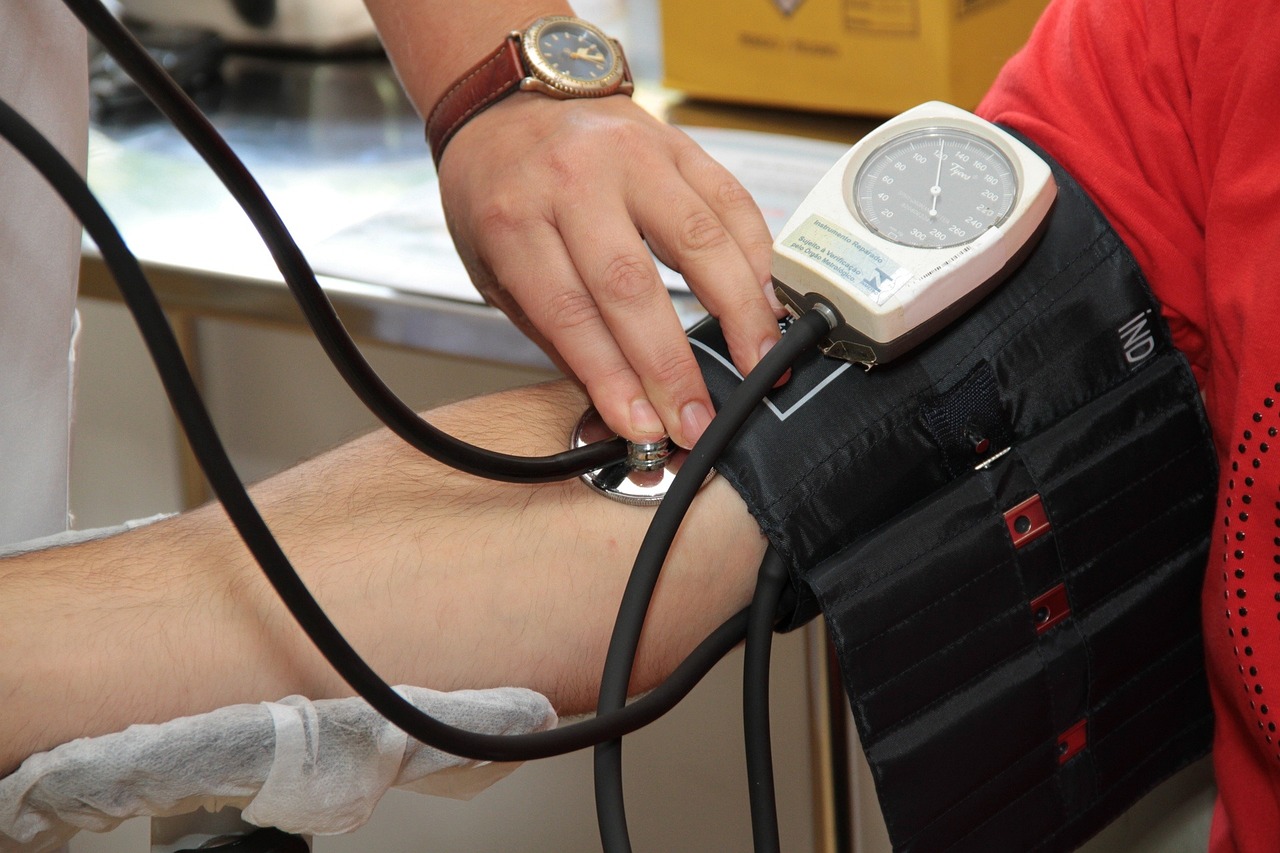
For blood pressure, selection should focus on validated devices, proper cuff sizing and correct technique. The American Heart Association scientific statement emphasizes validated devices and correct technique, while the CDC highlights practical measurement steps such as no talking, arm support, bare skin under the cuff, back support and feet flat on the floor. (pmc.ncbi.nlm.nih.gov)
Procurement teams should look beyond the monitor body. They should review the full cuff portfolio, including adult small, adult, adult large, thigh and pediatric sizes where relevant. A clinic that serves children, older adults, pregnant patients or bariatric patients may need a broader cuff set than a standard product bundle includes. Staff also need a process for repeat readings, manual confirmation when results are unexpected, and periodic inspection of hoses, connectors and cuffs.
Pulse oximeters
Pulse oximetry is fast, useful and widely adopted, but it has recognized limitations. FDA materials state that pulse oximeter readings can be affected by factors such as skin pigmentation, poor circulation, skin thickness, skin temperature, tobacco use and fingernail polish. FDA also published draft guidance in January 2025 with proposed recommendations intended to improve performance evaluation of medical-purpose pulse oximeters across the range of skin pigmentations. (fda.gov)
For clinical equipment planning, the implication is clear: do not treat every fingertip oximeter as interchangeable. Review the intended-use labeling, probe options, patient-size range, low-perfusion performance claims and instructions for use. In higher-risk workflows, staff should understand when a pulse oximeter reading should be interpreted alongside symptoms, clinical assessment and, when appropriate, other measurements.
Temperature and respiratory rate
Thermometers differ by measurement site, including oral, tympanic, temporal, rectal and probe-based approaches. A device that is fast in triage may not be appropriate for every patient group or infection-control context. Respiratory rate can be counted manually, derived from monitor signals or captured through specific sensors. Because motion, talking and patient cooperation can affect readings, the workflow should define when staff count respirations directly and when automated values are acceptable.
Build the specification around workflow
A useful specification should describe how the equipment will be used throughout the day. Start with a basic question: where will the measurement occur? An exam room monitor, rolling triage cart, recovery bay bedside monitor and home-visit kit each create a different workflow.
- Patient population: Include age range, body size, mobility, skin integrity, respiratory risk, pregnancy-related needs and pediatric requirements.
- Measurement frequency: A device used hundreds of times per day needs stronger accessory durability, faster cleaning and better battery performance than a backup unit.
- Mobility: Rolling stands, wall mounts and handheld kits should match room layout, storage space and infection-control routines.
- Documentation: Decide whether staff will enter readings manually, scan patient identifiers, export results or connect to an electronic record system.
- Accessory logistics: Cuffs, probes, covers, batteries, chargers and disposable probe covers often determine real-life uptime.
- Cleaning: Check compatible disinfectants, drying time, reusable sensor handling and instructions after isolation-room use.
Workflow review can also prevent overbuying. A monitor with advanced connectivity has limited value if the clinic has no integration plan, no device-management process and no staff time to resolve failed transfers. In high-volume areas, however, a connected system may be worth the cost when manual transcription errors and repeated documentation steps slow care.
Regulatory and standards checks before purchase
Vital signs equipment used for clinical decision support should be reviewed as medical equipment, not as general wellness electronics. In the United States, the FDA explains that device classification is based on generic device types and medical specialty panels, and buyers should confirm the device category, intended use and applicable regulatory pathway for the exact model under consideration. (fda.gov) See also: Buying Guides.
Standards are also relevant. IEC 80601-2-30:2018 addresses basic safety and essential performance requirements for automated non-invasive sphygmomanometers, which are cuff-based devices used to estimate blood pressure without arterial puncture. (webstore.iec.ch) For buyers, the practical step is to request documentation from the manufacturer or distributor rather than relying on a catalog phrase such as hospital grade.
A pre-purchase file should include the model number, intended-use statement, user manual, accessory compatibility list, cleaning instructions, warranty terms, service process, calibration or verification requirements, software-update policy and cybersecurity documentation when the device connects to a network. If a device will be used with pediatric patients, ambulatory surgery patients or patients with specific risks, confirm that the labeling and accessories support that use.
A practical selection checklist
The following checklist helps compare vital signs equipment in a structured way before a purchase decision.
- Define the care setting. Separate needs for primary care, urgent care, specialty clinics, procedural areas and transport.
- List required parameters. Decide whether the device must capture BP, pulse, SpO2, temperature, respiratory rate, ECG or only a smaller set.
- Confirm patient coverage. Check cuff sizes, probe types, pediatric use, bariatric use and any restrictions in the manual.
- Review accuracy support. Ask for validation information, recognized standards, performance claims and limits.
- Test workflow speed. Time a realistic patient-rooming sequence, including cleaning, patient identification and documentation.
- Check serviceability. Confirm who handles repairs, how loaner units work and how accessories are replaced.
- Plan training. Include technique, repeat readings, abnormal readings, cleaning, storage and daily function checks.
- Evaluate total cost. Include accessories, disposables, service contracts, software, mounts, carts and replacement batteries.
The best choice is rarely the device with the most parameters. It is the equipment set that produces dependable readings in the actual clinical workflow, with clear limits and staff procedures.
Common mistakes to avoid
One common mistake is buying a single device bundle without checking whether the included cuffs and probes match the patient population. Another is focusing on monitor price while overlooking recurring costs such as disposable probe covers, replacement sensors and batteries. A third is assuming that connectivity automatically improves documentation. Connectivity only helps when patient matching, staff workflow, network reliability and error handling are planned.
Facilities should also avoid treating abnormal readings as purely technical problems. A repeat measurement can identify cuff or placement error, but staff should still follow local clinical protocols when a patient appears unwell or when readings remain outside expected ranges. Equipment selection should support clinical judgment, not replace it.
Frequently asked questions
What is included in vital signs equipment?
Typical vital signs equipment includes blood pressure devices, thermometers, pulse or heart-rate measurement tools, respiratory-rate measurement methods and pulse oximeters for oxygen saturation. In many clinics, these are combined in spot-check monitors that capture several parameters during the same patient encounter.
Is a spot-check monitor enough for every clinic?
No. A spot-check monitor is suitable for many routine exams and triage workflows, but it is not the same as continuous patient monitoring. Areas that require alarms, waveforms, trends or procedural monitoring need equipment designed and labeled for that use.
Why do cuff sizes matter so much?
Blood pressure readings depend on proper cuff fit and positioning. A clinic should stock the cuff sizes needed for its real patient population and train staff to choose the correct cuff before measurement rather than defaulting to one standard adult size.
Should clinics buy connected vital signs equipment?
Connected equipment can reduce manual entry and support faster documentation, but it only creates value if integration, patient identification, staff training and technical support are in place. For some lower-volume settings, a reliable non-connected device with a disciplined documentation process may be sufficient.
How often should vital signs equipment be checked?
The schedule depends on the device type, manufacturer instructions, facility policy and regulatory environment. At minimum, clinics should maintain a visible process for daily function checks, accessory inspection, cleaning verification and service escalation when readings or device behavior appear unreliable.