How health and technology are reshaping medical devices in 2026

What changed in 2026
In 2026, medical device value is no longer judged by hardware performance alone. Sensors, mechanics and physical reliability still matter, but many devices now depend just as much on software, data quality, interoperability, cybersecurity and lifecycle governance. The U.S. Food and Drug Administration says it had authorized more than 1,600 AI-enabled medical devices for marketing in the United States as of September 2026. The FDA Quality Management System Regulation also became effective on February 2, 2026, aligning U.S. device quality requirements more closely with ISO 13485:2016.
At the same time, the Office of the National Coordinator for Health Information Technology is using HTI-1 to advance algorithm transparency and interoperability, while global policy bodies continue to treat digital health as part of health system infrastructure rather than a side project. For hospitals, buyers and device teams, the implication is practical: equipment evaluation now has to go beyond sensitivity, throughput, battery life or purchase price. The harder questions are how a device uses data, how it connects to clinical systems, how updates are controlled and how risks are monitored after deployment. You can also explore more in healthcare technology.
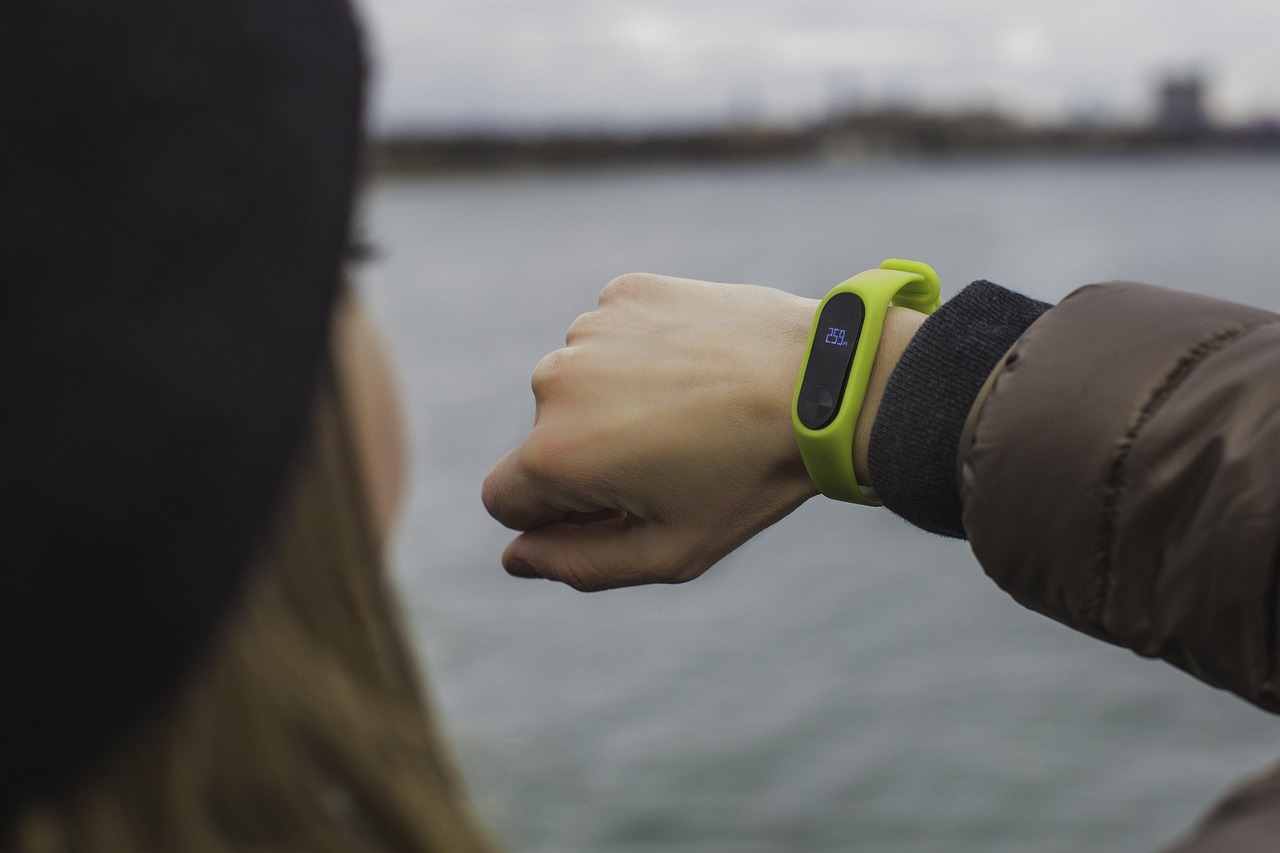
From connected hardware to software-defined care
Medical equipment has always depended on engineering, but the balance has shifted. A modern imaging system, patient monitor, infusion platform or diagnostic instrument still needs reliable hardware. Its clinical usefulness, however, increasingly depends on software layers around the device. These may include automated measurements, alert logic, cloud dashboards, electronic health record integration, remote service tools and analytics that help staff prioritize care.
This is why healthcare technology has become a core lens for understanding medical equipment markets. A connected device operates inside a wider environment. It may exchange data with an EHR, send alerts to mobile devices, rely on network segmentation, require software patches or generate data for quality improvement. If those surrounding systems are weak, the device may still work technically but deliver less value in day-to-day care.
The definition of performance is therefore broader. Traditional device evaluation asks whether equipment measures accurately, operates safely and meets its intended use. Digital evaluation adds uptime, cybersecurity, interface design, data export, user permissions, audit trails, update controls and interoperability. These are not optional IT details. They affect whether clinicians trust the device, whether data can be reused and whether an organization can maintain safe operations across the device lifecycle.
AI-enabled medical devices are becoming a defined category
Artificial intelligence is one of the clearest intersections between health and technology. The FDA does not regulate AI as a standalone concept. It regulates medical devices, including device software functions that use AI, when they meet the statutory definition of a device. That distinction matters because many consumer health apps, administrative tools and wellness features are not regulated in the same way as devices intended for diagnosis, treatment, mitigation or prevention of disease.
The FDA AI-enabled medical device list shows how quickly AI has moved into regulated medical technology. As of September 2026, the FDA reported more than 1,600 authorized AI-enabled medical devices in the United States. The list includes examples such as image enhancement software, AI systems for detecting diabetic retinopathy from retinal images, skin cancer diagnostic support, heart attack probability estimation and insulin dosing automation based on continuous glucose monitor readings. The FDA also notes that the list is not fully comprehensive because it is based largely on AI-related terms in authorization documents and classifications.
For device users, the key issue is not whether a product carries an AI label. The practical questions are what the algorithm does, what data it uses, what clinical decision it supports and how performance is monitored over time. A low-risk workflow automation tool and a diagnostic algorithm that influences patient care should not face the same level of scrutiny. Procurement teams should ask for the intended use, training and validation context, performance metrics, known limitations, update procedures and user-facing explanations that help clinicians understand when the software should or should not be relied on.
Interoperability is moving from convenience to operating requirement
Connected medical devices are valuable only when their data can move safely and usefully through healthcare systems. The ONC HTI-1 final rule matters in this context because it advances interoperability, information sharing and algorithm transparency in certified health IT. ONC states that certified health IT supports care delivered by more than 96% of hospitals and 78% of office-based physicians in the United States. Changes to certification requirements can therefore influence how device data is displayed, exchanged and acted on across care settings.
One concrete 2026 milestone is the adoption of USCDI Version 3 as the baseline standard within the ONC Health IT Certification Program as of January 1, 2026. USCDI v3 adds and updates data elements intended to support more complete patient information, including information that may help equity, public health and interoperability efforts. For medical equipment vendors, this strengthens the business case for clean data mapping, standardized terminology and integration planning early in product design.
Interoperability also changes how providers assess return on investment. A device that produces accurate data but traps it in a proprietary portal may add work for clinicians. A device that exports data in a usable format, fits into identity management and supports auditability can reduce manual documentation and make downstream analytics more reliable. In practical terms, interoperability should be reviewed alongside clinical performance, not left until after purchase.
Cybersecurity is now part of patient safety
As medical devices become more connected, cybersecurity is no longer only a compliance issue. It is a patient safety and continuity-of-care issue. A compromised device, an unpatched vulnerability or a disrupted network connection can affect clinical workflows even when no direct physical harm occurs. This is especially important for hospitals that depend on connected imaging, monitoring, medication delivery, remote support and diagnostic equipment.
The FDA issued updated final guidance on cybersecurity in medical devices on June 27, 2025. According to the FDA, that guidance superseded the September 27, 2023 version and provides recommendations on cybersecurity device design, labeling and premarket submission documentation for devices with cybersecurity risk. It also addresses recommendations related to section 524B of the Federal Food, Drug, and Cosmetic Act for cyber devices.
For practical evaluation, cybersecurity should be treated as a lifecycle obligation, not a one-time premarket document. Buyers should ask whether the manufacturer provides a software bill of materials, how vulnerabilities are disclosed, how patches are validated and distributed, how long security support will continue and whether updates can be deployed without disrupting clinical operations. Hospitals should also check whether the device supports network segmentation, role-based access, logging and secure configuration.
The HHS Office for Civil Rights has also kept healthcare cybersecurity in focus. Its December 2024 proposed modifications to the HIPAA Security Rule were designed to strengthen protections for electronic protected health information. That proposal should not be treated as final law unless finalized, but it signals the direction of policy pressure: healthcare organizations are expected to know where sensitive data moves, who can access it and how systems are protected against foreseeable threats. See also: clinical equipment.
Quality systems are catching up with digital device complexity
The FDA Quality Management System Regulation became effective on February 2, 2026. It amends U.S. device current good manufacturing practice requirements in 21 CFR Part 820 and incorporates ISO 13485:2016 by reference, with additional FDA-specific provisions. The FDA describes this as a move to harmonize and modernize medical device quality requirements while maintaining public health protections under the FD&C Act.
This matters because connected and software-heavy devices require stronger lifecycle discipline. Design controls, supplier management, risk management, complaint handling, postmarket monitoring and update processes become more important when device behavior can be affected by software changes, cybersecurity findings or shifts in the data environment. A manufacturer cannot treat software updates as minor operational tasks if those updates affect safety, effectiveness or clinical workflow.
For device companies, the 2026 QMSR environment reinforces the need to connect quality management with product cybersecurity, AI governance and postmarket surveillance. For healthcare providers, it creates a stronger basis for asking vendors how quality controls extend beyond shipment. A device may be purchased once, but its risk profile changes as operating systems, networks, integrations and clinical practices evolve.
A timeline of key signals for health and technology
| Date | Signal | Why it matters |
|---|---|---|
| 2020 | WHO Global Strategy on Digital Health 2020–2025 endorsed | Digital health became part of global health system strategy, not just local innovation. |
| March 11, 2024 | ONC HTI-1 corrections effective with the final rule provisions | Algorithm transparency, information sharing and certification updates moved into health IT policy. |
| May 23, 2025 | World Health Assembly extended the WHO digital health strategy through 2027 | Global digital health governance remained active while a 2028–2033 strategy was requested. |
| June 27, 2025 | FDA issued updated final cybersecurity guidance for medical devices | Cybersecurity documentation, design and lifecycle expectations became more explicit for cyber-risk devices. |
| January 1, 2026 | USCDI v3 became the ONC certification baseline | Data standards became more important for device integration and health information exchange. |
| February 2, 2026 | FDA QMSR became effective | U.S. device quality system rules aligned more closely with ISO 13485:2016. |
| September 2026 | FDA reported more than 1,600 authorized AI-enabled medical devices | AI in regulated medical technology became a large and visible category. |
What healthcare organizations should evaluate before adopting connected devices
Medical equipment selection now needs input from clinical, biomedical engineering, IT, cybersecurity, compliance and procurement teams. A narrow purchase process can miss risks that appear only after installation. For example, a device may meet clinical requirements but need network access that conflicts with security policy. Another device may generate useful data but require expensive custom work before that data can be integrated into the EHR.
A practical evaluation should cover five areas. First, confirm the device intended use and regulatory pathway, especially if AI-enabled features influence clinical decisions. Second, review interoperability details, including data formats, interfaces, identity management and documentation burden. Third, assess cybersecurity controls, support periods, vulnerability disclosure processes and patch management. Fourth, examine evidence quality, including validation data, limitations and performance in patient populations similar to the intended setting. Fifth, clarify lifecycle responsibilities, including who monitors software changes, how users are trained and how incidents are escalated.
These steps are not meant to slow innovation. They help separate durable clinical technology from tools that look impressive in a demonstration but create operational risk after deployment. In a healthcare environment facing staffing pressure, cyber threats and rising data expectations, the most useful medical devices are the ones that fit safely into real workflows.
Frequently asked questions
What does health and technology mean in medical devices?
It means medical equipment is increasingly shaped by software, data, connectivity, AI, cybersecurity and integration with health information systems. Hardware performance still matters, but it is no longer the only source of clinical value or operational risk.
Are AI-enabled medical devices the same as wellness apps?
No. AI-enabled medical devices are regulated when they meet the definition of a medical device and are intended for medical purposes such as diagnosis, treatment, mitigation or prevention of disease. Many wellness apps and administrative tools do not fall into the same regulatory category.
Why is cybersecurity important for medical equipment?
Cybersecurity affects patient safety, care continuity and data protection. A vulnerability can disrupt device availability, expose sensitive information or interfere with clinical workflows. For connected devices, secure design, patching, logging and access control are part of responsible lifecycle management.
What changed for medical device manufacturers in 2026?
The FDA Quality Management System Regulation became effective on February 2, 2026, incorporating ISO 13485:2016 into U.S. medical device quality system requirements with FDA-specific provisions. This increased the importance of globally aligned quality management, risk management and lifecycle controls.
How should hospitals evaluate new connected devices?
Hospitals should evaluate clinical performance, regulatory status, data integration, cybersecurity, usability, update processes and long-term vendor support. The strongest review process includes clinicians, biomedical engineering, IT, cybersecurity and compliance teams before purchase decisions are finalized.