What to include in a nursing clinical equipment kit
The purpose of a nursing clinical equipment kit
A nursing clinical equipment kit is more than a bag of instruments. It is a planned set of reusable tools, consumable supplies, safety items and tracking materials that helps nursing learners or clinical teams perform assessments, basic procedures and skills practice in a consistent way. Each item should connect to a defined task, such as vital signs, medication preparation practice, wound care simulation, infection prevention or documentation. The kit should also make clear which items are suitable for supervised patient care, which are for simulation only and which require facility approval before use. For readers comparing broader device categories, the clinical equipment section provides related context.
The main planning principle is straightforward: the kit should follow the work, not the product catalog. Nursing programs, skills labs and healthcare facilities should begin with required competencies, local policies and safety rules, then select equipment that supports those tasks without adding avoidable infection-control, storage or compliance risks.
Core components by skill area
A practical kit usually combines personal assessment tools, shared training supplies, consumables and documentation aids. The exact contents will differ between a first-semester skills lab, a community health rotation, a hospital-based preceptor program and a simulation center. Even so, most kits can be organized around the same clinical skill areas.
| Skill area | Common kit items | Selection notes | Why it matters |
|---|---|---|---|
| Assessment and vital signs | Stethoscope, blood pressure cuff, thermometer supplies, pulse oximeter, penlight, watch or timer, measuring tape | Match cuff sizes and device types to the patient population. Confirm calibration and cleaning requirements for reusable tools. | Vital-sign and assessment skills are frequent, observable and easier to standardize when tools are consistent. |
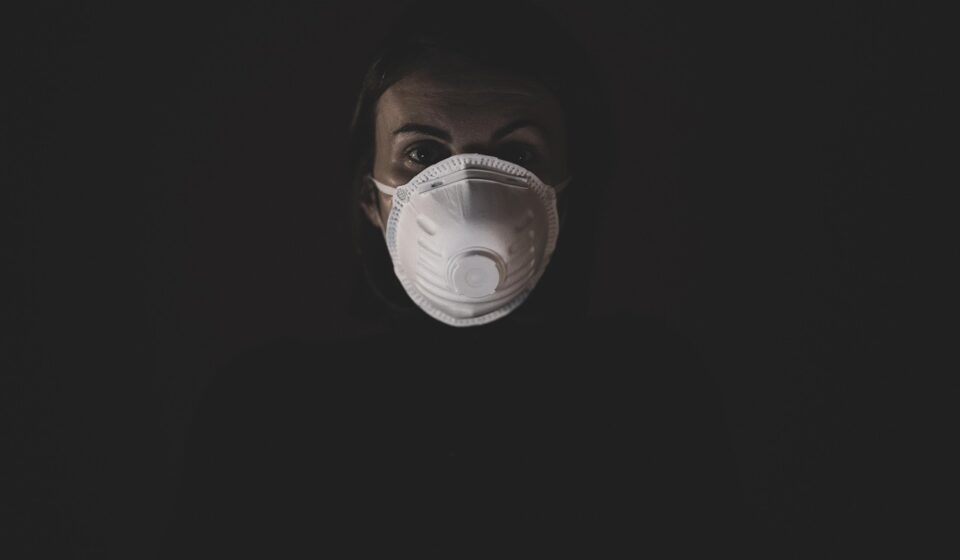
| Infection prevention | Gloves, masks, eye protection as required, gowns when indicated, alcohol-based hand rub access, disinfectant wipes, clean storage pouches | Use facility-approved products. Confirm surface compatibility before using wipes on electronic devices or soft materials. | The kit should reduce contamination risk, not move contaminated items between rooms, labs or homes. |
| Medication and injection practice | Needleless syringes, training vials, medication cups, labels, blunt-tip trainers, injection pads, dosage calculation sheets | Separate simulation-only supplies from patient-care supplies. Real sharps require controlled storage, supervision and disposal. | Medication preparation practice requires repetition, but unsafe shortcuts can teach habits that do not belong in patient care. |
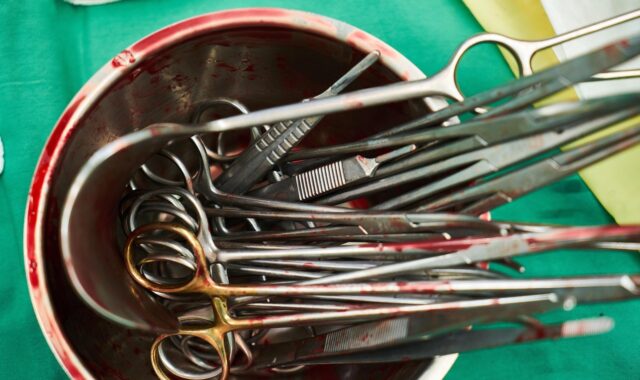
| Wound care and aseptic technique | Dressing materials, sterile and nonsterile gloves, wound models, forceps or scissors for training, irrigation basins, measurement guides | Distinguish sterile supplies from demonstration supplies. Use expired clinical materials only if policy allows simulation use and labeling is unmistakable. | Learners need to practice field setup, sequencing, contamination recognition and disposal, not only dressing application. |
| Mobility and positioning | Gait belt, positioning aids, transfer checklist, fall-risk cue cards | Larger transfer devices may be better managed as shared equipment rather than individual kit items. | Mobility support is a safety skill for both patients and healthcare workers. |
| Documentation and traceability | Skills checklists, return logs, cleaning logs, device identifiers, lot or expiration records for selected consumables | Use simple tracking that instructors or clinical supervisors will actually maintain. | Documentation helps identify missing supplies, expired items, damaged tools and cleaning gaps. |
For a student-facing kit, reusable personal items are often the easiest to standardize: stethoscope, penlight, scissors if permitted, watch, measuring tape and a small notebook or approved digital documentation aid. For a skills lab or simulation center, the bigger issue is usually how to manage shared items, consumables and cleaning between users.
Safety and compliance checks before purchasing
Infection prevention and cleaning
Public health guidance from the CDC separates patient-care equipment by risk. Noncritical items, such as blood pressure cuffs and many external assessment tools, generally contact intact skin and need cleaning and appropriate disinfection according to policy and manufacturer instructions. Semicritical equipment contacts mucous membranes or non-intact skin and requires a higher level of reprocessing. A basic nursing kit should avoid placing complex reprocessing duties on learners unless the program has the supervision, workflow and facilities to manage them.
Every reusable item should have clear answers to four questions: who cleans it, when it is cleaned, which product is used and where clean items are stored. This is especially important for shared stethoscopes, cuffs, pulse oximeters, training devices and electronics. If these decisions are left until after purchase, the kit may look complete but fail in daily use.
Occupational exposure and PPE
OSHA bloodborne pathogen requirements in the United States focus on protecting workers through exposure-control planning, training, engineering controls, work-practice controls and personal protective equipment when occupational exposure is reasonably anticipated. For a nursing clinical equipment kit, PPE should not be treated as a decorative add-on. Gloves, eye protection, face protection and gowns need to match the actual procedure, exposure risk and site policy.
Sharps require special caution. Training syringes, blunt devices and pads can support technique practice without introducing the same risk profile as clinical needles. If real needles or lancets are used for supervised training, the kit plan should include secure storage, immediate disposal into approved sharps containers and a clear process for exposure response.
Device identification and instructions for use
FDA unique device identification requirements are designed to help identify medical devices distributed in the United States through distribution and use. Even when a nursing kit contains low-risk tools, the planning mindset is useful: keep model information, manufacturer instructions, lot numbers when relevant, expiration dates for selected supplies and replacement rules visible to the people managing the kit.
Instructions for use matter because cleaning products, immersion, heat, alcohol and repeated wiping can damage some materials. A low-cost tool that cannot be cleaned according to policy may be a poor choice for repeated clinical use. Conversely, a durable reusable item may reduce waste and replacement work if it can be cleaned easily and tracked reliably.
Simulation standards and educational validity
For nursing education, equipment is only one part of simulation quality. NCSBN research published in the Journal of Nursing Regulation reported that high-quality simulation can substitute for a portion of traditional clinical hours under defined conditions. That finding does not mean any mannequin, kit or lab session automatically replaces patient care. Simulation quality depends on objectives, trained facilitators, appropriate scenarios, prebriefing, debriefing and evaluation.
INACSL Healthcare Simulation Standards, revised in recent editions including 2025 updates, emphasize areas such as simulation design, facilitation, debriefing, operations, outcomes and professional integrity. For kit planning, the practical point is that equipment should support measurable learning outcomes. A smaller kit tied to clear scenarios, evaluation tools and debriefing prompts may deliver more value than a larger kit with poorly defined use.
A practical process for building the kit
The most reliable way to build a kit is to map it to actual workflows. The following process can help nursing schools, training centers and clinical departments create a repeatable method. See also: Buying Guides.
- Define the users. Identify whether the kit is for novice students, advanced students, clinical preceptors, simulation technicians or unit-based nurses.
- List the required competencies. Map each item to a skill, such as manual blood pressure, focused assessment, dressing change setup, medication calculation or injection simulation.
- Separate personal, shared and controlled items. Personal tools can travel with the learner. Shared tools need checkout, cleaning and return rules. Controlled items require restricted access.
- Verify instructions for use. Review cleaning, storage, maintenance, expiration and replacement information before finalizing the item list.
- Decide what is disposable. Single-use supplies may be appropriate for infection prevention or realism, but the budget must include ongoing replenishment.
- Create a restocking method. Assign minimum stock levels for gloves, dressings, labels, syringes for training, wipes and other high-turnover supplies.
- Label simulation-only materials. Any expired, altered or nonclinical supplies used for practice should be clearly marked so they cannot migrate into patient care.
- Pilot the kit. Test it in a lab session or supervised workflow and record what was missing, unused, hard to clean or difficult to store.
This process often shows that the kit should be smaller than expected. Items that are rarely used, hard to clean, duplicated elsewhere or unsafe outside supervision should not be included simply because they appear on a supplier list.
Managing consumables, reusable tools and shared equipment
Budget problems usually appear after the first purchase, not before it. Reusable devices get attention during procurement, but consumables determine whether the kit remains usable week after week. A kit plan should include a replacement cycle for gloves, dressing materials, probe covers, disinfecting wipes, labels, practice syringes, gauze, tape and other routine items.
| Item type | Examples | Management approach |
|---|---|---|
| Personal reusable tools | Stethoscope, penlight, watch, measuring tape | Assign to the learner or staff member. Require routine cleaning and replacement when damaged. |
| Shared reusable tools | Blood pressure cuffs, pulse oximeters, wound models, task trainers | Use checkout logs, cleaning logs and storage separation for clean and used items. |
| Single-use or consumable supplies | Gloves, dressings, labels, gauze, training syringes, probe covers | Track par levels and expiration dates. Reorder before shortages interrupt training. |
| Controlled or supervised items | Real sharps, medication containers, certain sterile supplies, patient-care devices | Restrict access, document use and follow facility or program policy. |
Storage design also matters. A cleanable hard case or cart with dividers is usually better than a soft bag that can collect debris and hide damaged items. If kits are transported between classrooms, labs and clinical sites, use sealed pouches or clearly labeled compartments to keep clean and used items separate.
Common mistakes to avoid
- Buying by bundle instead of competency. A supplier bundle may be convenient, but it should be checked against the curriculum, clinical site requirements and cleaning policy.
- Ignoring sizes. Adult, pediatric and bariatric assessment needs may require different cuffs, positioning aids or simulation components.
- Mixing simulation and patient-care supplies. Training-only items, expired materials and altered devices must be clearly separated from anything used in patient care.
- Forgetting the cleaning workflow. If no one is assigned to clean and inspect shared equipment, contamination and damage can accumulate quickly.
- Underestimating consumable demand. Gloves, gauze, labels, wipes and dressings may be used faster than expected during repeated practice.
- Omitting documentation. A kit without logs, checklists or inventory control is difficult to audit and easy to deplete.
- Putting too much into a personal kit. Large kits are harder to carry, inspect and keep clean. Shared equipment may be safer and more economical for bulky or higher-risk items.
Frequently asked questions
Is a nursing clinical equipment kit the same as an emergency kit?
No. An emergency kit is designed for immediate response to urgent clinical events and is governed by strict facility policies. A nursing clinical equipment kit is usually designed for assessment, skills practice, supervised routine care or simulation. It should not be used as a substitute for approved emergency equipment.
What items should nursing students own personally?
Programs vary, but personal items often include a stethoscope, penlight, watch or timer, measuring tape, bandage scissors if permitted and approved note-taking materials. Items involving sharps, sterile procedures, medication handling or shared patient contact are better controlled by the program or clinical site.
Can simulation equipment replace clinical experience?
Not automatically. Research and regulatory discussions support high-quality simulation as part of nursing education under defined conditions, but simulation depends on trained faculty, clear objectives, realistic scenarios, debriefing and evaluation. Equipment alone does not create clinical competence.
How often should the kit be reviewed?
A practical review schedule is at least once per academic year or training cycle, with additional review after policy changes, curriculum changes, new clinical site requirements, device recalls, repeated supply shortages or infection-control concerns. The review should remove unused items as well as add missing ones.
Should real needles be included?
Only when a program or facility has a supervised training purpose, secure storage, sharps containers and exposure-response procedures. For many early skills sessions, needleless syringes, blunt-tip trainers and injection pads can support learning with less risk.
The takeaway for kit planning
A useful nursing clinical equipment kit is defined by safety, repeatability and fit for purpose. Start with the skills that must be taught or performed, then choose tools that can be cleaned, stored, tracked and replaced without confusion. Keep simulation-only supplies clearly separated from patient-care items, connect each component to a competency and review the kit regularly. This approach supports learning and clinical readiness without turning the kit into an unmanaged collection of supplies.