Health safety compliance for medical equipment teams

What health safety compliance means in medical equipment
Health safety compliance in medical equipment is the day-to-day work of protecting staff, patients, service technicians, and visitors from preventable harm while meeting applicable regulations and standards. For medical equipment teams, that means more than keeping binders current. It means identifying hazards before work starts, selecting controls that reduce exposure, documenting maintenance and training, and recognizing when an equipment change moves beyond routine servicing into a regulated quality or safety issue.
The purpose of compliance is to make work safer, not just easier to audit. In hospitals, clinics, laboratories, repair depots, and device manufacturing environments, the same device can introduce electrical, mechanical, chemical, biological, ergonomic, cybersecurity, and usability risks. A strong program connects each risk to an owner, a control, a record, and a review cycle. For related coverage, visit our safety and compliance section.
Why medical equipment compliance needs a broader view
Medical equipment sits between several compliance areas. Occupational safety rules focus on worker protection. Device quality rules focus on safe and effective products. Facility accreditation and environment-of-care programs focus on patient care settings. Infection prevention requirements address reusable devices, disinfection, sterilization, and exposure controls. When these areas are managed as separate checklists, gaps often appear at the handoffs: repairs, upgrades, cleaning, storage, user training, and return-to-service decisions.
Recent regulatory developments make this broader view more important. The FDA Quality Management System Regulation became effective on February 2, 2026, amending 21 CFR Part 820 and incorporating ISO 13485:2016 by reference for medical device quality management systems. This matters most for finished device manufacturers and other regulated entities, but it also influences the language suppliers, service organizations, and health systems use when they discuss risk management, records, purchasing controls, complaints, and change control.
Workplace injury data also support a risk-based approach. The Bureau of Labor Statistics reported a 2024 total recordable case incidence rate of 4.4 per 100 full-time workers for health care and social assistance, with hospitals at 4.9 and nursing and residential care facilities at 4.6. These rates do not prove that any single device category is unsafe, but they do show why health care environments need systematic hazard identification and prevention instead of relying on corrective action after an incident.
The compliance map for medical equipment work
A useful program starts by mapping the type of work to the applicable compliance expectation. The table below is not a legal checklist, but it shows where teams usually need clear ownership and current evidence.
| Risk area | Typical setting | Primary compliance focus | Evidence to keep current |
|---|---|---|---|
| Blood or body fluid exposure | Clinical use, cleaning, repair intake, waste handling | OSHA bloodborne pathogens requirements and exposure control planning | Exposure control plan, sharps controls, training, vaccination records, incident follow-up |
| Chemical exposure | Disinfection, sterilization, laboratories, maintenance shops | Hazard communication, safe storage, ventilation, PPE, spill response | Safety data sheets, labeling, ventilation checks, training, spill logs |
| Electrical and mechanical hazards | Biomedical engineering, field service, equipment testing | Lockout practices, electrical safety, manufacturer instructions, competent service procedures | Maintenance records, test results, service manuals, calibration records, work instructions |
| Device quality and change control | Manufacturing, refurbishment, design changes, software updates | FDA QMSR, ISO 13485-based quality system expectations, risk management | Design history or technical files, change records, validation, complaint handling, supplier records |
| Environment of care | Hospitals and clinics | Medical equipment inventory, high-risk equipment maintenance, utility system readiness | Inventory, preventive maintenance schedules, risk classification, missed-maintenance review |
| User error and usability risk | Clinical departments, home care, training programs | Instructions for use, competency, labeling, human factors considerations | Training records, competency checks, incident trend reviews, updated instructions |
The value of this map is accountability. If a hazard is known but no owner is assigned, the program is weak. If a control exists but no one verifies whether it works, the program is incomplete. If evidence is collected but never reviewed, the program may satisfy a document request while still failing to prevent harm.
Build controls around the work, not around paperwork
OSHA and CDC NIOSH both emphasize the hierarchy of controls. The preferred order is elimination, substitution, engineering controls, administrative controls, and personal protective equipment. This order matters because PPE depends heavily on correct selection, fit, availability, and consistent human behavior. PPE may be necessary, but it is rarely the strongest control by itself.
For medical equipment teams, the hierarchy can be applied in practical ways:
- Elimination: Remove a hazardous process when possible, such as discontinuing a device accessory that repeatedly causes sharps exposure or replacing a manual transfer task with a safer workflow.
- Substitution: Choose a less hazardous chemical, lower-risk cleaning method, or safer device design when clinical and regulatory requirements allow.
- Engineering controls: Use ventilation, closed transfer systems, needleless devices, guarding, interlocks, isolation transformers, leak testing, and automatic shutoffs to reduce exposure at the source.
- Administrative controls: Create scheduling rules, access limits, standard work, preventive maintenance plans, competency requirements, and escalation procedures.
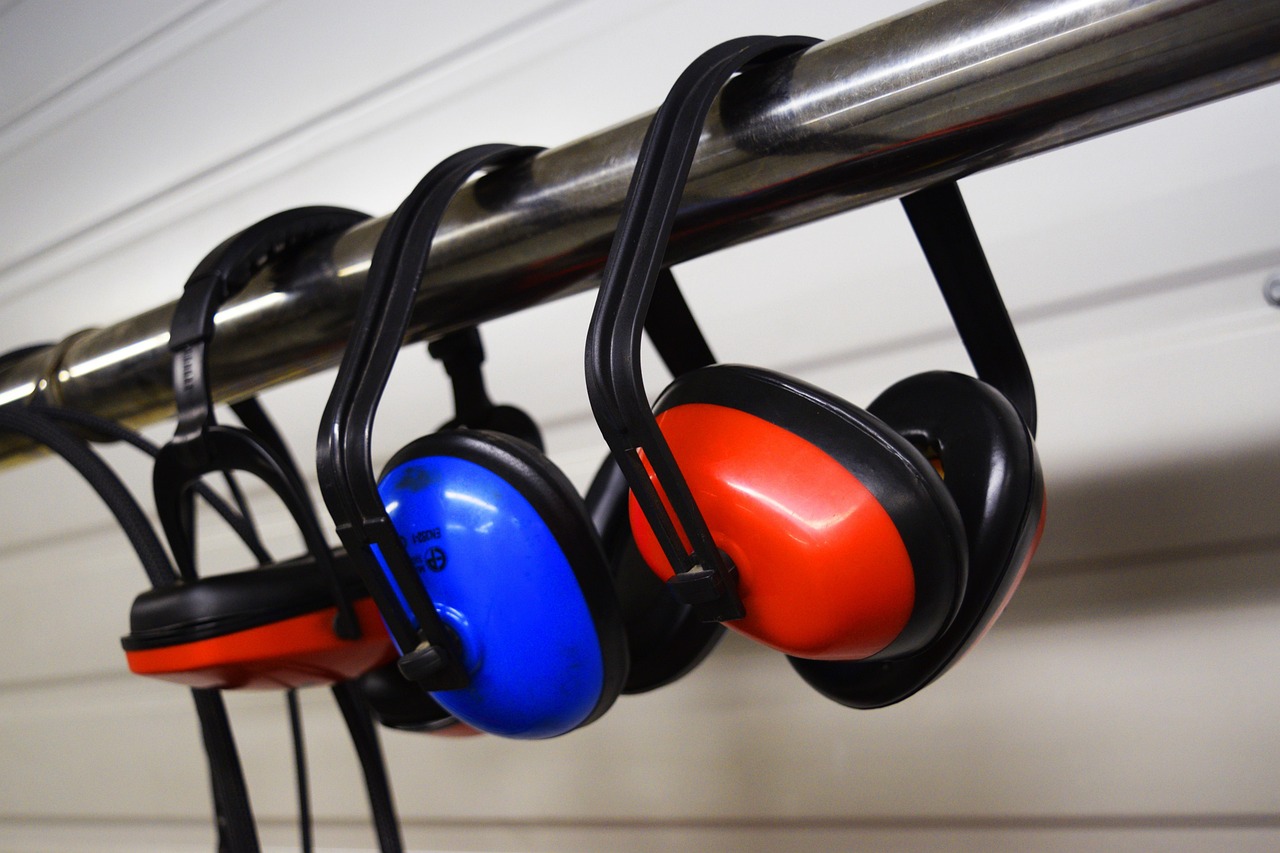
- PPE: Provide gloves, eye protection, respirators, gowns, hearing protection, or other equipment based on the hazard assessment and task.
OSHA’s bloodborne pathogens materials show how this logic works in practice. Employers with occupational exposure must maintain an exposure control plan and use engineering and work practice controls, along with PPE, training, medical surveillance, and hepatitis B vaccination provisions. In device-heavy environments, safer medical devices such as needleless systems and shielded needles are not only purchasing choices; they are exposure controls.
Manage risk across the equipment lifecycle
Procurement and acceptance
Compliance begins before a device enters the building. Procurement teams should confirm whether the device fits the intended environment, what utilities it requires, how it will be cleaned, what training is needed, and whether service information is sufficient. For electrical medical equipment, standards such as IEC 60601-1 are commonly used to address basic safety and essential performance. The compliance question is not simply whether a device is approved for sale; it is whether the organization can operate and maintain it safely in its actual setting.
Use, cleaning, and routine maintenance
Once equipment is in use, the risk profile changes. A device may be safe when new but become hazardous if accessories are mismatched, cleaning steps are skipped, alarms are disabled, batteries degrade, or calibration is overdue. Health safety compliance therefore depends on daily users as well as biomedical engineering, environmental services, infection prevention, and department managers.
Routine maintenance should be documented in a way that shows what was done, who did it, which standard or manufacturer procedure was used, what test results were obtained, and whether the device was returned to service. If maintenance intervals are adjusted under an alternative equipment maintenance strategy, the rationale should be risk-based and periodically reviewed. High-risk and life-support equipment need particular attention because failure can quickly affect patient safety.
Servicing versus remanufacturing
The FDA’s May 2024 final guidance on remanufacturing clarified a point that affects many reusable devices: servicing and remanufacturing are not the same. In general, servicing returns a device to the original equipment manufacturer’s safety and performance specifications and intended use. Remanufacturing involves activities that significantly change performance or safety specifications or intended use. This distinction matters because remanufacturing can create regulatory responsibilities that routine service does not.
Medical equipment teams should treat significant modifications with caution. Examples that deserve formal review include non-OEM software changes, hardware substitutions that affect performance, changes to alarm behavior, changes to sterilization parameters, battery substitutions with different specifications, and repairs that alter the device beyond the original service instructions. The safer approach is to document the decision, involve quality and regulatory personnel when needed, and avoid informal modifications that cannot be validated. See also: clinical equipment.
Retirement and disposal
End-of-life decisions also carry compliance risk. Equipment may contain batteries, mercury, protected health information, radioactive components, contaminated surfaces, or proprietary software. Disposal procedures should address decontamination, data removal, environmental requirements, and clear status labeling so that retired devices do not return to clinical use by mistake.
Documentation that proves controls are working
Good documentation is not about collecting every possible record. It is about keeping the records that show hazards were identified, controls were selected, people were trained, equipment was maintained, and problems were corrected. A medical equipment health safety compliance file typically includes:
- Hazard assessments by task, area, and device type.
- Equipment inventory with risk classification and maintenance strategy.
- Preventive maintenance, calibration, electrical safety, and repair records.
- Cleaning, disinfection, and sterilization instructions linked to device models.
- Training and competency records for users, cleaners, and service staff.
- Incident, near-miss, complaint, and exposure investigation records.
- Change control records for software, accessories, parts, labeling, and workflows.
- Supplier, service contractor, and parts qualification records when applicable.
Review is as important as retention. A quarterly review can compare missed maintenance, repeat repairs, user error reports, exposure incidents, failed safety tests, and training gaps. Trend review turns compliance from a static archive into an early warning system. If the same device type appears in multiple incident reports, the question should shift from who made a mistake to which control failed.
Common gaps that weaken compliance programs
Many organizations have policies but still struggle with execution. The most common gaps are predictable:
- Unclear ownership: Clinical users, facilities, biomedical engineering, infection prevention, and quality teams assume another group owns the risk.
- Overreliance on PPE: Gloves and masks are used as default answers even when engineering or substitution controls would reduce exposure more reliably.
- Incomplete intake procedures: Devices arriving for repair are not screened for contamination, damage, accessories, software version, or complaint history.
- Weak change control: Parts, software, accessories, or cleaning methods are changed without assessing effects on safety and performance.
- Training without competency: Staff sign attendance sheets but are not observed performing the task correctly.
- Documents that do not match practice: Policies describe ideal workflows, while actual workarounds are never risk-assessed.
The corrective action is not to create more paperwork. It is to simplify the system until each risk has a visible control and each control has a practical owner. A short, accurate procedure that staff follow is stronger than a long policy that exists only for audits.
A practical action plan
Teams can improve health safety compliance without rebuilding the entire program at once. Start with a focused 30-day review:
- Select three high-risk device categories, such as infusion pumps, electrosurgical units, sterilizers, ventilators, imaging equipment, or reusable endoscopes.
- Map the lifecycle for each device from procurement through disposal.
- Identify the top worker and patient safety hazards at each lifecycle step.
- Check whether controls follow the hierarchy of controls rather than relying mainly on PPE.
- Verify whether maintenance, cleaning, training, and change records match current practice.
- Review incidents, near misses, complaints, and repeat repairs for the last 12 months.
- Assign corrective actions with owners, due dates, and evidence of completion.
This limited review creates a defensible information gain: it compares actual work with regulatory expectations and device risk. It also helps leaders prioritize resources. If one device category creates repeated maintenance failures or exposure events, it should move ahead of lower-risk documentation cleanup.
Frequently asked questions
Is health safety compliance the same as OSHA compliance?
No. OSHA compliance is a major part of workplace health and safety, especially for employee exposure, training, hazard communication, bloodborne pathogens, PPE, and safe work practices. In medical equipment settings, health safety compliance may also include FDA quality system expectations, infection prevention, accreditation requirements, electrical safety standards, and facility policies.
Does the FDA QMSR apply to hospitals?
The FDA QMSR applies to finished device manufacturers that intend to commercially distribute medical devices, and certain accessories can also be treated as finished devices. A hospital is not automatically a device manufacturer just because it uses equipment. However, hospitals, service teams, and refurbishers should understand QMSR concepts when their activities involve significant device changes, supplier controls, complaints, or regulated remanufacturing questions.
What is the strongest way to reduce equipment-related safety risk?
The strongest approach is to control hazards as close to the source as possible. Elimination, substitution, and engineering controls are generally more reliable than administrative controls and PPE alone. For example, a safer device design, interlock, guard, closed system, or ventilation control can reduce dependence on perfect human behavior.
How often should a medical equipment compliance program be reviewed?
High-risk equipment and high-risk tasks should be reviewed more often than low-risk items. At minimum, teams should review incidents, missed maintenance, training gaps, repeat repairs, and change control issues on a scheduled basis. Reviews should also occur after a serious event, new device introduction, workflow change, regulatory update, or recurring complaint trend.
What is the most important first step for a small clinic or service team?
Start with a simple inventory and task-based hazard assessment. List the equipment, identify who uses or services it, document the main hazards, verify the required maintenance and cleaning steps, and confirm that staff are trained for the tasks they actually perform. This creates the foundation for a more mature program without overwhelming the team.