Healthcare equipment planning for safer, connected care environments

Healthcare equipment decisions now require a lifecycle view
Healthcare equipment can no longer be treated as a list of standalone assets bought one item at a time. In hospitals, clinics, diagnostic centers and home-care programs, equipment is part of a connected clinical environment that affects patient safety, staffing, data security, maintenance budgets and care quality. A monitor, infusion pump, imaging system or laboratory analyzer may depend on software updates, network access, service documentation, consumables, cybersecurity controls and staff training throughout its working life. For healthcare leaders, the practical question is not simply whether a device performs its stated function. It is whether the equipment can be safely selected, implemented, maintained and retired within the intended care setting. For more industry coverage, visit the healthcare technology section.
What healthcare equipment includes in modern care delivery
The term healthcare equipment is commonly used in operations, procurement and facility planning. Regulators more often use the term medical device. The World Health Organization describes medical devices broadly, covering instruments, machines, implants, in vitro diagnostic products, software, materials and related articles intended for medical purposes. In practical planning, healthcare equipment may include large capital assets, portable devices, connected sensors, diagnostic tools, surgical systems, sterilization equipment, rehabilitation technology and software-enabled products.
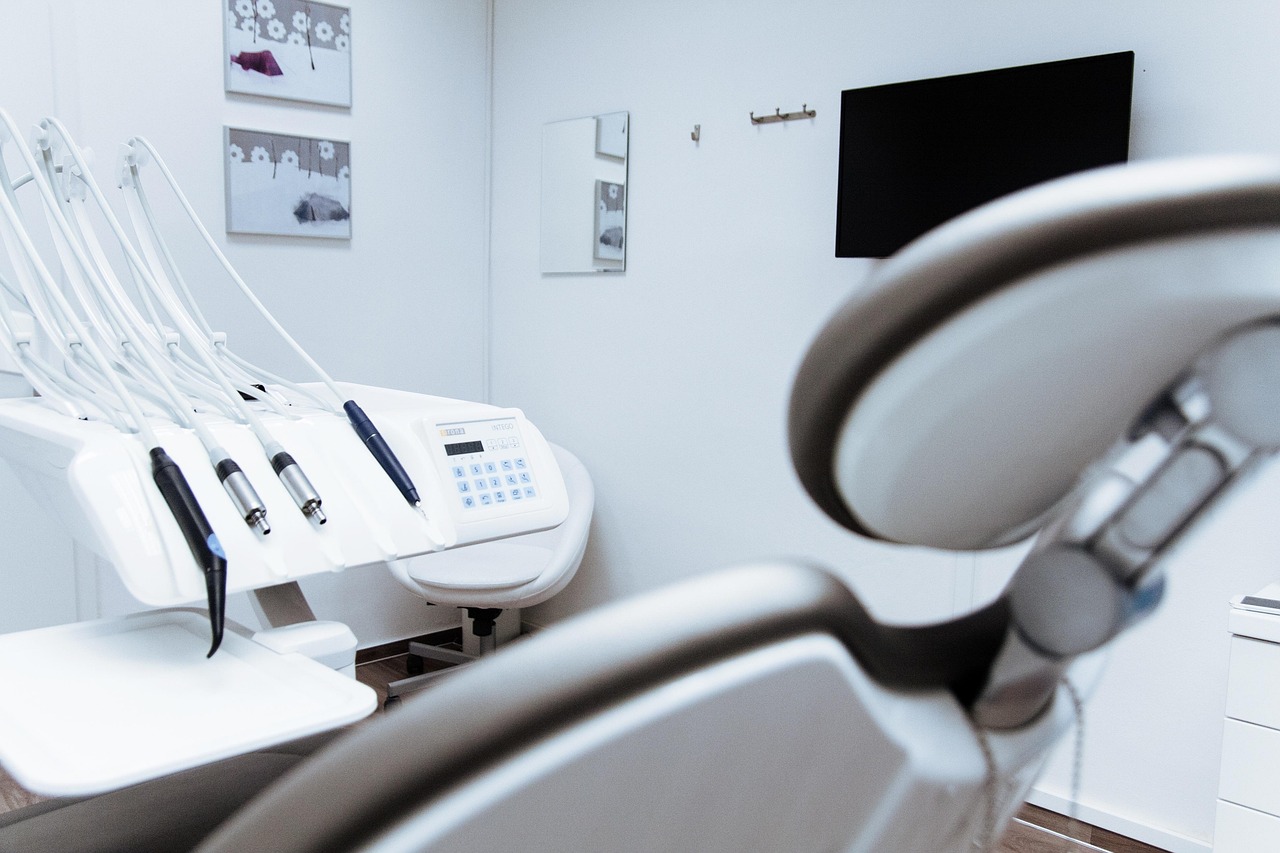
This broad scope matters because each equipment category carries a different mix of clinical, regulatory and operational risk. A blood pressure monitor may raise questions about calibration, cuff sizing and documentation. A CT scanner adds radiation protection, room design, image storage, service contracts and uptime requirements. A connected infusion pump introduces medication safety, network segmentation and software update considerations. An AI-enabled imaging application may require performance monitoring, version control and a careful review of its intended use.
For buyers and clinical teams, the useful starting point is not the product label alone. It is the clinical job the equipment must perform, the environment where it will be used and the failure modes that could affect patients, staff or data. A device that is appropriate for a large hospital may be difficult to support in a small outpatient clinic if it needs specialized service, trained operators, high-cost consumables or a network environment the clinic does not have.
Why lifecycle value matters more than purchase price
Purchase price remains important, but it is only one part of equipment value. A lower-priced device can become expensive if it requires frequent repairs, proprietary consumables, difficult software upgrades, limited service access or repeated downtime. A higher-cost system may be more economical over time if it improves throughput, reduces repeat work, integrates with existing systems and has predictable maintenance needs.
A lifecycle approach looks at the full period from needs assessment to retirement. It includes site preparation, installation, validation, operator training, preventive maintenance, calibration, cybersecurity updates, cleaning and reprocessing, documentation, spare parts, accessories, consumables, recalls, adverse event reporting and disposal. For connected equipment, lifecycle planning also includes network requirements, identity and access management, data retention, vulnerability management and end-of-support dates.
| Decision area | Traditional purchasing question | Lifecycle planning question |
|---|---|---|
| Cost | What is the purchase price? | What is the total cost over installation, service, consumables, downtime and retirement? |
| Safety | Is the product approved or cleared? | How will the organization monitor use, incidents, recalls, maintenance and user competency? |
| Connectivity | Does it connect to our systems? | How are cybersecurity, updates, access control and data transfer managed over time? |
| Workflow | Does it have the required features? | Does it reduce friction for clinicians without adding unsafe workarounds? |
| Service | Is there a warranty? | What response times, parts availability, documentation and end-of-support terms apply? |
This view is especially important when equipment is shared across departments. A device may be clinically useful but operationally weak if it cannot be tracked, cleaned, charged, updated or located when needed. Asset management, inventory accuracy and utilization review can help show whether an organization needs more equipment, better distribution or stronger maintenance processes.
Regulatory and safety evidence to verify before purchase
Regulatory status does not replace local safety management, but it is a core procurement checkpoint. In the United States, the Food and Drug Administration uses a risk-based classification framework for medical devices. Class I devices are subject to the least regulatory control, Class II devices have additional special controls and Class III devices are subject to the most stringent requirements. Buyers should confirm that a product’s claimed classification, intended use and marketing authorization match the planned clinical use.
As of February 2, 2026, the FDA’s Quality Management System Regulation became effective, modernizing device current good manufacturing practice requirements and incorporating ISO 13485:2016 by reference. This change most directly affects manufacturers, but it also reinforces a broader procurement point: equipment quality depends on controlled design, production, risk management, corrective action and documentation, not only on a product brochure.
Organizations should also check how the device will be identified and tracked. The FDA’s Unique Device Identification system was established to identify medical devices through distribution and use. For hospitals and health systems, UDI data can support inventory control, recall response, implant documentation, adverse event analysis and postmarket surveillance. Even when UDI capture is not fully automated, procurement teams should understand whether device identifiers, model numbers, software versions and serial numbers can be recorded consistently.
Evidence buyers should request
- Regulatory classification, intended use and marketing authorization pathway where applicable.
- Current labeling, instructions for use, contraindications, warnings and operator requirements.
- Cleaning, disinfection, sterilization or reprocessing instructions for reusable equipment.
- Preventive maintenance intervals, calibration needs and service documentation.
- Software version history, update policy and end-of-support information.
- Cybersecurity documentation for connected or software-enabled equipment.
- UDI, serial number and model information for asset tracking.
- Recall, correction and field safety communication process.
These checks do not remove the need for clinical evaluation. A product may be lawful to market but still unsuitable for a particular care model, patient population, staffing level or facility design.
Connectivity, cybersecurity and AI are changing the risk profile
Healthcare equipment increasingly depends on software and connectivity. Bedside monitors send data to central stations. Imaging systems connect to PACS and electronic health records. Smart pumps may use drug libraries and networked update processes. Laboratory instruments exchange results with information systems. Remote monitoring equipment can extend care into the home. These capabilities can improve visibility and efficiency, but they also create new dependencies.
Cybersecurity is now a patient safety issue, not only an IT issue. If a connected device cannot be patched, authenticated, segmented or monitored, it may create operational risk. The FDA issued final guidance on cybersecurity in medical devices in September 2023, and its digital health guidance materials continue to emphasize cybersecurity considerations for software-enabled products. For providers, the procurement implication is clear: connected equipment should be reviewed by clinical engineering, IT security, privacy, biomedical maintenance and end-user teams before purchase.
AI-enabled devices add another layer of review. The FDA reported that it had authorized more than 1,600 AI-enabled medical devices for marketing in the United States as of September 2026. Many are associated with imaging and diagnostic workflows, but AI functions are expanding across clinical areas. Buyers should distinguish between general automation, decision support, diagnostic assistance and autonomous functions. They should also ask how performance was evaluated, what populations were represented in validation, what the intended user must review and how updates affect performance.
Questions for connected and AI-enabled equipment
- What data does the equipment collect, store, transmit or receive?
- Can the organization control user access, audit activity and disable unused services?
- How are software updates tested, scheduled and documented?
- What happens if the network, cloud service or integration interface is unavailable?
- For AI-enabled functions, what is the intended use and what remains the clinician’s responsibility?
- How will performance, bias concerns, false positives, false negatives or alert fatigue be monitored after deployment?
The goal is not to avoid connected equipment. The goal is to deploy it with governance strong enough to match the clinical risk. See also: clinical equipment.
A practical procurement scorecard for healthcare equipment
A useful procurement process brings clinical, technical and financial teams together early. Waiting until final vendor selection to review cybersecurity, serviceability or facility requirements often creates delays and hidden costs. The following scorecard can help teams compare options without reducing the decision to a single price point.
| Category | What to evaluate | Why it matters |
|---|---|---|
| Clinical fit | Indications, patient population, workflow, usability and training burden | Equipment must solve a real clinical problem without creating unsafe workarounds. |
| Safety controls | Risk class, alarms, labeling, reprocessing, incident history and recall process | Safety depends on both device design and local operating practice. |
| Interoperability | EHR, PACS, LIS, device integration, data standards and downtime procedures | Poor integration can increase manual entry, delays and documentation errors. |
| Cybersecurity | Authentication, patching, vulnerability disclosure, encryption and network needs | Connected devices can affect privacy, uptime and patient care continuity. |
| Maintenance | Preventive maintenance, calibration, parts, tools, documentation and service levels | Maintenance planning reduces downtime and supports accreditation readiness. |
| Financial value | Total cost, consumables, utilization, reimbursement context and replacement cycle | Lifecycle value is more useful than purchase price alone. |
| End of life | Software support, parts availability, disposal, data removal and replacement timing | Retirement planning prevents unsupported technology from becoming a safety risk. |
For high-risk or high-cost equipment, procurement teams should document their assumptions. If a device is expected to improve throughput, for example, the organization should define the baseline, expected operating hours, staffing model and constraints that could limit the gain. If a connected platform is expected to improve documentation, the integration workflow should be tested before go-live. If a system requires proprietary consumables, projected case volume should be reviewed against supply and pricing risk.
Implementation is where equipment value is won or lost
Even strong equipment choices can underperform if implementation is rushed. Before go-live, teams should confirm that rooms, utilities, network ports, environmental controls, accessories, cleaning supplies and emergency procedures are ready. Operators should receive role-specific training, not just a brief product demonstration. Clinical engineering should know how to inspect, maintain and escalate service issues. IT should understand update windows, logs, connectivity and backup procedures.
Post-implementation review is just as important. After 30, 60 or 90 days, teams can check whether the equipment is being used as expected, whether alarms are appropriate, whether users are creating workarounds, whether downtime is occurring and whether documentation is complete. These reviews often reveal small problems before they become safety events or budget surprises.
For organizations replacing older equipment, the transition plan should include data migration, decontamination, removal, resale or disposal, and confirmation that unsupported devices are no longer used in care. Retired devices can still create risk if they remain in storage, are redeployed without inspection or contain patient data.
Frequently asked questions
What is the difference between healthcare equipment and a medical device?
Healthcare equipment is a broad operational term used by providers, purchasers and facilities teams. Medical device is a regulatory term that depends on intended use and applicable law. Many items of healthcare equipment are medical devices, but the exact status should be verified for each product and jurisdiction.
How often should healthcare equipment be inspected or maintained?
There is no single interval for all equipment. Maintenance frequency should reflect manufacturer instructions, device risk, usage level, regulatory requirements, accreditation expectations and the organization’s medical equipment management program. High-risk or life-support equipment usually requires stricter controls than low-risk items.
Why does cybersecurity matter for medical equipment?
Connected equipment may exchange clinical data, depend on software, connect to hospital networks or affect care delivery if unavailable. Weak cybersecurity can therefore create privacy risk, downtime risk and patient safety risk. Procurement should include cybersecurity review before purchase, not after installation.
Should small clinics buy connected or AI-enabled equipment?
Small clinics can benefit from connected and AI-enabled tools when the technology fits the clinical need and support capacity. The key is to confirm training, maintenance, data protection, update management and fallback procedures. A sophisticated device that cannot be supported locally may create more risk than value.
What is the most important procurement step?
The most important step is defining the clinical problem and operating environment before comparing products. Clear requirements make it easier to evaluate safety evidence, service needs, interoperability, cybersecurity, lifecycle cost and workflow fit.
The bottom line
Healthcare equipment planning is becoming more multidisciplinary because equipment itself is becoming more connected, software-driven and data-dependent. The strongest decisions combine clinical need, regulatory evidence, safety controls, cybersecurity, maintenance planning and lifecycle value. For providers, the goal is not simply to buy advanced technology. It is to deploy equipment that can be used safely, supported reliably and improved responsibly throughout its working life.