New medical diagnostic devices in 2026 and what they change for care
What is changing in diagnostic devices now
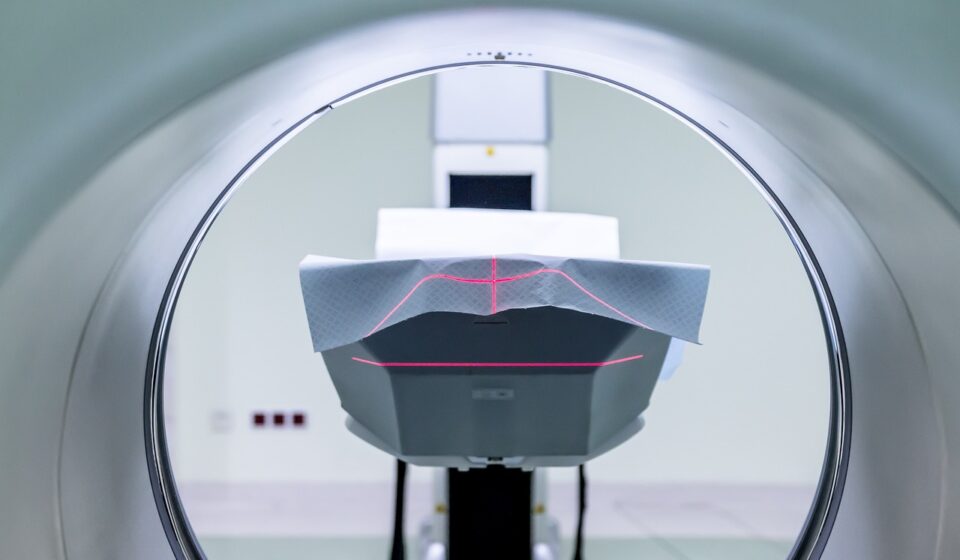
New medical diagnostic devices in 2026 are not being defined by one breakthrough product category. The stronger pattern is a shift toward faster, less invasive and more data-driven clinical decisions: AI-supported imaging, blood-based biomarker tests, molecular point-of-care platforms, precision oncology companion diagnostics and home-use testing. For readers following the Diagnostic Devices category, the key question is not only which device is new. It is whether the device changes where testing happens, how quickly results are available, what evidence is needed for adoption or what clinical action follows.
That distinction matters because diagnostics sit at the front end of almost every care pathway. The World Health Organization describes diagnostics as including both in vitro tests, such as blood or urine tests, and in vivo tests, such as imaging, electrocardiography and pulse oximetry. WHO also notes that diagnostic results influence about 70% of health care decisions, while only 3–5% of health care budgets go to diagnostic services. (who.int)
What counts as a new medical diagnostic device
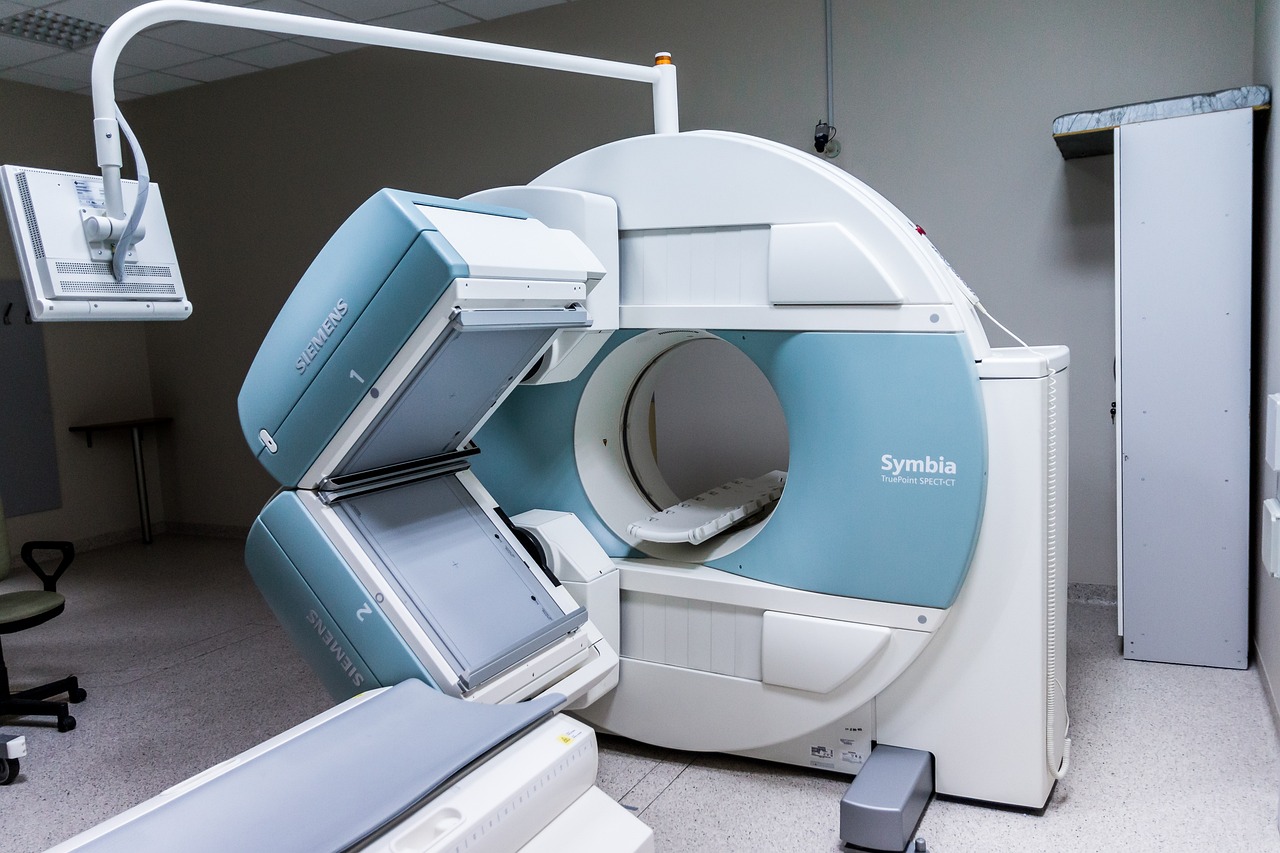
A diagnostic device may be a laboratory test, a cartridge-based molecular platform, imaging equipment, a software function that analyzes clinical images, a wearable sensor used for clinical assessment or a home-use test. The common element is intended use: the device helps detect, measure, monitor or characterize a disease, condition or physiological state.
Newness needs to be interpreted carefully. A product may be new because it uses a different sample type, such as plasma instead of cerebrospinal fluid; because it moves testing from a central laboratory to the point of care; because it adds algorithmic interpretation; or because it is newly cleared, approved or authorized for a defined intended use. New does not automatically mean the device improves outcomes, reduces cost or replaces clinician judgment.
For practical evaluation, diagnostic devices are best understood through three questions:
- What is measured? Examples include an analyte, nucleic acid sequence, image pattern, physiological signal or biomarker ratio.
- Where is the test performed? Central laboratory, hospital lab, bedside, clinic, pharmacy, home or mobile setting.
- What clinical decision follows? Screening, triage, diagnosis, risk assessment, therapy selection, monitoring or referral.
Five device groups showing the strongest change
AI-enabled imaging and diagnostic software
AI-enabled software remains one of the most visible areas of diagnostic device development. The FDA states that its AI-enabled medical device list identifies devices authorized for marketing in the United States and that listed devices have met applicable premarket requirements, although the list is not comprehensive. The same FDA page says the list will be updated periodically and includes 2026 decision entries for radiology, neurology and other panels. (fda.gov)
The near-term opportunity is workflow and interpretation support: detection assistance, measurement automation, image segmentation, prioritization and risk scoring. The limitation is evidence transparency. A 2025 JAMA Health Forum cross-sectional study of 691 FDA-cleared AI or machine-learning devices found frequent gaps in public reporting of study design, training sample size and demographic representation. That does not mean the devices are unsafe. It does mean buyers should not treat clearance as a substitute for local validation, workflow review and performance monitoring. (doi.org)
Blood-based tests for neurological disease
One of the clearest examples of a meaningful diagnostic shift is the move from more invasive or more expensive testing toward blood-based biomarkers. On May 16, 2025, the FDA cleared the Lumipulse G pTau217/β-Amyloid 1-42 Plasma Ratio, describing it as the first in vitro diagnostic device that tests blood to aid in diagnosing Alzheimer’s disease. The intended population is adults aged 55 years and older with signs and symptoms of the disease. (fda.gov)
The device is important because it measures plasma proteins and reports a ratio correlated with amyloid plaque status, potentially reducing reliance on PET scans or cerebrospinal fluid testing in appropriate settings. In the FDA-reviewed multicenter clinical study of 499 plasma samples from cognitively impaired adults, 91.7% of positive results aligned with amyloid plaque presence by PET scan or CSF test, while 97.3% of negative results aligned with a negative PET or CSF result. The FDA also emphasized that the test is not intended as a screening or stand-alone diagnostic test and must be interpreted with other clinical information. (fda.gov)
Point-of-care molecular and critical-care diagnostics
Point-of-care testing continues to gain attention because it shortens the distance between specimen collection, result and action. The most useful new devices in this area are not simply faster versions of laboratory tests. They are tests that can change patient flow, isolation decisions, antibiotic stewardship or escalation of care.
FDA medical countermeasure reporting shows continued movement in this direction. In its FY 2025 Medical Countermeasure Program Update, the FDA reported that it cleared or granted De Novo authorization to 47 diagnostic tests under listed product codes during FY 2025. The examples include devices related to microbial nucleic acid storage and stabilization and assays intended to aid assessment of patients with suspected sepsis. This is not a count of all diagnostic devices, but it is a useful signal for emergency preparedness, infectious disease and critical-care testing. (fda.gov)
Companion diagnostics in precision oncology
Companion diagnostics are another area where new devices can directly affect treatment selection. These tests are linked to specific therapies, biomarkers and patient groups. They may use tissue, plasma or other specimen types to identify mutations, protein expression, gene amplification or other features relevant to a labeled therapy.
The FDA’s public list of authorized companion diagnostic devices includes 2025 and 2026 entries tied to oncology indications, including breast cancer, non-small cell lung cancer, colorectal cancer and other tumor types. The practical lesson is that a diagnostic device in oncology is increasingly part of a therapeutic system: the test, sample type, biomarker threshold and drug indication must match. (fda.gov)
Home-use and over-the-counter diagnostics
Home and OTC diagnostics are expanding because patients, providers and payers want earlier detection and more convenient monitoring. The FDA describes home-use tests as tools that may help detect possible health conditions, detect specific conditions when there are no signs, or monitor conditions such as diabetes. The agency also cautions that home tests should not replace regular care and that results are often best evaluated with history, physical examination and other testing. (fda.gov)
OTC status is not just a marketing label. FDA guidance for manufacturers explains that OTC devices should be usable by lay users, with labeling that supports correct use, self-selection and self-management, and that some prescription-to-OTC changes may require a new premarket submission. That makes human factors, instructions for use and foreseeable misuse central to the safety case for consumer-facing diagnostics. (fda.gov)
Regulatory signals shaping diagnostic device development
Several regulatory signals are shaping how new diagnostics are designed and evaluated. First, AI-enabled devices are moving toward lifecycle thinking. In January 2025, the FDA issued draft guidance on AI-enabled device software functions, describing recommendations for marketing submissions and risk management across the total product life cycle. In its 2025 annual report, FDA’s device center said it had more than 1,300 authorized AI-enabled medical devices to date and that 44 designated breakthrough devices received marketing authorization in 2025. (fda.gov) See also: clinical equipment.
Second, laboratory developed test policy has been unstable. The FDA issued a final rule on May 6, 2024, that amended the definition of in vitro diagnostic products to include products when manufactured by a laboratory. A federal district court vacated that rule on March 31, 2025, and the FDA issued a final rule on September 19, 2025, reverting to the prior regulatory text. For labs and test developers, this history means regulatory strategy should be checked against current rules rather than assumed from older planning documents. (fda.gov)
Third, the boundary between medical devices, wellness tools and clinical decision support remains important. A software product that displays general wellness information is not the same as a device that analyzes patient data to support diagnosis. For hospitals and manufacturers, intended use, claims, user population and clinical action should be defined early because they affect evidence needs, labeling and postmarket responsibilities.
How to evaluate a new diagnostic device before adoption
A practical evaluation should go beyond novelty. The following table summarizes the evidence questions that matter most when comparing new diagnostic devices.
| Evaluation area | What to ask | Why it matters |
|---|---|---|
| Analytical performance | How accurately and reproducibly does the device measure the target? | Poor analytical performance can create false confidence before clinical interpretation begins. |
| Clinical validity | Does the result correlate with the disease, risk state or treatment-relevant biomarker? | A technically accurate result may still have weak clinical meaning if the marker is poorly linked to the decision. |
| Clinical utility | Does using the device improve decisions, workflow, access or outcomes? | Procurement decisions should focus on actionability, not only speed or automation. |
| User environment | Will the device be used by trained laboratory staff, clinicians, lay users or caregivers? | Home and OTC use requires labeling and human factors evidence suitable for nonprofessional users. |
| Equity and generalizability | Were relevant age groups, sex, race, ethnicity, disease stages and care settings represented? | Limited demographic reporting can make performance uncertain in real-world populations. |
| Operational fit | What sample handling, connectivity, quality control and staff training are required? | A good test can fail operationally if it disrupts workflow or creates data silos. |
For hospitals, the strongest adoption case usually combines clinical need, validated performance, implementation feasibility and a defined downstream action. For manufacturers, the same logic points to better development priorities: build evidence around the decision the device changes, not around technology novelty alone.
What this means for hospitals, labs and manufacturers
For hospitals and clinics, new medical diagnostic devices can reduce time to decision, improve triage and extend testing to more convenient settings. But every new diagnostic also creates dependencies: staff training, result interpretation, confirmatory testing pathways, cybersecurity controls, reimbursement assumptions and patient communication.
For laboratories, the major shift is not the disappearance of the lab but a redistribution of testing. Central labs will still be essential for complex assays, quality systems and high-throughput testing. At the same time, point-of-care, home collection and connected devices will require laboratories to define how results enter records, how quality is monitored and when confirmatory testing is required.
For device manufacturers, evidence expectations are becoming more sophisticated. A useful diagnostic submission or market adoption package should address intended use, comparator method, population, performance, usability, risk controls, postmarket monitoring and update management for software-based devices. In AI-enabled diagnostics, transparency about data sources, model changes and performance across populations will increasingly affect trust.
For patients, the benefit is earlier and more accessible information. The risk is overinterpretation. A faster or more convenient test is still one part of care, not the full diagnosis. The safest path is to pair access with clear labeling, clinician follow-up and realistic explanations of false positives, false negatives and uncertain results.
Frequently asked questions
Are new medical diagnostic devices replacing laboratory testing?
No. Many new devices move some testing closer to the patient, but central laboratories remain critical for complex assays, confirmatory testing, quality control and high-volume workflows. The more realistic future is a distributed diagnostic network, not a full replacement of laboratories.
Is an AI-enabled diagnostic device automatically better than a non-AI device?
No. AI can improve measurement, detection, workflow or triage, but performance depends on the intended use, training and validation data, user interface and monitoring after deployment. Buyers should ask for evidence relevant to their patient population and care setting.
Why do companion diagnostics matter in oncology?
Companion diagnostics help identify patients whose tumors have biomarkers linked to a specific therapy. In practice, the device, specimen type, biomarker definition and drug indication must align. This makes the diagnostic part of the treatment pathway rather than a standalone test.
What should buyers verify before adopting a home-use diagnostic test?
They should verify regulatory status, intended user, instructions for use, sample collection requirements, result interpretation, privacy controls and the recommended follow-up pathway. For lay users, usability and clear labeling are just as important as analytical performance.
What is the main takeaway for 2026?
The most important diagnostic device trend is not one device category. It is the movement of testing toward earlier, less invasive and more distributed decision-making, supported by software, biomarkers, connectivity and more demanding evidence expectations.