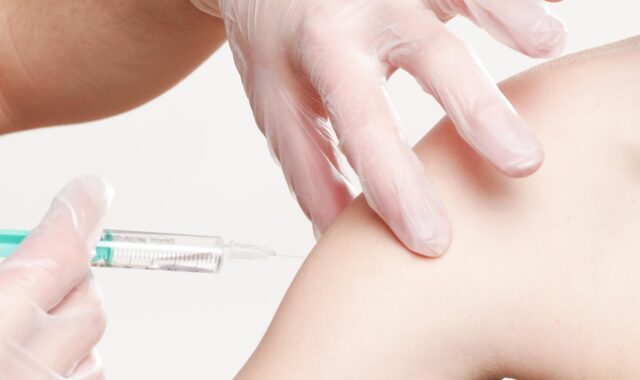
How to choose a first aid box for home use
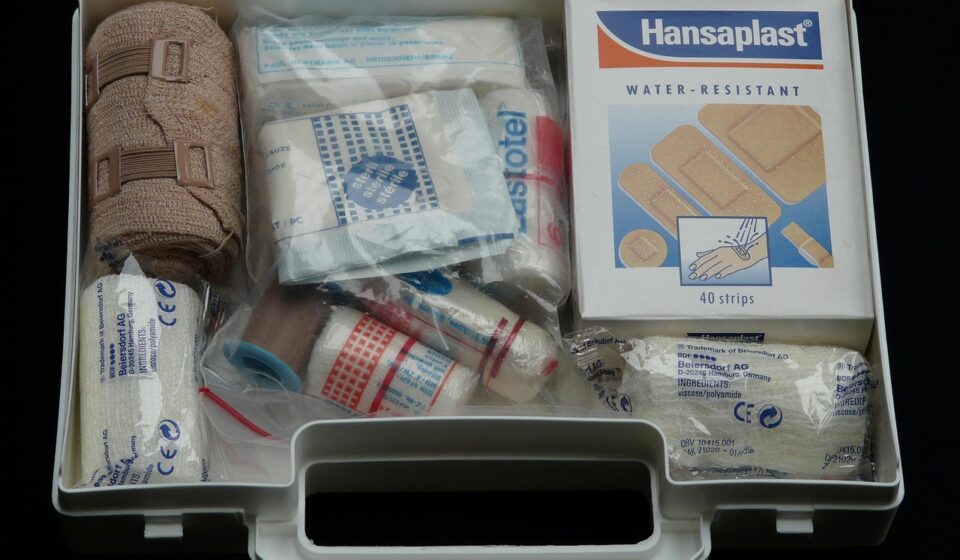
Start with a practical home first aid box, not a random drawer
A first aid box for home use should let someone respond quickly to common household problems, including cuts, scrapes, minor burns, sprains, splinters, mild allergic skin reactions, and sudden illness while deciding whether professional care is needed. The right box is not simply the largest one available. It is the one your household can find, open, understand, and restock without confusion.
For most homes, the best option is a clearly labeled kit with wound care supplies, protective gloves, basic tools, selected over-the-counter items, personal medical information, and emergency contact numbers. From there, adapt it for children, older adults, allergies, chronic conditions, pets, and local risks. For more purchasing checklists, see our medical equipment buying guides.
What reliable guidance says a home kit should cover
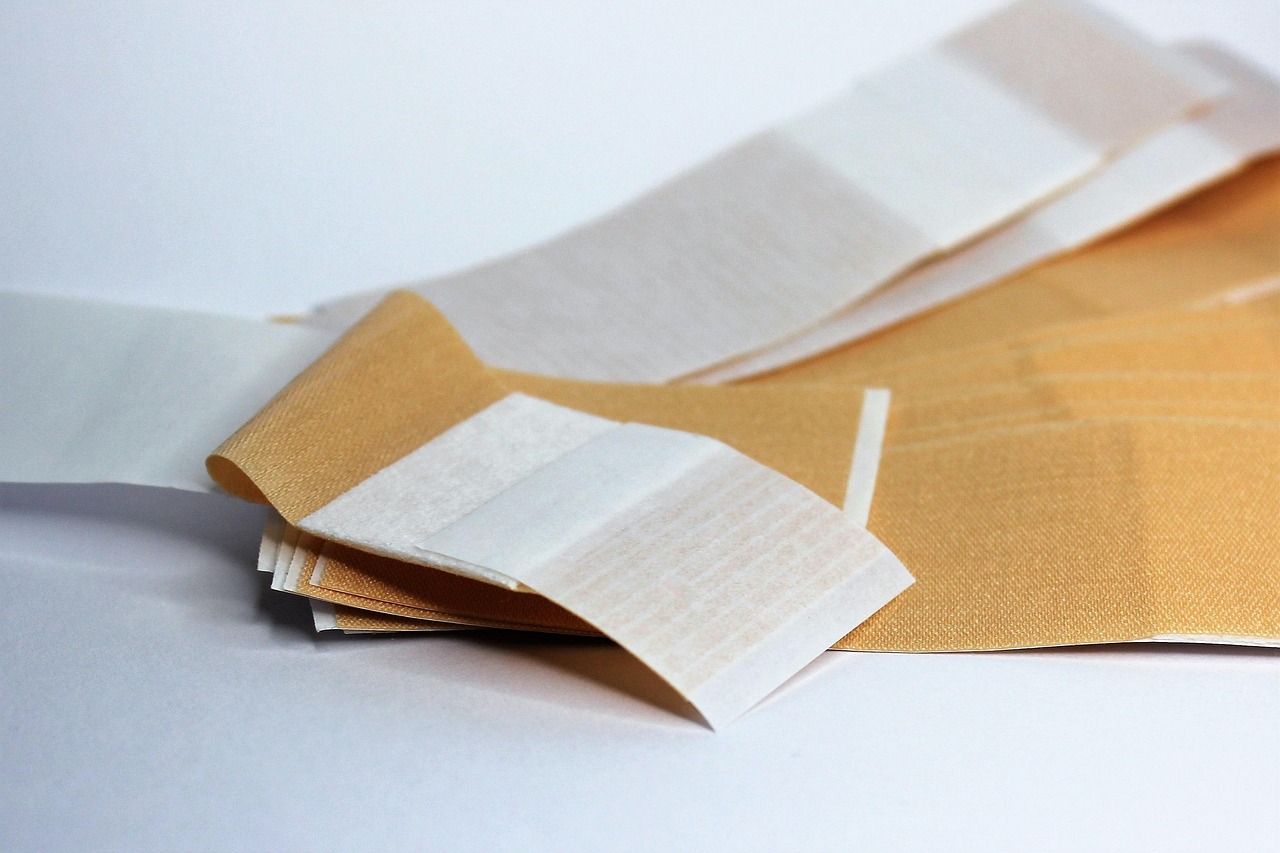
Public safety guidance is consistent on one point: a first aid kit supports immediate care. It does not replace emergency medical services, urgent care, or advice from a clinician. The American Red Cross recommends keeping a first aid kit at home and in the car, adding personal items such as medications and emergency phone numbers, and checking the kit regularly for used or expired contents. Its family-of-four checklist includes adhesive bandages, compress dressings, cloth tape, antibiotic ointment packets, antiseptic wipes, aspirin, an emergency blanket, a breathing barrier, cold compress, nonlatex gloves, hydrocortisone packets, roller bandages, sterile gauze, a thermometer, triangular bandages, tweezers, and first aid instructions.
The 2024 American Heart Association and American Red Cross first aid guidelines also emphasize training, preparation, calling for help when needed, and recognizing the limits of layperson care. They note that a lack of equipment should not stop someone from offering appropriate help, but a maintained kit can make many common responses safer and faster.
| Guidance source | Useful takeaway for a home first aid box |
|---|---|
| American Red Cross | Use a structured family checklist and replace used or expired supplies. |
| 2024 AHA/Red Cross first aid guidelines | Prepare, train, recognize emergencies, and call for advanced care when needed. |
| CDC emergency preparedness guidance | Keep copies of medical records, insurance information, care plans, and emergency contacts ready. |
| Ready.gov emergency kit guidance | Treat the first aid box as one part of a wider household emergency kit that also includes water, food, light, communication, and sanitation supplies. |
| FDA medicine disposal guidance | Remove expired or unwanted medicines and use drug take-back options when available. |
Core supplies to include
A home kit should be broad enough for everyday injuries but simple enough that family members can find what they need under stress. Use sealed, labeled supplies whenever possible, and choose latex-free products if anyone in the household may have a latex sensitivity.
| Category | Supplies to consider | Why it matters |
|---|---|---|
| Wound coverage | Adhesive bandages in assorted sizes, sterile gauze pads, absorbent compress dressings, adhesive cloth tape, roller bandages, triangular bandages | Covers small cuts, larger scrapes, and wounds that need pressure or temporary support. |
| Cleaning and skin care | Antiseptic wipes, antibiotic ointment packets, hydrocortisone packets, saline eye or skin wash | Supports basic wound cleaning and minor skin irritation care when appropriate. |
| Personal protection | Nonlatex medical gloves, hand sanitizer, CPR breathing barrier with one-way valve | Helps reduce exposure to blood, body fluids, and respiratory droplets during aid. |
| Tools | Tweezers, blunt-tip scissors or trauma shears, oral digital thermometer, instant cold pack, emergency blanket, small flashlight | Helps remove splinters, cut tape or clothing, check temperature, reduce swelling, and support warmth. |
| Medicine and information | First aid instruction card, medication list, allergies, emergency contacts, physician contacts, poison center number, selected over-the-counter medicine if appropriate | Makes decisions easier when a caregiver, babysitter, neighbor, or responder needs details fast. |
Do not assume every prefilled kit is complete for your home. Many small kits include plenty of adhesive bandages but lack enough gloves, gauze, tape, cold packs, saline, instructions, or documentation. A more reliable buying strategy is to start with a reputable base kit, then add household-specific modules.
Choose the right box or bag
The container determines whether supplies stay clean, dry, visible, and easy to use. For a fixed home location, a hard plastic case or wall-mounted box can protect sterile packaging and keep items organized. For evacuation, car use, or outdoor activities, a soft zippered bag may be easier to carry. Some households use both: a larger home box in a central location and a smaller grab-and-go kit near the exit.
- Visibility: Choose a red, white, or clearly labeled case that can be recognized quickly.
- Compartments: Look for dividers, pouches, or labeled sections so gloves, bandages, medications, and tools do not get mixed together.
- Durability: The latch or zipper should open easily but keep supplies from spilling when the box is moved.
- Moisture protection: A water-resistant case is useful in kitchens, bathrooms, basements, garages, and disaster-prone areas.
- Space to expand: Leave room for personal items, an inventory card, and condition-specific supplies.
- Child safety: Store medicines and sharp tools so children cannot access them unsupervised, while keeping the kit reachable for responsible adults.
If a product advertises ANSI or workplace compliance, check what that claim covers. ANSI/ISEA Z308.1-2021 is a workplace first aid kit standard in the United States. Class A kits are intended for common workplace injuries, while Class B kits are designed for broader or higher-risk workplace settings. The standard can be a useful quality reference, but it is not a complete home customization plan. A household with toddlers, diabetes supplies, severe allergies, or remote travel needs different additions than a small office.
Personalize the kit for your household
For children and babysitters
Add a child-specific emergency information card with names, ages, allergies, current medicines, pediatrician contact details, caregiver permissions if applicable, and preferred emergency contacts. Keep child-safe dosing devices with medicines only when recommended by your clinician or the product label. Avoid loose pills, unlabeled bottles, and adult-only medications anywhere children can reach them. Aspirin needs special caution: although low-dose aspirin appears in some first aid kit checklists for adult emergencies, it should not be casually given to children or teens. Adults with allergies, bleeding risk, certain medication interactions, or clinician instructions to avoid aspirin should not take it unless directed by qualified medical guidance.
For older adults and chronic conditions
A home with older adults or chronic conditions should include a current medication list, pharmacy contact, medical device notes, and copies of care plans. Consider condition-specific additions recommended by a healthcare professional, such as glucose tablets for someone at risk of hypoglycemia, spare batteries for hearing aids, or written instructions for medical devices. Keep prescription medicines in their original containers when possible, and avoid creating an unlabeled mix of tablets in the first aid box.
For allergies and poisoning risks
Write the U.S. Poison Control number, 1-800-222-1222, on the inside lid of the box and save it in household phones. MedlinePlus describes this national number as a free, confidential service available anywhere in the United States, 24 hours a day. If you live outside the United States, use the local poison center or emergency number for your country. For known severe allergies, follow the individual’s prescribed action plan and storage instructions for any emergency medicine.
Where to store a first aid box at home
The best location is accessible, memorable, and protected from heat and moisture. A kitchen cabinet away from the stove, a hall closet, or a labeled shelf near the main living area often works better than a bathroom medicine cabinet, where humidity can shorten the practical life of packaging and products. Avoid garages, cars, and windowsills for the main home box if temperatures swing sharply.
Tell every responsible household member where the kit is kept. If children are old enough, teach them to show an adult where the box is located, but keep medicines, scissors, and sharp tools controlled. If you use a locked box for safety, make sure adults, caregivers, and frequent visitors know how to access it during an emergency.
For larger homes, two smaller kits may work better than one oversized box: one in the kitchen or main floor, and one near bedrooms or a workshop. If someone works with tools, cooks frequently, gardens, or exercises at home, place wound care and gloves near those higher-risk areas while keeping the main kit standardized. See also: clinical equipment.
What not to keep in the box
A crowded kit can be as frustrating as an empty one. Remove products that create confusion, safety risk, or false confidence.
- Expired medicines: The FDA advises taking expiration dates seriously and disposing of expired, unwanted, or unused medicines properly, preferably through drug take-back options when available.
- Loose or unlabeled pills: They are hard to identify during stress and can lead to mistakes.
- Prescription medicine for someone else: Keep prescriptions patient-specific and labeled.
- Harsh chemicals for wounds: Do not add products unless you understand their intended use and label directions.
- Advanced devices you are not trained to use: Equipment such as tourniquets, splints, or specialty bleeding control items may be appropriate for some homes, but training matters.
- Duplicate clutter: Twenty sizes of bandage are less useful than a balanced set of bandages, gauze, tape, gloves, cleaning supplies, tools, and instructions.
Set a simple maintenance schedule
A first aid box is reliable only if it is maintained. Supplies get used, adhesives dry out, sterile packaging tears, batteries drain, and medicine expires. Put a dated inventory card inside the lid and review it on a fixed schedule.
| When | What to check |
|---|---|
| After every use | Replace gloves, bandages, gauze, ointment packets, wipes, and any opened items. |
| Every 3 months | Check organization, labels, flashlight batteries, emergency contacts, and household medical information. |
| Every 6 months | Review expiration dates on medicines, ointments, antiseptic wipes, cold packs, and sterile items. |
| Once a year | Reassess household needs, new diagnoses, allergies, children’s ages, caregiver details, and local emergency risks. |
A small restock list taped inside the lid can help. When someone uses the last large bandage or pair of gloves, they can mark it immediately instead of relying on memory.
When a first aid box is not enough
Use the box for immediate, basic support, but call emergency services when symptoms or injuries may be serious. Seek urgent help for trouble breathing, chest pain, severe bleeding, suspected stroke, loss of consciousness, severe burns, poisoning, major head injury, seizure concerns, serious allergic reaction, deep wounds, broken bones, or any situation where the person looks very ill or is getting worse. The 2024 AHA/Red Cross guidance emphasizes recognizing when help is needed and contacting emergency medical services without delaying advanced care.
Training is also part of the purchase decision. A well-stocked box is useful, but a trained person is more likely to use it safely. Consider first aid and CPR training from a recognized provider, then update the box so it matches the skills and recommendations taught in the course.
Frequently asked questions
Is it better to buy a premade first aid box or build one?
A premade kit is convenient and often costs less than buying every item separately, but it may not fit your household. A practical approach is to buy a reputable base kit, compare it with a recognized checklist, and add personal medical information, extra gloves, larger dressings, medications approved for your household, and condition-specific supplies.
How many first aid boxes should a home have?
Most households should have at least one complete home kit and one smaller kit for the car or evacuation bag. Larger homes, workshops, farms, or multi-level houses may benefit from multiple smaller kits placed where injuries are more likely to occur.
Should a home first aid box include medicines?
It can include selected over-the-counter medicines if they are appropriate for your household, stored safely, clearly labeled, and checked for expiration. Keep children’s medicines separate from adult medicines when needed, follow label directions, and ask a healthcare professional if anyone has chronic conditions, pregnancy, allergies, or medication interactions.
How often should I replace supplies?
Replace items immediately after use and review the whole kit at least twice a year. Medicines, ointments, antiseptic wipes, sterile products, and cold packs may have expiration dates. Adhesives and packaging can also degrade even if the date looks acceptable.
What is the most overlooked item in a home first aid box?
Emergency information is often overlooked. A simple card with allergies, medications, medical conditions, emergency contacts, physician contacts, and the poison center number can be as important as bandages when someone else needs to help quickly.