Fall detection devices for older adults and what buyers should know
Fall detection devices are designed to recognize a likely fall and send an alert to a caregiver, monitoring center, or emergency contact when the user may not be able to press a help button. The need is clear: CDC data show that more than 14 million U.S. adults aged 65 and older report falling each year, and the age-adjusted fall death rate increased from 64.7 per 100,000 older adults in 2018 to 78.4 in 2024. (cdc.gov) In practice, these devices can improve response time after a fall, but they do not prevent falls by themselves. Buyers need to look beyond the product label and assess the detection method, wearer behavior, battery life, false alarms, privacy, and the full response workflow.
What fall detection devices actually do
Most fall detection devices combine sensors, software, and an alert pathway. The sensor detects movement patterns that may indicate a fall, the algorithm decides whether the event is likely enough to trigger an alarm, and the communication system routes the alert to a person or service. In consumer and care settings, these products may be described as medical alert systems, personal emergency response systems, wearable fall detectors, or fall prevention alarms, depending on their design and intended use.

The key distinction is detection versus prevention. A detector may help after a fall has happened. A prevention program aims to reduce the chance of falling in the first place through medication review, strength and balance exercises, home hazard reduction, vision care, and clinical risk assessment. The CDC’s STEADI initiative, for example, focuses on screening, assessment, and interventions rather than relying on a device alone. (cdc.gov)
For readers comparing diagnostic and monitoring technologies, fall detection sits within the broader field of patient safety and remote monitoring rather than traditional diagnosis. More articles in this area can be found in our Diagnostic Devices section.
Main types of fall detection devices
The market can be grouped into several practical categories. Each involves trade-offs in comfort, coverage, accuracy, cost, and privacy.
| Device type | Typical use | Main advantage | Main limitation |
|---|---|---|---|
| Wearable pendant or button | Home and community use by older adults | Simple emergency button, often with automatic fall detection | Must be worn consistently and charged or maintained |
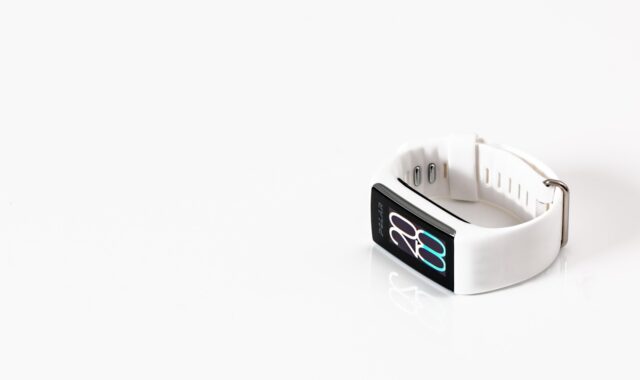
| Smartwatch or wrist wearable | Active adults who already use mobile technology | Combines fall alerts with calls, location, and other health features | Wrist motion can create false alerts or missed events |
| Belt, waist, or clip-on sensor | Research, rehabilitation, and some care programs | Body location may capture trunk movement well | Less familiar or less acceptable for everyday use |
| Bed, chair, or floor sensor | Hospitals, nursing facilities, and high-risk home settings | Can alert staff when a person rises or moves unsafely | May not detect falls outside the sensor area |
| Ambient home sensor | Smart home monitoring and assisted living | Does not require wearing a device | Coverage, installation, privacy, and validation vary |
Wearable devices usually rely on accelerometers and gyroscopes to identify rapid changes in movement, impact, and orientation. Ambient systems may use radar, infrared, pressure, acoustic, Wi-Fi, or camera-based approaches. Camera-based systems can provide rich information, but they raise privacy concerns, especially in bedrooms and bathrooms. Non-camera ambient systems may be more acceptable to some users, although their performance depends heavily on installation and the home or care environment.
Why real-world accuracy is harder than lab accuracy
Fall detection sounds straightforward, but daily use is difficult. A device must identify a true fall while ignoring ordinary activities such as sitting down quickly, dropping the device, exercising, lying down, bending over, or bumping into furniture. It also has to account for falls that are slow, sliding, partially controlled, or followed by little movement.
Research has repeatedly shown a gap between controlled testing and everyday performance. A scoping review of real-world evaluation methods found that many studies used small datasets and differed in how they measured false alarms and non-fall activities. (pmc.ncbi.nlm.nih.gov) An umbrella review of wearable devices also concluded that more high-quality evidence is needed in frail older adults under real-world conditions, while noting that false positives can contribute to alarm fatigue. (pmc.ncbi.nlm.nih.gov)
For buyers, this means a high accuracy claim may be based on simulated falls by healthy volunteers, not on months of use by older adults in apartments, bathrooms, bedrooms, and outdoor settings. A careful evaluation should ask where the evidence came from, whether the study population resembles the intended user, and how the device performs when charging habits, network coverage, and daily routines are part of the assessment.
Key selection factors for caregivers and healthcare buyers
User fit and adherence
The best device is often the one the person will actually use. A pendant may be easy to understand but may be removed before bathing, where many falls occur. A smartwatch may suit a mobile user but frustrate someone with cognitive impairment, low vision, or limited dexterity. Studies of older adults’ acceptance of fall detection technology have identified privacy, comfort, perceived health concerns, false alarms, and ease of use as recurring adoption barriers. (pmc.ncbi.nlm.nih.gov)
Alert pathway
A fall alert is useful only if someone receives it and knows what to do next. Some systems call a monitoring center; others notify family members through an app, text, or voice call. Healthcare organizations should define escalation rules before deployment: who receives the first alert, how quickly they must respond, what happens if they do not answer, and when emergency services should be contacted.
Connectivity and location
Home-only systems may depend on a base station, while mobile devices may use cellular networks, Wi-Fi, Bluetooth, or GPS. For an older adult who walks outside, shops alone, or lives in a rural area, coverage and location sharing can be as important as the fall algorithm. Buyers should test signal strength in bathrooms, basements, yards, elevators, and common walking routes rather than assuming coverage is uniform.
Battery and maintenance
A fall detector that is not charged is not protective. For home users, consider charging routines, low-battery alerts, waterproofing, replacement sensors, and whether a caregiver can remotely check device status. For facilities, battery management becomes a workflow issue. Staff need a process for charging, cleaning, assigning, and documenting devices.
False alarms and missed falls
False alarms can lead users to stop wearing a device or caregivers to ignore alerts. Missed falls create a different risk: the user may believe they are protected when the device did not activate. Buyers should treat detection as a risk-reduction tool, not a guarantee. A good purchasing discussion covers both sensitivity to likely falls and the expected false-alert burden in daily life.
Regulatory and clinical context
In the United States, the regulatory status of a fall-related product depends on its intended use, claims, and design. The FDA product classification database includes fall prevention alarm and sensor combinations under bed-patient monitor categories, including product code PJO for certain attached or unattached fall-prevention alarm/sensor combinations. (accessdata.fda.gov) That classification should not be read as a blanket statement about every consumer smartwatch, app, pendant, or home sensor on the market. See also: clinical equipment.
The practical takeaway is that buyers should read claims carefully. A device advertised for convenience, wellness, or family notification may not be evaluated in the same way as a device marketed for clinical use. Healthcare providers, senior living operators, and procurement teams should ask vendors for documentation that matches the intended setting, including labeling, validation evidence, cybersecurity practices, privacy controls, service-level expectations, and any applicable regulatory pathway.
Clinical teams should also avoid presenting fall detection as a complete fall-risk strategy. CDC materials describe falls among older adults as common, costly, and preventable, and they emphasize screening and intervention to address risk factors such as medications, strength, balance, and environmental hazards. (cdc.gov) Devices are most valuable when they are integrated into a broader plan that includes assessment, prevention, response, and follow-up after any fall or near fall.
A practical checklist before choosing a device
- Define the main risk. Is the concern nighttime bathroom falls, outdoor walking, post-surgery recovery, dementia-related wandering, or living alone?
- Match the form factor to the user. Choose a pendant, watch, belt sensor, or ambient system based on comfort, cognition, dexterity, and daily habits.
- Confirm the alert recipient. Decide whether alerts go to family, facility staff, a professional monitoring center, or emergency services.
- Test the environment. Check performance in bathrooms, bedrooms, stair areas, outdoor paths, and low-signal locations.
- Review evidence carefully. Give more weight to real-world studies in older adults than to simulated falls by young volunteers.
- Plan for maintenance. Assign responsibility for charging, cleaning, software updates, subscription payments, and device replacement.
- Protect privacy. Understand what data are collected, who can see alerts or location, how long data are retained, and whether video or audio is involved.
- Combine with prevention. Use the device alongside medication review, exercise, home modification, vision correction, footwear review, and clinical follow-up.
How fall detection fits into care workflows
For families, the workflow may be simple: an alert goes to an adult child or neighbor, who calls the user and decides whether to visit or call emergency services. The weak point is availability. If the first contact is asleep, driving, traveling, or otherwise unavailable, the alert can fail at the human step even when the device works correctly.
For senior living and healthcare settings, the workflow is more complex. Staff may already manage nurse call systems, bed alarms, wander management, and patient monitoring tools. Adding fall detection without clear protocols can increase alarm burden. A 2025 systematic review focused on hospital and long-term care settings reported that false alarms, technical issues, sensor disconnection, and battery problems can reduce compliance and contribute to alarm fatigue. (pmc.ncbi.nlm.nih.gov)
Implementation should therefore include staff training, escalation rules, documentation, device assignment, and post-event review. After an alert, teams should determine whether it was a true fall, a near fall, a false alarm, or a device handling issue. That feedback loop helps refine placement, user education, and purchasing decisions.
Frequently asked questions
Do fall detection devices prevent falls?
No. They are mainly response tools. They may reduce the time a person waits for help after a suspected fall, but they do not replace exercise, medication review, home safety changes, vision care, or clinical fall-risk assessment.
Are automatic fall alerts always accurate?
No. Automatic fall detection can miss some falls and can also trigger false alarms. Performance depends on the sensor, algorithm, wearing location, user behavior, environment, and whether the evidence comes from simulated or real-world use.
Who benefits most from a fall detection device?
Potential candidates include older adults who live alone, people with a history of falls, users recovering from illness or surgery, and individuals whose caregivers cannot provide constant supervision. The device should be matched to the user’s ability to wear, charge, and tolerate it.
Is a smartwatch enough?
Sometimes, but not always. A smartwatch may suit an active adult who already uses mobile technology. A simpler pendant, monitored medical alert system, or ambient sensor may be more appropriate for someone who has cognitive impairment, limited dexterity, or difficulty managing apps and charging routines.
What is the most important buying question?
Ask what happens after the alert. Detection is only one part of safety. The response plan, user adherence, connectivity, maintenance, and integration with fall prevention determine whether the device provides meaningful protection.
Bottom line
Fall detection devices can be useful when they shorten response time after a suspected fall, especially for older adults who live alone or have a known fall history. Their value depends less on marketing claims and more on real-world fit: whether the user will wear or tolerate the device, whether alerts reach the right person, whether false alarms are manageable, and whether the technology is paired with proven fall-prevention steps. For families, caregivers, and healthcare buyers, the safest approach is to treat fall detection as one layer in a broader plan rather than as a stand-alone solution.